
Stick-To-It-iveness! Improving Hemophilia Care in the Caribbean
Entire of itself,
Every man is a piece of the continent,
A part of the main. —English poet John Donne
to break it. The poetry of John Donne expresses this so beautifully: so many people with hemophilia feel isolated, as if they are on an island, cut off from the world. Indeed, these people really are on islands! Our challenge is to unite patients and families with one another in their own countries, and then link and connect country with other countries, to learn from one another and to support each other. To make a hemophilia continent, and to reduce isolation.
Belize twice back in the early 2000s (they are now taking a leadership role);
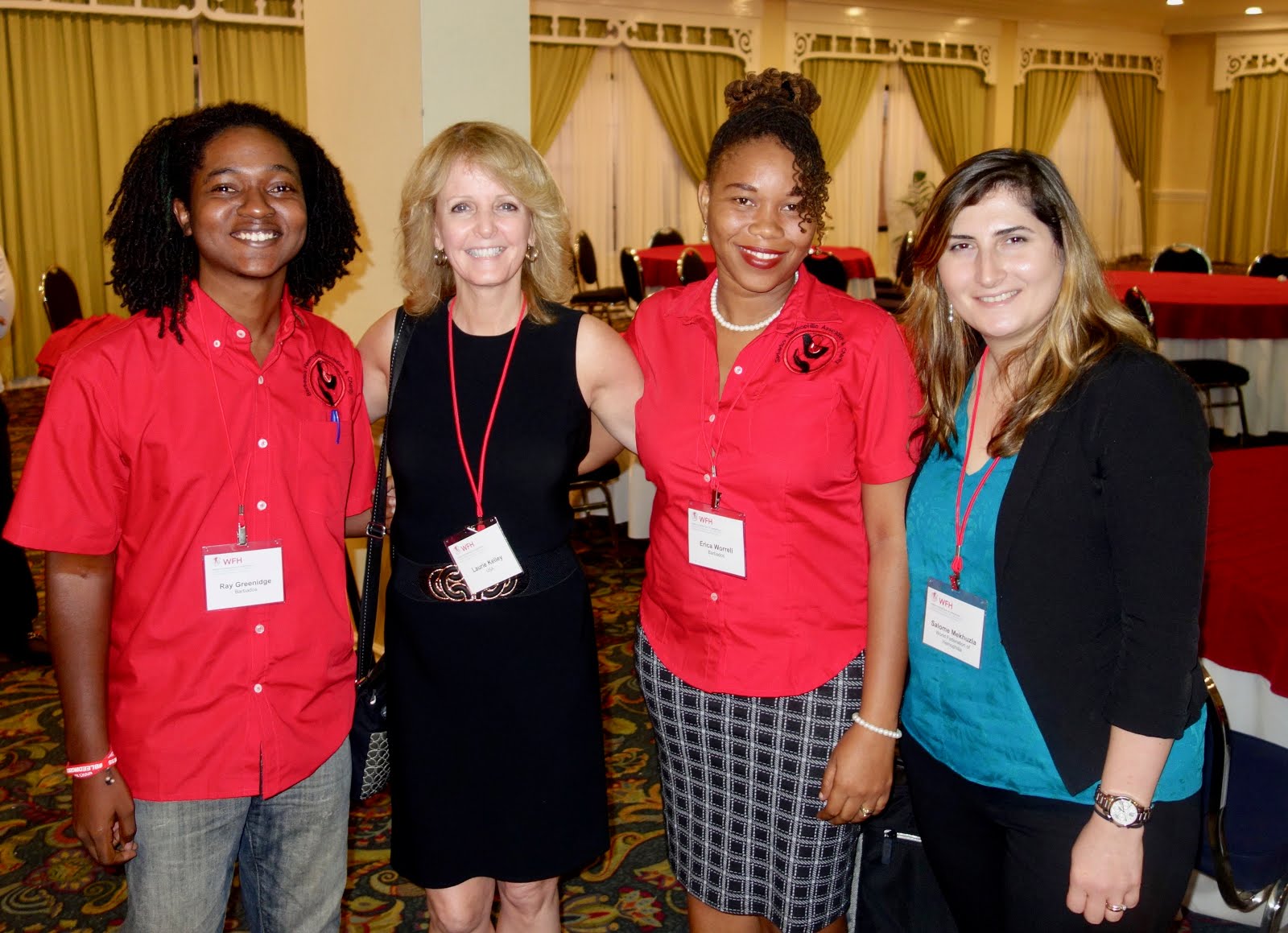
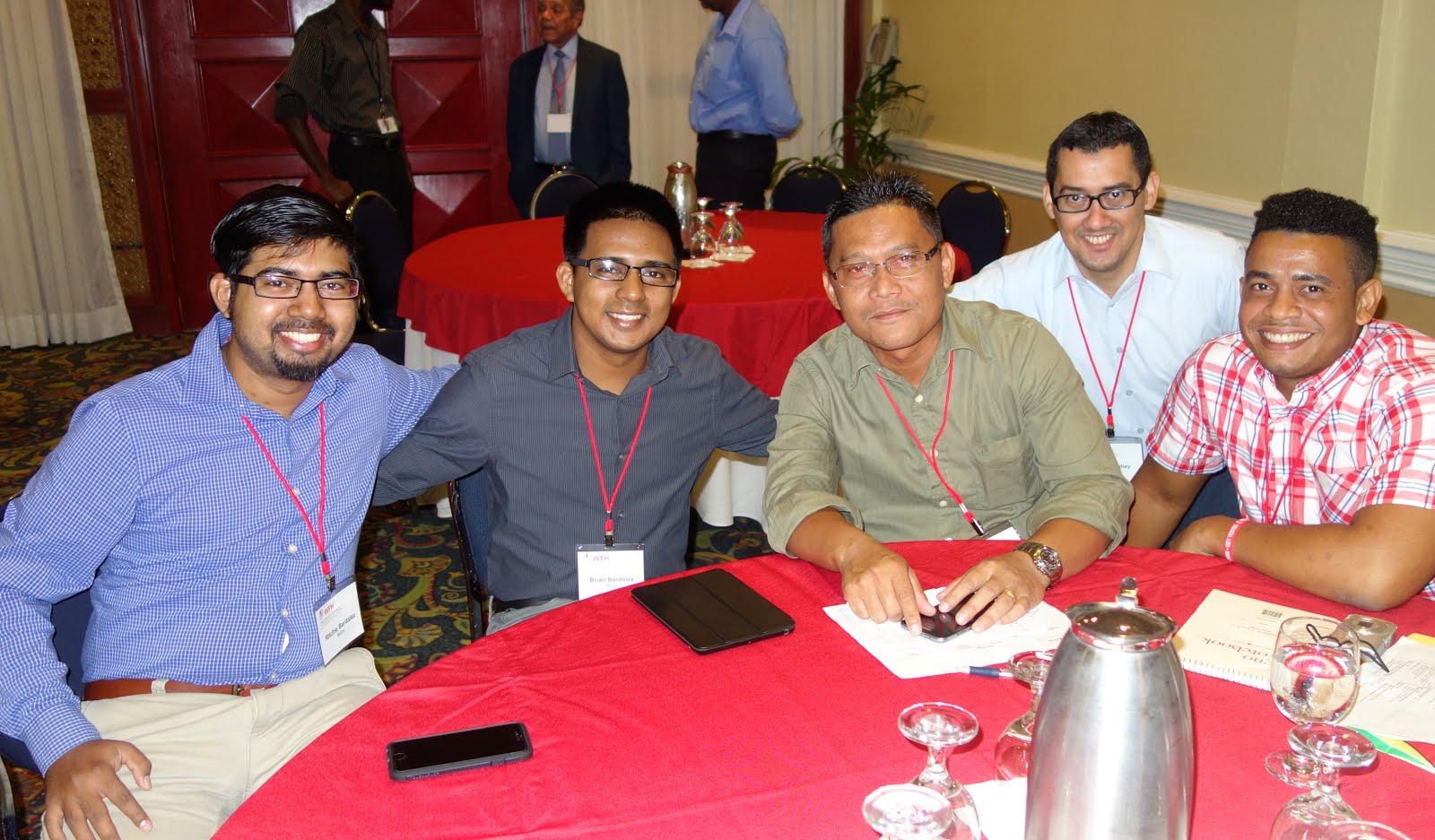
Issa from Trinidad and Tobago, a patient and fiery orator, all my colleagues
and friends from Jamaica (Denton, Alex, Kirt, Berverly, Kerry-Ann, Milton,
Tamaicka, Sharon, Gricell, and the medical staff of UWI), Laurence Bakhsh, a brave young man from Guyana who we have helped for years with factor donations—first time meeting him!
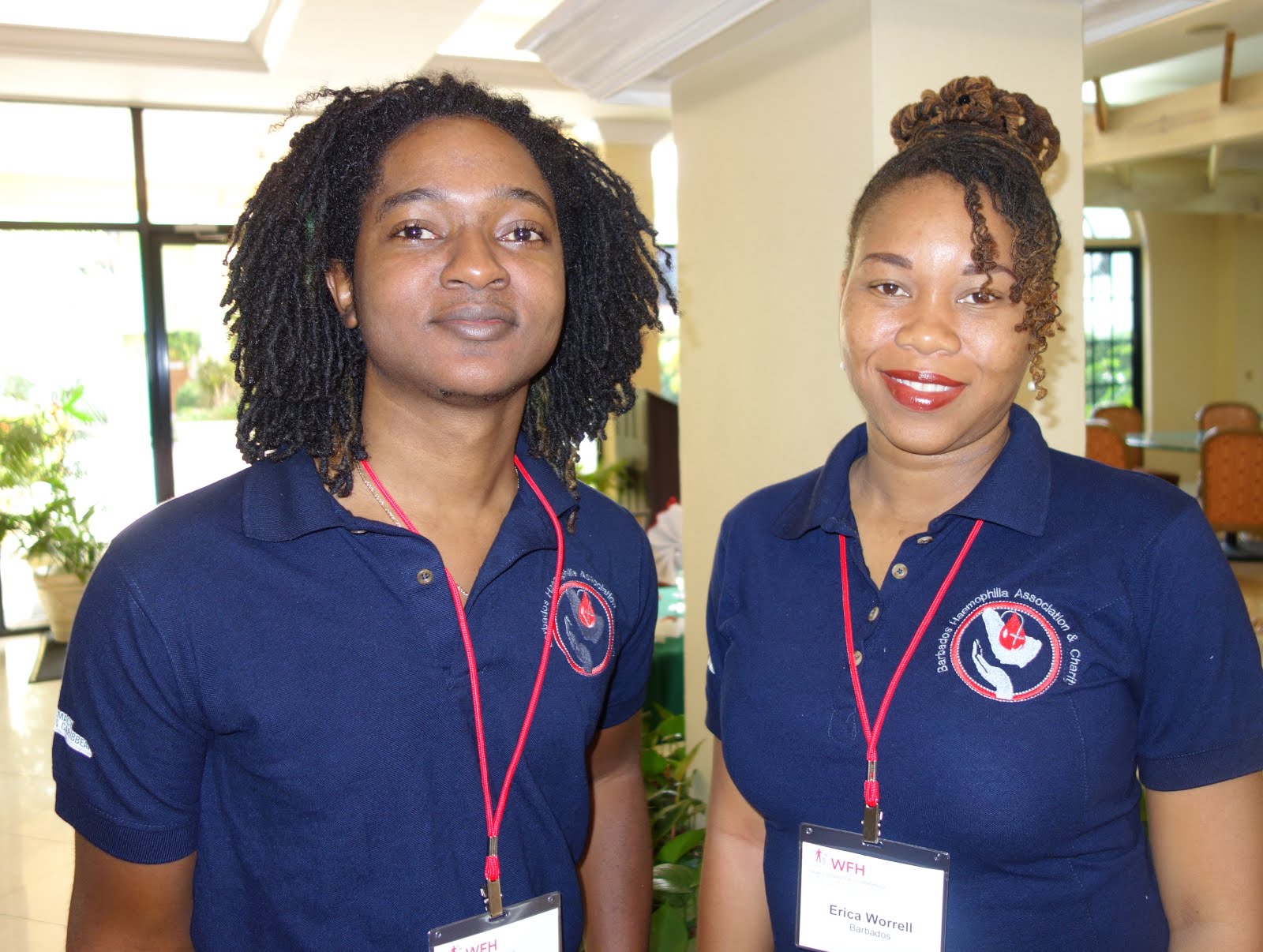
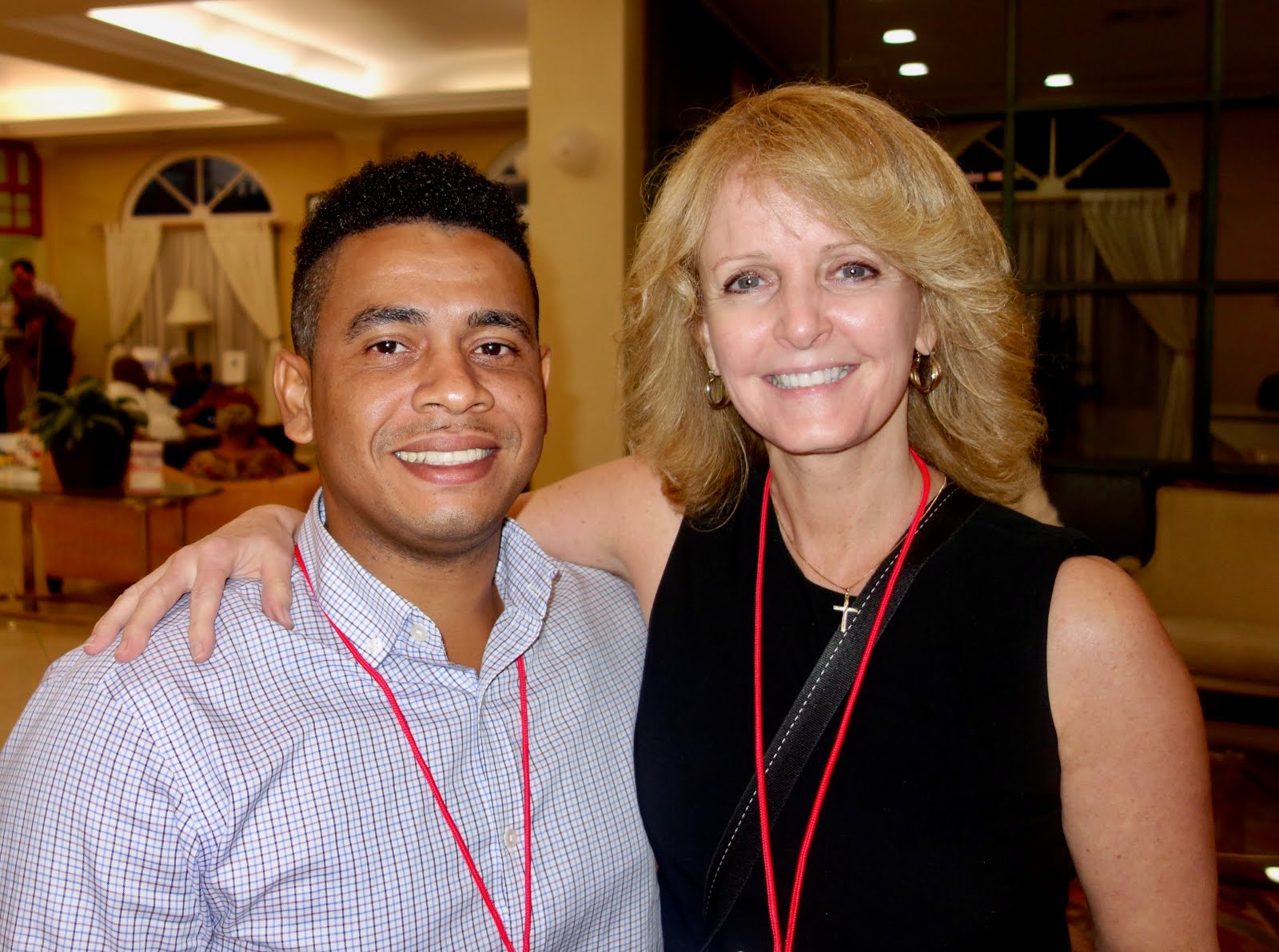
to grab the reins of the floundering national organization. She broke into tears describing how Chavez has suffered: “You physically feel their pain,” she sobbed. Now, she said, regaining her composure, there are other children who suffer and who need our help. You have to find the silver lining behind the clouds. “This is a passion for me,” she concluded. “I’m motivated to get the organization to where it should be.”
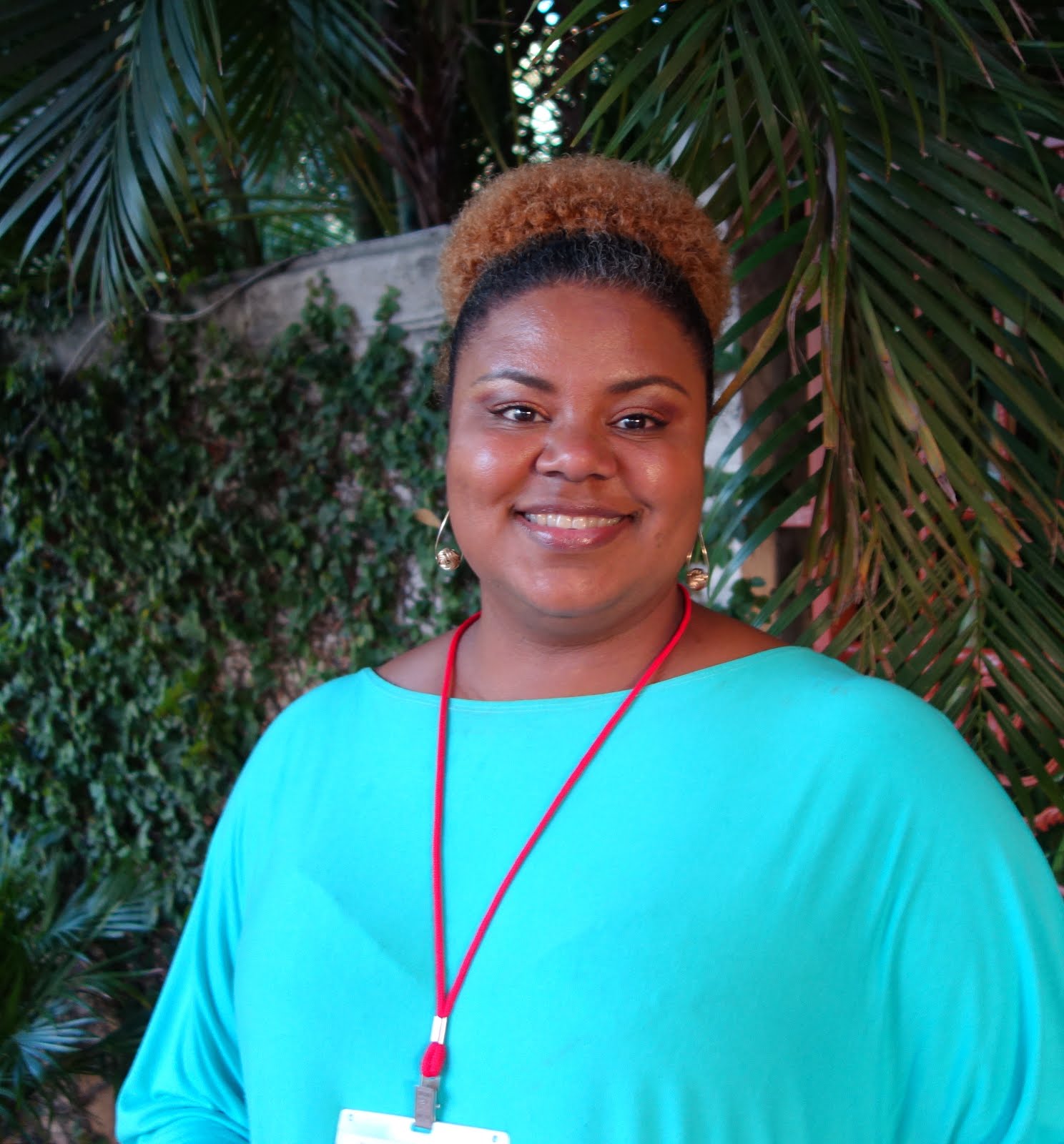
he announced.
proud to support them and volunteer when possible. It takes stick-to-it-iveness to make long term changes in hemophilia care, and this is how it happens. Unity, hard work, passion.
I Am Laith: The Science of Self-Discovery
man with hemophilia A, about how his self-perception changes throughout his
life, and how finding the right treatment made such a difference in the person he is
today.
ELOCTATE is an injectable medicine that is used to help control and prevent bleeding in people with Hemophilia A (congenital Factor VIII deficiency). Your healthcare provider may give you ELOCTATE when you have surgery.
Do not use ELOCTATE if you have had an allergic reaction to it in the past.
Tell your healthcare provider if you have or have had any medical problems, take any medicines, including prescription and non-prescription medicines, supplements, or herbal medicines, have any allergies, are breastfeeding, are pregnant or planning to become pregnant, or have been told you have inhibitors (antibodies) to Factor VIII.
The most frequently occurring side effects of ELOCTATE are headache, rash, joint pain, muscle pain and general discomfort. These are not all the possible side effects of ELOCTATE. Talk to your healthcare provider right away about any side effect that bothers you or that does not go away, and if bleeding is not controlled after using ELOCTATE.
IXINITY® is now brought to you by Aptevo Therapeutics

This
week, I’m excited to tell you about a new company made of up familiar faces within
the hemophilia B community. The people from Emergent who brought you IXINITY [coagulation
factor IX (recombinant)] are now continuing their tradition of being a different kind of company at Aptevo
Therapeutics.
information about how Aptevo is still committed to putting people with
hemophilia B first.
Aptevo Therapeutics
Therapeutics is a new biotech company focused on improving the lives of people
with bleeding disorders and cancer by combining extensive experience with the
drive to advance the science of what’s next.
connecting with people across the country to learn about their needs and continuing
to support community outreach programs that enrich peoples’ lives, our primary goal
is to provide high-quality, specialized therapies for people with rare
conditions.
it comes to the hemophilia B community, the same people from Emergent who pride
themselves on working for a different kind of company are now part of Aptevo.
while you may see a new business card, IXINITY is still the same, and you’ll
still connect with the same people you’ve come to trust.
factor IX and the company behind it.
The content of
this post is provided and sponsored by Aptevo Therapeutics.
AND IMPORTANT SAFETY INFORMATION
IXINITY [coagulation factor IX (recombinant)] is a medicine used to
replace clotting factor (factor IX) that is missing in adults and children at
least 12 years of age with hemophilia B.
is also called congenital factor IX deficiency or Christmas disease. Hemophilia
B is an inherited bleeding disorder that prevents clotting. Your healthcare
provider may give you IXINITY to control and prevent bleeding episodes or when
you have surgery.
not indicated for induction of immune tolerance in patients with hemophilia B.
You should not use IXINITY if you are
allergic to hamsters or any ingredients in IXINITY.
You should tell your healthcare provider if
you have or have had medical problems, take any medicines, including
prescription and non-prescription medicines, such as over-the-counter
medicines, supplements, or herbal remedies, have any allergies, including
allergies to hamsters, are nursing, are pregnant or planning to become
pregnant, or have been told that you have inhibitors to factor IX.
You can experience an allergic reaction to
IXINITY. Contact your healthcare provider or get emergency treatment right away
if you develop a rash or hives, itching, tightness of the throat, chest pain,
or tightness, difficulty breathing, lightheadedness, dizziness, nausea, or
fainting.
Your body may form inhibitors to IXINITY. An
inhibitor is part of the body’s defense system. If you develop inhibitors, it
may prevent IXINITY from working properly. Consult with your healthcare
provider to make sure you are carefully monitored with blood tests for
development of inhibitors to IXINITY.
If you have risk factors for developing blood
clots, the use of IXINITY may increase the risk of abnormal blood clots.
Call your healthcare provider right away
about any side effects that bother you or do not go away, or if your bleeding
does not stop after taking IXINITY.
The most common side effect that was reported with IXINITY during
clinical trials was headache.
not all the side effects possible with IXINITY. You can ask your healthcare
provider for information that is written for healthcare professionals.
Food and Drug Administration. Visit the www.fda.gov/medwatch, or call
1-800-FDA-1088.
19312
IXINITY [coagulation factor IX (recombinant)] and any and all Aptevo BioTherapeutics LLC brand, product, service and feature names, logos, and
slogans are trademarks or registered trademarks of Aptevo
BioTherapeutics LLC in the United States and/or
other countries.
© 2016 Aptevo Biotherapeutics. All rights reserved. CM-FIX-0070
Grand Evening for a Gala
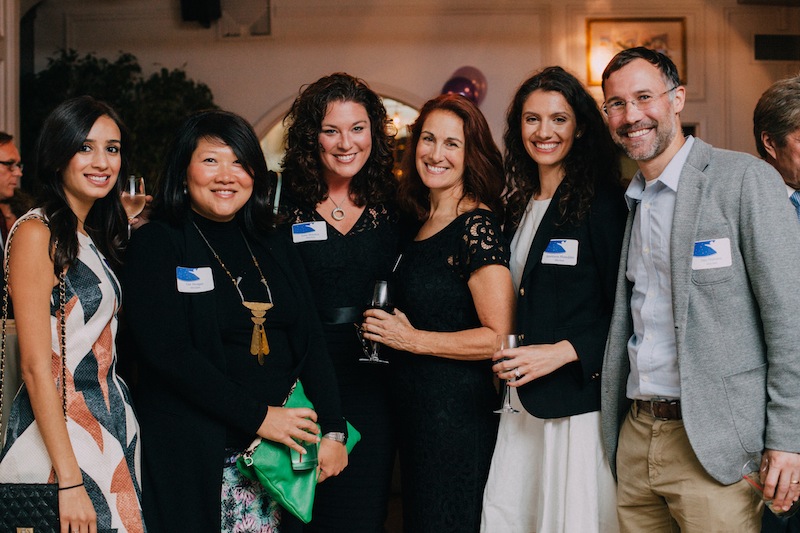
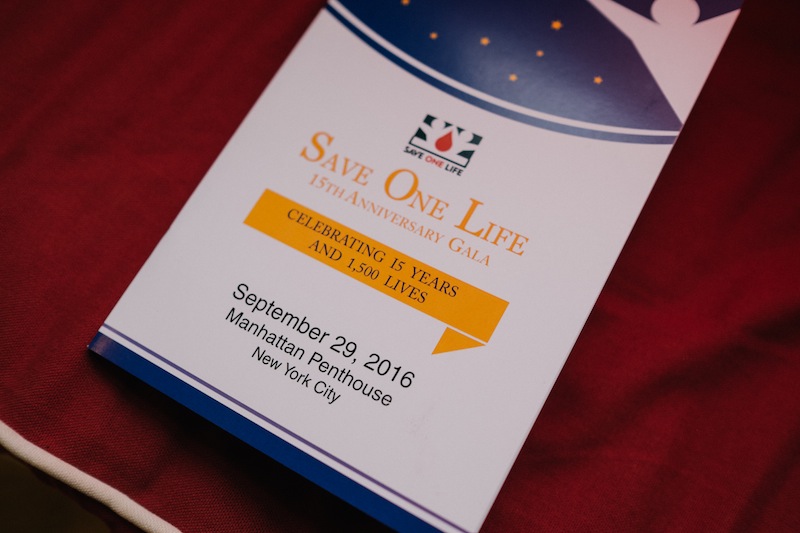 It was a chilly and moist evening in
New York City on September 29, perfect for a fall kick-off and a good reason to
warm up with friends, colleagues and a celebrity to honor 15 years of Save One
Life.
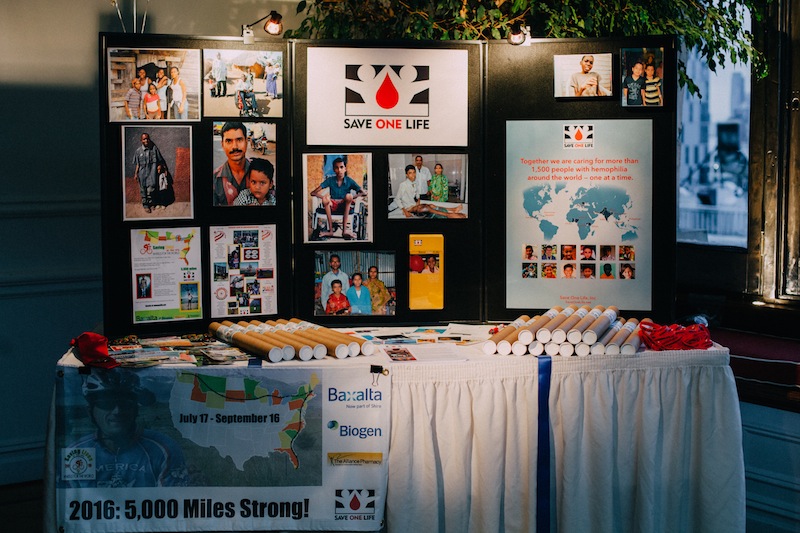
my idea to start a nonprofit to help the world’s children with hemophilia who
live in poverty had been kicking around for at least two years. We are now up
to over 1,500 served over 15 years, and we have great plans to expand our help even further.
 It was fitting to hold our celebration
in New York; to give credit where it is due, it was a New York mother of a
child with hemophilia, Lisa O’Connor, who wrote to me back in 1999, on a piece
of yellow-lined paper (yes, people did that at one time!) to suggest we start a
Save the Children-like program. I loved the idea, and the letter coincided with
a trip to Pakistan, in which I sat in the home of an extremely poor family:
two rooms, no kitchen, no plumbing, no electricity, two small children with
hemophilia. The father simply wanted extra money each month to send his son to
a good school, where he would be protected, and learn English, to get a good
job. Then he could buy factor. The cost? $20 a month, he told me. The idea
became a plan.
and colleagues came out to share our 15 years. I saw so many long term
community friends, some going back 20 years!
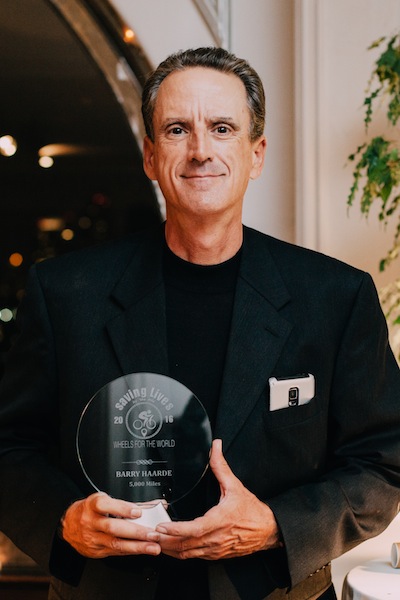 |
| Cyclist Barry Haarde |
Held at the Manhattan Penthouse, high
above the bustling city below, we gathered to have a lovely dinner, distribute
awards and honor our volunteers and supporters, and to welcome two very special
guests.
again the amazing Barry Haarde, for his fifth cross-country cycling odyssey to
raise funds for Save One Life. The 2016 journey took two months this time, and
saw Barry traverse the US from west coast to east coast, and then from north to
south! I managed to hop off Kilimanjaro in time to fly to Key West, the most
southern point in the US, to welcome Barry on Route 1, mile 0. Barry takes it
all in stride, but his efforts are Herculean. He has raised awareness as well
as over $200,000 for Save One Life over his five trips, and sponsors a child
with hemophilia from India.
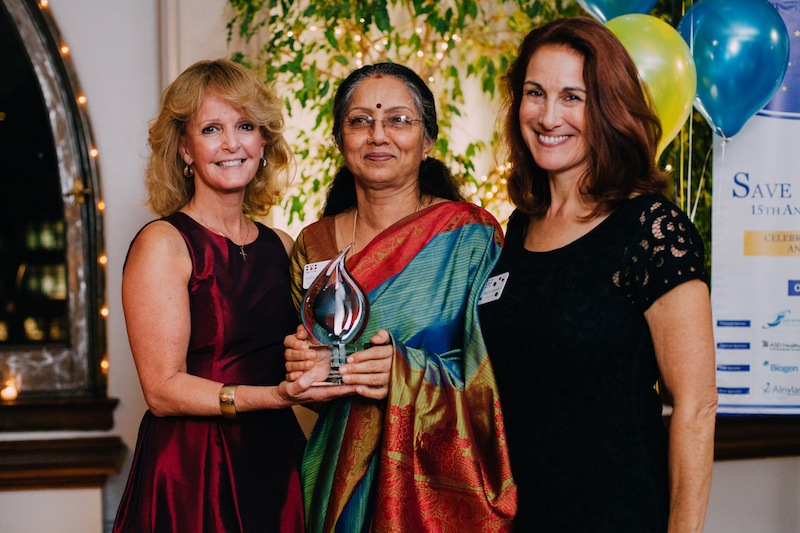 |
| Laurie Kelley, Usha Parthasarathy, Martha Hopewell |
Usha Parthasarathy received our
Inspiration Award. Usha is a dear friend and also volunteer and expert advisor
on hemophilia in India since Save One Life’s formation in 2001. Usha helped
Save One Life to organize and launch its sponsorship program in India. In 2009
Usha joined Save One Life as India program coordinator, assisting with growing
and managing our largest country, with 25 program partners and more than 830
current and graduated beneficiaries. She works tirelessly in a completely
volunteer role. Usha lost both her father to an intracranial bleed and her baby
within two years. She left a career as a national newscaster in India to devote
her life to helping those with hemophilia, and became development vice
president for the Hemophilia Federation (India). Her second son, Sudharsan, born
in 1981, is now a post doctoral researcher in the hematology division of
Children’s Hospital of Philadelphia.
member, friend and fellow-mountain climber Eric Hill, COO of Diplomat, who
sponsors 31 children, and has organized our mountain climbs to raise awareness
and money for Save One Life. His efforts have raised over $150,000 for save One
Life and Eric recently has made the first donation to our endowment fund.
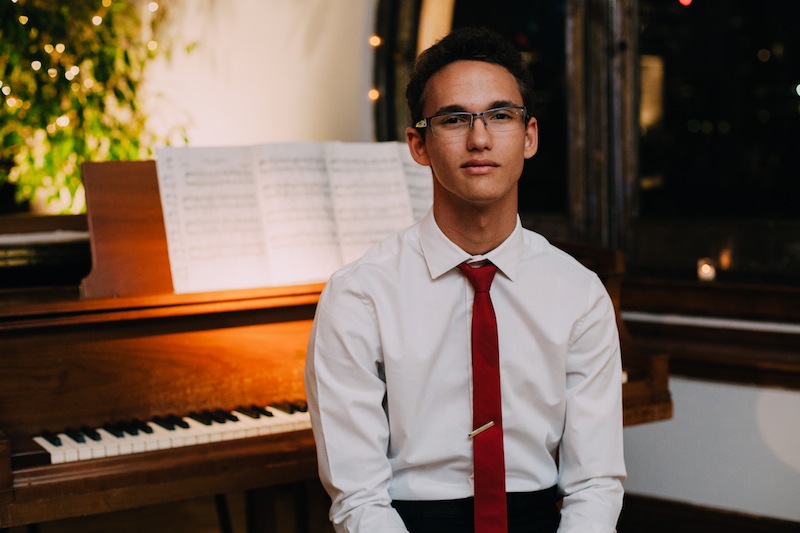 |
| Miahi of Romania |
After dinner, we were entertained by
Mihai, a lovely young man with hemophilia from Romania. He and his mother flew
all that way to attend, as our guests. Handsome, slight of build and tall, he
was introduced by my long-time friend and mentor Adriana Henderson of North
Carolina (Romanian by birth) who has devoted her life to helping the poor and
suffering in Romania with hemophilia. She explained how Mihai excelled at
playing the piano, despite the limited resources of his family, and frequent
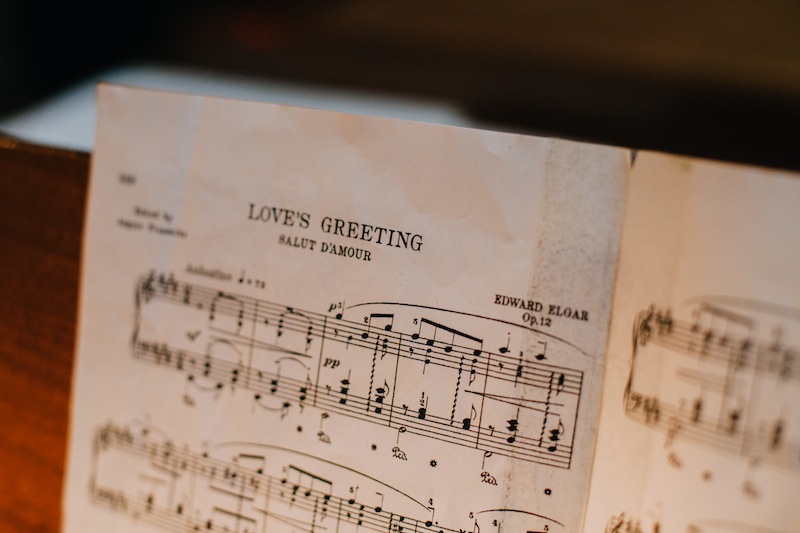
bleeds in his hands. Mihai played several beautiful classical pieces, and
ended with Chopin’s Nocturne Op. 9 No. 2, one of my favorites.
Best of all, Mihai’s sponsor, Reid Coleman of North Carolina, attended and was able to meet his beneficiary of many years!
belonged to Tony Fernández,
former shortstop for the Toronto Bluejays, and for one year, the New York
Yankees. Tony has been a long time friend to the
hemophilia community in the Dominican Republic. His Toronto Bluejays teammate
and best friend, Damaso García, has a son with hemophilia. When Damaso’s wife
Haydée De García Benoit, founder and president of Fundación
Apoyo Al Hemofílico (FAHEM), the DR’s national
hemophilia organization, asked Tony to attend their first camp in 1999, Tony
gladly said yes. The children were thrilled to have a national hero spend the
day playing baseball with them. He has since attended three camps, now called
Yo sí Puedo! (Yes I Can!) and one of the best hemophilia camps in the world!
program partner.
League Baseball career, starting in September 1983. He signed on to six teams,
setting a nine-year record for shortstops. He was awarded four consecutive Gold
Glove Awards, from 1986 to 1989, and was also named to five All-Star teams. Today
Tony is an ordained minister and founder of the Tony Fernández Foundation,
which works with underprivileged and troubled children by nurturing and developing
them through counseling, education, training, and physical and spiritual
activities.
defeated early in life; his father was a star player, but he could not even
play baseball. Tony counseled him and encouraged him to find some other way to
participate other than actually playing. The encouragement took hold. Today
Damaso is a national sportscaster for the Dominican Republic and the entire
nation tunes in to him at 5 pm daily.
Tony reminded the audience that to give is to receive, and that the world needs
our help in these troubled times. He urged everyone to pick up the envelop in
front of them, and to give. His authority, his devotion to children, made an
impact. We raised over $4,500 right after his speech, with 19 more children
pledge for sponsorship.
 |
| Tony Fernández |
offices, with David Kyne, president and founder, and Save One Life board
member, for a seven hour strategy meeting. The next 15 years will see tremendous
growth of Save One Life, and many more children reached, and lives changed.
we stay the course, the unthinkable might happen, yes, together we can bring
hope to the hopeless, just be faithful to the vision given to you by God and
He will find a way to bring it to pass.” Tony Fernández, major league
ballplayer, minister, founder of The Tony Fernández Foundation
GALLERY
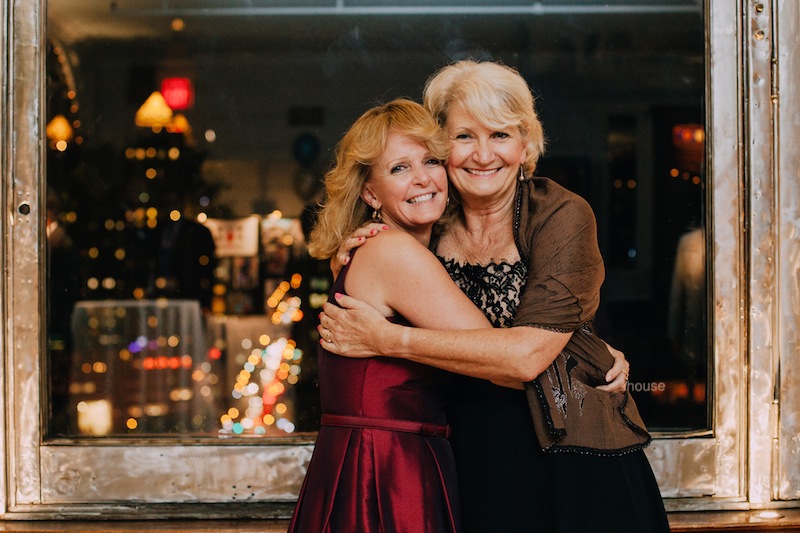
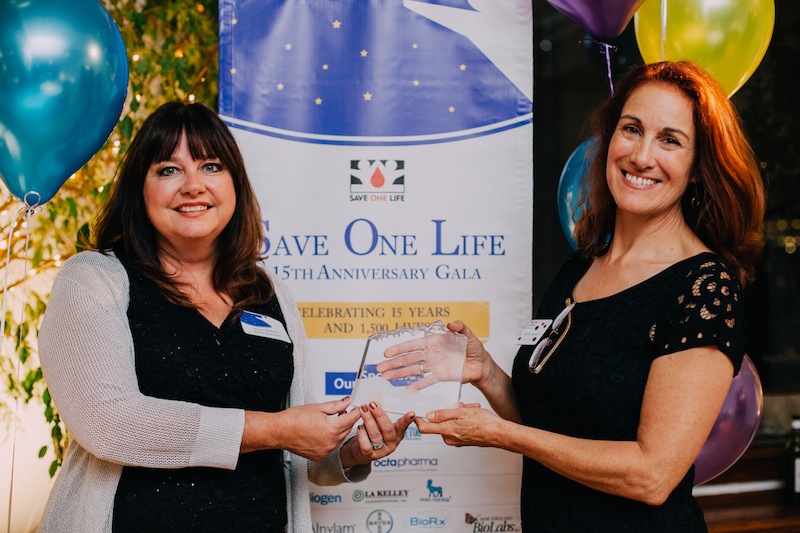




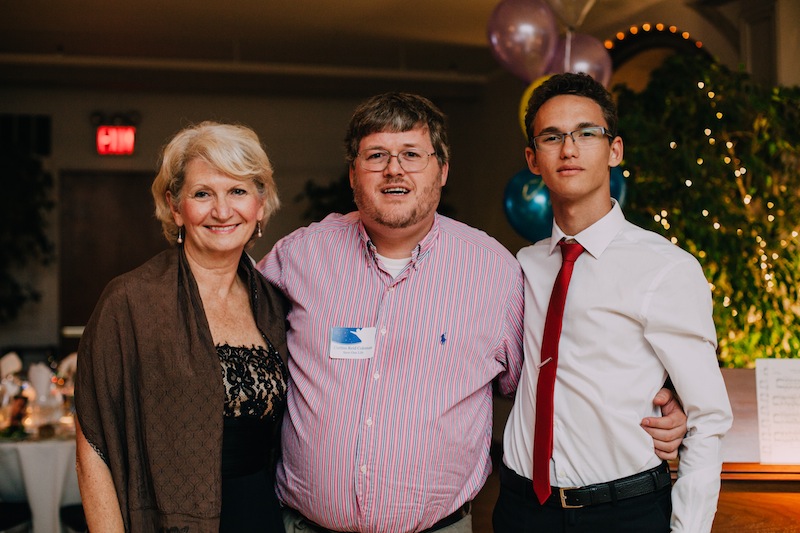



The Most Famous Hemophilia Carrier

week, a country I have not been to since 1999. So I’ve been reading two
excellent books to prepare: Peter the Great and Nicolas and Alexandra, both by
Pulitzer-prize winning author Robert K. Massie.
hemophilia myths, got me thinking: Do you know who the most famous carrier of
hemophilia was? Hint: It’s why hemophilia is dubbed “The Royal Disease.”
Victoria of England, one of England’s longest reigning monarch. Her 63-year reign became known as the Victorian era, and was the longest reign until
September 9, 2015, when Queen Elizabeth II surpassed her. Her era saw British
power at its zenith across the globe; Victoria believed that the British Empire
existed to civilize people in less developed countries and to protect them from
their own rulers and the aggression of neighboring rulers. Others saw the
purely commercial aspect of this world domination of lands and trade routes.
her first cousin, Prince Albert of Saxe-Coburg and Gotha, in 1840. Over the
next seventeen years, she and Albert had nine children: Albert
Edward, (b. 1841), Alice (b. 1843), Alfred (b. 1844), Helena (b. 1846), Louise (b. 1848), Arthur (b. 1850), Leopold (b. 1853) and Beatrice (b. 1857).
The last child, Beatrice, was delivered under the care of Dr. John Snow, who
later became the founder of modern public health by discovering the
transmission mechanism of cholera (infected water). Snow used anesthesia on
Victoria, thus giving her pain-free childbirth for the first time! While Snow
did not invent anesthesia, he created a more convenient and safer way to administer
it.
political reasons), Victoria was called “the grandmother of Europe,”
and indeed was called “Granny” by all her grandchildren and their spouses.
royal family before, but Victoria carried the gene for hemophilia B. Only
Leopold had hemophilia; two daughters, Beatrice and Alice, were carriers. They
later transmitted hemophilia to the Spanish and Russian royal families.
affectionate yet stubborn prince, whose willfulness often led to injuries and
bleeds, according to author Massie. The Queen was unusually attached to her
son, and worried over him incessantly. Victoria reported in one letter that
Leopold had been at death’s door four or five times. Eventually Victoria tried
to keep him confined to the upper floors of Buckingham Palace for his own
protection, even as a man! But he managed to get away to Paris for two weeks.
Eventually at age 29, he fell in love with a German princess, Helen of Waldeck.
They had a daughter. When Helen was pregnant a second time, Leopold fell,
suffered a brain hemorrhage and died at age 31.
sons,” she lamented.
biographers, Victoria wrote an average of 2,500 words a day during her adult
life, and kept a detailed journal, which eventually encompassed 122 volumes. From this we
learned a bit about hemophilia in those days. The
Queen didn’t know what type of hemophilia her son had or if there even were
types; only much later, through genetic testing, was the family found to have
hemophilia B. While the mechanisms weren’t entirely understood, the royal
family knew that hemophilia could be passed down from generation to generation.
And it was; when it hit the Russian royal family, it would change the world.
For more information, read Robert K. Massie’s excellent books, or view “Nicolas and Alexandra,” a major motion picture and excellent portrayal of the last years of the Russian monarchy. Available on Amazon.com. Robert K. Massie also has an adult son, Robert K. Massie, Jr., who was later cured of his hemophilia through a liver transplant. His life is exquisitely portrayed in the book Journey.