Hemophilia Awareness Month

Catch Their Eye: Visuals Matter!

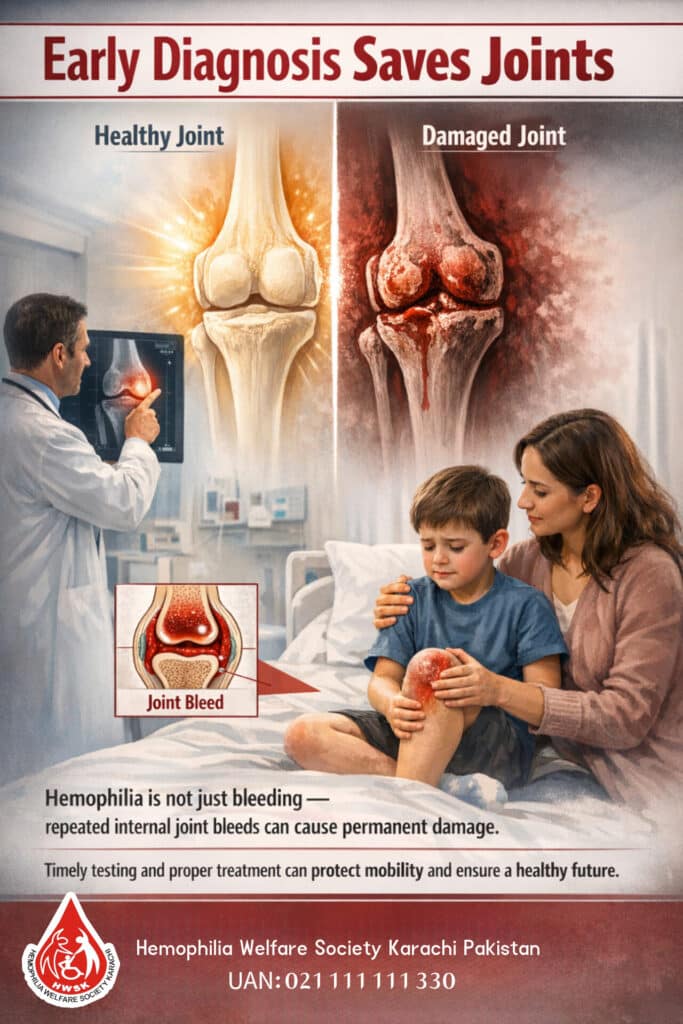
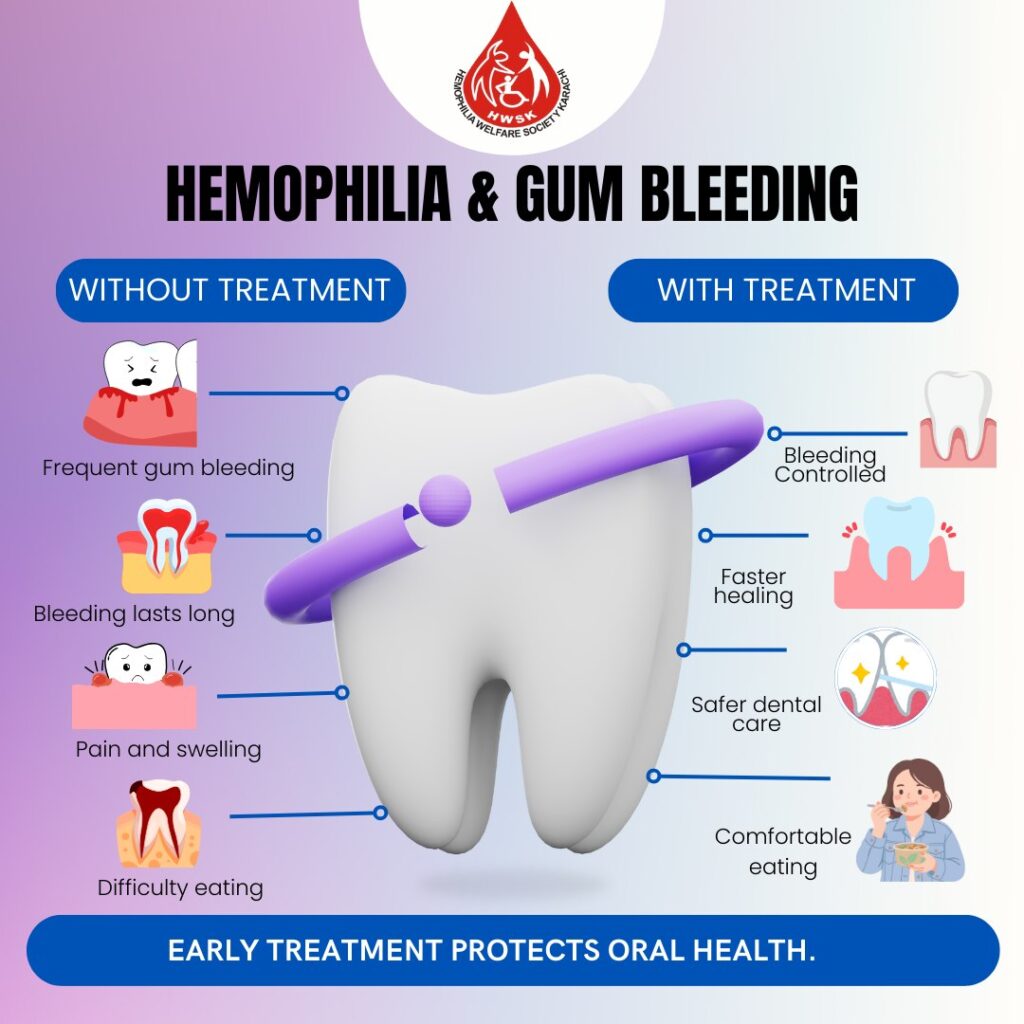
Almost all humans, regardless of culture or literacy level, absorb information best when it’s presented visually. Advertisers know this well: they want us to buy what they’re selling, so they must grab our attention quickly using colorful, creative, emotional images that persuade us to act immediately. This is even more important currently, given how quickly people scroll and are bombarded with ads and shows.
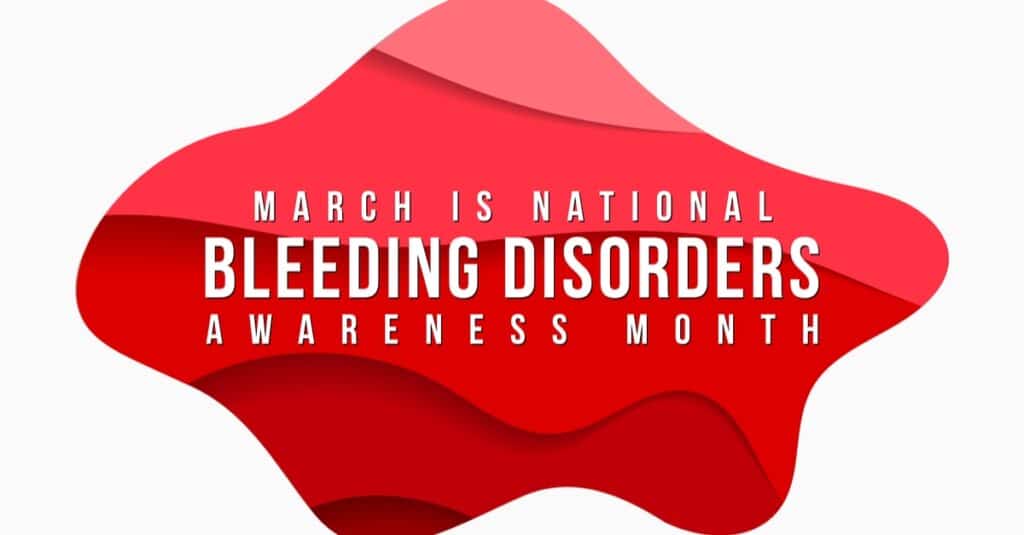
Visuals can include posters, memes, slides and photos.

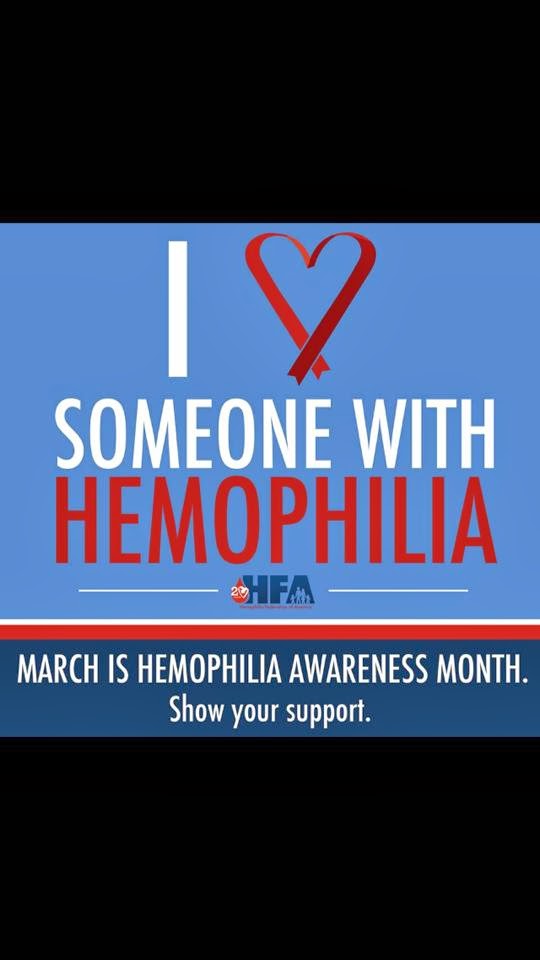
When does the bleeding disorder community use visuals? Well, it’s March—Hemophilia Awareness Month, now referred to as Bleeding Disorders Awareness Month. You might be trying to get people’s attention to educate them about hemophilia, in order to secure donations, or to advocate for better health care. Visuals get attention: they can help educate. But mostly, they can or should generate emotions. You need to decide what emotions you want to generate with your visual.

Here are a few tips for creating effective visuals:

Photos: Be sure to capture life and movement—children are always captivating—and varying camera angles. Avoid long-distance shots. Place photos in several locations on the page, or angled to create interest. Don’t overdo it! Graphics can be fun, but may clutter the page. The more photos, the less effective they are. Keep them to a minimum so your readers can easily absorb your information.

Color: Certain emotions can be associated with certain colors. Red is the color universally used in the bleeding disorder community for obvious reasons. But look at these and ask: what emotions do I want felt when people look at my visual?

Red: power, danger, intensity, life, impulsiveness, blood, passion, speed

Orange: power, energy, fire, warmth, cheerfulness

Blue: calm, peace, tradition, spirituality, water

Green: growth, health, money, balance, quiet, nature, environment

Black: power, authority, mystery, evil, death

Gray: elegant, established, classic, mature, intelligent

Yellow: wisdom, warmth, cheerfulness, idealism, caution, energy, speed

Brown: earthy, basic, simple, plain, natural

White: pure, peaceful, cold, clean, honest

Purple: royal, valuable, ceremonial, traditional

Typeface: Even though you may be designing a visual, you may use some words. Typeface refers to a distinct design of characters and symbols, and fonts, like Arial or Times New Roman. Typeface is available in different weights and styles. Weight refers to the thickness of lines used to form the letters; heavier weights are thicker and look darker. Style or font refers to a variation in the basic design, like bold or italic. Make sure the typeface you choose is readable— avoid fancy italics or script. Choose one that produces the positive associations that contribute to your message in the visual.

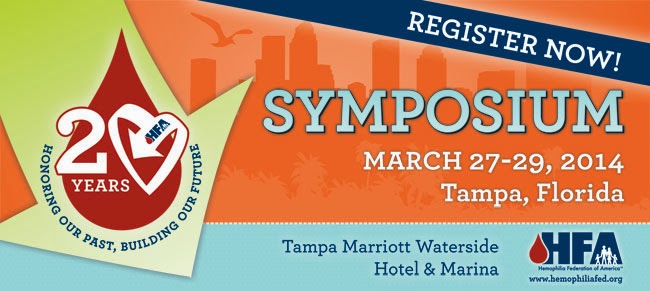
Look at the great visuals below, and ask yourself: What do I feel when I view each one? Which ones am I drawn to, and why? Which are most effective for educating, and why?

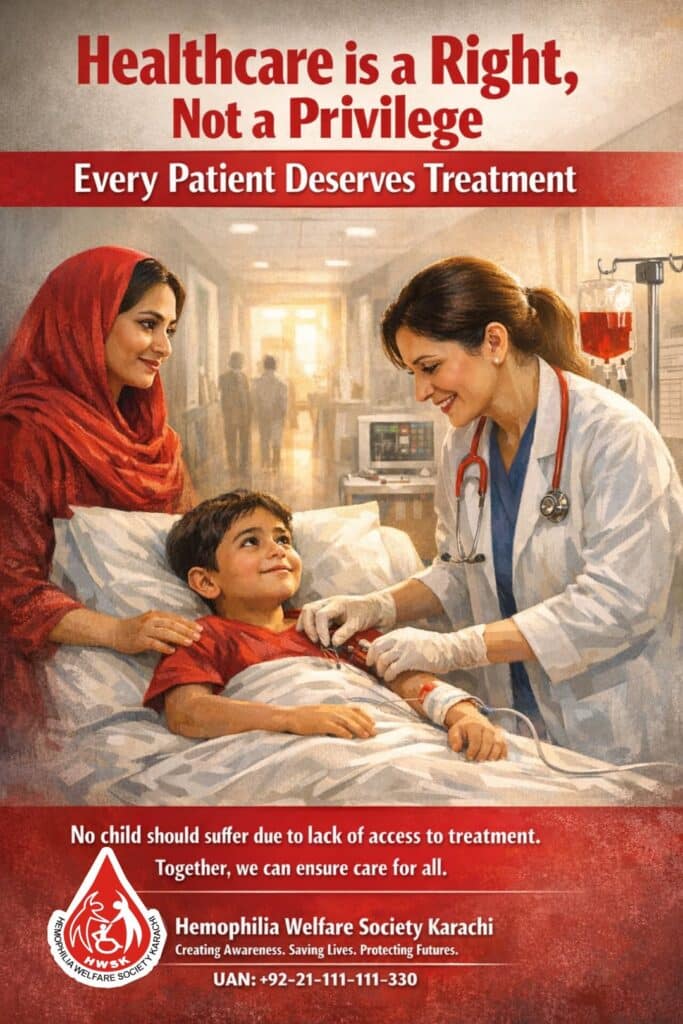
Good luck creating your visual for Hemophilia Awareness Month, and maybe in April for World Hemophilia Day on April 17!

U.S. Presidents and Hemophilia

Monday, February 19, is President’s Day, which used to be called Washington’s Birthday, in honor of our first president. It got me thinking about whether U.S. presidents have any connection to hemophilia. For the sake of history—our hemophilia history—you should know that they do.

Thanks to the advocacy efforts of the national hemophilia community, President Ronald Regan, our 40th president, issued on February 21, 1986, a proclamation declaring March “Hemophilia Awareness Month.” This was, of course, at the height of the national blood infection scandal—it took Regan’s actor friend Rock Hudson to come out as homosexual and share publicly that he had HIV for the Regan Administration to finally pay attention to what was happening. That is a whole story in itself (Read And the Band Played On to learn the history). It was a dark time, still remembered by many of us.

But the proclamation at least gave our community national, positive recognition.

Now, we celebrate advances made in treatment and technology. And as our community becomes more inclusive, it is called Bleeding Disorders Awareness Month. Read the original proclamation below…

February 21, 1986

By the President of the United States of America

A Proclamation

Hemophilia is a genetic disease in which the blood will not clot properly because a specific clotting factor is missing or defective. It is almost exclusively a male disease, affecting one of every four thousand live male births, regardless of race, nationality, or family economic status.

Significant advances have been made in the diagnosis and treatment of hemophilia. Methods of early diagnosis provide the means to institute preventive measures at an early age. Modern blood fractionation technology provides a moderately priced, readily available supply of the needed clotting component for those who must have regular infusions. Still, hemophiliacs face a life of unpredictable medical complications that may result in disability or death.

Proper medical treatment for the hemophiliac, and public awareness and acceptance of this medical condition, will allow the individual to live a normal, productive, and independent life and will dispel many of the common misconceptions of the disease.

To stimulate public awareness about hemophilia and to encourage the development of improved techniques of diagnosis and treatment, the Congress, by Senate Joint Resolution 150, has designated the month of March 1986 as “National Hemophilia Month” and authorized and requested the President to issue a proclamation in observance of this period.

Now, Therefore, I, Ronald Reagan, President of the United States of America, do hereby proclaim the month of March 1986 as National Hemophilia Month. I invite the Governors of each State, the Commonwealth of Puerto Rico, the officials of other areas subject to the jurisdiction of the United States, and the American people to join me in reaffirming our commitment to finding better ways of helping those afflicted with hemophilia.

In Witness Whereof, I have hereunto set my hand this twenty-first day of February, in the year of our Lord nineteen hundred and eighty-six, and of the Independence of the United States of America the two hundred and tenth.

Ronald Reagan

Hemophilia Awareness Month

In the US, this is Hemophilia Awareness Month, a chance for us to let others know who we are and what we need. Our community just did that last week on Capitol Hill, storming the hallowed halls and meeting with state representatives and senators when possible, to inform them about bleeding disorders and mostly about our funding needs.

I participated for the first time last year and loved it. An illness kept me away this year (all better now!) and how I missed it! I was so impressed with the event. It’s a chance for all of us, well known and not so well known, to share our stories. In fact, it’s most impressive when the average mom and dad, and even their children, meet with Washington folks to tell them about life with hemophilia.

Visit the NHF website (www.hemophilia.org) or HFA website (www.hemophiliafed.org) to learn more.

Speaking of HFA, what a fabulous website they have! And their annual meeting is coming up on March 27 in Tampa, Florida. While there are no scholarships left to support attending, if you can at all try to attend, please do. It’s a very different flavor than the NHF events. Both are great, but different.

What can you do for Hemophilia Awareness Month? First, learn more about the disorder yourself. It’s hard to have others appreciate what you endure if you don’t have a ready and coherent “script.” I was on Facebook most of the weekend contacting the many people who have reached our to me this past year, sorting out who is actually related to hemophilia, to keep them as friends. Some are first-time parents of a child with hemophilia and I am delighted to send them our educational materials.

Second, check in on our website (www.kelleycom.com), as well as NHF, HFA, PSI (www.youneedpsi.org) and your local hemophilia organization. Make it a habit every couple of weeks to check out a new website. There are so many!

Try to attend a hemophilia event. It might be the HFA one in March, the NHF one in Washington DC in September, or maybe a local one near you. Meet families, meet physicians, meet factor manufacturer reps. The bottom line is–get active and involved! We need you and the world needs to know about hemophilia. Help pave a great future for your child starting this month!


March is Hemophilia Awareness Month


March is a wonderful time for promoting and educating the public about hemophilia–it’s our official month! NHF just had Washington Days, which I, yet again, could not attend! I heard it was great; at least my friends all went and had fun without me.

While googling March and hemophilia, I came across this great PSA by Newt Gingrich and sponsored by Factor Foundation of America, the nonprofit founded by my friend Dave Madeiros, who passed away five years ago, Feb. 29. Dave was a visionary, light-years ahead of his time. How different things would be if he were with us today. View this–still relevant even now.

http://noolmusic.com/google_videos/newt_gingrich_and_hemophilia_awareness_month.php

It’s a great month because our boy from Zimbabwe, Elton, had surgery on Friday in Chicago and is doing great! See photos of this child from an impoverished home, who has lost his father, 29-year-old brother to TB, and 25-year-old sister from meningitis just this past year, and who suffers from the devastating effects from untreated bleeds. He is doing great and is going to be fine. I am flying out to see him on the 25th, days before he is scheduled to go back home. There will be a lot of tears then, as everyone has fallen in love with this gracious and gentle young man.

And it’s a great month because a little 8-year-old orphan with hemophilia A in China, who is without home, parents and treatment, is having a lot of people inquire about adopting him! I have great faith he will find a home with a wonderful American hemophilia family. I am not allowed to show his photo, but he is adorable. Thin, wiry and mischievous, just as a boy should be.

Please share your activities for Hemophilia Month and please go to the blog about Elton and leave a comment! I am sure Elton would love to hear from you as an American!

HemaBlog Archives
Categories