Inhibitors

World’s First Inhibitor Book Published


Three years in the making, and it’s finally here–Managing Your Child’s Inhibitor, the world’s first book on inhibitors. At 279 pages, this is a comprehensive look at everything parents and patients need to know about so many aspects of inhibitors. From ITI to pain management, from insurance to attending school, this book weaves together advice from over 40 families with hemophilia, and includes the latest research and knowledge to give you a guidebook through every stage of inhibitor management.

The book is authored by me and my friend and colleague Paul Clement, who also has a son with hemophilia. The idea for the book was born during the Novo Nordisk Consumer Council meeting of 2005, after I heard the anguish, the suffering and saw the tears of so may families with inhibitors. I couldn’t believe what I was hearing. It was as though inhibitors were a separate disorder. I didn’t know people with hemophilia still suffered like that in the US.

As you may know, an inhibitor is an antibody the blood makes, directed against factor VIII or IX. The body doesn’t recognize the infused factor as belonging to the body–it sees it as a foreign invader and mounts an attack. The body produces antibodies which latch on and neutralize the infused factor. It renders it useless, and the blood continues to bleed. Very scary.

I learned so much creating this book: about pain management, different protocols, and the different products. But most of all, the incredible strength of people with inhibitors and their families. They are truly heroic people. I hope the book is a testament to their courage, and also helps give guidance to families new to inhibitors, so they can learn from their peers, and find the best route to elimination or at least management of the inhibitor.

My thanks to Novo Nordisk, which gave us an unrestricted grant to research write and publish this book. Novo Nordisk is the manufacturer of NovoSeven® RT, a bypassing agent used in the treatment of acute bleeds in patients with hemophilia and inhibitors.

You can order the inhibitor book via our website at https://www.kelleycom.com/books.html

Spotlight on Inhibitors: Novo Nordisk CEO Visits US


Last week I had the unique pleasure to meet, along with three other community patient representatives, the CEO of Novo Nordisk, Lars Rebien Sørensen, in the Princeton, New Jersey offices of Novo Nordisk US. To my knowledge, this is the first time he has met with patients from the American hemophilia community. Novo Nordisk is a leader in diabetes therapies, and also the only provider of recombinant factor VIIa for the treatment of inhibitors in hemophilia.

(Photo, left to right: Eddie Williams, Ashley, Schlander, Jurek Gruhn, Laurie Kelley, Mike O’Connor, Lars Sørensen)

With me were Mike O’Connor, chair of NHF and former person with hemophilia—Mike is one of only a handful of people cured of hemophilia through a liver transplant. I’ve known Mike for many years. Also attending were Schlander and Ashley, two great ladies who both served with me on the Novo Nordisk Consumer Council.

From the Novo Nordisk side, we also had quite a few attending, including Jurek Gruhn, President, and Eddie Williams, Vice President, Novo Nordisk US.

So we had a nice reunion as colleagues and friends, and then sat down to a working lunch.

I had learned a few things about Lars before meeting him, such as his passion for cycling. He competes in the Death Valley biking race each year, which sounds terrifying. I’ve read about the infamous ultramarathoner Dean Karnazes and his running Death Valley–his sneakers literally melt on the tar in the 120 degree heat so he runs on the white strips on the highway, in a white reflective space suit to deflect the heat. Hard core athletes. I had just bought my first racing bike two years ago, and we chatted about biking, though I admit I am a bit intimidated by its engineering, and after taking a spill on a major road.

After introductions, I offered some statements from inhibitor families who wrote in a few days before to express comments directly to Lars:

Doris wrote: “Thanks to NovoSeven, my husband was able to have successful hip replacement surgery last September 1. Not in his wildest dreams would he have ever imagined that he would be able to have surgery and live through it. We just want to thank you for developing this wonderful product.”

Karen wrote: “What would I say to the CEO of Novo Nordisk, Lars Sørenson? Well, first and most importantly, I would say thank you from the bottom of my heart. Our son, Michael, now 17, wouldn’t be here without NovoSeven.” And John wrote, “You might tell Mr. Sørensen how grateful our family is for the $2,500 scholarship our son received from his company this year. When you have a bleeding disorder and are used to physical trials and disappointments, receiving a scholarship is a huge lift.”

Some also wrote and asked about the high cost of the product. We had a discussion about healthcare reform, as Mike was just back from NHF’s Washington Days, where 350 of our community attended. Mike reported that the discussion was all about eliminating lifetime caps and pre-existing condition discrimination. With no caps, of course, cost of product would not be such a problem for so many.

Lars and his executive team listened intently, especially about the daily realities of living with inhibitors, which Ashley shared. Infusing every two hours, as prescribed, is very disruptive. He shared a slide that showed new Novo Nordisk products in the pipeline, and one of these is a long acting version of NovoSeven. (See also our latest issue of PEN which details all the new products being explored: https://www.kelleycom.com/newsletter.html)

We wish to thank Lars Sørenson and his team at Novo Nordisk for the privilege of meeting, and applaud his spending time with members of the community, to hear about their needs.

Of our meeting, Lars and his team writes:

We had the privilege last week to meet with members of the US hemophilia community. For those who follow Laurie’s blog regularly, you probably know a bit about this meeting. Novo Nordisk is listening….listening to the wishes, needs, concerns and challenges of people who take our medicines and their loved ones, the physicians who care for them, advocacy groups who drive for change, policymakers who govern how care is delivered, and our employees who make it possible for us to do what we do. We are doing this because we want to be a better company— a better healthcare partner.

It was a very enlightening discussion with Laurie, Michael O’Connor, chair of NHF; Ashley, a mom of two young boys with hemophilia and inhibitors; and Schlander, a woman who cares for her older brother with hemophilia and inhibitors. We were very moved by the discussion, and reminded why it is so important to stay connected to those we serve. Our only regret was that we couldn’t meet personally with more of you. But thanks to Laurie and her network, we did hear from many of you. Laurie shared letters from several of you and the “wish lists” you provided. We know that the challenges and decisions you face are extraordinary and even overwhelming at times. We heard you. You have our promise to strengthen our commitment to you and do our best to expand it where we can.

Sincere thanks and warm regards,

Lars Rebien Sorensen, CEO and President, Novo Nordisk A/S
Jurek Gruhn, President, Novo Nordisk US
Eddie Williams, Vice President, BioPharmaceuticals, Novo Nordisk US

Great Book I Just Read
Ada Blackjack: A True Story of Survival in the Arctic by Jennifer Niven
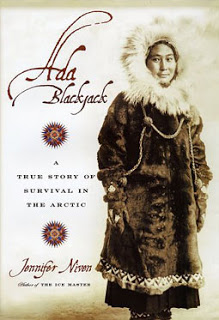
Another polar survival story (I have a huge collection) and this one is brilliant. But I’m a fan of Niven’s anyway. We pick up after the disastrous Karluk expedition of 1913. Explorer and unethical, shameless self-promoter Vilhjalmur Stefansson is planning a new attention-getting scheme in 1921: to sail to, explore and claim Wrangle Island for Canada. He lures four men into his service (two who have never stepped foot in the Arctic!), with nebulous contracts, inadequate provisions, sickly sled dogs and one impoverished, 23-year-old Eskimo woman named Ada Blackjack, to serve for a year on Wrangle Island. The young men are starry-eyed and eager to make their names; Ada simply wants to earn enough to help get her five year old son treatment for his tuberculosis.

Despite Stefansson’s assurances of plentiful game, the uninhabited island is almost barren. When winter sets in, they are tested as never before in their lives. And Stefansson, who didn’t even go, simply puts them out of his mind as he continues to do speeches and scheme new schemes. Eventually starving, three of the men head out to get help, leaving one behind seriously ill with scurvy, and Ada. The story of how she fended for herself should give anyone courage; she survives, but only to face a media circus surrounding the events of her two-year stay. She is hunted, harassed and used. The aftermath of the trip is as amazing as the survival story itself. Survival of a different kind, from the blood-thirsty public and money-hungry rescue operators. This is an inspiring story of a dignified woman who survives horrific circumstances, and is immortalized forever by Niven. And rightly so. Three stars.


Wanted: A Few Good Inhibitor Patients

I just returned from Miami, where I attended the first 2009 Consumer Advisory Council with Novo Nordisk. This is our fourth year, and it just keeps getting better! I spent all day Thursday, from 8 am till 4 pm, with about 12 inhibitor patients and family members, along with representatives from Novo Nordisk. The Consumer Advisory Council covers topics of direct interest to inhibitor patients and family members, and offers them a chance to give feedback directly to Novo Nordisk. The Council meetings allow Novo Nordisk to share product and treatment information, solicit suggestions and brainstorm together on meeting the needs of the inhibitor community.

It’s vital for consumers to have a direct line to the manufacturers; in this way they are able to express their concerns, needs and hopes. And it’s more than just lip-service. What has been presented in the past through the Consumer Council has become a reality in some programs and educational brochures for patients.

For instance, the Uninhibited Achievement Awards (UAA) were created through the Consumer Council and honor individuals in the inhibitor community. In addition to an award, a donation is made to the winner’s favorite charity.

So, we are looking for a few good inhibitor patients!

By August we want to nominate a patient with an inhibitor who meets the criteria of the UAA awards. Know someone with an inhibitor who is courageous, hard working, and achievement-oriented despite so many medical obstacles? Go to http://www.changingpossibilities-us.com/changing/index.asp and fill out an application! It’s easy, and will be well deserved.

Also, in 2010 we will need new members for the Consumer Advisory Council. If you know someone who might be interested in participating, contact and let us know. Council members must be a person with an active inhibitor or their caretaker (parent). It’s a chance to travel, work as a team, consult with a pharmaceutical company, and get your voice heard.

Good Book I Just Read
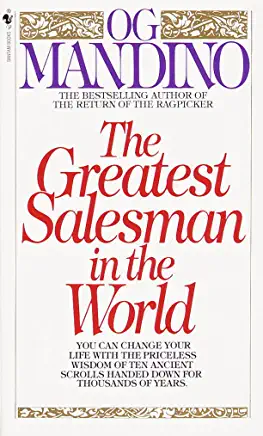
The Greatest Salesman in the World by Og Mandino

This little gem is considered a classic in the field of motivation and business. First published in 1964, it may read a little dated but its principles are timeless. The entire book is a parable, and the business principles of selling are presented as ancient, secret scrolls. Hafid is a wealthy, elderly man, living in Damascus, Syria, at the time of Christ. He is known as the greatest salesman in the world. As he nears death, he decides to liquidate everything he owns–millions. He has Erasmus, his faithful servant, sell off everything except for some money to see him through to his death. But he shares with him a secret, which he says is worth more than the jewels, money, millions he has made. Ancient scrolls, passed on to him from the previous greatest salesman, have been waiting to be revealed to the next greatest salesman. Hafid shares the scrolls with Erasmus, warning him they must give these ancient scrolls only to someone exceptional, someone seeking to be the greatest salesman in the world, even if he did not at first know it. How would they know who it is? Some sign would alert them.

At only 100 pages, this little book can be read in a few hours, and is packed with wisdom (even though I found the writing to be a bit stilted and inconsistent, as Mandino tries to write in a “verily” and “this is howeth they used to speaketh” kind of way). The book has distinct Christian overtones, which may be off-putting to non-Christians. The wisdom in the scrolls, and how Mandino (or Hafiz) says to use them, is excellent, and I can attest, as do so many others, they do work. Three stars.
Inhibitor Meeting in UK


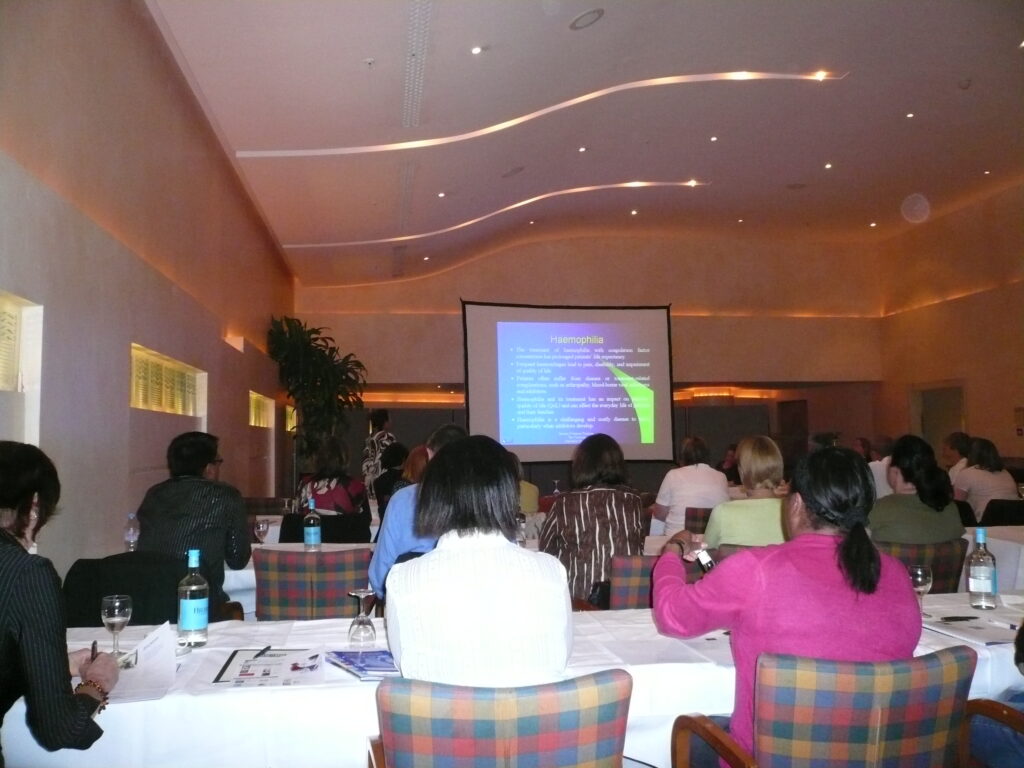
Grifols, a Spanish based company that manufacturers Alphanate and Alphanine, held a one day educational conference on inhibitors for nurses in London yesterday. I was pleased to start the day with a talk on inhibitors in America: how the main struggle is finding a way to afford the treatment that is already available, given mounting pressure from payers and limited lifetime caps. Professor Alessandro Gringeri, of the University of Milan, gave an excellent comparison of ITT protocols around the world. He reminded us that ITT has been with us for 31 years, but since the first attempts, different protocols have developed. He reviewed the specifics of the Bonn, Malmo and Van Creveld Klinick protocols, and how responses to different ITT are either patient related or treatment related. ITT does not work with all patients, particularly those with mild hemophilia.

Dr. Sylvia von Mackensen is a psychologist at the University Hospital Hamburg-Eppendorf, Hamburg, and gave a presentation on Quality of Life Studies: measurements, outcomes and expectations. This is an important subject for inhibitor patients, who suffer a great loss of QoL when by passing agents or ITT are not always effective.

My colleague Becky Berkowitz, RN from the HTC in Las Vegas, Nevada, spoke about nursing in the US. Becky has a unique position working in an enormous state with a small population, and a lean HTC staff: her efforts to visit the native Americans and advocate for their treatment held the audience’s rapt attention.

The rest of the afternoon held presentations by Dr. Mauricio Alvarez-Reyes of Grifols, nurse Allyson Hague of Manchester Children’s Hospital, nurse Kate Khair of Great Ormond Street Hospital and Vicky Vidler, nurse consultant of Sheffield Children’s Hospital. It was a wonderful event, full of information and diverse speakers.

After the program, I took a tour of Great Ormond Street Hospital with Kate Khair, Virginia Kraus (Grifols), Becky Berkowitz, and Mark McDonnell, UK Manager (Grifols). It’s a major HTC, with over 450 pediatric patients, with a beautiful ward. I had always heard of this famous hospital and it was a pleasure to see it from inside.

This has been productive week: I was also able to visit on Tuesday the Haemophilia Society, which I believe was one of the first hemophilia society in the world. Chris James is the relatively new executive director, and he graciously allotted me 3 hours to tell me about their programs and population. We also spoke about sharing my company’s free resources with his members. They have excellent programs and in many ways are one step ahead of many other organizations in terms of programs for inhibitor patients.

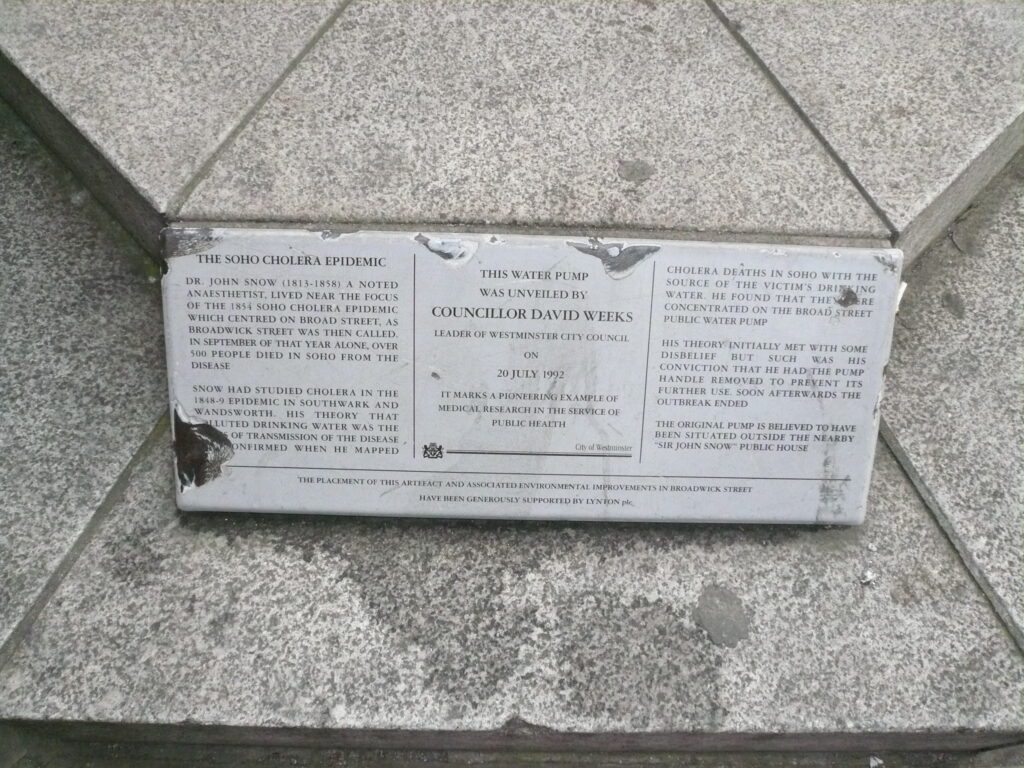
Last of all, I saw on Monday an historic site: the Broad Street Pump, the epicenter of the devastating 1854 cholera epidemic of London. This important landmark represents the beginning of modern public health. It was here that a contaminated well led to hundreds dying within one week, and caused English physician Dr. John Snow to buck conventional medical thinking, which thought it was miasma–bad air– that caused the outbreak (this was before germ theory). By using a scientific method and putting himself at great risk, Snow interviewed an entire neighborhood, noting where deaths occurred: the outcome was a map which revolved around the pump and well. After a struggle to convince authorities that water was responsible, Snow had the handle removed. The epidemic was over and a new theory on germs was born. This one pump represents all modern day efforts to provide clean drinking water to overcrowded cities worldwide. It was simply amazing to actually see the pump, and be grateful for the dedicated efforts of this remarkable British physician. (Read The Ghost Map for an excellent recounting of this story)

Inhibitor Summit 2008

The very successful Inhibitor Summit meeting took place this past week and weekend in Denver, Colorado. Over 80 families from all over the US attended to learn about inhibitors, current research, and treatment and insurance information. If you’ve never been with a group of inhibitor patients, you’d be amazed at their level of knowledge and expertise. I guess they have to learn fast, given the nature of the disorder, which is a severe complication of hemophilia.

I arrived a day early to help facilitate the Novo Nordisk Consumer Council, which is comprised of patients with inhibitors and parents of children with inhibitors. It’s a wonderful chance for the patient community to give direct feedback to Novo Nordisk, and to learn in detail about the company’s philosophy, products and ideas. The Council actually helps to shape some of the educational material coming from Novo Nordisk. Working from 8 am to 4 pm, with only a ten-minute break, we really accomplished a lot and learned a lot!

The Summits just keep getting better and better. Dr. Guy Young from Children’s Hospital, Los Angeles, moderated the panel speakers and also gave an excellent overview on inhibitors. He focused on differences between FEIBA and NovoSeven, the two main treatment options for inhibitor bleeds, their efficacy and safety, dosing regimens. Most exciting were the slides showing how effective it is to use these products prophylactically to prevent bleeds. Dr. Steven Pipe gave a very insightful yet understandable presentation on the future of inhibitors: what’s being worked on now around the world–very exciting things. I’m saving what I learned to publish in PEN soon.

I attended a few other sessions: Regina Butler, RN of Philadelphia, and Angela Forsythe, PT, teamed up to give a dynamite presentation on joint disease. This is especially important for those with inhibitors due to the excessive bleeding they face. Angela stressed the important role physical therapy and exercise play in rehabilitating joints. Stopping the bleeds is not the only thing we have to worry about; we need to ensure the joints are cared for to help prevent future bleeds, and future deterioration. Excellent presentation.

There were other talks on pain management, prophylaxis, and central venous access devices. Again, CVADs are very important to inhibitor patients because when they have Immune Tolerance Therapy, they are being infused daily, sometimes for months! Vein access is extremely important.

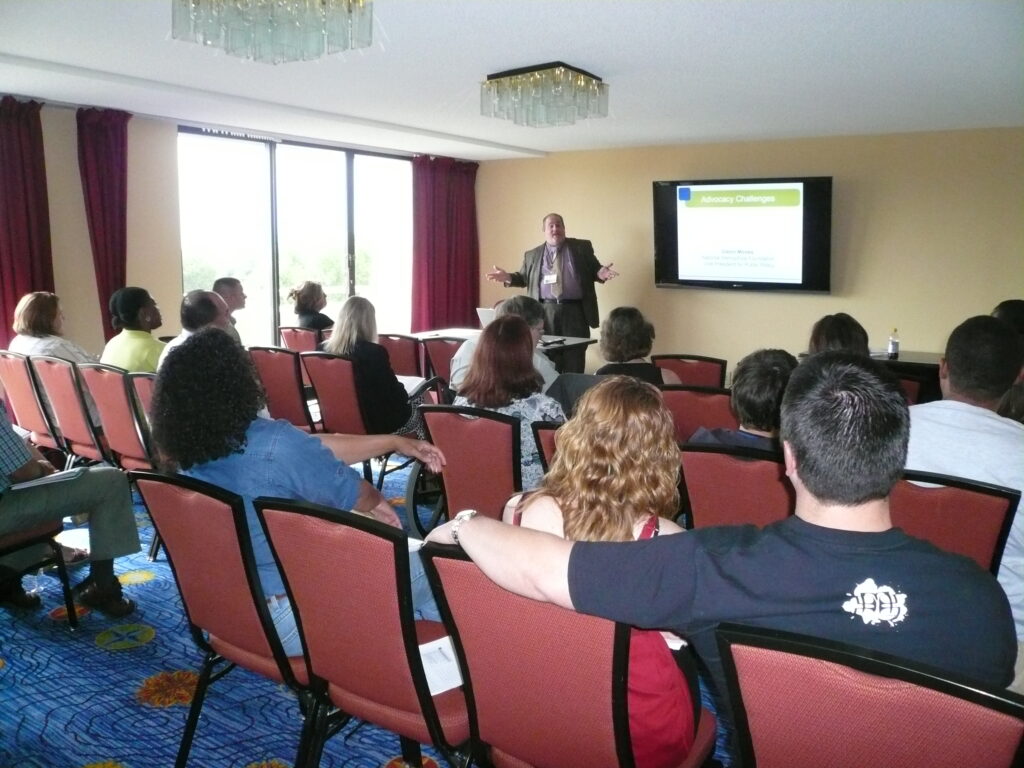
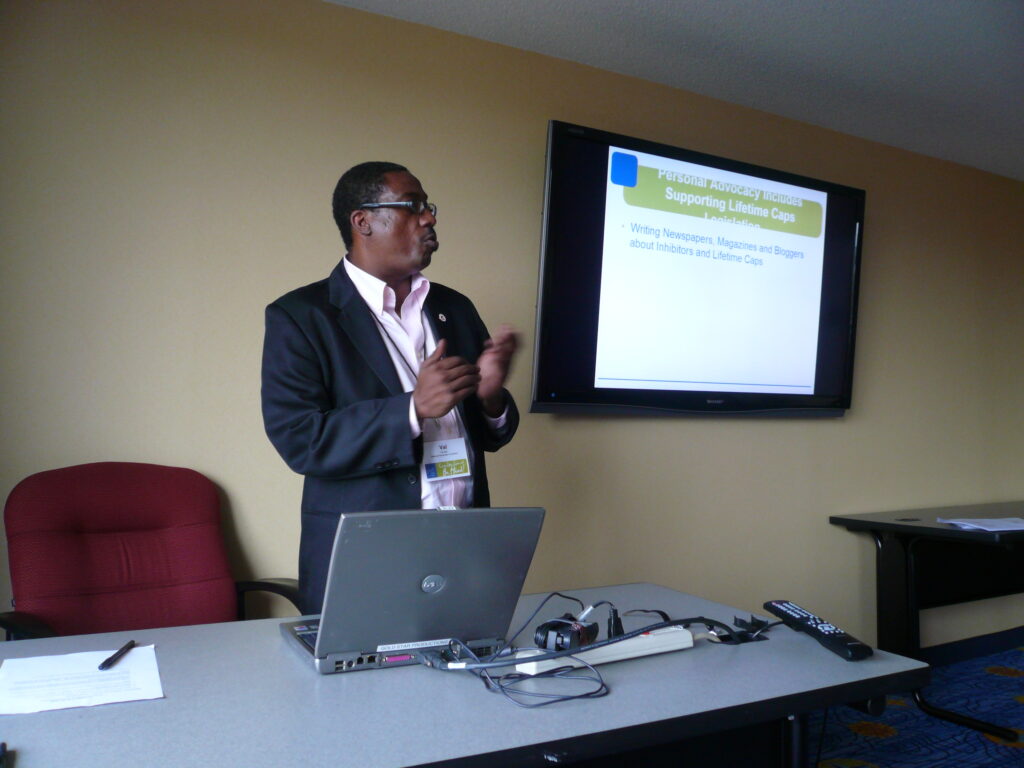
I was honored to give a presentation along with Glenn Mones, VP Advocacy for the National Hemophilia Association, and Val Bias, colleague, friend and new CEO of NHF. We spoke about the changing insurance scene, what’s causing the changes, how we can advocate to slow down change and ensure we get the insurance coverage we need for these high cost, but life-saving products. (You should know that NHF is working hard to get a bill introduced to raise life-time maximums; go to www.hemophilia.org to learn more. They need your help!)

Novo Nordisk provided a grant to support the Summit, and it was great to see so many families returning from previous Summits. The event was planned and carried out by the amazing staff at CBCE. Thanks to everyone for making this event successful, useful and possible. If you have inhibitors, come to a Summit! The next one is in October in Birmingham, Alabama. If you know of someone with inhibitors, encourage them to register. The trip is free, and the knowledge gained is priceless.

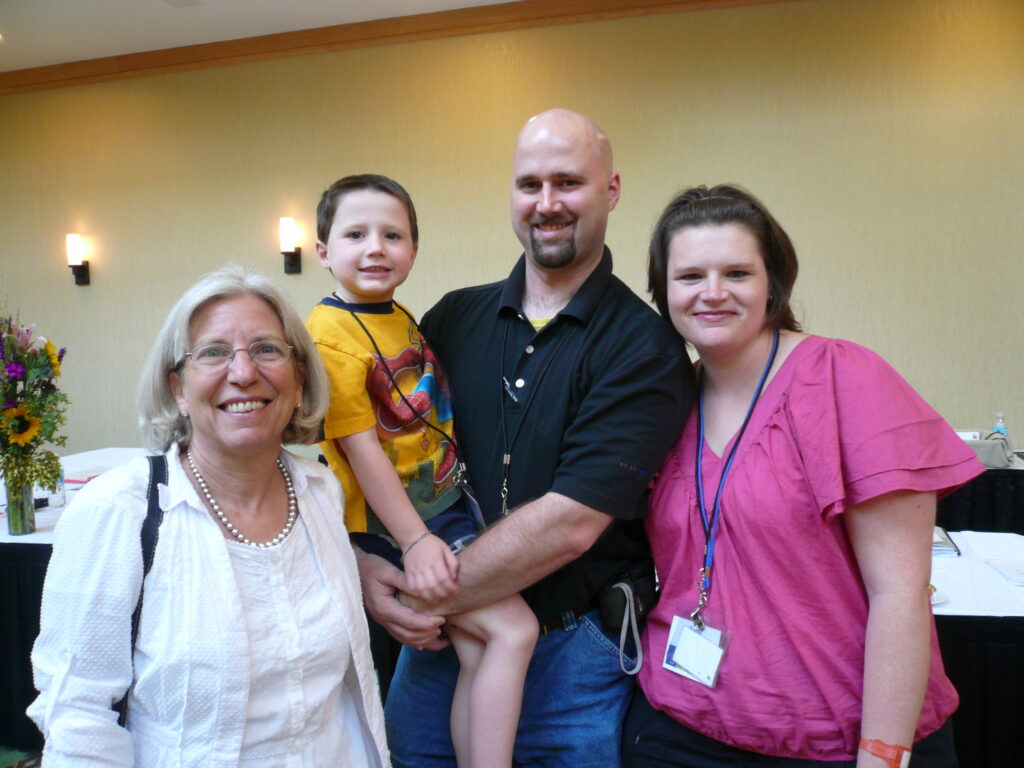
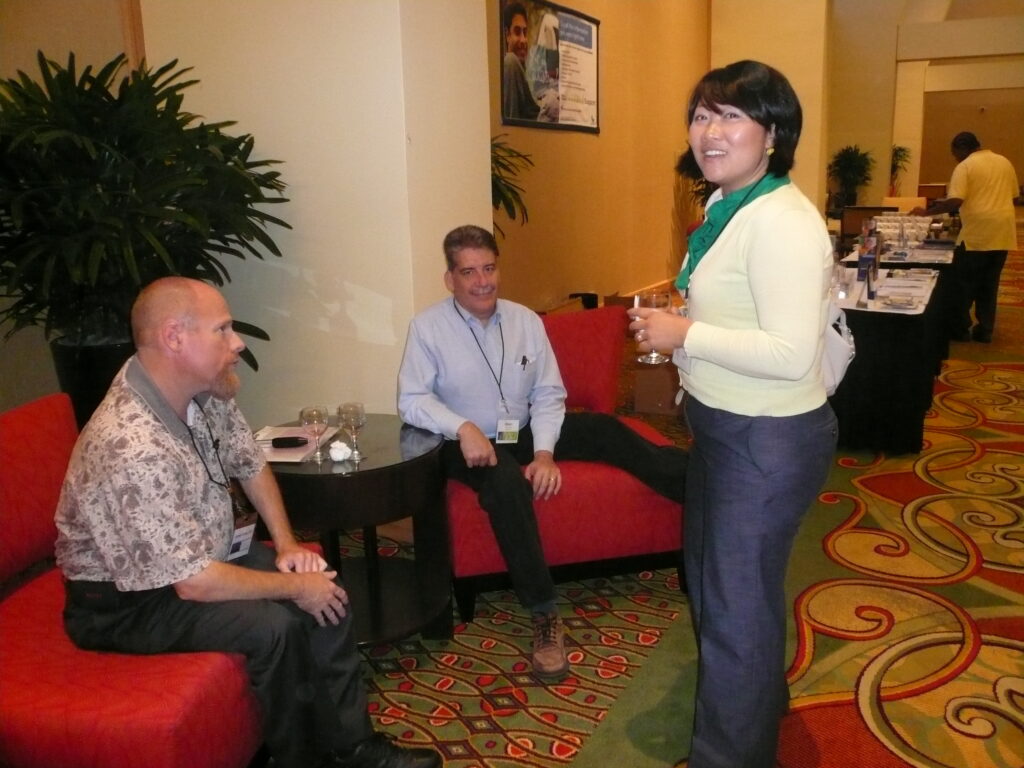
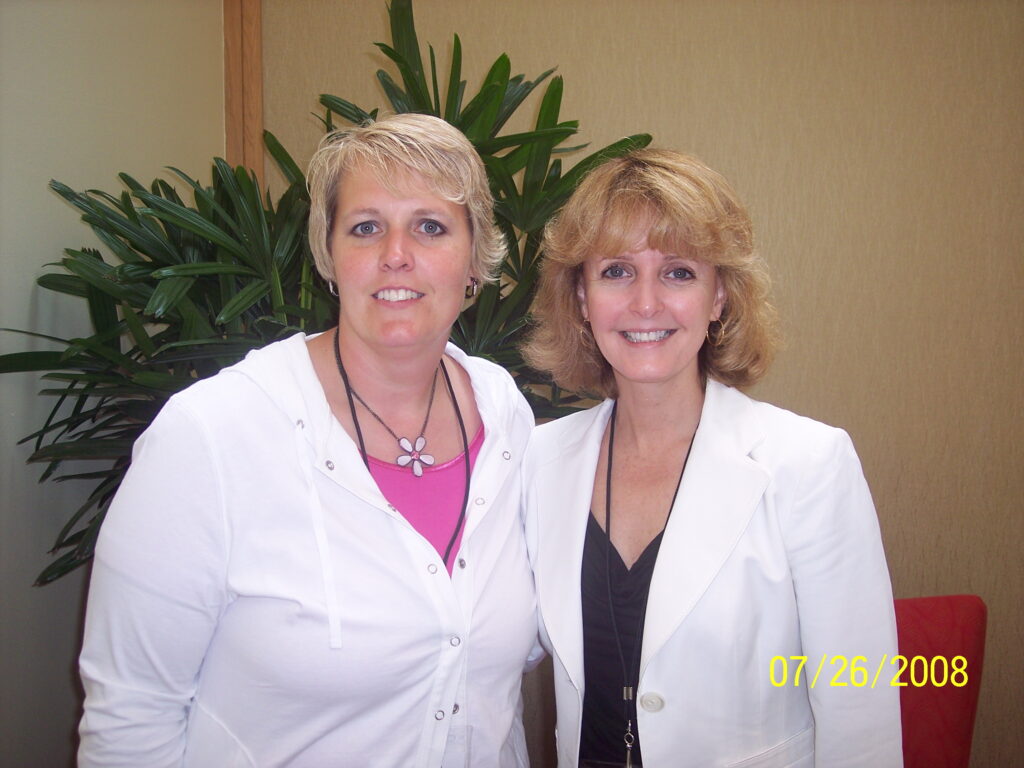
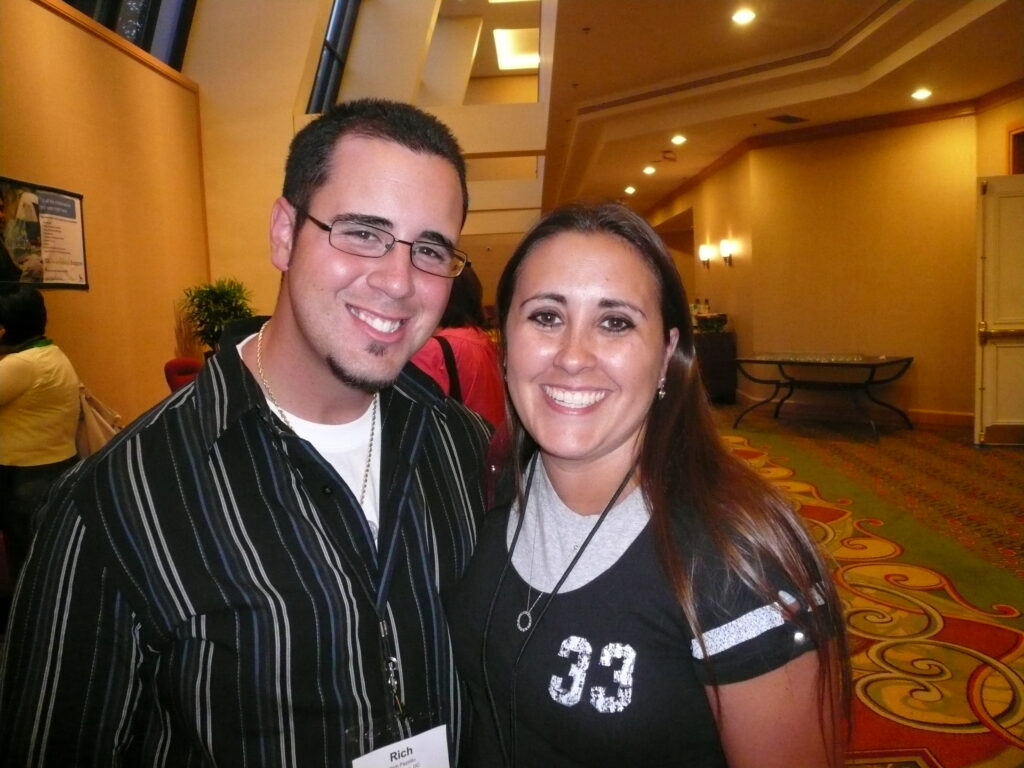
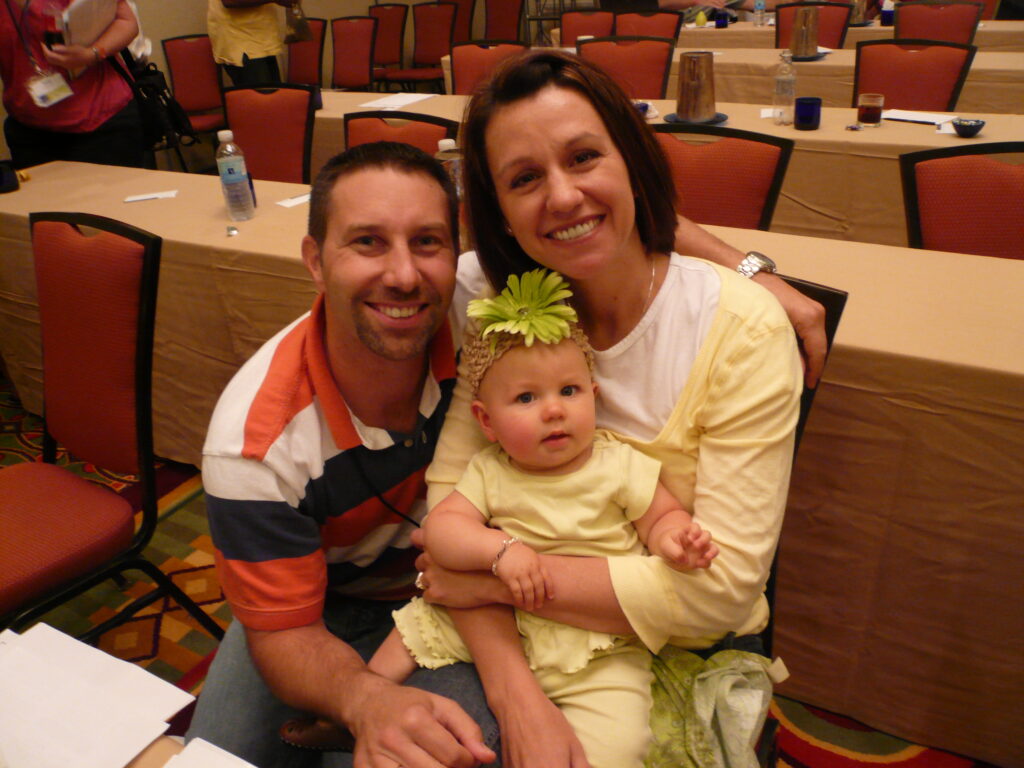
(Photos: Rich Pezzillo and Sasha Cheatham; Dr. Manco-Johnson with the Wilkes family; Glenn Mones of NHF gives presentation; Kari Atkinson of Iowa and Laurie; Val D. Bias)

Great Book I Just Read: Miracle in the Andes by Nano Parrado
I had already read the book Alive by Piers Paul Read, and seen the movie, but they pale in comparison to this account, published 35 years later, in 2007, by the young man who actually walked out of the Andes, after 72 days in the most horrific conditions you can imagine. I could not put this book down. In 1972, a chartered plane crashed in the Andes, with a rugby team from Uruguay, which had been en route to Chile. The players were just boys, aged 17-21 mostly. How they survived and how they escaped is one of the greatest survival stories of all time. But this is a story of leadership, primarily, teamwork, and faith. After you read this, you might believe anything is possible. An enthusiastic four stars!

HemaBlog Archives
Categories