
Hemophilia is a bleeding disorder that many people in the Philippines still rarely hear about. When people think about hemophilia, they usually imagine bleeding, bruises, needles, and hospital visits. But honestly, the hardest part is not always physical pain. Sometimes it is the feeling of being misunderstood, left out, or treated differently your whole life.
For many boys growing up with hemophilia, there is always that question in their mind: “Why am I different?” While other kids freely run, climb, or play basketball outside, they are constantly reminded to be careful. Some grow up feeling limited before they even fully understand what is happening to them.
School can also become difficult emotionally. Instead of feeling accepted, some children with hemophilia experience teasing, bullying, or judgment from classmates. They get called “weak” because they cannot join rough games or sports. There are times when they simply sit and watch other children play while they stay on the side trying not to get hurt. That kind of feeling stays with a child.
Even teachers sometimes become too protective. Of course, they only want the child to stay safe, but constantly being excluded from activities can slowly affect confidence and self-esteem. Imagine growing up always hearing “you cannot do this” or “be careful” every single day. After a while, some children begin believing they are less capable than everyone else.
As they grow older, the emotional struggles become heavier. Some teenagers avoid making friends because they are tired of explaining their situation. Others become quiet and isolated because they feel nobody truly understands them. There are days when they act strong outside, but deep inside they are already emotionally exhausted.
Mental health is something rarely talked about in the hemophilia community. Many silently deal with anxiety, overthinking, fear, and sadness. Hospital visits become a normal part of life. So does the fear of sudden bleeding. Some patients even feel guilty, thinking they are becoming a burden to their family because treatment and care can be expensive.
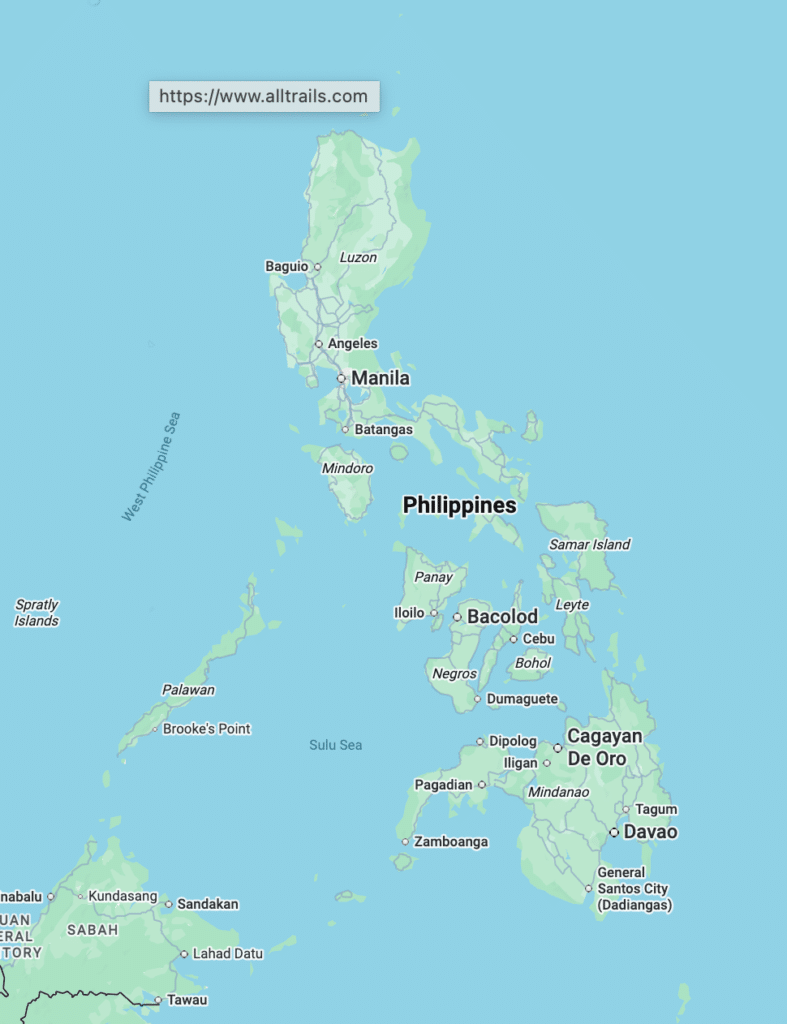
And in the Philippines, that reality hits hard. Not every family lives near hospitals or treatment centers. Some travel for hours just to get medical care. Parents miss work, spend sleepless nights worrying, and carry stress that they rarely talk about. Mothers sometimes quietly blame themselves because hemophilia is inherited, while fathers pressure themselves to find ways to provide for treatment and daily needs.
Even siblings are affected too. Some learn to understand early why more attention is given to their brother with hemophilia. It changes the whole family dynamic in ways people outside the home rarely notice.
Then there is society itself. Many Filipinos still do not fully understand hemophilia. Some people think bruises are signs of abuse. Others immediately assume a person with hemophilia is weak or incapable. Those misunderstandings can be painful, especially for someone already struggling emotionally.
Finding work can also become stressful. Some adults with hemophilia hide their condition because they fear rejection or discrimination. Others constantly feel the need to prove themselves just to be treated equally.
But despite everything, people with hemophilia continue moving forward. They study, work, help their families, build friendships, and continue chasing dreams. Some may carry scars, pain, or trauma, but they also carry strength that many people never see.
This is why awareness matters. People with hemophilia do not only need medicine. They also need understanding, support, acceptance, and equal opportunities. Sometimes, a little compassion already makes a huge difference. Because the real battle of hemophilia is not only about stopping the bleeding. It is also about surviving the emotional, emotional, social, and psychological struggles that often stay invisible to everyone else.
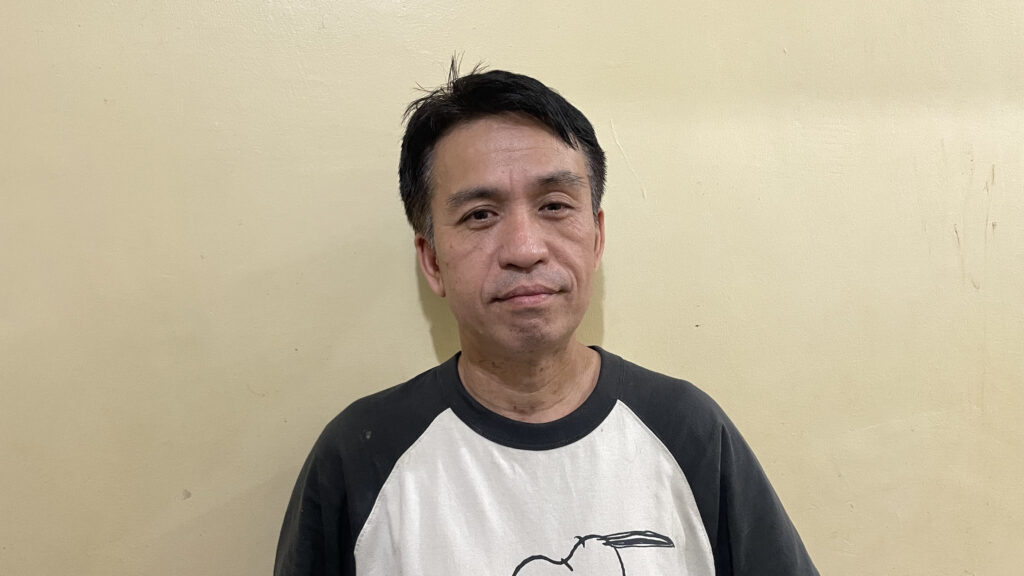
Jeffrey Castro Rodriguez is 44, has hemophilia A and lives in the Philippines. He graduated with a degree in psychology from Adamson University and worked as a call center agent after graduating in 2010. Growing up in a developing country where factor was never available, from a poor family with no stable source of income, his childhood was filled with hospital visits, financial struggles, and painful memories. He lost four brothers to severe bleeding during the 1990s. He himself is also a stroke survivor. Jeff now works from home as a Virtual Assistant while continuing his mission of serving the hemophilia community. He is vice-president of Blood Brothers Aid Inc., Dumaguete, where he actively educates and supports people with bleeding disorders.