Laurie Kelley

NHF’s New Name, Logo and Brand

There was an exciting development at the national bleeding disorder conference in Maryland this past week. This is the largest gathering of our community in the US, and some exciting news was announced. The National Hemophilia Foundation (NHF) has changed its name, after 75 years. Along with that, it also has a new logo.

But why? And why now?

Branding
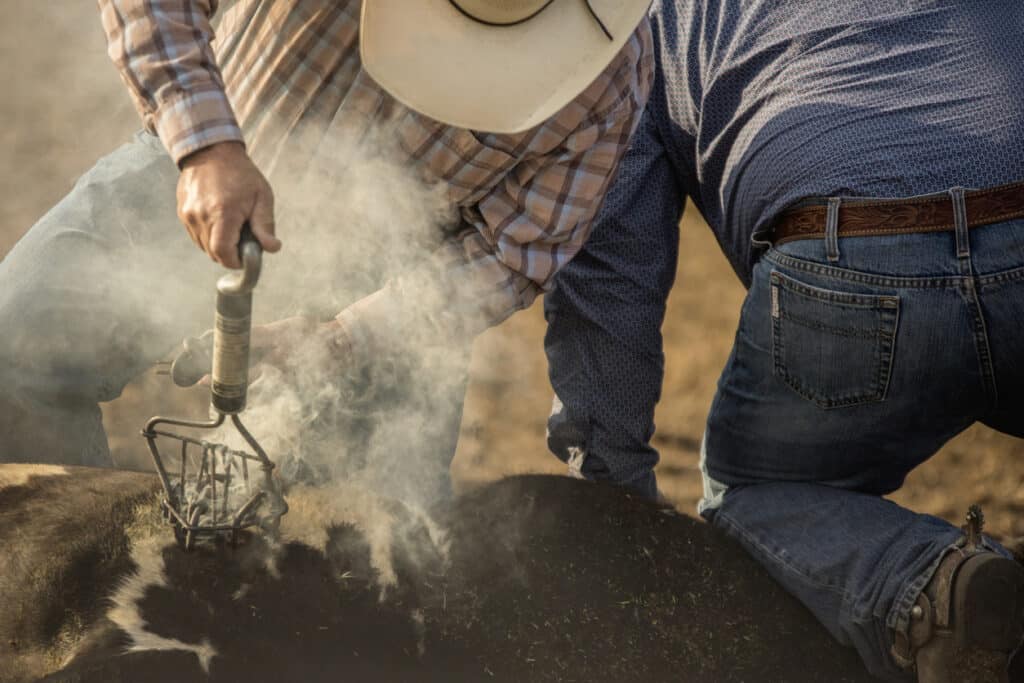
Branding a cattle for identification

All personalities, companies and organizations need an identity that the public recognizes and that creates positive associations. With bleeding disorders, this identity includes most likely humanitarianism, proactive behavior, and medical progress.

Identity is reinforced through marketing materials—a logo, business cards, website, and stationery, which all symbolize and define. This is called branding. Branding is what farmers, cattle owners and cowboys do to their livestock and horses, in case they get lost (or stolen). A special marking is burned into the hide of the animal that easily identifies the ranch or individual owner.

For companies, the “brand” is not burned into the hide! It’s a logo—this is a design, a visual symbol that represents the organization’s identity, character, focus, and sometimes culture. Much like the colors and symbols of each country’s flag, the colors, shape and symbols of a logo say clearly who and what the company or organization is.

A logo is one of the main components of branding and should be created after the mission and vision are created. NHF already had a logo, in use for decades. It was replicated around the world too, with the World Federation of Hemophilia, and various chapters and other countries. The logo, in various forms, showed the outline of a human, white inside, leaning on the figure of a person, with red inside. Clearly, people without factor leaning on a person with factor. Over time, the board of NHF decided this was a bit negative, and changed the logo to two upright figures, one white and one read, with arms about one another. Supporting but not dependent.

Brands Evoke Emotions

And the reason for that change is emotional connotation. What emotions did the leaning, white figure conjure up? Weakness? Dependency?

An effective logo elicits an emotional response that creates positive associations. Footwear manufacturer Nike uses a simple “swoosh” design that is contemporary, upbeat, and active, implying energy and speed. The logo of the United Nations depicts olive branches, a sign of peace, embracing the earth.

Even with the positive connotations of the two figures being equal and embracing, NHF decided that this too was outdated. And logos can be updated to reflect changing sentiments and beliefs. Time for a change!

Inclusivity, Welcoming

The new logo is interesting, and reflects changes in the mission of NHF. NHF is no longer just about hemophilia. It is now the National Bleeding Disorders Foundation (NBDF). This title infers inclusivity, which is not only a catchword and movement in society today, but has vital ramifications for our community. NHF implies (and states) hemophilia. NBDF implies and states: hemophilia, rarer bleeding disorders, von Willebrand disease, women with hemophilia, and more.

The new logo reflects this. It has changed from two figures, which is a concrete representation, to the more abstract circle of blood drops. This reflects a more graphic representation of our community. More beautiful is the decision to make the blood drops a palette of colors. To me, this represents diversity, also a catchword and movement in society. Inclusive of ethnicity, gender fluidity, language, heritage, and more.

In logo creation, circles are more fluid than squares; circles are softer, used to represent continuity and eternity, and in general more pleasing to the eye than angular shapes like triangles and squares.

This simple logo with multiple colors is a great choice and can more easily be used in marketing in dozens of ways. By the way, NBDF’s new tagline is a slight variation of one I’ve been using for about 20 years, Mine is Education, Innovation, Compassion.

Change is hard for many to accept. Let’s see how the community reacts to this name change and new logo. I hope it is as positive as the new logo feels to me.
The Beautiful Pharmacies

Officina of the Benedictine monastery at Schwarzach

It’s strange to think of pharmacies as beautiful. These days, they are more like hospital dispensaries, or small stores which contain many things besides medicine.

But not long ago, they were magnificent places to see. Last week we showed how, in the East, the Arabs began the first pharmacies. In the West, before science could determine a proven cause and effect for illnesses, many people viewed illness as a punishment or a trial from the gods or from fate. So throughout history there were often close connections between theology and medicine. Often, the healer was a person of divinity or faith.

In ancient Greece, Asklepios, a son of Apollo, was venerated as a powerful god of healing. The sick would spend the night in his temple, hoping the god would appear in a dream, bring healing, or reveal the treatment. His daughter Hygieia is considered as goddess of health. Her very name gives us the word “hygiene.” The Romans adopted Asklepios and called him Aesculapius, embodied in the snake.

Emperor Frederick II in 1231 officially recognized pharmacies as commercial entities with duties and rights. These dispensaries or apothecaries first began as medieval stalls or huts, surrounding churches, where people would buy herbs, oils and other remedies. Later these apothecaries were run out of offices, and medicine was dispensed from a window. Medicine would advance during the Renaissance from belief in miracle cures, faith healing, alchemy and superstition, to scientific exploration, experimentation, discipline and higher knowledge.

Early pharmacies in the West were beautiful, with therapies on display in porcelain or ceramic jars with Delft-like color and decorations, seated in rows on mahogany shelves. The Officina of the Benedictine monastery at Schwarzach, in the first half of the 18th century, was beautiful, with Baroque style furnishings. In the center of the pharmacy was the preparation table, with sixty carefully labeled drawers. Aesculapius, the antique god of healing, and his daughter Hygieia, kept an eye on the preparations. They hold their typical symbols, the staff and the snake. We still use the staff and snake to denote medical treatment.

You can view this pharmacy in Heidelberg, Germany at the Pharmacy Museum, as well as several others, to get a sense of how beautiful they were.

Notes from a visit to the German Pharmacy Museum, 2015

A Gift of Islam: the First Pharmacy

Specialty pharmacies are vital and integral to a life with a bleeding disorder. But do you know the origin of pharmacies? I visited the Pharmacy Museum in Heidelberg, Germany once, and wanted to share what I learned.

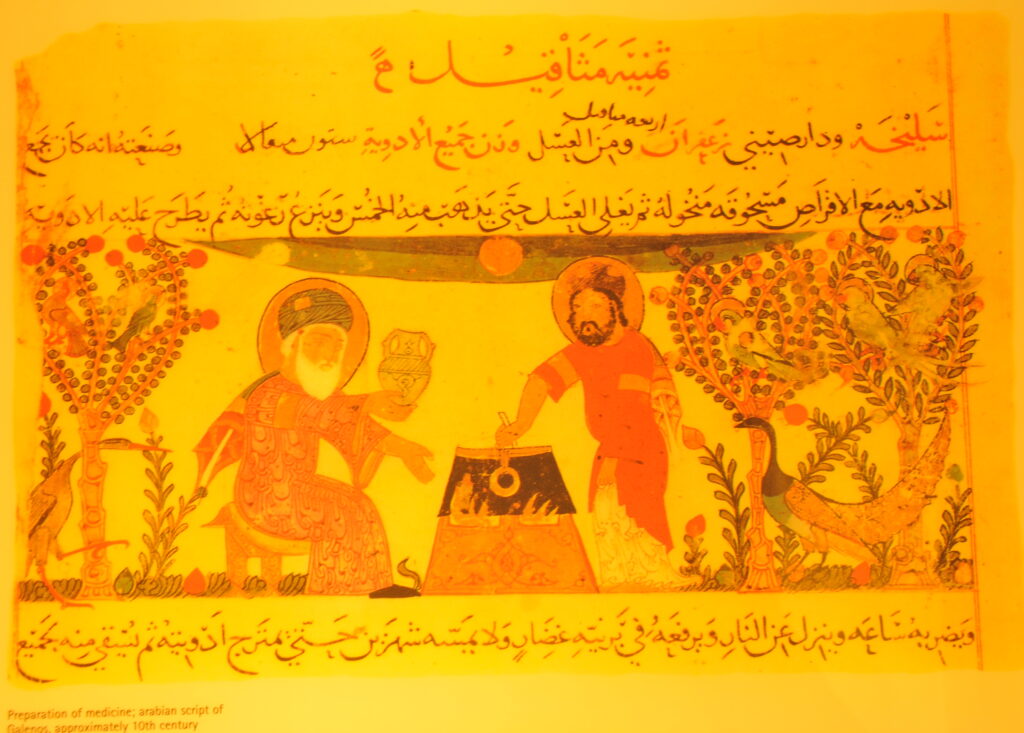
Preparation of medicine, script of Galenos c. 10th century

The word “pharmacy” comes from the Greek word pharmakon, meaning medicine, poison, or magic potion! Long ago, diseases were often regarded as punishment by the gods, so priests as well as physicians practiced the art of healing.

Ancient beliefs about disease led to tailored methods of treatment. For example, in the miasma theory, it was believed that “bad air” caused disease, and treatment might be to avoid poorer places, which smelled bad, or to go to the country if possible for fresh air. From the ancient Greeks came the notion of the four “humors”—blood, yellow bile, black bike and phlegm. If these were not in harmony, a doctor might practice “bloodletting”—slicing open a vein to allow the bad humors to drain out.

Arabian Islamic Medicine: First Pharmacies

During the rise of the Arab empire, which covered much of North African in the mid-7th century, the Arabs dominated from Seville to Samarkand, and from Aden to Tbilisi. They translated ancient texts of Jewish, Indian and Persian origin. The combination of antique and Arabian knowledge initiated an amazing era of medicine, which considerably expanded medical treatments.

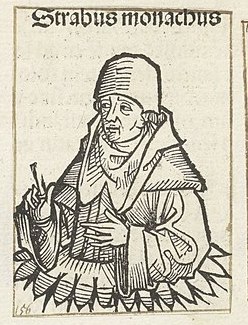
Walafrid Strabo (c. 809-849)

In fact, the first pharmacies emerged in Baghdad, then the center of the Islamic world!

Pharmacies in the Christian Occident

After the downfall of the Roman Empire in 455 AD,  medicine was practiced in the monasteries and convents of the Christian west. Educated monks and nuns worked there both as doctors and pharmacists. Some, like Walafrid Strabo (c. 809-849) and Saint Hildegard of Bingen (c. 1098-1179), increased medical and pharmaceutical knowledge with their scripts. Medicinal plants were grown in the monastic gardens. St. Hildegard has been considered by scholars to be the founder of German scientific natural history. And Strabo learned to create medicine, and brew beer!

Relevant antique scripts were kept, studied, and copied in the monasteries, including those of Islamic medicine. So both ancient and Islamic texts had a lasting influence on the creation of a future western pharmacy.

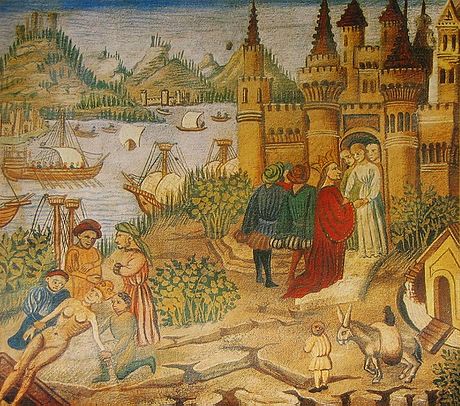
The medical school of Salerno in Italy, Schola Medica Salernitana,  taught antique medicine, kept close contact to the Arabian world and is considered to be the first center of scientific medicine in the west. Clerics and laymen, and Christians and Muslims met at this school which was open to everyone—even women!

Schola Medica Salernitana

Next week: The Beauty of Pharmacies in the West

Source: Notes from a visit to the German Pharmacy Museum, 2016

Retirement? Never Too Late to Plan!

Is retirement a distant dream for you, like winning the lottery? Or is it looming on the horizon like judgment day? On one hand, you may be looking forward to having more free time, pursuing your hobbies, and spending time with loved ones. On the other hand, you may be worried about running out of money, managing healthcare costs, or feeling bored or isolated in retirement.

The good news is that with proper planning and preparation, you can minimize the risks and maximize the rewards of retirement. Along the way, you’ll learn about common retirement myths and misconceptions, gain insight into the latest retirement research and trends, and discover practical tips and strategies for achieving financial security and fulfillment in your golden years.

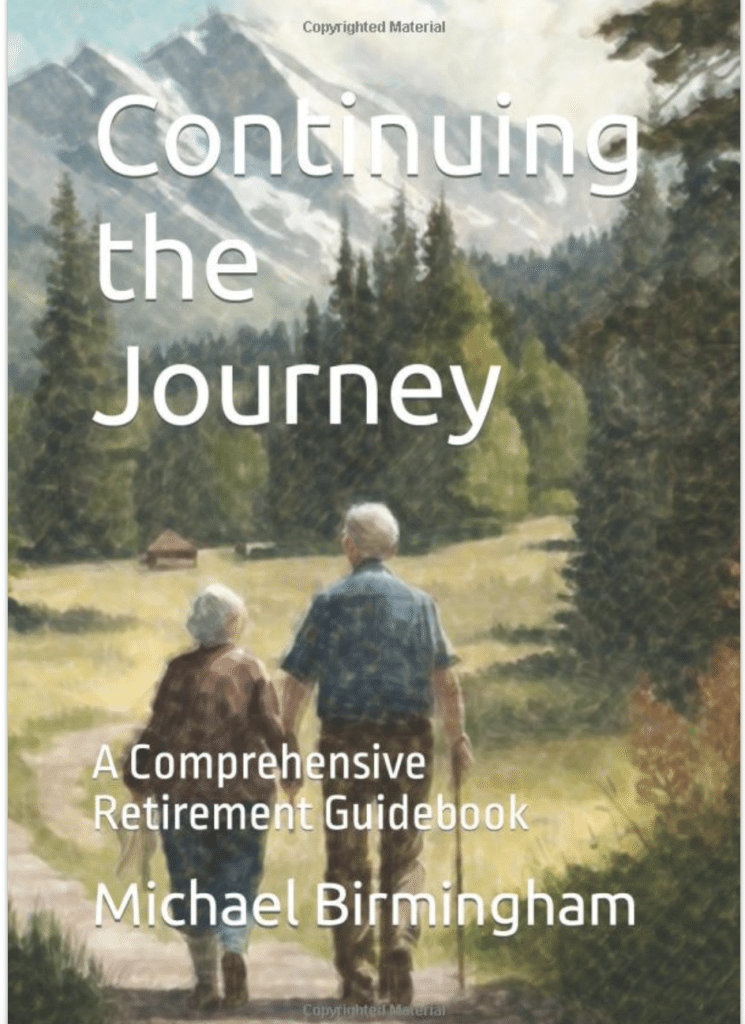
Continuing the Journey is the essential retirement guidebook for people with bleeding disorders, written by a man with hemophilia.  It provides readers with comprehensive knowledge and practical strategies to navigate retirement planning and living. It offers step-by-step guidance on creating a tailored retirement plan, covering financial aspects such as retirement savings, investments, and Social Security. Beyond finances, the book explores the psychological and emotional aspects, advising on purpose, relationships, and personal growth. It encourages readers to consider lifestyle choices like part-time work, volunteering, and travel, aligning retirement with their passions and values. With this trusted guide, readers can ensure their retirement becomes a remarkable chapter of personal growth, joy, and fulfillment.

This book will guide you through the essential steps of retirement planning, including assessing your retirement needs, creating a retirement savings and income plan, and preparing for retirement life.

After a decade of volunteering for other organizations and learning about the bleeding disorder community from many aspects, Michael Birmingham created the non-profit organization The Bleeding Edge, which focuses on male adults with hemophilia. It provides experiences and educational content that is unique in the community.  In that educational content, Michael saw the need for courses on how to prepare for retirement, something that until recently people with hemophilia were told they didn’t need to worry about, as they didn’t really have a long-term future.  Medical advances have now given longer life spans, and the future is now something critical to prepare for in this community.  The knowledge and information in Continuing the Journey applies to everyone.

For more info: mjbirmingham@comcast.net

Order here!

“God has kept me alive…” to Serve

This essay was submitted by someone I have known since my first visit to Zimbabwe, in 2000. It is sad, and details a life of loss, and yet a life of hope. Please always keep in mind that in most developing countries, access to factor is almost impossible. If you think you have factor to donate, contact me, and I will help find a home for it. ~ Laurie, laurie@kelleycom.com

My name is Nqobizitha Ndlovu, which [is of Zulu origin] and means “Conqueror” in English. I’m 34 years old, living with hemophilia A since birth. I was born and live in Zimbabwe.

I was born into a family of four boys, of which I am the eldest. Growing up together with my siblings, life has not been rosy; it has been pain after pain, suffering because of hemophilia and life challenges as well. I am coming from a very poor family as my father used to do menial jobs to sustain us. 

Zimbabwe’s economy is in shambles and the health system is in a very bad state. The government hospitals have no diagnostic or any other important machines, or they are not working, if there is any at a single hospital servicing the whole country. No painkillers; blood transfusion is very expensive and it cost more than $100 American dollars for a single pint of blood. Only private hospitals can offer such services as diagnostics at a very high cost. That is a life of hemophiliacs in Zimbabwe.

My young late brothers and I endured a lot of pain considering our condition. We have been friends of the hospital quiet often and countless times. We have been relying on donated factor VIII ever since, with the help of Laurie Kelley. It has been a struggle in our journey of life as my parents struggled very hard to cater for our needs. 

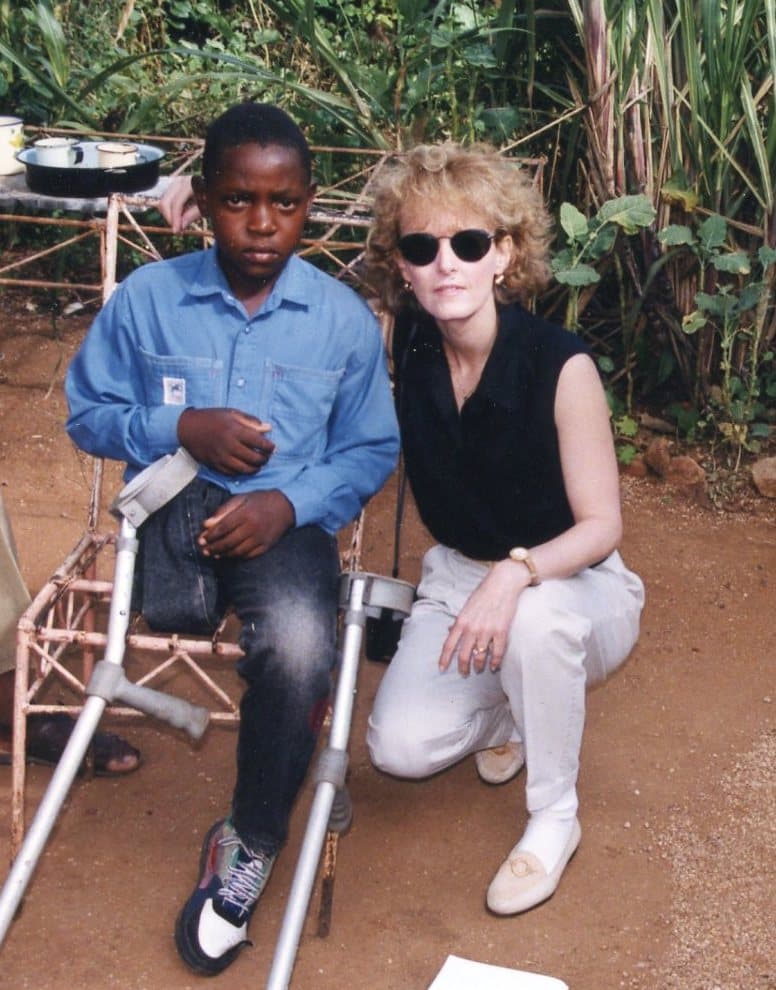
Laurie Kelley with Khumbs, 2000

My parents and we were sharing a single bedroom house. School was another challenge for us as we used to walk for almost four hours going and another four hours coming back. That contributed to bleeding easily. Regardless of that we were excelling at our studies. 

In 1996 I lost one of my young brothers through tonsil bleeding; he was two years old and the third born. Mthokozisi was his name, which means “happiness” in English. After bleeding for three days from his tonsils, he unfortunately passed on.

The year 1998 was another bad one for me again. We had just knocked off from school. My young brother Khumbs and I, and other kids, were playing on our way home. Khumbs fell on his knee from high rocks. From there he couldn’t even move his leg as he had hit with a knee down. All the other kids left us there as I struggled to carry him on my back. We arrived home very late and Khumbs was in deep pain. He could not go to school anymore for at least two years. Khumbs’s knee developed an infection which resulted in his leg being amputated. Khumbs lost his leg like, just like that.

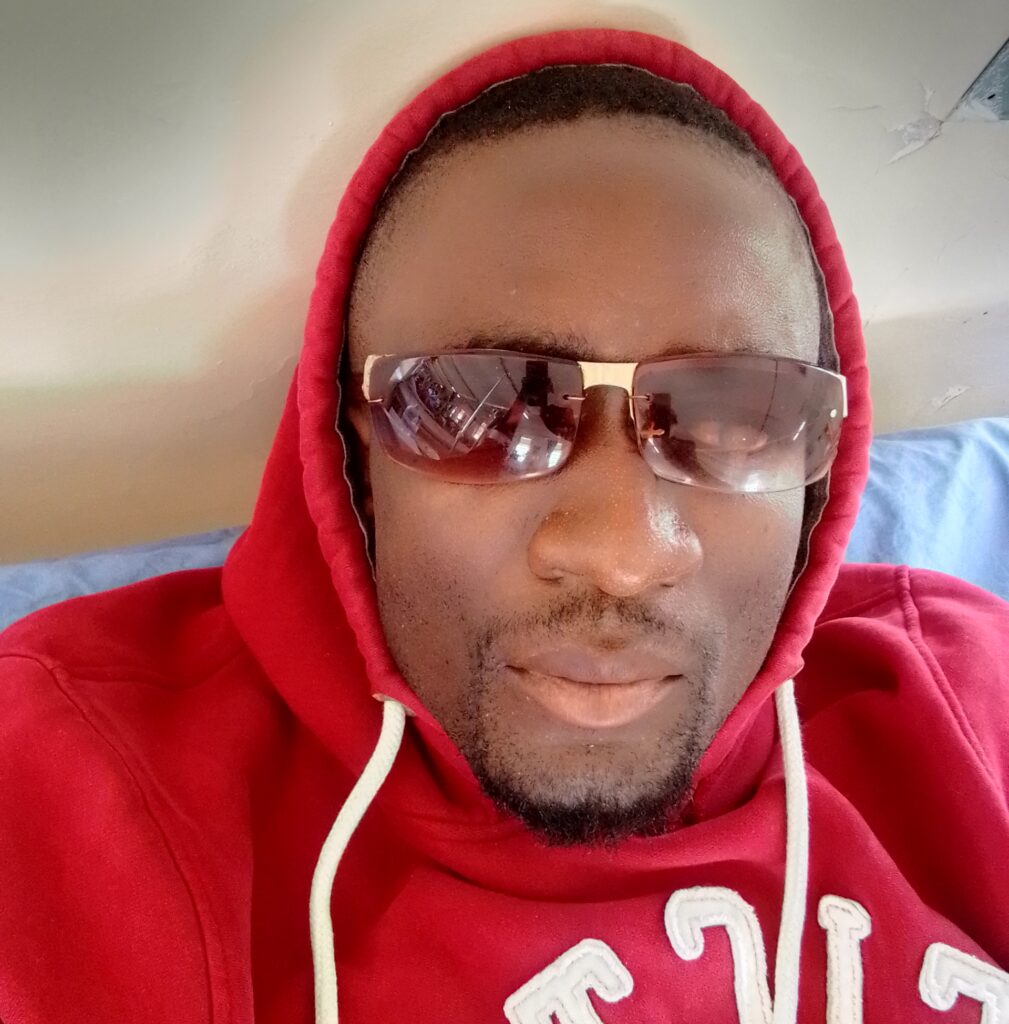
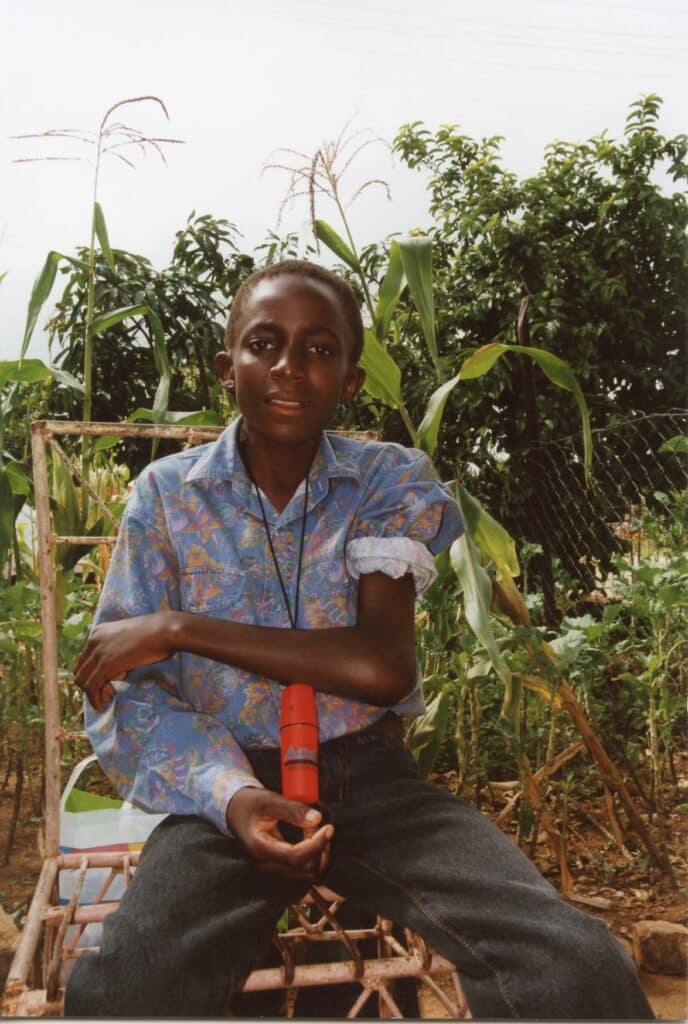
Nqobizitha in 2000

The year 2002 was another bad one for me again as I lost the person whom I had been relying on when I was not feeling well. My mom passed on as well. I was left broken and helpless at the same time. 

In 2003 I was still digesting the pain of losing my mother, when my father passed on. It became sorrow on top of another sorrow. I was really affected psychologically, physically and socially, and it also affected my schoolwork at the same time. I lost concentration on my studies. My health dwindled badly. 

In 2009 my younger brother Khumbs had an internal bleed which resulted in him passing on that year on November 9. Laurie Kelley had tried to source some factor VIII for him, which arrived in the evening. But he passed on in the morning. Now I had nowhere to go— no one to share my pain with as he was the closest to me.

In 2017 I was involved in a horrific incident where I lost one of my eyes. I was admitted for one and a half a months in the hospital and bled for 21 days nonstop. I almost lost my life, which became a miracle to be alive according to the doctors at Parirenyatwa,  Zimbabwe’ s biggest hospital.

During the time at the hospital it was discovered that I had developed factor VIII inhibitors. Laurie Kelley has done a lot for us that I cannot count it all. I am now using the NovoSeven which I always get from Laurie Kelley. 

Fast forward to January 2023. My one and only brother that I was left with also passed on through throat injuries and bleeding. He could not access factor VIII at the right time because he was in a remote area. That was the end of all my family members as I am now alone, with my son Brooklyn, a nonhemophiliac who is eight years old. 

I was recently voted to be the Zimbabwe Haemophilia Association as vice president. It’s a nonprofit organization. I want to serve people with hemophilia in Zimbabwe and any other bleeding disorders with all my heart. I have seen it all and I believe the high God has kept me alive up to this far to do that. We are doing all possible ways to reach out to every corner, to save some souls out there.

HemaBlog Archives
Categories