Laurie Kelley

Does Hemophilia Mean Brittle Bones?

By Paul Clement

Many studies have linked having hemophilia to a significantly increased risk of developing osteoporosis, or “holey bones” (osteo means “bone” and porosis means “porous”). Osteoporosis causes bones to become weak and brittle—so brittle that a fall or even mild stresses such as bending over or coughing can cause a fracture. But just because you have hemophilia does not mean you are destined to develop osteoporosis—you can do many things to lower the risk of developing osteoporosis or to lessen its severity.

Bones are living tissue and are constantly being “remodeled”—old bone is removed (resorption) and new bone is deposited (ossification). This remodeling process is relatively rapid when we are young: a baby’s entire skeleton may be replaced in a year. It slows as we age: about 10% of an adult’s skeleton is replaced in a year. Until age 25 to 30, more new bone is added than is removed and bones become more dense. From about age 30 to about age 50, the bone remodeling process is balanced, with new bone formation equaling the amount of bone removed. From about age 50 onwards, the remodeling process tilts towards resorption, and more bone is removed than new bone formed, causing your bones to become less dense and weaker as you age. (This is especially true when women enter menopause; the drop in the hormone estrogen—a key regulator of bone metabolism—significantly speeds bone loss, increasing the risk of osteoporosis.)
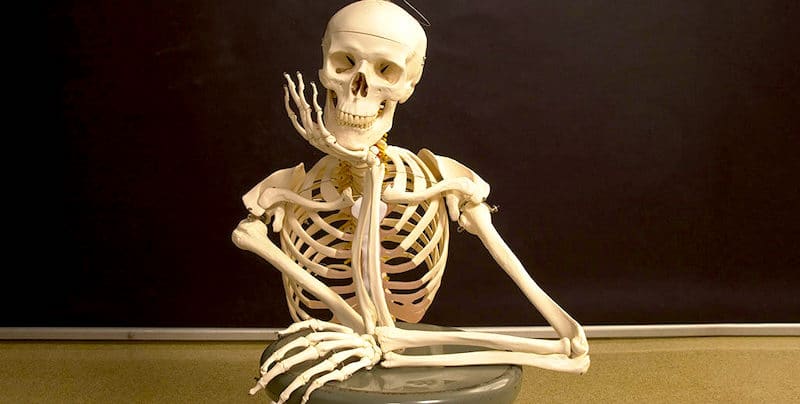
At a microscopic level, bones have an internal structure with many holes, similar to a honeycomb, which makes them rigid yet relatively light. In addition to allowing us to move by providing a rigid framework for the attachment of muscles, bones also protect our organs, make blood cells, and serve as a reservoir a number of minerals, especially calcium and potassium (bones contain 99% of the calcium in the human body). Calcium and potassium are critical for the functioning of your body and the concentration of these minerals in the blood must be tightly regulated: if your diet contains insufficient levels of these minerals, then your body pulls them from your bones, which is why a balanced diet is important. In osteoporosis, resorption pulls minerals from your bones faster than new bone is formed, leaving the holes in your bones larger (thus the name of the disease) and leaving a lower concentration of minerals, which causes our bones to become less dense: all of which weaken the bones, making them more prone to breaking.

What are risk factors for developing osteoporosis?

Many things—some we can control, others we cannot change—can tip the remodeling process towards bone removal/resorption, increasing the risk of developing osteoporosis. Some risk factors include family history of osteoporosis, older age, being female, being post-menopausal and not taking estrogen, being small/thin boned, and being of Caucasian or Asian ethnicity. Some diseases increase the risk of osteoporosis, including having type 1 diabetes, rheumatoid arthritis, chronic kidney or liver disease (such as HCV infection) and anorexia nervosa. And some medications are known to cause bone loss, including corticosteroids such as Prednisone, various anti-seizure medications such as Dilantin and certain barbiturates, and high-dose thyroid replacement drugs. And there are life-style choices that we can control that affect your risk of developing osteoporosis, including smoking, heavy alcohol consumption, being sedentary, and a diet low in calcium and vitamin D.

And having hemophilia—both hemophilia A and B of any severity—as well as being a carrier of the gene for hemophilia or having von Willebrand Disease, are all risk factors for developing osteoporosis, and for those with severe hemophilia A, developing it an early age. For many years it was believed that the increased risk of osteoporosis in people with hemophilia was primarily due a more sedentary lifestyle as a result of joint bleeds/joint pain and avoidance of exercise or sports that might cause a joint bleed. However, in recent years it has been found that factor VIII plays a role in bone health by binding to a protein that inhibits bone resorption, allowing resorption to proceed at a faster rate. And it is also speculated that thrombin, an enzyme created by the clotting process that helps form a fibrin clot, may also play a role in bone health. Bone metabolism is complex, and the many processes involved are not fully understood, but it is apparent that factor VIII, and perhaps other clotting factors, play a role in maintaining health bones. But having a bleeding disorder does not mean you are destined to develop osteoporosis.
Next week: Part 2! How to maintain healthy bones

PS Order this book for your kid with hemophilia, by Dr. Roy A. Meals!
The Queen and Hemophilia

Queen Elizabeth II

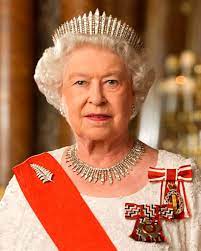
The Queen is dead; long live the King! This phrase is being used around the world as England mourns the death of Queen Elizabeth II. Her eldest son Charles, once married to Diana, has been pronounced King Charles III.

Queen Elizabeth II’s death renewed my curiosity about why the current royals—Charles (now Charles III) and Diana, Princess Anne, Andrew and Edward—and all their assorted children and grandchildren, don’t have hemophilia? After all, both Elizabeth II and Prince Phillip, her husband, were both direct descendants of the most famous carrier of hemophilia in the world—Queen Victoria. They are third cousins.

Hemophilia became the “royal disease” with Queen Victoria. She was, until Queen Elizabeth II, who just passed away at age 96, surpassed her, the longest ruling monarch in history, at 63 years and 216 days. Queen Victoria, a known carrier of factor IX deficiency, also called hemophilia B, was Prince Phillip’s great-great-grandmother.

The Paternal Lineage

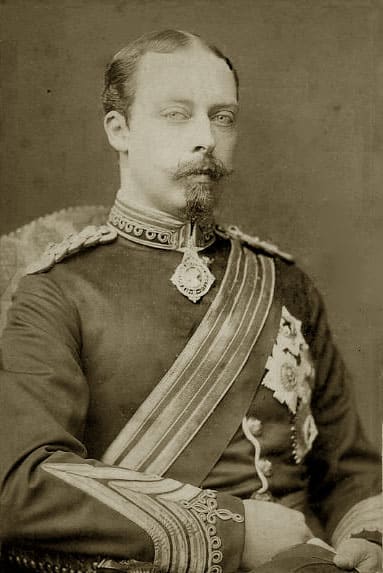
Prince Leopold

Prince Phillip was born a prince (unlike Diana, Camilla, Kate and Meghan, who married into the family). His mother, Princess Alice, was a great-granddaughter of Queen Victoria. Phillip was descended from the third child of Queen Victoria, also called Alice, who like her mother, was a carrier for factor IX deficiency, or hemophilia B. In fact, Queen Victoria had nine children, of whom two were carriers (Alice and Beatrice) and one had hemophilia (Leopold).

Alice married Louis IV, the Grand Duke of Hesse. Alice introduced hemophilia into the House of Hesse and this German lineage. There were seven Hesse children: one had hemophilia (Frederick) and two were carriers (Victoria, Phillip’s grandmother, and Alix). Alix married the Tsar of Russia, Nicholas II, and gave birth to Alexei (Alexis), who had hemophilia. So, Prince Phillip has a long and illustrious side to his family tree regarding hemophilia! It’s been proposed that Nicholas II was so distracted by his son’s suffering due to hemophilia, that eventually he lost his grip on the monarchy at a time when the Bolshevik Revolution was poised to strike. And it did strike.

Leopold, the only one of Queen Victoria’s nine children to have hemophilia, passed the carrier gene to his daughter Alice. Descendants of Victoria would married into the royal families of Russia, Spain, and Germany, and have children with hemophilia. And that’s where you get the moniker “Royal Disease.”

The Maternal Lineage

Queen Elizabeth’s side does not carry hemophilia. She is a direct descendant of King Edward VII, a son of Queen Victoria who did not have hemophilia. Phillip is her great-great-grandson but did not inherit hemophilia from his mother (not a carrier) or grandmother (also not a carrier but with a flip of the genetic coin might have been).

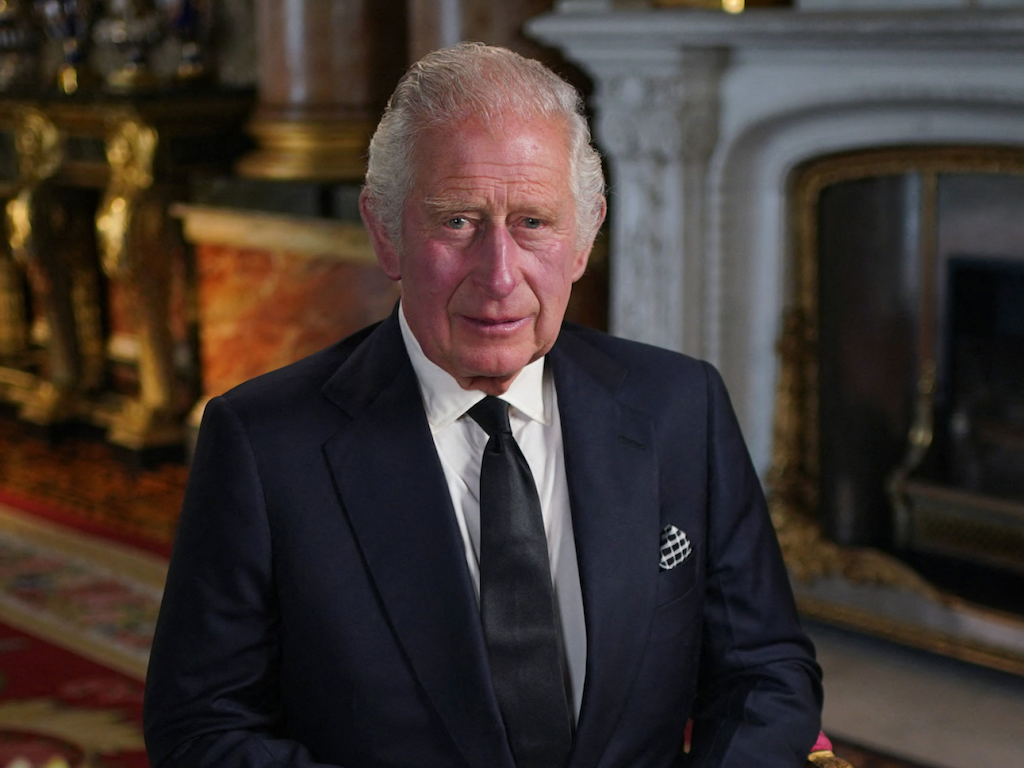
King Charles III, who does not have “The Royal Disease.”

Since Queen Elizabeth II had no hemophilia in her direct line, neither Charles nor his sons, William and Harry, have hemophilia or were ever at risk of inheriting it. We are happy none of them have hemophilia, but even if they did, with the excellent treatments we have today, it would not interfere much with their royal duties.

There as a time when I knew very little about the royals. I do recall in the 1980s playing the game Trivial Pursuit with friends, and pulling up the card that asked, “What disease is called the royal disease?” I knew the answer, but couldn’t recall why; did I read about Russian history? Or medical history? I don’t know; I just knew it. What I didn’t know is that a few years later I would give birth to a baby with hemophilia.

Our condolences to England for the loss of their lovely queen; and all best wishes to Charles as King Charles III.

Concussions and Hemophilia

Recently, a mother posted a question on a Facebook mothers’ group: how did everyone feel about allowing their child with severe hemophilia to go on roller coaster rides?

It’s a great question. During summer, I usually rerun one of our most popular “As I See It” pieces, on rollercoasters and head injuries, by the now retired but always great Dr. Richard Lipton, formerly of Long Island Jewish Hospital.

Also recently, our amazing archivist, Richard Atwood, of North Carolina, sent to us his review of the 2015 movie “Concussion,” starring Will Smith, about the discovery of chronic traumatic encephalopathy (CTE). It’s a fabulous movie, based on a true story, that uncovers how repeated head blows can lead to degenerative brain functioning. Hemophilia is mentioned in the movie.

Richard writes: “I’m surprised that the hemophilia community didn’t acknowledge this movie when it was released. Of course, it’s Hollywood. While the facts may be inaccurately portrayed, the movie still tells the important story of CTEs.”

So while there might be still time to visit an amusement park before summer ends, read this review, watch the movie and also read our article by Dr. Lipton.

During September 2002, in a Pittsburgh, Pennsylvania courtroom, Dr. Bennet Omalu testifies as an expert witness at the retrial, after the successful appeal, for a convicted murderer named Thomas Chambers. Dr. Omalu presents his credentials: medical degree from the University of Nigeria, residency at Columbia University, master’s degree in public health for epidemiology, board certification in pathology, certified physician executive in emergency medicine, completing an MBA at Carnegie-Mellon University, and a master’s degree in the theory of music from the Royal School of Music in London.

Dr. Omalu displays a blown-up photo of the hands from the female murder victim, showing blood, scratches, and torn fingernails, to demonstrate how she fought her killer, and lost. Dr. Omalu also displays a blown-up photo of the hands of the defendant, showing blood from the victim, but no wounds. Chambers claims that he only touched the female victim to aid her. Dr. Omalu is puzzled by these photos. He learns from the medical records that Chambers stated, “I hate blood,” because as a child, after he had a tooth pulled, the bleeding did not stop. There is a history of hemophilia in the family, yet Chamber’s father, when asked, stated that there is none. Dr. Omalu tests for a strain of hemophilia A so rare that it is not tested for. Thomas Chambers tests positive for hemophilia A. Dr. Omalu claims that if Chambers were scratched or bitten, then he would bleed to death. Therefore, convicting Chambers to a death sentence would be killing an innocent man.

Dr. Omalu, the most junior coroner in Pittsburgh, Pennsylvania, is on call when the body of Mike Webster, age 50, a former Pittsburgh Steelers football player, is brought to the morgue after his suicide. Dr. Omalu, at his own expense, studies Webster’s brain. When he finds tau protein in the brain slides, similar to the effects of Alzheimers’ disease, Dr. Omalu calls the condition Chronic Traumatic Encephalopathy (CTE). He publishes his case report in a medical journal. The National Football League disputes the scientific proof of CTE being caused by football collisions because, according to the NFL, football players do not experience concussions. Dr. Omalu finds CTE in the brains of other deceased former professional football players, but the NFL continues to dispute the results, even snubbing Dr. Omalu at a medical conference on concussions.

This movie is based on a true story. The Special Features selection on the DVD includes a short documentary film called ‘Inside the True Story.’ The real Dr. Bennet Omalu, Dr. Julian Bailes, Dr. Cyril Wecht, and Dr. Ronald Hamilton are interviewed. The viewer can compare these individuals to the actors who play them: Will Smith, Alec Baldwin, Albert Brooks, and Stephen Meyer. The author Jeanne Marie Laskas, who wrote the article and the book about Dr. Omalu’s discovery of CTEs and his fight with the NFL, is listed as a consultant in the movie credits. Hemophilia is mentioned only in the short opening courtroom scene, in which Dr. Omalu is introduced to the movie audience. The movie states that certain names and situations have been altered, and this is evident from the retrial of the real individual with hemophilia named Thomas Kimbell (not ‘Thomas Chambers’), who never touched any of the four murder victims (not just one female). Will Smith does not exhibit the real Dr. Omalu’s short height, shrill voice, or shrieking laughter, and even tones down his Nigerian-formal English accent, yet he still portrays a convincing character role.

Concussion, 2015, Sony Pictures. Writer and Director: Peter Landesman

Cast: Will Smith, Alec Baldwin, Albert Brooks. Rated PG-13; 2 Hrs. 3 Mins.

VWD in the Land of Fire and Ice

Being in the Nordic regions of the world made me think about the origins of von Willebrand disease (VWD), how it was identified. Why?

VWD was named after the doctor who first identified it: Dr. Erik Adolf von Willebrand, a Finnish physician who first described VWD in 1926. He began to study an unusual bleeding disorder in the local communities, called Ålandic hemorrhagic disease. In 1925, Dr. von Willebrand evaluated a five-year-old girl named Hjördis. She lived on the remote island of Föglö, which belongs to Åland, a group of islands in the Baltic Sea between Sweden and Finland.Hjördis was bleeding excessively from her lip following an injury. She had a history of nosebleeds and bleeding following tooth extraction. She was one of 12 children, 10 of whom showed bleeding symptoms. Sadly, four of her siblings died of uncontrollable bleeding between the ages of two and four. Hjördis herself later bled to death during her fourth menstrual period. When Dr. von Willebrand studied the extended family, he discovered that 23 of 66 family members (16 females and 7 males) also had bleeding problems. The history of the original Finnish family has now been traced back to 1750, identifying over 1,000 members, with 125 known to be affected, and 12 who died from bleeding.

According to the website of the Icelandic Hemophilia Society, Iceland has about 127 registered people with VWD. Of these, 60 are mild (Type I) and 67 are severe. We know there are three main types of VWD, and numerous subtypes, so this information isn’t very clear on how many have what type. But we can be assured they are getting excellent care. And we mentioned last week that Icelanders have kept excellent genealogies of their families, meaning we can trace back family lineages for, in some cases, thousands of years, like the Finnish VWD family first recognized as having VWD.

I hope to return to Iceland and meet some of these friendly people who belong to our global family, in the land of fire and ice!

You can read all about VWD in our book, A Guide to Living with von Willebrand Disease, free to patients! Order here.

Hemophilia in the Land of Fire and Ice

We’re noticing a lot of news about gene therapy lately, with promises it will soon be commercially available for those with hemophilia B. We will see! In the meantime, genetic testing has been on my mind, especially as I flew to Iceland this past weekend. Iceland has been called the perfect genetic laboratory, but not because it has a population of little more than 366,000 people. Or, as one handsome Icelandic man told me last night in a pub, “Can you imagine dating at my age in such a small population?”

Iceland was settled by a small group of Norwegians around AD 900. The country was isolated for the next thousand years and has experienced little immigration. And the Icelanders kept excellent genealogies of their families, meaning we can trace back family lineages for, in some cases, thousands of years. Altogether, Icelanders have a relatively low level of genetic diversity, making it easier for scientists to detect genetic markers. I found one source that said two Icelandic families with a history of breast cancer can be traced back to a common ancestor born in 1711!

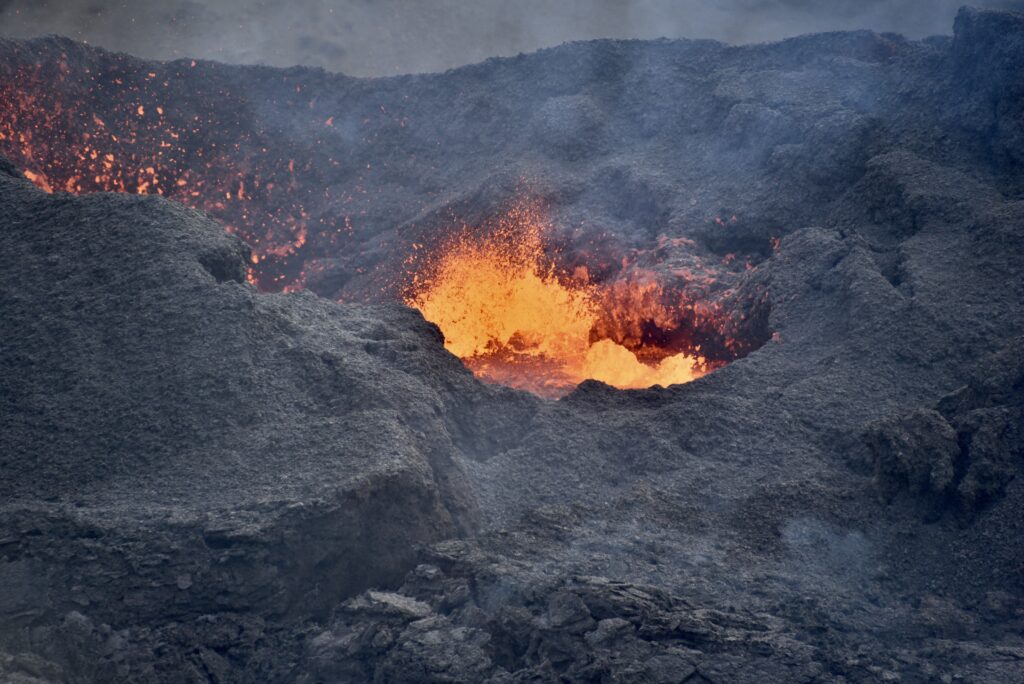
Fagradalsfjall volcano erupting this weekend

A third or more of the population has donated a DNA sample, to track familiar connections. This is important if you have a genetic disorder or disease, and want to get married. And if you don’t want to marry a relative!

With a population of only 366,000, there are 67 known people with hemophilia A—of which 47 are mild! Only 13 are severe. There is only one person known to have hemophilia B. Hard to imagine a country with so few people with hemophilia. The good news is that of course, they are well known, registered with the treatment center, and all receive excellent treatment. Iceland has socialized medicine (but don’t forget a 31-46% income tax rate).

From the Icelandic Hemophilia Society website, all people with severe hemophilia receive prophylactic home therapy. Others receive on-demand treatment. Recombinant factors have been used for hemophilia A and B since 1998, and since then, plasma-derived has not been used.

The Icelandic Hemophilia Society was established in 1977, to guard the interests of people with hemophilia, and to provide information and consultation to patients and their families. The board consists of 5 members, elected every second year except the chairman, who is elected every year. The current chairman is Birgir Orn Steingrimsson. All board members and staff work as volunteers.

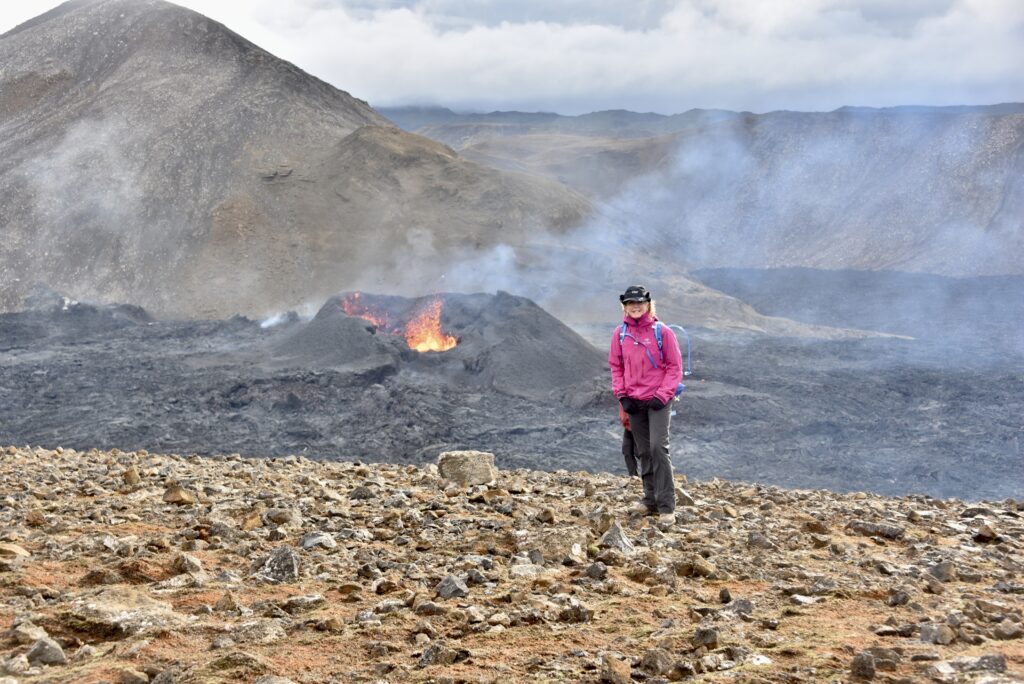
Laurie Kelley at Fagradalsfjall 

The Icelandic Hemophilia Society is a member of the World Federation of Hemophilia, and the European Hemophilia Consortium.

Iceland is an amazingly beautiful country of cold and strong winds, though with a rather mild climate year round. It’s a land of volcanos, and I was fortunate enough to see the

Fagradalsfjall volcano as it was erupting. No volcanic eruption had occurred for 815 years on the Reykjanes Peninsula—where  Fagradalsfjall  is located—until March 19, 2021 when a vent opened in Geldingadalir, south of the Fagradalsfjall mountain. Lava flowed freely and dramatically until September 18, 2021. This eruption is considered unique among the volcanoes monitored in Iceland.

I arrived this past Friday, August 18,  at 4 am, while my friends back in Boston slept. With me was Trista Blanchard, a hemophilia colleague who I had only met once before at an NHF event several years ago, and who, two days later, became a dear friend. By 6 am, Trista and I were hiking up 4.5 miles to the volcano. We sat on the damp ground, marveling at the volcano’s ferocity, its expression. It roared as it spewed out molten rocks. This is what the beginning of earth must have been like, and we both felt like momentary and forgettable blips in the history of the planet. But happy blips: we felt privileged to witness this stunning geological upheaval. All around us for miles was undulating hardened black basalt, the result of a lava flow that had happened only two weeks ago.

We returned later that day to Reykivik, the capital, and I thought about that one lone Icelander with hemophilia B, whoever he is. He’ll make history, hopefully in the next couple of years, as being the first person in Iceland to receive gene therapy, and hopefully be “cured,” whatever that will mean practically for hemophilia, and for him.

HemaBlog Archives
Categories