Laurie Kelley

Wearing White for Hemophilia

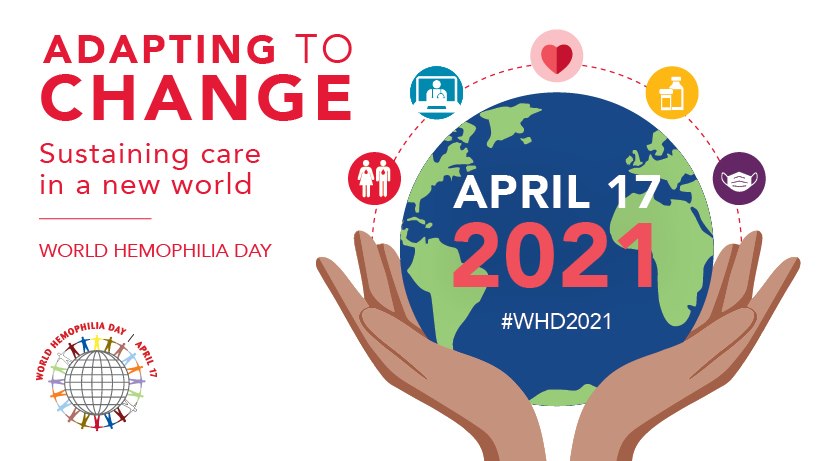
World Hemophilia Day, April 17, is when our community typically wears red, to signify blood, and our unity by blood. I decided years ago to wear white. Why white?
The widely used hemophilia logo features a red and white person standing together in unity. The red represents those with access to factor; the white, those without. And that’s why I wear white. To represent the people I serve most, in developing countries where little to no factor exists, or where donations of factor are not a consistent or sure thing. The logo used to feature a white feature leaning on a red figure, but this was eventually deemed disempowering. I agree!

Around the world, the hemophilia community is encouraged to speak out about hemophilia, to educate the public and to celebrate achievements on this day. Here’s an impressive video of youth in the Philippines; please watch! I visited the Philippines in 2008, when very little was being done to make substantial change. It is now happening, with even a Filipino senator getting involved with World Hemophilia Day! #PassHemophiliaBillNow

https://tinyurl.com/WHD2021YouthVideo

And this Facebook posting was written by a once little boy I met in Pakistan, who is grown now, and has suffered but overcome so much. I’ve been to his home; his family is poor. But he has a future and attitude is everything. Read this amazing post:

Accept Yourself

Zubair Ghafoor

This day is not to highlight your deficiencies, not to remind you about what you are deprived of.
The day is to Celebrate,
Celebrate we were, we are and we will together like a family.
Celebrate that someone is always there to bring you all the way back towards normal life.
The day is to give gratitude,
To all those who put their efforts from minor to major to make our lives less-miserable, either they themselves are haemophiliac or not.
To all those parents that were and are facing from social stigmas and taboos but they are still with us with more power than before.
Thank to yourself that you still believe in you, becoming stronger and having consistency each day.

Last but not the least, we are all come up with our long struggle stories full of difficulties but what matter is that we are still standing all the way with positivity that God who has created us, has planned something more better than this.
Imperfections makes you beautiful, unique from others. So, to All Out There, You Are Not Alone!
If the glass is half empty, look at that it is half full, too.
This is how life goes on…
ACCEPT YOURSELF!

By M Zubair Ghafoor

Happy World Hemophilia Day and let’s keep on, in the memory of those we have lost, for those still living and in need, and for those not yet born.
Why Harry Doesn’t Have Hemophilia

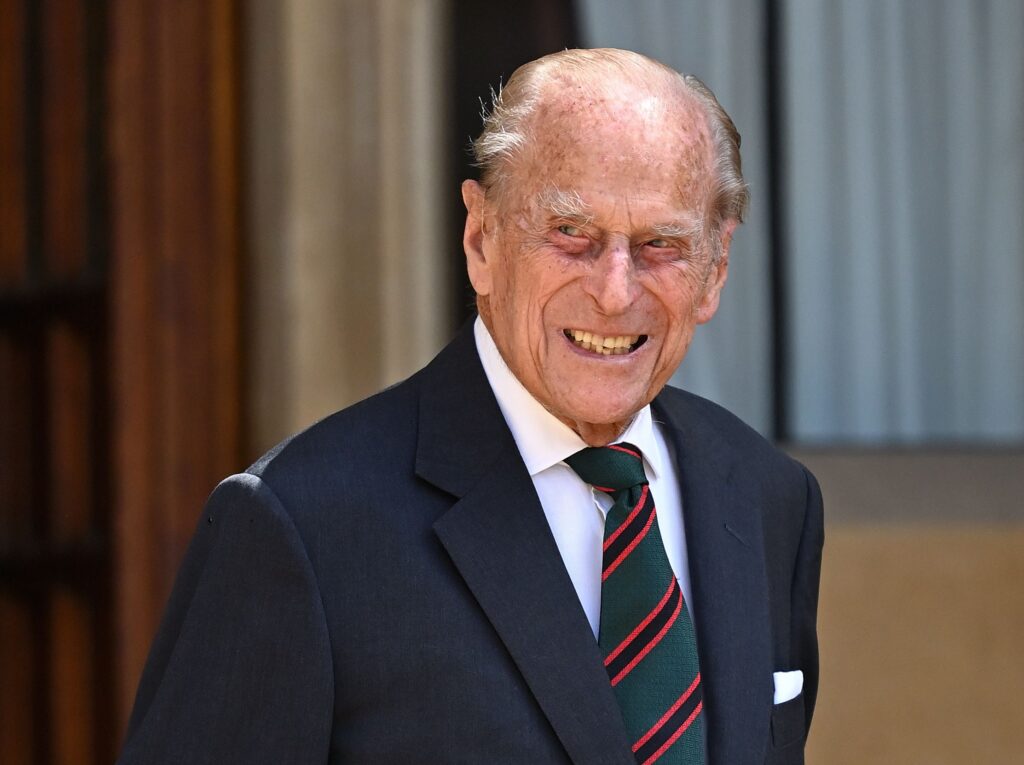
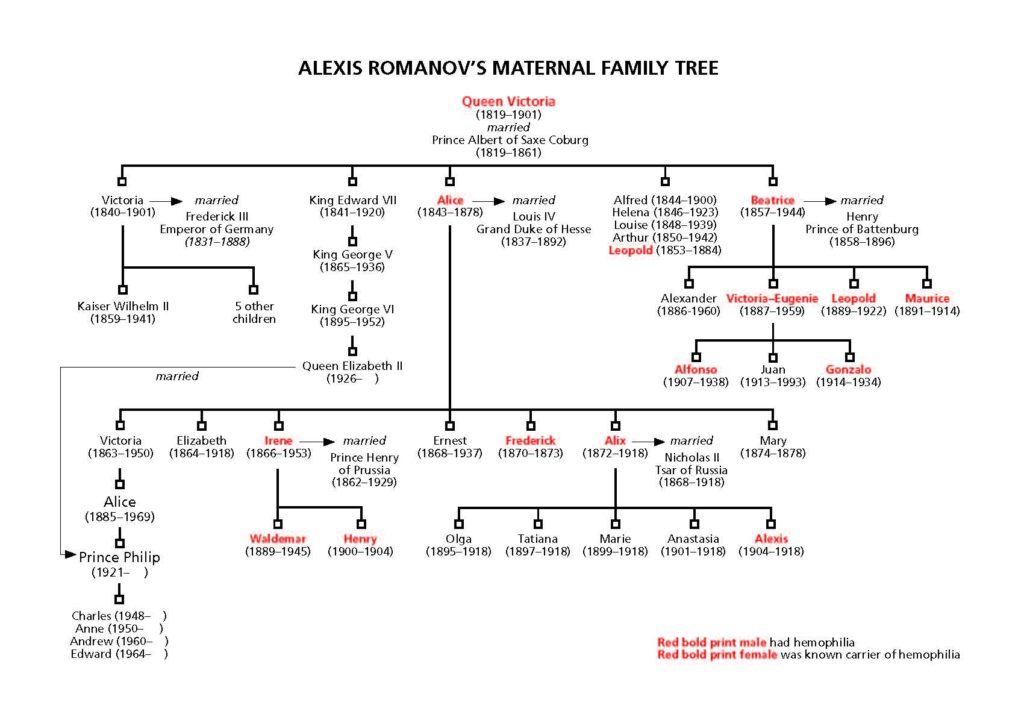
The randy royal Harry has been usurping the news lately, after his infamous interview with Megan on Oprah. But the royal who truly deserves some attention is Prince Phillip, Queen Elizabeth II’s spouse, who died last week at age 99. Hemophilia is known as the “royal disease,” primarily due to Phillip’s and Elizabeth’s joint family tree: Phillip’s great-great-grandmother was Queen Victoria, a known carrier of factor IX deficiency, also called hemophilia B. Let’s look at his family tree, to answer the question, why doesn’t Harry (or William, or Charles, or Phillip) have hemophilia?

Prince Phillip

Prince Phillip was born a prince (unlike Diana, Camilla, Kate and Megan, who married into the family). His mother, Princess Alice, was a great-granddaughter of Queen Victoria. Phillip was descended from the third child of Queen Victoria, also called Alice, who like her mother, was a carrier for factor IX deficiency, or hemophilia B. In fact Queen Victoria had nine children, of whom two were carriers (Alice and Beatrice) and one had hemophilia (Leopold). These are very good odds!

Alice married Louis IV, the Grand Duke of Hesse. Alice introduced hemophilia into the House of Hesse and this German lineage. There were 7 Hesse children, and like their grandmum, one had hemophilia (Frederick) and two were carriers (Victoria, Phillip’s grandmother, and Alix). Alix married the Tsar of Russia, Nicholas II, and gave birth to Alexis, who had hemophilia. So, Prince Phillip has a long and illustrious side to his family tree regarding hemophilia! It’s been proposed that Nicholas II was so distracted by his son’s suffering due to hemophilia, that eventually he lost his grip on the monarchy at a time when the Bolshevik Revolution was poised to strike. And it did.

Queen Elizabeth? Not so much drama with hemophilia. Why? She is not a carrier of hemophilia. She is a direct descendant of King Edward VII, a son of Queen Victoria who did not have hemophilia. Now, Queen Elizabeth and Prince Phillip are related as third cousins. But since Phillip did not inherit hemophilia from his mother (not a carrier) or grandmother (also not a carrier but with a flip of the genetic coin might have been), and since Queen Elizabeth had no hemophilia in her direct line, neither Charles nor his sons, William and Harry, have hemophilia.

Harry’s got other problems, but hemophilia isn’t one of them, thankfully!

The Royal Disease

Hemophilia Myth #3: Outgrowing

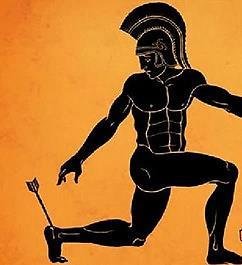
This month of March, Hemophilia Awareness Month, we’re exploring myths about hemophilia. Myths are stories, sometimes created by people in an attempt to make something understandable when scientific information is unavailable. The ancient Greeks had many myths that we still reference. Remember the myth of the demigod warrior Achilles, son of Theta, a sea goddess, and Peleus, a mortal? His mother dipped the infant in the river Styx, which was said to have protective powers, so that Achilles could be kept invulnerable in battle. But his mother held the infant by his heel, which did not get wet, and so his heel was his weak spot. Today, we say that someone with a weakness has an “Achilles heel.”

Myth: Children with hemophilia will grow out of it.

This is a myth. Someone who says this to you does not understand the science behind hemophilia.

Truth: Hemophilia is a lifelong condition. Your child does not have a disease that will get better or go into remission. Your child will not grow out of hemophilia: the mechanism for producing clotting factor is defective. Hemophilia is part of his genetic makeup, just like traits for hair or eye color, which can’t be outgrown.

But someday–maybe someday soon–we will have gene therapy, and your child may be cured.

Hemophilia Myth #2: Cuts

Myths evolved in history when people lacked scientific information to explain natural phenomenon. During March, Hemophilia Awareness Month, we’re looking at hemophilia myths!

Last week, Myth #1: The Royal Disease. Here’s Myth #2. A small cut will cause blood to rush out, and the child will bleed to death.

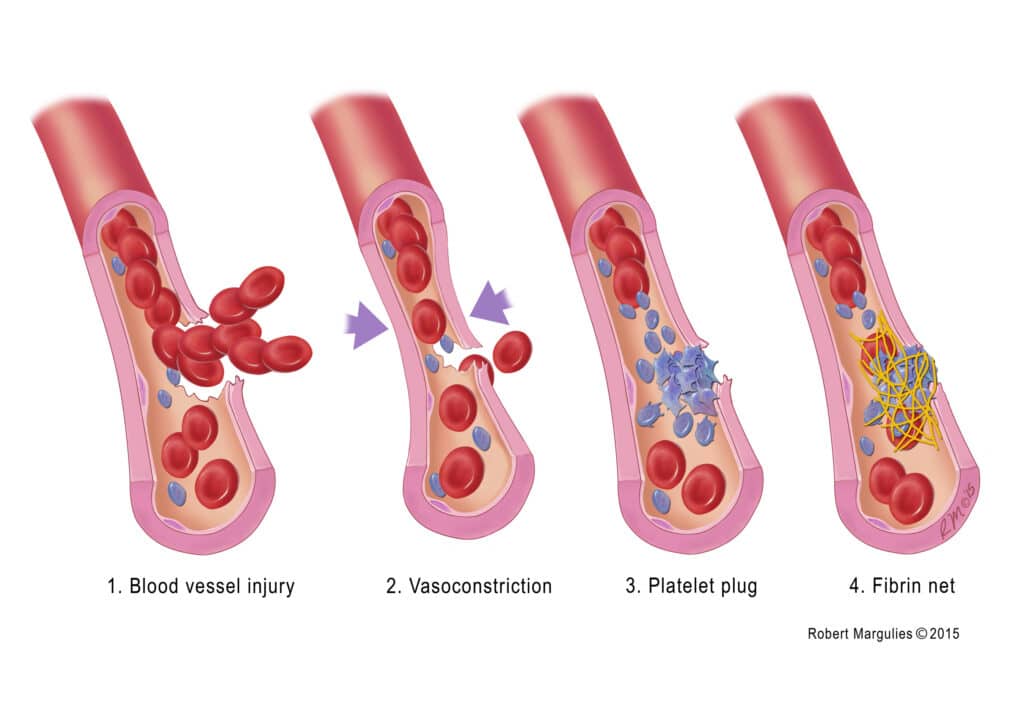
Truth: People with hemophilia do not bleed faster than anyone else. But they will bleed longer because their blood doesn’t clot properly. Still, not every cut will continue to bleed just because a person has hemophilia. Some cuts, especially small ones, stop bleeding on their own.

Do you know the three steps in coagulation? 1) Vasconstriction 2) Platelet plug 3) Fibrin net.

Blood vessel injury, vasoconstriction, plateletplug, fibrin net
HemaBlog Archives
Categories