Laurie Kelley

The Philippines: Unseen Forces of Support
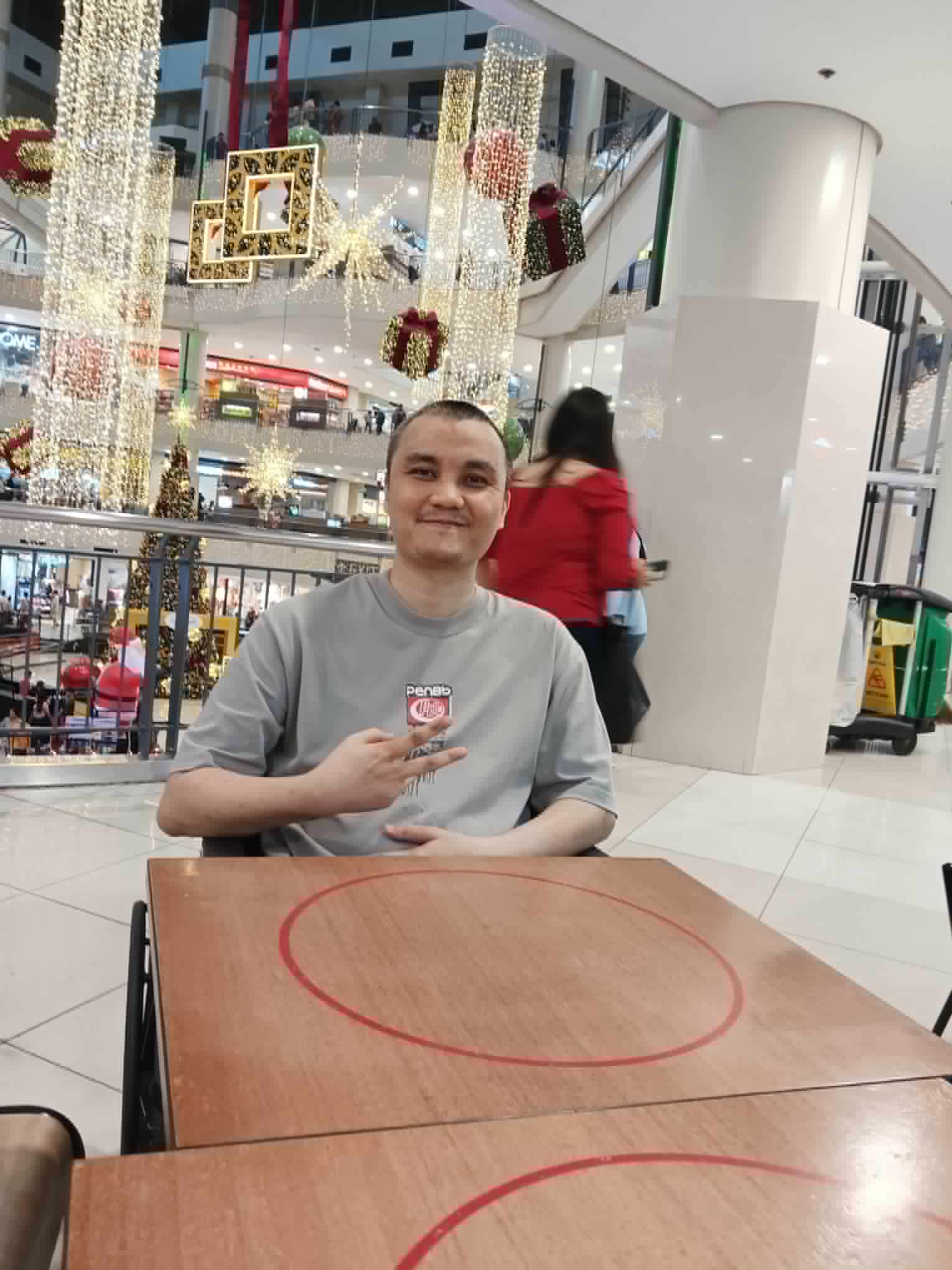
My name is Angelo, and I am living with hemophilia in the Philippines. This condition has been a constant companion in my life, presenting unique challenges that not everyone fully understands. Hemophilia affects how my blood clots, making even minor injuries a potential crisis. This is my story of resilience, hope, and the invaluable support I’ve received from people who truly care.

Despite all the care and infusions, the aftermath of those hospitalizations left my veins delicate, making IV insertions a struggle. Even a 22G cannula, a larger-than-average needle, now poses challenges, often requiring multiple attempts to find a usable vein. I recall one hospital admission where a series of failed attempts to secure a line left me feeling exhausted and stressed. It was a wearisome experience, physically and mentally. Fortunately, my compassionate hematologist at the time understood my situation and allowed me to go home after a few successful transfusions, even though my hemoglobin levels were still below ideal. This was a small victory in a long and difficult battle.
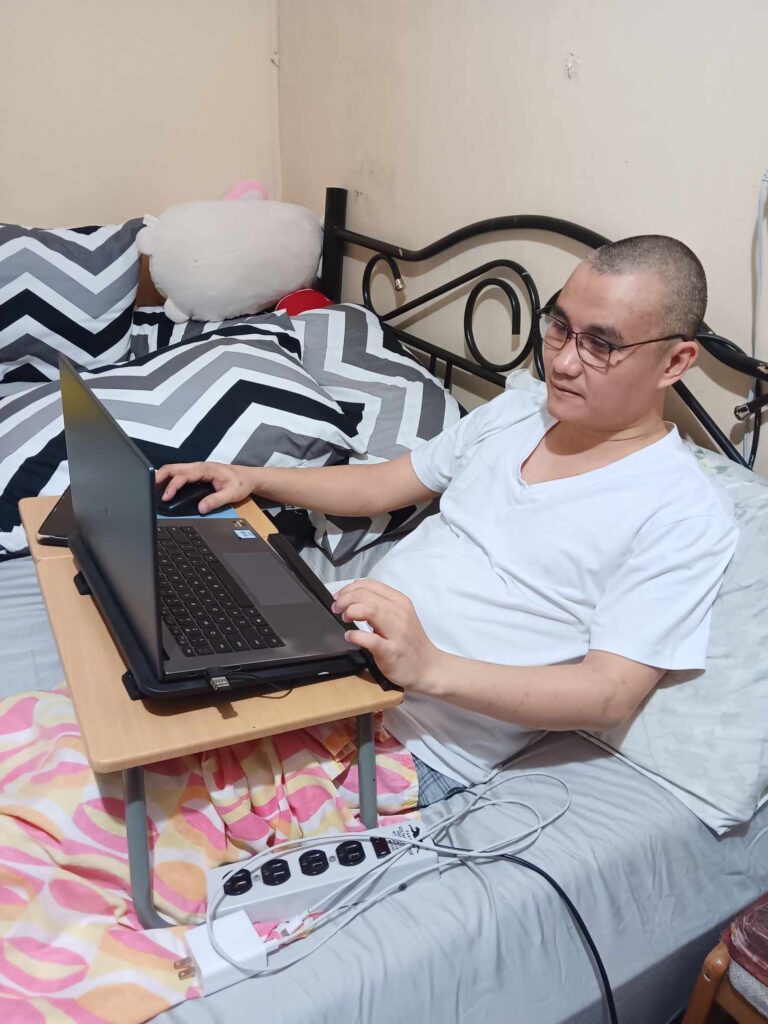
Since my last hospitalization in 2017, I have managed my condition at home. I often choose to bear the pain of bleeds rather than face the struggles of another hospital admission. The thought of being poked and prodded again is daunting, so I’ve learned to cope with my condition as best as I can. My condition has also affected my mobility, I require crutches for support, relying heavily on my upper body to assist me in standing. Both of my feet, especially my right one, are significantly slanted and cannot lie flat on the floor, complicating my ability to move around. My knees, particularly my right knee, are severely restricted in movement, adding yet another layer of complexity to everyday life. Simple tasks like walking or even standing for long periods can become exhausting, and I often have to plan my day around my physical limitations.

Despite these struggles, I am deeply grateful for Hemophilia Advocates- Philippines (HAP), our hemophilia organization here, which has been a lifeline during emergencies. Their support has been crucial in moments when I needed help the most. Over the years, I have requested assistance for factor multiple times, with my most recent request made last October. Unfortunately, it was not granted due to low supplies that are only allocated for emergencies. While it was a challenge, I remained hopeful, knowing that support comes in many forms. In light of the situation, I turned to Ma’am Laurie Kelley, a compassionate individual known for her generosity. I shared my situation with her, and to my relief, she kindly offered to send me factor herself. Her willingness to help reminded me of the goodness that still exists in the world.

Living with hemophilia in the Philippines, where medical assistance for rare bleeding disorders is scarce and costly, has been a constant challenge. The healthcare system here is often strained, and access to specialized treatment can be limited. Although I am employed, the average salary here makes it incredibly difficult to afford the necessary treatments on my own. I sometimes worry about the future and how I will manage my condition without the support of others. Yet, through the relentless support of people like Rev. Fr. Kill, Ma’am Laurie, and HAP, I continue to find strength and hope. Their kindness has taught me that I am not alone in this fight.

This journey has taught me to appreciate every act of kindness and to stay resilient. I have learned that, while my condition presents many challenges, it has also brought extraordinary people into my life. For those of us with rare conditions, even small acts of understanding and support can make all the difference. It’s these connections that give me hope for a better tomorrow, where I can live my life with dignity, strength, and the support of those who care.

Disaster Scenario

Valencia, Spain was ripped with a horrific flood this week, comparable to the effects of a tsunami. At least 205 are known dead and the count will surely climb. In the US, we recently had Hurricane Milton, one of the deadliest storms to hit Florida on record. Recently there were also floods in Nepal and the Sudan, and a hurricane in Mexico and again, Florida.

It’s a reminder to be prepared for disaster scenarios. These disasters are promoted on the news frequently, and may point to climate change as storms seem to be more intense and severe. Whatever the cause, there are many things you can do as a bleeding disorder patient and family to be prepared for catastrophe.

First, know the geography and weather patterns wherever you live. California has many geographical faults that cause earthquakes; wildfires are particularly bad. The midwest states of Texas, Nebraska and Kansas are dubbed “tornado alley” for their frequent and sometimes devastating tornadoes. The northeast has “nor-easters” every ten years or so. And Florida, as we’ve seen recently, is hit with hurricanes that often originate off the coast or in the Caribbean Sea.

On the east coast, we know that September and October are hurricane season moths. Normally we are lashed with the tail end of a Caribbean-originated hurricane. We once had “The Perfect Storm,” a 1991 hurricane that struck on October 28, and became a massive killer. Damage was most severe in Massachusetts; the story became a movie of the same name, starring George Clooney. We ensure we are stocked with wood for a fire, shovels, spare food—even snowshoes!

Second, always ensure you have enough factor and ancillaries. When storms hit, you often are not able to travel, and face power outages. Your factor supplier may not be able to bring you factor, and you may not be able to contact them. Keep at least 10-20 doses in your fridge at all times, and plenty of ancillaries.

Third, keep candles and flashlights ready, with fresh batteries. Keep your cell phone charged, and have a power bank charged and ready if your phone runs low on power.

Finally, know your local emergency numbers, in case you need to be evacuated due to your medical condition. Callers have overwhelmed 911 services, so you may not be able to always reach help when you need it.

As soon as you hear that a storm is developing, even if it is in Florida and you are in Massachusetts, be prepared for a worst-case scenario. Keep updated with popular apps like RadarOmega, Radarscope, and the FEMA App. Ask your local bleeding disorder organization what they suggest for being prepared and for help during a natural disaster.

Don’t wait till disaster strikes! Don’t be caught unprepared.

Pain and Gain

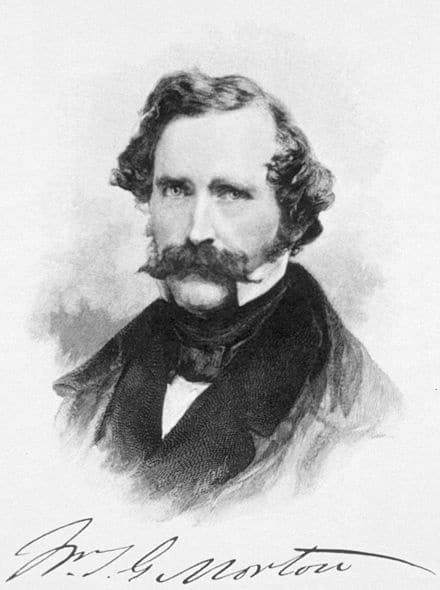
Each October 16 I give a silent thanks to one of the Massachusetts men who helped to eliminate pain in surgery: Dr. William Morton (1819-1868). He was born in Charlton, Massachusetts, where my grandmother grew up.

As a dentist, he witnessed the incredible pain his patients endured. During his time, there were no pain killers for surgery. Medicine was just at the beginning of becoming the profession as we know it today. Even as late as 1874 in the US, medical schools were little more than trade schools. Applicants didn’t need undergraduate degrees. There was no consensus on treatment, no models for medical studies. Most physicians still followed the Hippocrates theory of the “four humors.”  

Disease and deformity were rampant, especially in the overcrowded and teeming cities of the world. The cause of infection was not discovered yet; there was no understanding of germs. And the pain of surgery was intolerable. Limb amputation most common type of surgery and the “best” surgeons were the fastest: the best could remove a limb in five to ten minutes. But blood transfusions were not available yet, and patients often went into shock and died. It’s no surprise that prior to 1846 little elective surgery was done.

All of that changed on October 16, 1846. Morton first publicly demonstrated the use of inhaled ether as in surgery at Massachusetts General Hospital, in the now named “Ether Dome.” Just two weeks prior, he had performed a painless tooth extraction on patient Ebenezer Hopkins Frost, using ether. On October 16, using Morton’s ether, Dr. John Warren removed a tumor from the neck of a patient—without pain. The news spread like wildfire around the world. Oliver Wendell Holmes—physician, lawyer, poet, and founding father of the Supreme Court—dubbed it “anesthesia.”

The medical breakthrough was not without its controversy. Correct dosages were not yet known—that would be experimented with by Dr. John Snow of England. Morton’s partner, Dr. Wells, objected to Morton claiming to be the only one to have discovered this, and trying to patent it. Their partnership never recovered. The patent was never enforced, and ether soon came into general use.

Morphine had been first isolated between 1803 and 1805, and Merck began selling morphine commercially in 1827. With the invention of the hypodermic syringe in 1853, morphine use spread. Localized anesthesia began to be used in 1884 by injecting cocaine into the wound location. Pain was relieved, but addiction, even among doctors, spread.

MGH honors the October 16 event in its Ether Dome, which is open to the public. Between 1821 and 1868, more than 8,000 operations were performed there. Today it is a teaching amphitheater and historical landmark. Visitors can appreciate the architecture and study the artifacts related to the elimination of pain, so important to those suffering, like our patients with bleeding disorders.

Before whom, In all time, Surgery was Agony

By whom, pain in surgery was averted

Since whom, science has control over pain

— Morton’s tombstone, Mt Auburn Cemetery, Cambridge, Massachusetts

Writing Your Autobiography

Have you ever thought that your experiences with a bleeding disorder would be worthy of a book? That others would be educated, comforted, even entertained by your experiences?

Many have. And they’ve written their own story—an autobiography. I believe the first commercially published account was the classic Journey, by Robert K. and Suzanne Massie. For many parents in my age group, it was our first read about hemophilia, and it was scary. Of course, it detailed a time of raising a child with hemophilia in the 1960s, when treatment consisted of constant trips to the hospital to get plasma or cryoprecipitate. But it is expertly written.

It took a while for other autobiographies to follow, but eventually they did, concerned mostly with the HIV scandal. Eventually, other books followed, including stories about life with modern treatments, included children’s books (told “by” the child), books about athletes with a bleeding disorder, and more.

Unlike Journey, many of the books are self-published. This is a fast way to publish a book but risky. Many of the books are not properly edited. Some have typos, or lack organization. As I’ve been publishing books since 1990, and have a great editorial team, I’ve been approached by some people to help them write their autobiography. I offer my editorial services for free, but there are times when I will reject a story because of lack of focus, poor writing and authors who don’t want to accept advice.

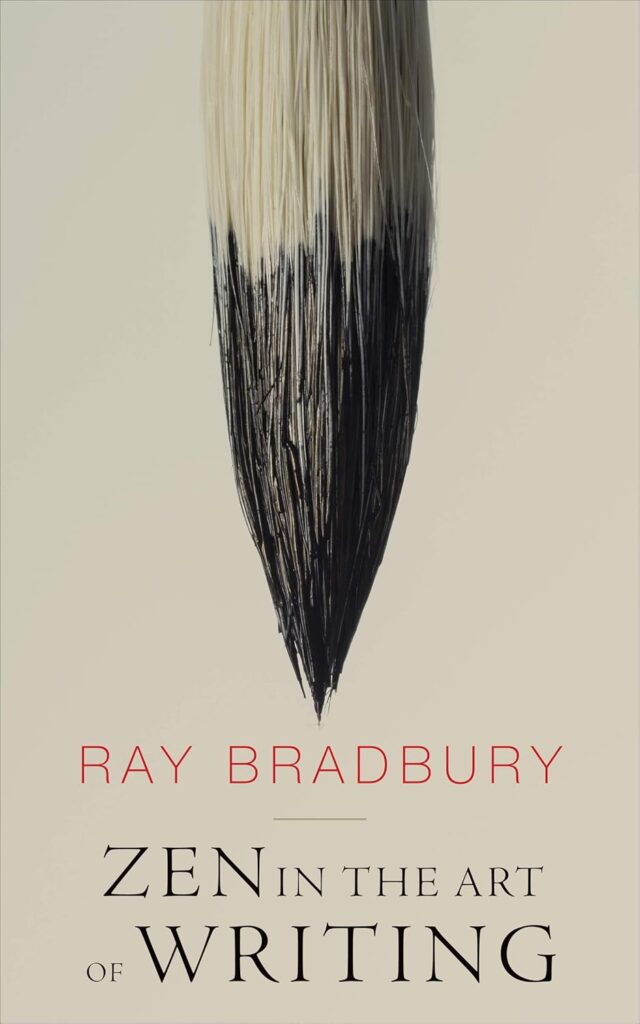
I recently read a book by one of my favorite authors, Ray Bradbury. Zen in the Art of Writing is an easy book to read, full of practical tips, and motivating. Bradbury is a master. If you think you have a story good enough for an autobiography, consider buying and reading this great book as a start. At the very least, consider his sage advice. He emphasizes having passion, exercising your reading and writing skills (the first step in becoming a writer is to be a voracious reader) and be brave!

From the Master himself:

  1. The first thing a writer should be is excited. What do you want more than anything else in the world? What do you love, or what do you hate?
  2. Be passionate with abandon. Tomorrow, edit and cut. But today “explode—fly apart—disintegrate!”
  3. Write fast at first. The faster you write, the more honest you are. Bradbury wrote the draft to his masterpiece Fahrenheit 451 in only nine days.
  4. Practice writing—anything. Bradbury wrote at least a thousand words a day, from age twelve on.
  5. Don’t always look outward for ideas, look inward. Think, dream. Ponder your life. Tae long walks and let thoughts flow.
  6. Read poetry every day. Poetry is different than prose, and causes us to think differently, more creatively, which will help your writing.
  7. Read daily; find an author whose writing you like and can learn from.
  8. Use all your senses when you write: color, sound, taste, and texture.
  9. Edit! Find a good, professional editor and learn yourself how to cut. Bradbury writes of the author, “His greatest art will often be what he does not say, what he leaves out, his ability to state simply with clear emotion, the way he wants to go.”

And drum and crack the mind to awe,

To behold beauty yet perceive its flaw.

Then, flaw discovered, like fair beauty’s mole,

Haste back to reckon all entire, the Whole.

This done, pretend these wits you do not keep,

Go panther-pawed where all the mined truths sleep.

Zen in the Art of Writing, page 157.

True Crime and VWD: The Staircase Saga

Crime stories—whether fiction or nonfiction—have always fascinated but seem even more popular than ever. Murder mysteries and whodunnits. Organized crime or the kid next door. True crime—often about murder—ironically has new life recently, with smash-hits on Netflix like Lover Stalker Killer, The Menendez Brothers and Dahmer.

Our amazing archivist from North Carolina, Richard Atwood, researcher and reader extraordinaire, has a particularly interesting true crime story—the Staircase saga.

He writes: “This true crime event has maintained a bizarre fascination over two decades of debate. On the night of December 9, 2001, author Michael Peterson found his wife, Kathleen, dead at the bottom of a back staircase in their Durham, North Carolina home, surrounded by blood spatter. The police suspected murder and arrested Michael, who was the last person to see Kathleen alive. During the 2003 nationally televised trial, the prosecution introduced evidence that, sixteen years earlier, Michael was the last person to see a certain Elizabeth Ratliff alive before she was found dead—surrounded by blood spatter—at the bottom of a staircase in Germany. It was revealed that Elizabeth Ratliff had von Willebrand disease, a condition that complicated the determination of her official cause of death. There were too many coincidences between the two deaths involving staircases.

“This Staircase saga has personal connections. The murder and trial were a big deal here in North Carolina, as well as nationally. My son and his family live a half mile from the Peterson house. After Michael’s murder conviction was overturned and he returned to Durham, my son reported that friends of his would see Michael working out in the gym—a practice picked up in prison—then add slyly that it was on the step machine. This black humor is prevalent in Durham where many, but not all, consider Michael guilty of murder. I should also add that the psychologist named Margie Fargo, who was the jury consultant for Michael’s legal defense team, was my date to our high school senior prom in Atlanta back in 1968. Margie continues to profess Michael’s innocence.

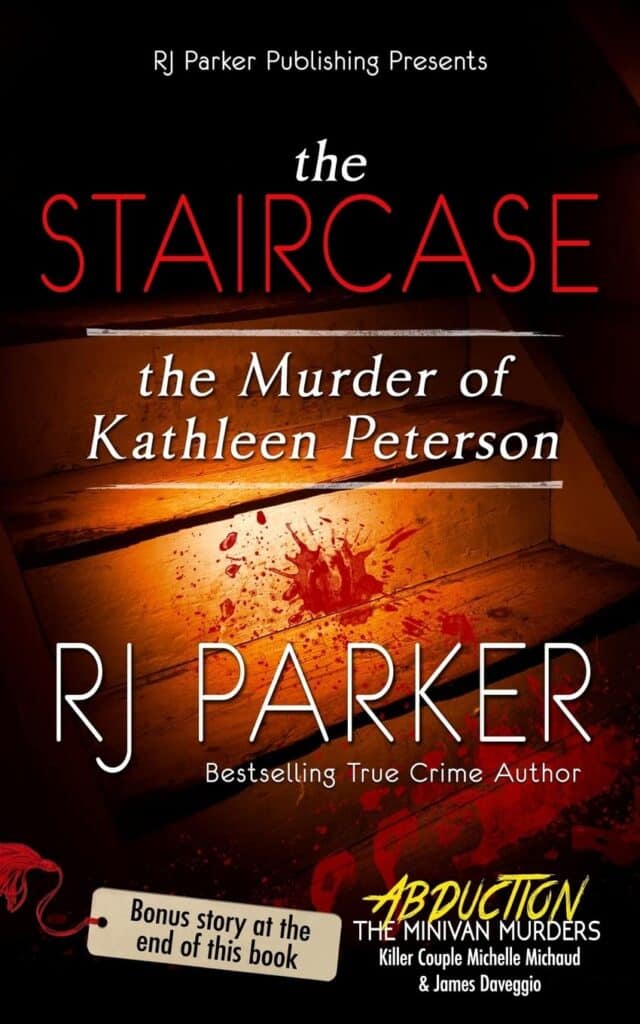
“The body of work under the name ‘The Staircase’ keeps expanding. The 2003 murder trial was broadcast live and thoroughly discussed on Court TV, the former cable television network. The author Diane Fanning wrote Written in Blood: A true story of a murder and a deadly 16-year-old secret that tore a family apart (2005). The French filmmaker Jean-Xavier de Lestrade released his almost seven-hour documentary The Staircase (2005) on Sundance (and later on DVD). To provide updates, R.J. Parker wrote The Staircase: murder of Kathleen Peterson (2018) and Aphrodite Jones wrote A Perfect Husband (2019). As an author, Michael Peterson wrote Beyond the Staircase (2020), a slightly biased version of events that describe his prison experience. There may be other books about the murder trial, the overturned conviction after eight years imprisonment, and the subsequent plea deal. Then filmmaker Antonio Campos released the HBO series The Staircase: limited series (2022), The eight episodes, lasting eight hours, first shown on HBO, then released on DVD, star Colin Firth and Toni Collett, both accomplished actors. This fictionalized account of true events (filmed in Atlanta, not Durham) provides alternative explanations without stating a definitive explanation. It’s good entertainment.

“While I admire the acting skills of Firth and Collett, I don’t feel that they accurately portray Michael and Kathleen Peterson—he is not sour enough. I’m also a fan of Juliette Binoche, who plays the documentary film editor.

“But my biggest complaint about all the Staircase contributions is that von Willebrand disease does not get enough attention. Dr. Henry Lee had an excellent expert witness explanation of blood spatter during the trial. And then there is the ‘owl theory.’ I have an owl that perches on a branch overhanging my Winston-Salem yard most days. He is peaceful, unlike the alleged ‘killer owl’ in Durham, 75 miles away. Michael sold the house in Durham to pay his legal bills – the new owners spent a fortune fixing up the house on four acres. Margie Fargo lives in Charlotte; I saw her at a high school reunion in Atlanta. Michael continues to live in Durham, though I haven’t heard whether he still works out at the gym; he is close to 80 now.

“If you want some good true-crime reading, or wish instead to binge watch, then consider something from The Staircase saga – and be like me, complaining that von Willebrand disease should get more attention.”

HemaBlog Archives
Categories