Laurie Kelley

“I speak of Africa… “
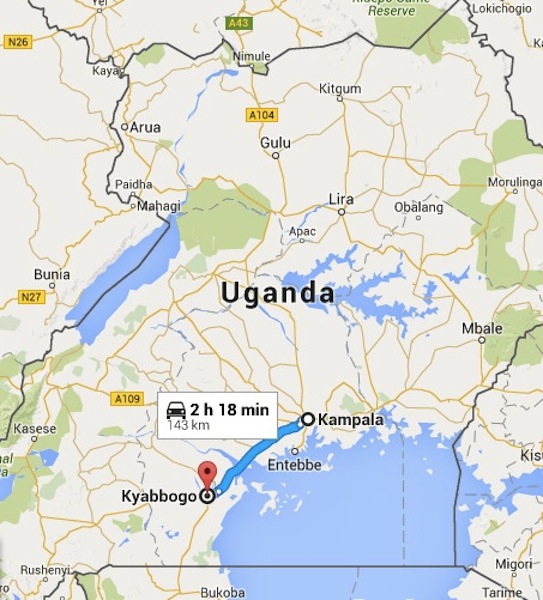
By our calculations–5 hours!

I speak of Africa and golden joys—William
Shakespeare from Henry IV, Part II c. 1597
I just returned from nine days in Uganda, to assess the Haemophilia Foundation of Uganda for application to Save One Life, Inc., and also to visit with local families with hemophilia, to better understand what their struggles are. I have to say how impressed I am with the HFU, its volunteers and the accomplishments they have made to date. With board approval, we would be able to induct them as our 13th program partner. Below is one patient visit, which will give you a sense of what families in Uganda face. Their extreme poverty (average annual income is $500) is compounded severely by how far away they live from Kampala, the capital.
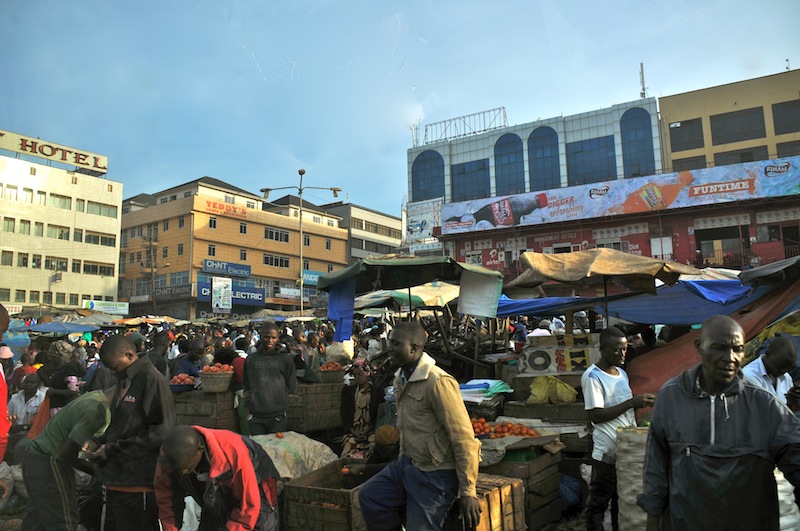
Kampala farmer’s market

Last Saturday, April 23,  Agnes Kisakye, the executive secretary of HFU, arrived in a hired van at 7:30 at my hotel, the Sheraton
Kampala, which is perched atop one of Kampala’s seven hills. We first stopped at the city square
market for bananas for breakfast. I didn’t get out of the van, but we were
swallowed up in a swarm of Ugandans, all busy shopping, negotiating prices,
filling plastic bags with fruit. A hive of frantic activity. The bananas–called kabaragara--were
small and sweet and I devoured three. The day was cool with blue skies. We were
ready for a long road trip, south of Kampala.
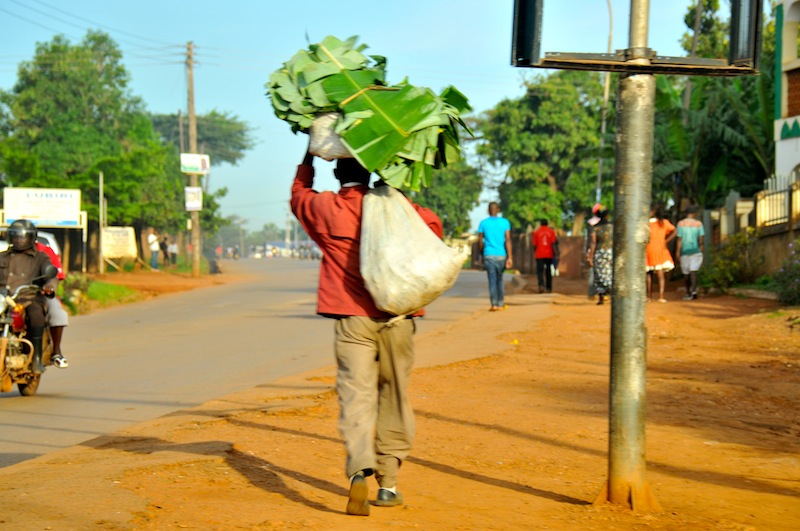
Carrying banana leaves
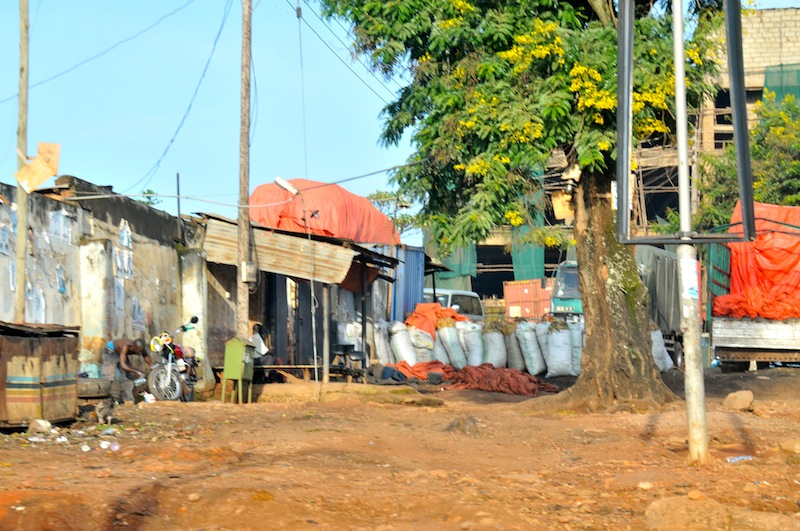
Scenes as we leave Kampala

It turned out to be way longer that we thought. A
three-hour trip became 5+ hours trying to find this one family in Kyabbogo. At
least we had a very comfortable van and Agnes is a great travel companion. She
is only 29, but very mature, socially conscientious and dedicated. She’s a registered social worker, and I was quite
impressed by her. I wish I could have tape-recorded the things she said; so much wisdom, though I knew many of these things because it’s the same in so many
countries. Her brother Joseph, now an MP (member of parliament), is the person who contacted me back in 2008 requesting help.
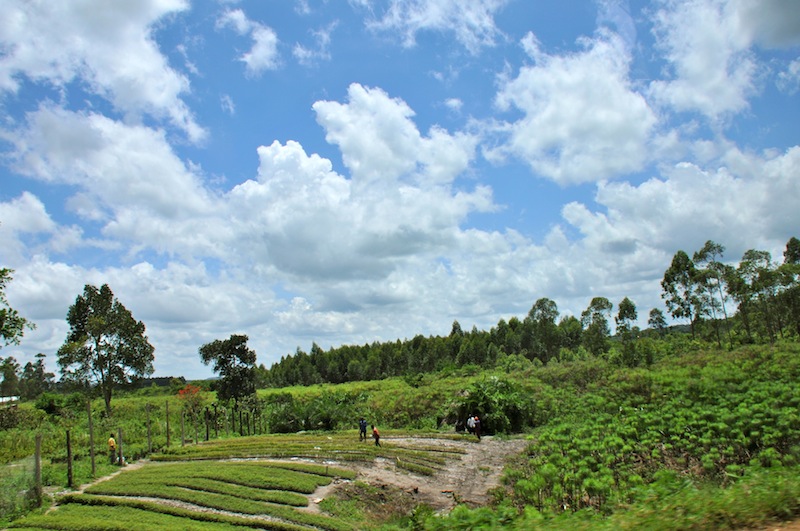
Tea plantations

[In fact, Agnes reminded me that I was the first to help Uganda. In 2008 an Indian working in
Uganda who had a child with hemophilia, Satish Pillai, emailed me about setting up a
foundation, and getting factor for his son. We worked together through email only, and he did all the groundwork in establishing the HFU. Satish later had to return to Mumbai, India but
appointed Joseph Ssewungu, a headteacher and father of a child with hemophilia, to replace him. Joseph and I had a
few emails back and forth, and in one he mentioned he had read my book, Raising
a Child with Hemophilia. I found that amazing. But eventually things quieted, and other countries in need diverted my
attention. 
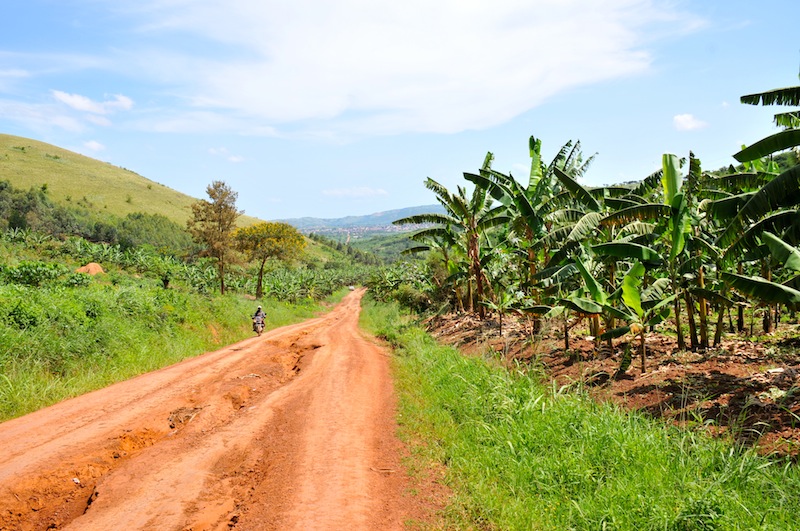
Beauty of Uganda

We stopped en route to buy groceries for the families. Though it
was just a little street market store, we got carried away and spend $120.
Agnes seemed aghast at how freely I spent money; she was hesitant to suggest
anything because she didn’t want to take what she thought was all my money. We
bought rice, sugar, salt, Coca-Cola, cookies, lollipops, Vaseline (“For their
skin,” Agnes said), soap—lots of soap—tea, loaves of bread, and cooking oil. 

Back on the road we chatted openly, like family members.  What a sharp girl she is, I thought; fluent in English, educated and a devout
Christian. We agreed that this work was our calling in life, and nothing could
stop us from helping the poor and suffering. I asked her when she knew she wanted to be
a social worker.
“I always wanted to make an impact, “ Agnes
recalled, “since I was young. I wasn’t sure exactly what I would do. But I
loved it, the idea that I would make a difference in someone’s life. I always
wanted to start an organization. I said to my friend one day, ‘You and I will
start an organization to help people’.” 
It hasn’t been easy trying to get the Haemophilia Foundation of Uganda
off the ground. “Being a volunteer is difficult. Some people show interest and
start to help us, but later they quit. I used to work as a volunteer for an
NGO, for HIV/AIDS education.” But when Satish left, she felt compelled to help
her brother full time. Now she volunteers full time, Monday through Friday and
many a weekend, to run the HFU. There are days when she stays at the Mulago
Hospital all day and into the evening—meeting with doctors and staff, and
counseling patients.
By 12:30 pm, we arrived at Kyotera (“Choterra”), took
a right, and the road deteriorated from paved to dirt roads, rowdy and
unpredictable. We had stopped many times along the way, to ask locals on the
side of the road where we were going. The frequent stops allowed me to drink in
the fleeting scenery: the dusty, red clay roads that branched off from the
highway and paved roads, forming a network like blood vessels throughout the
country. Everyone seemed to move at the same pace, languid, at ease. There are no beggars and everyone works. Down one alley, a small child
in shorts and plastic sandals lugs a huge blue plastic container with water and
disappears into a slum. Roadside shops sit shoulder to shoulder: one sells
tires, one sells headboards for a bed, unvarnished and raw, another sells colorful
clothes and markets them on stark white mannequins, oddly out of place. Some
young men wearing dusty clothes and a few teen girls in worn and damaged dresses—obviously
donated (one is a shiny party outfit; one looks like a Halloween Tinkerbell
costume; another is a tight club dress) wait patiently at a pump while a young
man furiously wields the handle to draw water from the community well; a small wooden
cart belches thick smoke from the meat cooking on it, filling the air with a delicious
smell of beef, and I realize I am suddenly hungry; plump women, wearing
colorful wraps around their waist and patterned turbans to protect their hair
from the dust, balance fruit and vegetables on their head to sell or to bring
home; three little children, the dust turning the color of their deep brown
skin to chalk, dance in rhythm to the music pulsating from a radio in front of
a store while an adult eggs them on. Everyone is barefoot, or at most
wearing just sandals or plastic flip-flops.
When the children on the roadside glance at me,
if they are not too shy, they break into beaming smiles and wave. It’s
encouraged to wave back, and I try to keep the window down when we ask for
directions so I can wave. “Muzungu!
they shout sometimes, their word for anyone not from Uganda, though mostly it
refers to white people. It’s not a slur; it’s just their word, much like when
the children of Haiti shouted “Blanc!” (White!) when they saw me, and tried to
touch my white skin.
As we drive, the pavement
gives way to hard red clay, with shoulders that sag, and the van rocks back
and forth with the unevenness. The rains and traffic have created deep ruts. We
roll up the windows as the van’s tires churn the clay to powder. Now the roadside stands have disappeared and only solitary homes are
spied through the thick vegetation. The homes for the most part are nice for
rural homes. Mud poured into a wood frame, and hardened, with a thatched roof,
or brick, made by hand, with a corrugated steel roof. Everything is cinnamon red.
Red dirt road, red brick homes, red-rusted steel roofs. Red and green are the
colors of Uganda.
There are several types of poverty: urban poverty,
with slums, poor hygiene, noise, pollution, alcohol, crowding, waste—but access
to hospitals and health care. There are megaslums, which defy the imagination,
where residents live like ants in an unhealthy and often dangerous colony. And
there is rural poverty, with lush vegetation, farm lands, rich soil,
fresh air, room to grow—but a lack of transportation, customers, and most of
all, lack of health care. Still, the scenery is beautiful, even if poor.
When we pass one small thatched mud structure,
Agnes says, “That’s witchcraft.” Noting my raised eyebrows, she continued.
“Witchcraft is still practiced here, especially in rural areas. That would be a
witchdoctor’s place to meet with families. He will diagnose someone, and then
offer a remedy. It is so crazy! He might say, ‘Take the fingernail clippings of
your child with hemophilia, of the parents, of the relatives. Now go throw
those in the river. The river will carry them away and with it, the disease. Your
child will be cured.’ Or he may take some backcloth and banana leaves and wrap
up some part of the person—their hair, for example—and say now the disease is
buried.”
She added, of course, it’s a scam. The
witchdoctor will first do a bit of research. “He checks with other people who
work with him, to learn more about the patient. What are their symptoms? Who is
sick? Who has been sick in the family? Then when the family goes to see him, he
will say, ‘It is your child that is sick?’ Yes! ‘He bleeds a lot?’ Yes! So it
looks to the family like he is magical and knows everything.”
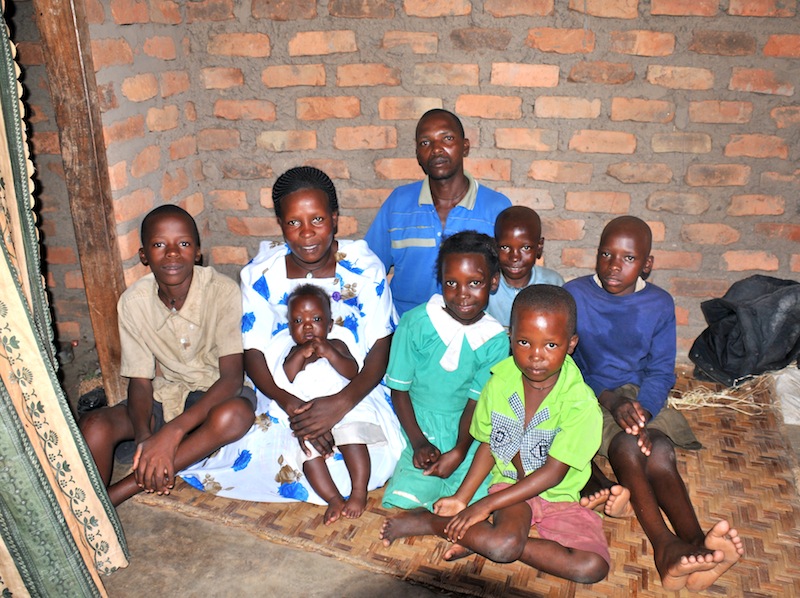
The Kajimbo family: four boys with hemophilia

Going to a witchdoctor sounds quaint, but it is anything
but cheap. In a country where the average annual salary is $500, and an
educated physician earns about $200 a month, a witchdoctor can charge anywhere
from $100 to $300—a session! This is the power of culture, traditional beliefs
and desperation. Health clinics are hard to find and far away. Rural families
become victim to their limited education, isolation, and the charisma of the
witchdoctors. “There are no government policies or laws regarding witchdoctors,”
Agnes adds.

After 30 minutes of jostling, we arrive at the
destination: a vermilion brick-and-mortar home with a spacious front yard of
dirt, and surrounded out back by farming fields. This is where the Kajimbo
family lives. We unfolded ourselves out of the van and stretched, smiling at
the children who gathered in curiosity. The sun warmed our visit. We decided
first to get acquainted, and then to bring in the gifts. The mother Harriett
and father Richard came out of the house first, and shook hands, he smiling
reservedly, she smiling in anticipation. The first thing I noticed was that
their clothes were remarkably clean compared to their surroundings, as though
they had just changed. Harriett’s eyes sparkled, and her hair was a woven
masterpiece, plaited to perfection. Her dress was bright blue and white. Richard
wore a comfortable blue polo shirt and khaki pants. They were in great contrast
to the children, who were dressed in stained and torn clothes, and who went
barefoot, and had dirty face and hands. It was incongruent.
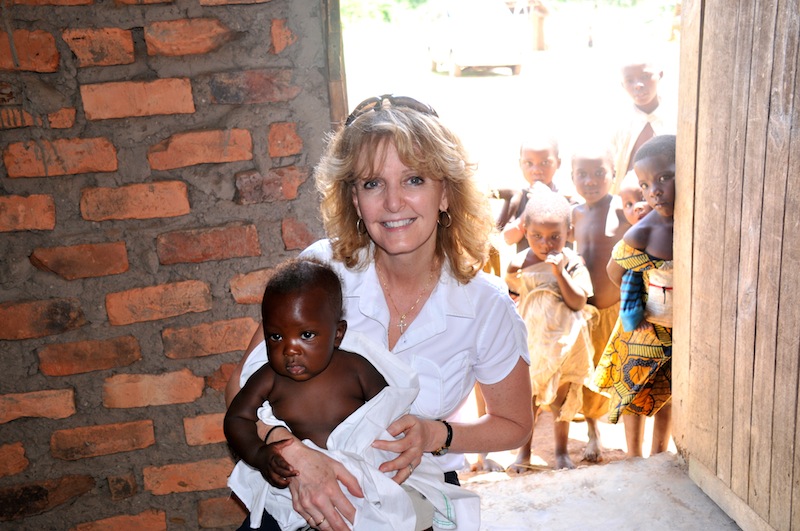
Laurie Kelley with baby Joel

Still, the children seemed happy and at ease, and
deeply curious. We entered their home. There was no where for the family to
sit, so they congregated on a rug covering the packed earthen floor.
The baby, Joel, was fat and happy, and I was thrilled to take him, diaperless—always
a calculated risk—into my arms, and jiggle him on my knee. Agnes and I were
given the one bench in the welcoming room. Each child came to us one at a time,
and reached out to shake hands while bending deeply down on their knees; this
is a sign of respect for elders, and not easy to do for children with joint
deformities.
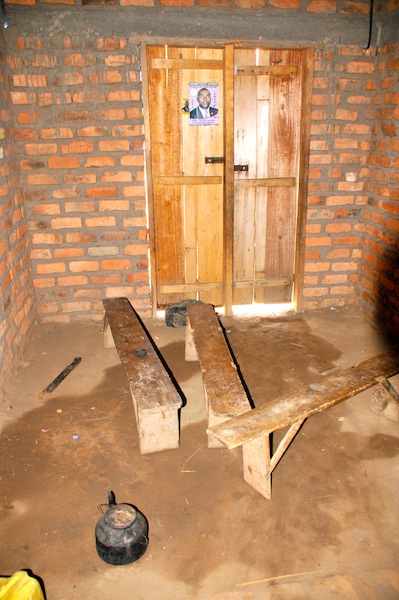
Inside the red brick home: earthen floors

Introductions: Six children, four with
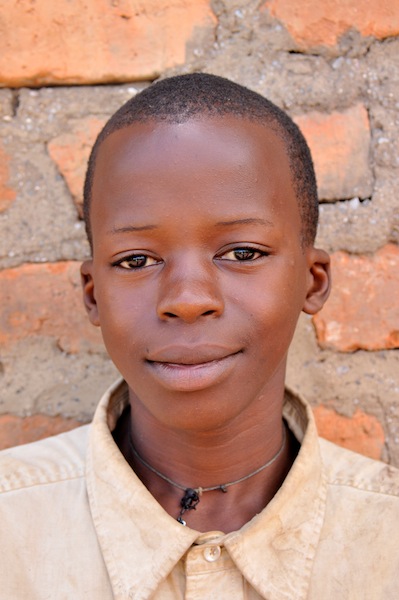
hemophilia. Bad odds. January, age 15; Emmanuel, age 13; Richard, age 9; and
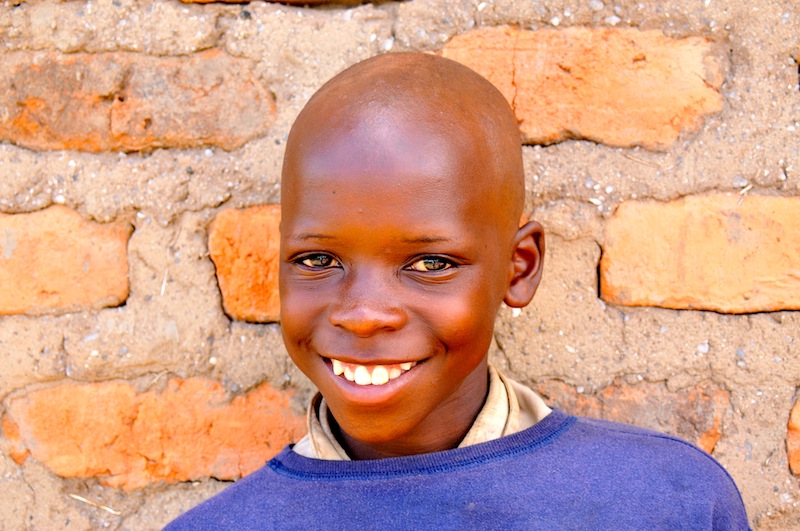
Ronald, age 5. January smiled but looked a bit stunned; Emmanuel had a ready,
warm, friendly smile, as if he had been expecting us at long last; Richard
conjured a mischievous smile, which made you wonder what he was thinking; and
Ronald tightened his lips at us, refusing to surrender any hospitality. But my,
were they all beautiful children. A sister sidled in through the raggedy
curtain that separated the welcoming room from the other five rooms. Josephine
seemed shy but wanted desperately to make friends with us.

Somehow barriers came down fast and we were
laughing in no time. A pod of neighborhood children plugged the doorway,
leaning in, eyes wide open in astonishment. The driver had brought some bags
over by now, and we handed out lollipops first—no barriers were left after
that. The children saw at once that they came first. There were plenty to share
with the neighborhood children, which no doubt boosted the reputation of the
Kajimbo family. But Ronald still did not smile.
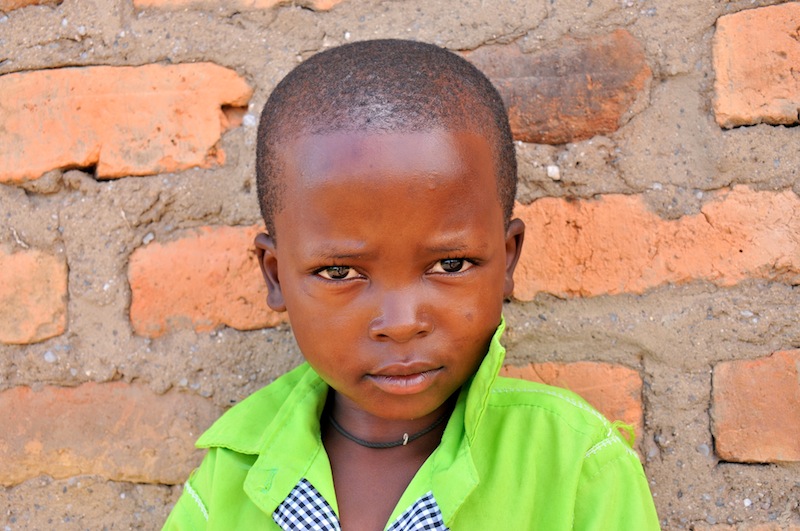
Ronald
Emmanuel

Agnes explained Save One Life to them, and also
that I was a mother of a child with hemophilia. This tidbit also breaks
down barriers instantly. Harriett looked at me with widened eyes now. After the
overview, we did the enrollment forms, starting with January. The enrollment
was easy as there wasn’t much information, and all of it was the same for all
four kids. They all missed an entire term (out of three annually) last year due
to bleeds. School is five miles away, and they often cannot walk the distance. They
can’t afford transportation to take them to school. When they do go to school,
they sometimes get “caned,” beaten with a reed or stick for infractions. This
is old-school British and still acceptable here. January goes to school with
8-year-olds in primary 3, because he is so far behind. This embarrasses him. He
gets no treatment; Mulago Hospital in Kampala is five hours away and requires a
motorbike ride on the rough, unfinished road we just conquered, and then
waiting for a public bus to take to the capital. And it costs $50, while
the family’s monthly income is $15-$30.
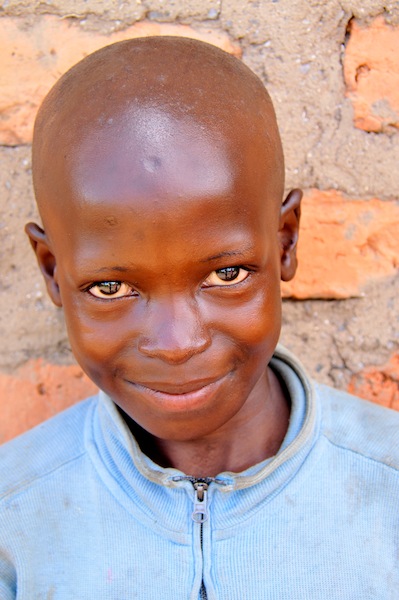
Richard
January

We surveyed the house: they have no electricity,
running water, indoor toilet or plumbing, or refrigerator. The floors are
concrete or red packed soil. Cloth doors separate the six rooms and it’s
impossible to stay clean, as dust coats everything. Out back, a brick shed for
cooking, an outhouse, and one rib-showing, starved black and white dog
collapsed in the heat. All the kids—same story. What do they do when not in
school? “Digging in the garden,” which means they do chores: farming, seeding,
harvesting. Harriett is only 29, with six kids, a huge responsibility. Still,
she smiles happily as she takes Joel from me.

Our funding may help the kids get back into
school, or help feed them. We share the butter, rice, sugar and supplies with
Harriett, who is overwhelmed by our generosity. We hand out toys, many of them
simple, donated toys, especially the super-heroes and plastic creatures that have sat
in a basket for two years in my basement. I finally dumped the last of them in
my duffel bag, and now, Ronald holds what looks like a silver Power
Ranger-wannabe in his hands. He is dumbfounded, then catches on, then finally….
Breaks into a huge smile. Boys just love action figures, no matter where they
are.
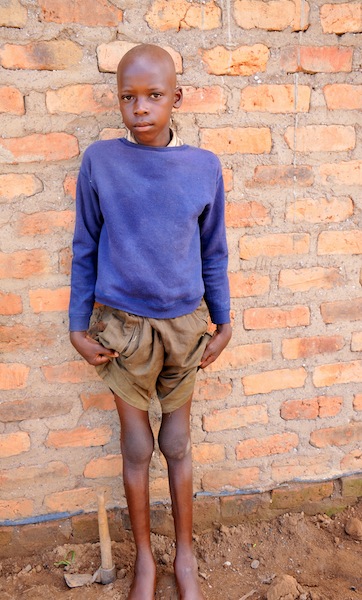
Emmauel’s knees; all the
boys have joint damage

We go outside and do a line up so I can take
photos. We photograph January’s knee, particularly his prominent scar from surgery,
before he was diagnosed. He reminds me of Mitch from Haiti, who also almost
died from surgery before being diagnosed.

Back inside, January comes out from the back room
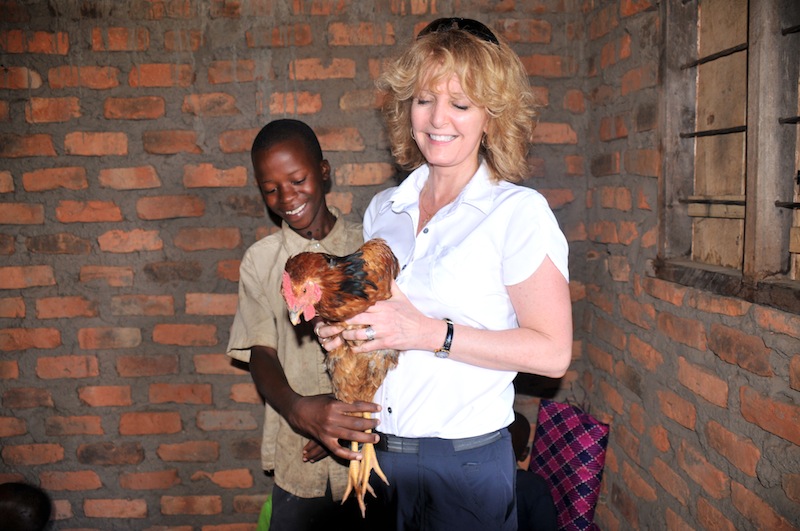
with a surprise: a chicken! Agnes laughs and I hold it for a photo opp. They offer the chicken as a token of their appreciation. The poor thing had its legs
trussed up and was hung upside down, then laid on the floor, immobile. Its eyes bulging, fearful, waiting to know its fate: lunch, dinner? Were we to take it back five hours to Kampala like that? I wondered what the Sheraton staff would say if I walked in with a chicken. I had to refuse, even though
this was impolite. Agnes explained to the families that I love animals and could not bear to
see it like this. The lucky chicken was paroled and January took it back outside.

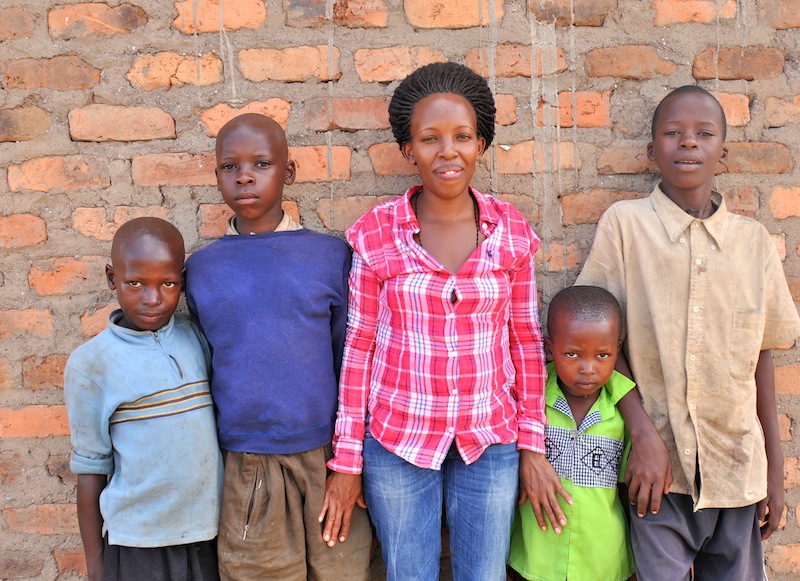
As we prepare to leave, we do a
family picture, with me holding Joel. Harriett comes out of the house, and suddenly drops to her knees before me, and
holds my hand. This is unusual for an adult, I think, and I thank her but also
encourage her to stand up.
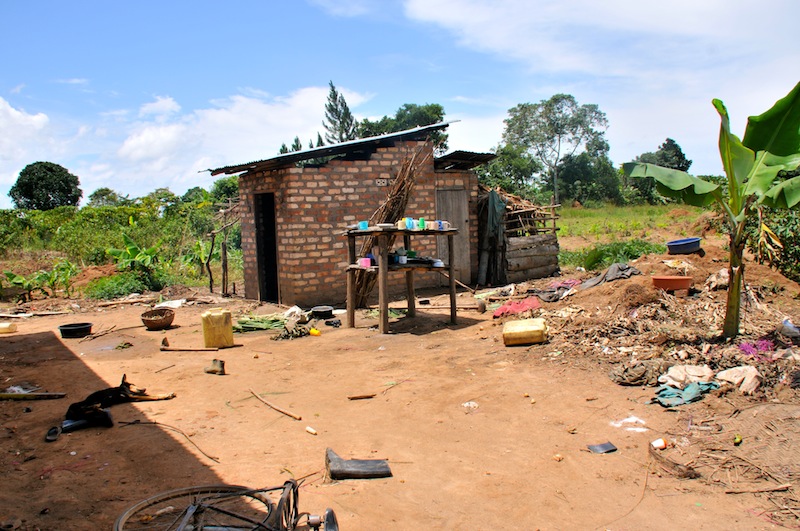
The Kajimbo’s kitchen

We are happy when we leave, and once back on
paved ground, we stop at a hotel for lunch, feeding the drivers as well. I don’t
each much, but enjoy a Coke immensely. Agnes and I talk about what can be done
for the family, what their daily life must be like. How much $.73 a day–the cost of a sponsorship from Save One Life, will impact their life. It might be the best thing that will ever happen to them.
Next Sunday’s Blog: Our visit up north to find one family. Please check in next Sunday!
Agnes Kisakye and the Kajimbo boys
My chicken!

Resiliency Key at HFA’s Symposium 2016

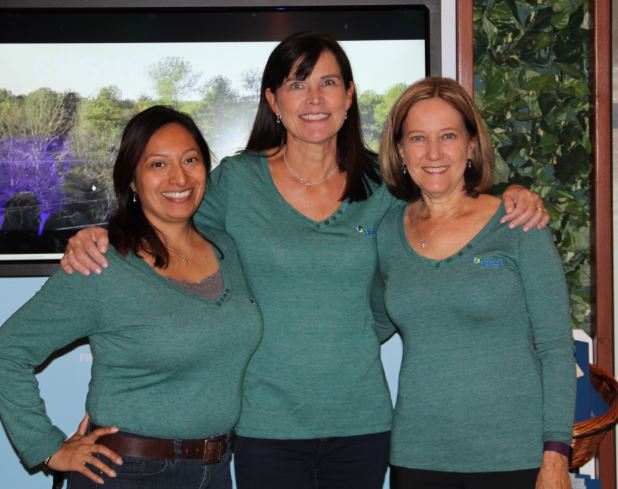
Jane Cavanaugh Smith (middle), with CoRe managers
I have known Laurie Kelley for more than 20 years and can’t begin to
count the number of times I have looked to her for education, resources, and
support.  So, it is such an honor to be a
guest blogger for HemaBlog. My name is Jane Cavanaugh Smith and I am a Biogen Community
Relations (CoRe) Manager. My son has hemophilia and we were fortunate to
connect early with our local chapter. This led to an unexpected and extremely
rewarding career with the New England Hemophilia Association, and later, the
Hemophilia Federation of America (HFA). When Biogen introduced CoRe Managers several
years ago, I watched with interest as their team grew. The fact that a CoRe
Manager’s sole job is to support our community—to listen, educate, connect, advise,
and serve–confirmed that Biogen was the place for me.
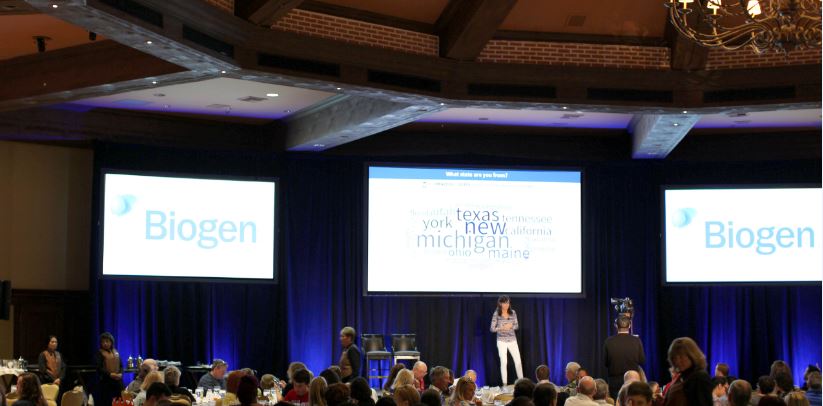
Jane speaking at HFA
At HFA’s Symposium 2016, held March 31 to April 2, the theme, “Together
We Are Resilient” beautifully captured the strength of our community because resiliency
is about bouncing back. Individuals and families have to regularly overcome obstacles,
but sometimes the challenges are overwhelming. That’s when we turn to each
other in the open, honest, and supportive environment that HFA provides. These
connections live on long beyond the Symposium. 
“Together We Are Resilient” was carried through the conference in a
variety of sessions and activities aimed to feed mind, body, and soul.
Knowledge is power and key to weathering rocky times. Activities included daily
Zumba sessions, aquatic therapy, yoga, and a Health & Wellness Lounge.
Session topics included women’s issues, advocacy, insurance, treatments, and
inhibitors. A few personal favorites include the Awards Luncheon, the
Remembrance Ceremony, the rap sessions, seeing kids in matching shirts and
holding hands, and all the hugs, tears, and laughs.

At
Biogen, we took the theme to heart, too. Each day at HFA, we tried to provide
families with new opportunities to meet, learn, and be resilient together. It
was a blast. The Chapter Challenge games brought out altruism and humor as
visitors tried to win donations for their local chapter. The Biogen Peer videos (click here, and here) showcased inspiring role models. Many visitors inquired about our therapies,
so it gave me and my fellow CoRe Managers countless opportunities to get to
know even more people in the hemophilia community. I like to think that
resilient people see meaning and purpose in what they do. I definitely see that in my fellow CoRes. We
build resilience by showing our vulnerability, empathy, understanding, and
appreciation, and gratitude for each other.

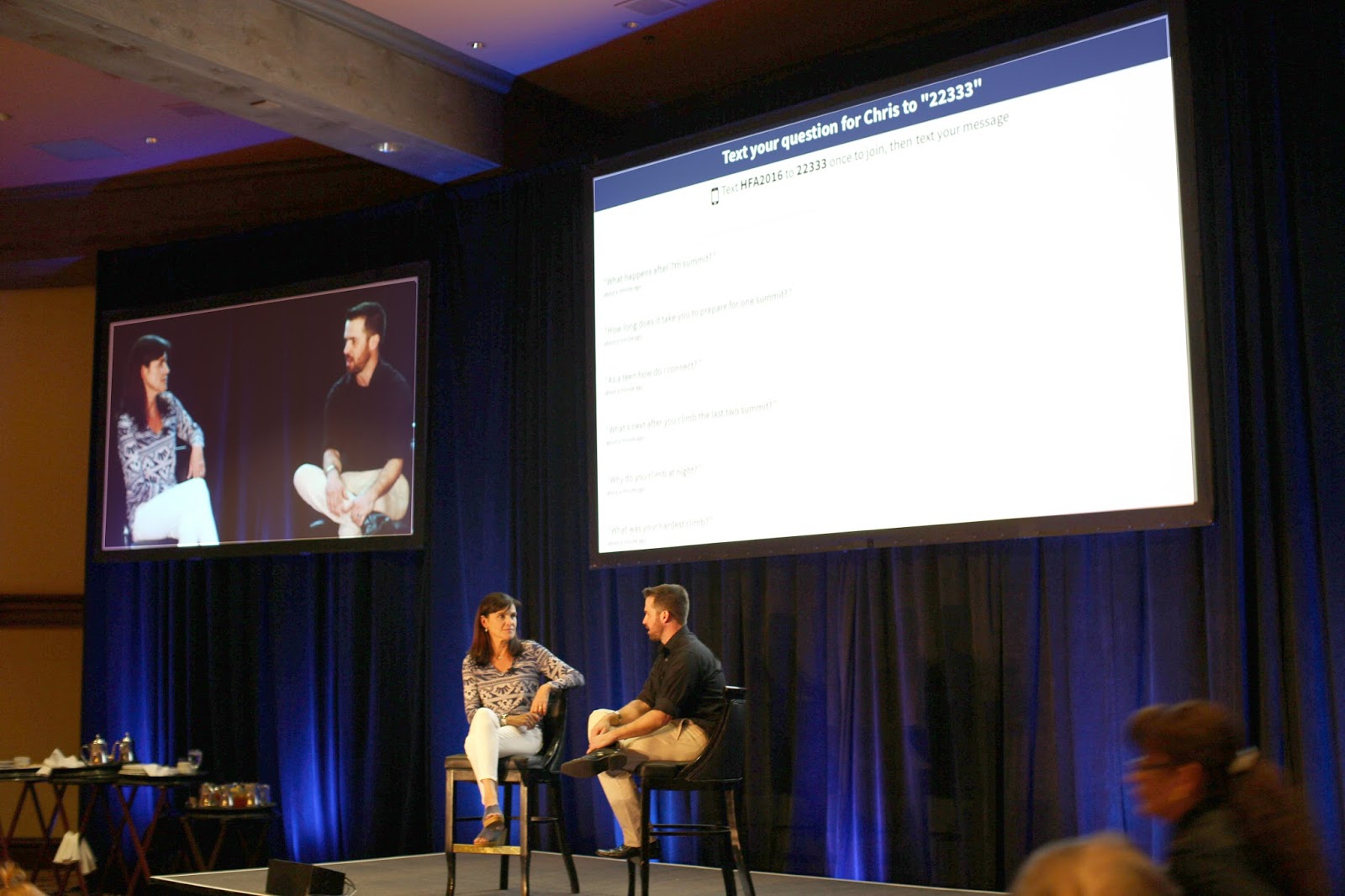
Jane interviewing Chris Bombardier
I was also honored to emcee Biogen’s Friday dinner program, Food for
Thought. I’ve never spoken in front of a large crowd, but I knew that I was surrounded
by friends. Our keynote speaker, Chris Bombardier, shared his inspiring story
of overcoming challenges despite long odds. Chris has severe hemophilia B but
is on a quest to climb the world’s seven summits. Hearing his motivation and
drive, he will surely complete the remaining two. 
Biogen “gets it.” They celebrated the power of positive thinking to
inspire our community. As the program came to a close, I looked over at my son
who is the source of my strength and hope. I am deeply thankful for this
community. Together we celebrate the highs and find comfort during lows. Together
we are resilient.
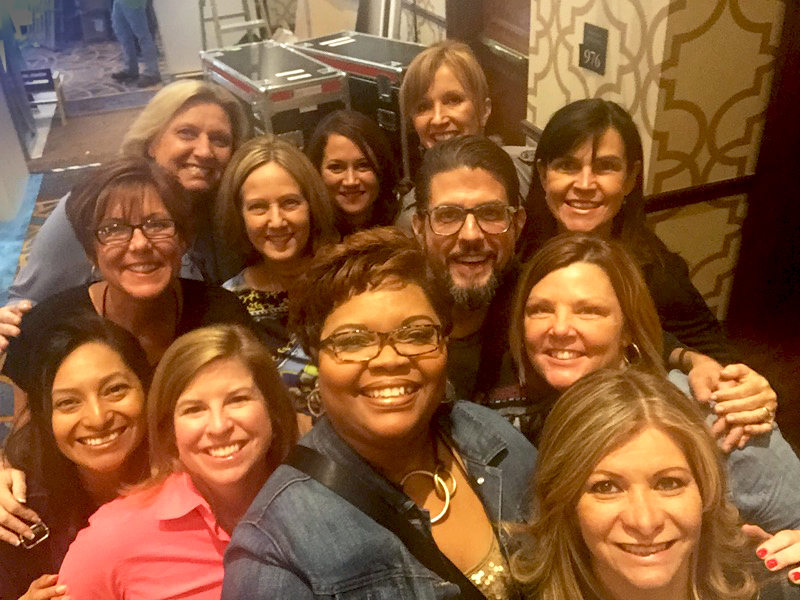
Biogen’s CoRe managers at HFA
To find a Biogen CoRe Manager near you, visit CoReManagers.com.


This blog was
sponsored by Biogen for educational purposes.
HEM-US-1012   04/16

Celebrating World Hemophilia Day

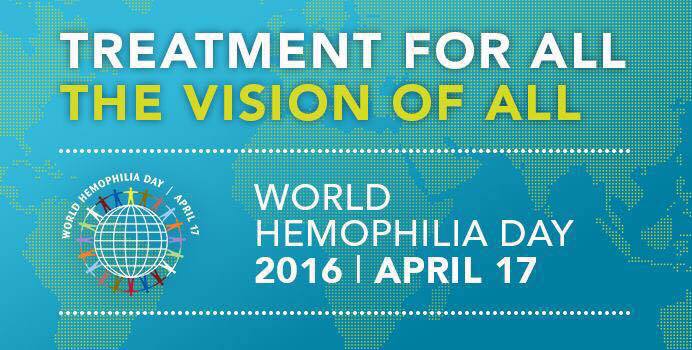
Today is World Hemophilia Day, celebrated by thousands of people with hemophilia around the world. We’re a small community: only an estimated 400,000 worldwide. Of this, only 25% are estimated to have adequate treatment. The majority with hemophilia have little to no access to medical care or factor, the blood clotting medicine that stops bleeding.

Today is also the birthday of World Federation of Hemophilia founder Frank Schnabel, an American who moved to Canada to seek better access to treatment and financial coverage for that expensive treatment. It was there he founded the WFH over 50 years ago. Today the WFH represents a staggering 120 countries as members. With membership, these countries receive NGO training, medical help, donations of factor and educational materials.

This week I am traveling to one of WFH’s member countries, Uganda. This is my first time there, and I go to invite the country to join our child sponsorship program Save One Life. Save One Life has over 1,200 children and young adults with bleeding disorders enrolled and has over 400 sponsors who provide financial support. Nurse Kate Khair, from the Great Ormond Street Hospital in London, has been to Uganda several times to help diagnose children with hemophilia. She wrote to me about the challenges of working in a country where so many are undiagnosed and live in rural areas:

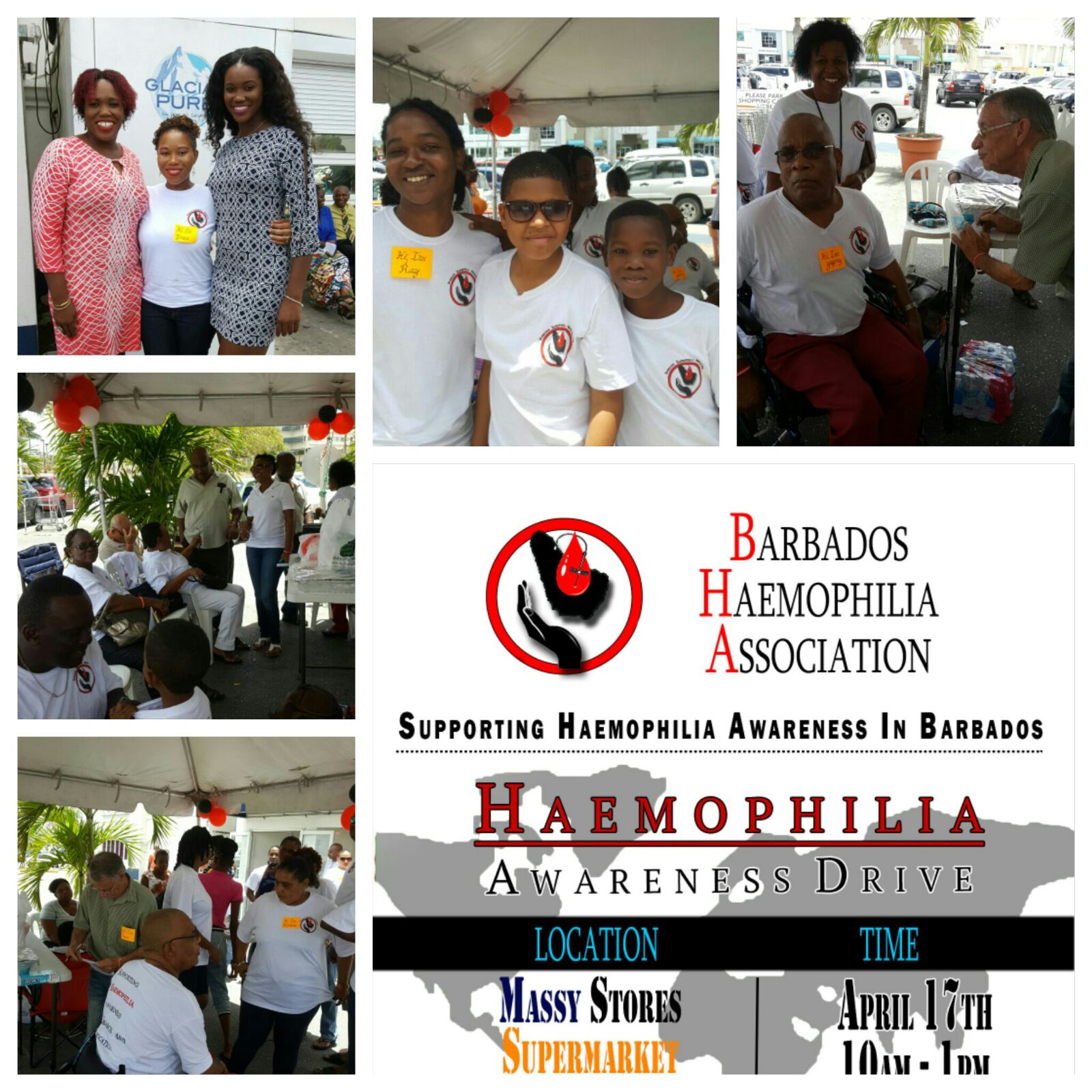
Pictures from Barbados’s first World
Hemophilia Day!

“I met a family of 4 boys who have a small holding about a 5 hour drive from Kampala (the capital). When we were there, mum was 8 months pregnant, the boys all have terrible joints and told us about having to go to the river to get water – imagine that with a big knee bleed. There was one sister; she and the dad were essentially holding the family together. The boys’ wish was to be able to go to school, but it was too far to walk. I’m sure this is a familiar story for you, but my 2 team members and I have been profoundly affected by them. Save One Life makes, I know, massive impacts on families like these.” 

Indeed it does! I am especially encouraged today by the efforts of a mother of a child with hemophilia in Barbados, Erica Worrell, who has created the first hemophilia society there. Two years ago I traveled to Barbados to try to motivate the patients to start a national patient organization. The interest was there, the needs are great; we met quite a few families and planted some seeds of advocacy. All it took at last was one brave mother to take the first steps. Today, Barbados celebrated World Hemophilia Day for the first time, and has joined our global community. This is what the day is all about, celebrating the efforts of the many who work so hard to bring support and medical help to those in need, while bringing attention to the public about this rare disorder. Together, we can do it, and fulfill a dream Frank Schnabel had so long ago.

http://www.barbadostoday.bb/2016/04/17/barbados-observes-world-haemophilia-day/#comment-96261

Remembering Ryan

On April 8, 26 years ago, 18-year-old Ryan White died.
He is remembered in the bleeding disorders community for his extraordinary courage. Born with hemophilia, he was diagnosed with AIDS when he was only 13, in 1984. AIDS was not well understood at this time, and fear was rampant in the public. People thought you could catch HIV by shaking hands with someone with it, or just being near them. Ryan contracted HIV from his clotting factor, which at the time was not treated to destroy viruses. He posed no threat to anyone.
When his school tried to keep him from attending, Ryan and his mother Jeanne White Ginder launched a legal battle, and Ryan became a celebrity. And celebrities stood by him, including Michael Jackson and Elton John. He became the face of discrimination against those with HIV, and became an advocate for AIDS research and public education. He died in April 1990, one month before his high school graduation.
In August 1990, four months after White’s death, Congress enacted The Ryan White Comprehensive AIDS Resources Emergency (CARE) Act (often known simply as the Ryan White Care Act), in his honor. The act is the United States’ largest federally funded program for people living with HIV/AIDS. The Ryan White Care Act funds programs to improve availability of care for low-income, uninsured and under-insured victims of AIDS and their families. The legislation was reenacted in 1996, 2000, 2006, and 2009, and is now called the Ryan White HIV/AIDS Program.
Today, his mother Jeanne continues to advocate to spread Ryan’s message and story. 
For an excellent multimedia look at Ryan’s impact on the hemophilia community, visit HFA’s website

Considering Long-Term Health into Your 20s

By the time teens with hemophilia transition into their 20s, ideally they’ve built a firm foundation on which to manage their disorder. Among many skills, young adults should be able to self-infuse and negotiate health insurance. But when you’re healthy and your hemophilia is under control, it’s easy to overlook general health maintenance beyond hemophilia.
            It’s uncommon for 20-somethings to consider the long-term impact of their lifestyle choices. So what if I’ve gained a few pounds? I only smoke when I’m out with friends. I look so much better with a tan. But young adulthood is the time to develop the habits that will help maintain a healthy body in the decades ahead.
I’m Independent. Now What?
Perhaps more than any other time in our lives, the 20s are a decade of major transformation. Many young adults move out of their parents’ home. Others graduate from college. Even those who’ve diligently managed their hemophilia may be thrown for a loop by all the changes in their lives.
            Your hemophilia treatment center (HTC) may no longer be in the same town or even the same time zone. And finding an HTC is just one of the myriad issues you’ll need to address: Where will I buy groceries? How long will my commute be? When will I find time to renew my driver’s license?
            These changes may take priority, and if you’re feeling healthy, finding a local dentist or doctor doesn’t seem all that pressing. Plus, who has the time?
Not Enough Hours in the Day
Entering the 9-to-5 world for the first time is a big deal that can have a major impact on your health—and not just for those in Deadliest Catch-type occupations. For many, this is their first experience sitting behind a desk for several hours a day. A tangible and common consequence is weight gain. The Centers for Disease Control and Prevention (CDC) reports that an astounding 20% of Americans in their 20s are obese. Not only is extra weight bad for your joints, but obesity is a contributing factor to several leading causes of death, including heart disease, stroke, and certain types of cancer.
            The effects of “a few extra pounds” may not be immediately apparent, but that’s the point. In your 20s, you need to establish good habits to protect your body for the long run. This means adjusting what you’re eating while maintaining some form of routine exercise. Neither is easy to accomplish when you’re just starting life on your own.
            Ian Muir, a 25-year-old with hemophilia, took a new job recently and is slowly figuring out how to get all the pieces of his life to mesh. In college, Ian competed in triathlons, training 25 hours a week. “In school, you had the motivation of working out with your teammates,” says Ian. “And you had a relatively flexible schedule.” Now he’s struggling to find the hours to train for just a fraction of that time. And like many of his peers, Ian has let his diet suffer: “I know I need to get back to eating food that’s good for me, and not just what’s convenient.”
            Living healthy in your 20s doesn’t necessarily require big time commitments. In some cases, you just have to make better choices: When you can, take the stairs instead of the elevator. Cut back on the amount of alcohol and caffeine you consume.
And if you’re among the 1 in every 5 Americans who smoke, quit now. According to the CDC, smoking causes more deaths in the US than alcohol, illegal drugs, and motor vehicle accidents combined.
            Sure, you may not have all the time in the world, but your general health should sit atop your list of priorities.
Molehills Can Become Mountains
While you lived at home with your family, you probably had a stable network of medical resources. But once you’re on your own, you may need to rebuild that network by establishing a relationship with your new HTC, plus maintaining all facets of your health.
            Dental health is one of the most neglected aspects of overall well-being. By the time you’re in your 20s, Mom or Dad probably don’t schedule your dentist appointments, which means that nobody does…until a minor toothache becomes something worse.
            Ian tells a common tale. “I’ve been a bit derelict when it comes to the dentist. What probably wouldn’t have been a big deal had I stayed on top of it, ended with a root canal.”
            Your primary care physician (PCP) can be your best ally. You’ll turn to your PCP when you can’t kick that cough you’ve had for three weeks or are worried about anything from a wart on your foot to your sexual health.
            As Ian assembles the medical resources he needs near his new home, he sees the value in finding the right PCP. “You want someone you can go talk to about health concerns that aren’t hemophilia related,” he says. “Someone who knows you and your medical history and if necessary, who can point you to the right specialists.”
            In addition to addressing your current health concerns, your PCP will review your family history with you, assessing your risk for ailments like heart disease, diabetes, and certain cancers. Armed with this information, together you can develop a plan to reduce some of the risks.
Why Do Today What I Can Put Off ’til Tomorrow?
Throughout your 20s, medical concerns may surface that have nothing to do with hemophilia, and everything to do with the natural aging process. You’ll begin to shed the cloak of invincibility you donned as a teen, and realize that you need to act with an eye to your future.
            So manage your total health as attentively as you manage your hemophilia:
            • Eat a healthy, balanced diet.
            • Maintain your optimal body weight.
            • Make exercise a priority.
            • If you drink or smoke, reduce your alcohol consumption, and quit smoking!
            • Schedule all the exams you’ve neglected for so long.
            • If you don’t have a local dentist, eye doctor, or PCP, contact your HTC or insurance company. They can help you find one.
True, for now, you can ignore the incessant commercials for “old people” drugs like Lipitor. But let them serve as a reminder for the not-too-distant future. What’s Lipitor anyhow? It’s a drug that controls cholesterol. What’s cholesterol?

It’s one of many topics you and your doctor should start discussing.

by Kevin Correa
PEN 2.11     © 2011 LA Kelley Communications
HemaBlog Archives
Categories