Laurie Kelley

Cell Therapy Hits a Stumbling Block

by Paul Clement
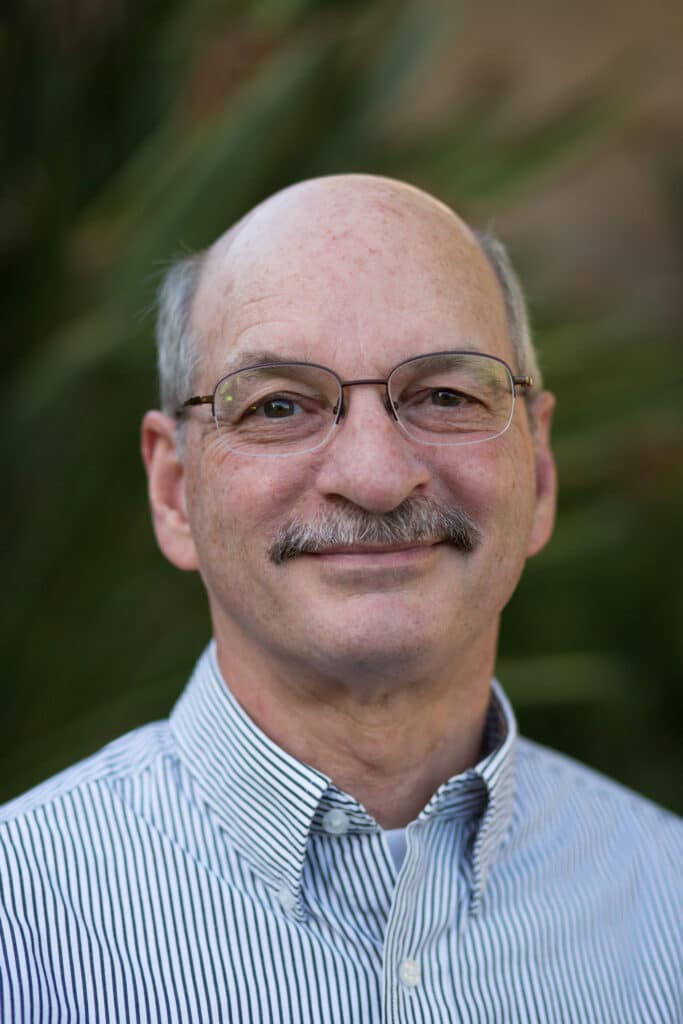
Paul Clement, author

Despite the heightened anticipation of the development of a successful gene or cell therapy for hemophilia, sometimes things hit stumbling blocks.

Sigilon Therapeutics has paused development of its hemophilia A cell therapy candidate, SIG-001, after one of three patients enrolled in their Phase 1/2 clinical trial developed inhibitors and the implanted cells were found to be dead.

What exactly is SIG-001? It’s a modified form of cell therapy in which live human cells—not derived from the patient—are genetically engineered to express factor VIII and implanted into a patient.

Normally, foreign cells implanted in a person would be rapidly killed by the person’s immune system. In SIG-001, the genetically engineered cells are encased in tiny spheres of a proprietary synthetic biomaterial, which not only protects them from attack by the immune system, but also allows nutrients and waste to flow through the spheres, allowing the cells inside the spheres to survive. The synthetic spheres also allow factor VIII to flow out, making them little factor VIII “factories.”  

How is this different than say, gene therapy? Sigilon’s cell therapy technology—and other similar cell therapies such as Sernova’s “cell pouch”—could have several advantages over gene therapy:

(1) most people with hemophilia would not qualify for gene therapy—it’s not for children, and they tend to be unsuitable for liver or kidney disease patients, those with inhibitors, or those with pre-existing antibodies to the viral vector used in the gene therapy (vectors are modified viruses used to deliver genes, such as the factor VIII gene, to cells).

(2) Gene therapies cannot be re-dosed if their efficacy starts to wane because, once dosed, the patient develops antibodies to the vector, which would rapidly destroy another dose, unless the patient was put on a regimen of immunosuppressive drugs. However, because SIG-001 protects the engineered cells from the immune system, patients could be re-treated if necessary–or have some spheres removed if the dose is too high. (The spheres are administered by injecting them into the patient’s abdomen through a large syringe.)

And (3), the most important potential advantage is cost. Gene therapies are hugely expensive (estimated to cost between $2-$2.5 million) and no satisfactory payment model has so far been worked out. SIG-001 would be off-the-shelf and easily scalable, making it more cost-effective.

So, what happened to SIG-001? In July 2021, the FDA put a clinical hold on the SIG-001 study after a patient developed inhibitors. Inhibitors in hemophilia A patients are common—as many as one-third of people with hemophilia A develop inhibitors, and they usually develop within the first few dozen infusions of factor. However, participants in the SIG-001 clinical trial were pre-screened to be at low risk of inhibitors. In order to qualify for participation in the clinical trial, prospective participants were required to have had at least 150 exposure days to factor, making the risk of developing inhibitors very low. So, a patient developing inhibitors in the clinical trial was concerning.

In November 2021, the inhibitor patient underwent a laparoscopic procedure to retrieve the implanted spheres, which were found to be fibrosed (covered with scar tissue) and the cells within them dead. For SIG-001, its proprietary synthetic biomaterial, specifically designed to prevent fibrosis which occurs when our body detects a foreign object, had failed.

In December 2021, Sigilon decided to pause SIG-001 development in a “strategic reprioritization” in which they laid off approximately 38% of their workforce and refocused their efforts for now on developing a cell therapy for a rare lysosomal disease.

Sigilon has an excellent concept, but unfortunately, its product met an unexpected stumbling block. With each stumbling block though, we also learn, and get one step closer to a successful “cure” for hemophilia.

Paul Clement is a science writer for the hemophilia community who enjoyed a long career as a high school science teacher. He is especially adept at translating complex topics into easy-to-understand language. He is the chief science writer and editor for LA Kelley Communications’ publications, including the Parent Empowerment Newsletter from 1998-2021 and PEN’s Insurance Pulse magazine from 2009-2020. He is co-author of the books Managing Your Child’s Inhibitor and A Guide to Living with von Willebrand Disease. He holds a bachelor’s degree in biology and a master’s degree in science education from California State Polytechnic University. Paul lives in southern California with his wife Linda. They have two adult children, Erika and Brett, who has severe hemophilia A.


The First Reported Case of an Inhibitor in Hemophilia

by Richard Atwood

By 1940, leading hematologists considered the presence of an inhibitor in circulating blood to be a theoretical possibility. But there were no known cases of hemophilia with an inhibitor, or a “circulating anticoagulant,” as it was commonly identified.

University of Rochester School of Medicine and Dentistry in Rochester, New York

Then in a 1942 medical journal article, Dr. John S. Lawrence and Dr. John B. Johnson at the University of Rochester School of Medicine and Dentistry in Rochester, New York reported a case of hemophilia with a circulating anticoagulant in his blood. W. Purcell, a 44-year-old unmarried patient with hemophilia was, identified as patient No. 27899.

University of Rochester School of Medicine and Dentistry in Rochester, New York today

There was a history of hemophilia in the extended Purcell family: in addition to Purcell, a maternal uncle had died from bleeding following an incision and Purcell’s brother had a typical picture of hemophilia.

Purcell was born in 1897. When he was 3, he had a bleeding episode lasting 22 days from a cut in the lip. At the age of 6, he had blood in his urine, and up to age 15, he oozed blood from his gums. Purcell also suffered from sporadic pain and swelling in the elbows and knees with subsequent stiffening or ankylosis of the joints. He had several tooth extractions with subsequent bleeding. His first hospital admission was on September 19, 1929 for bleeding following extraction of a tooth. He had 18 subsequent hospital admissions for bleeding from his teeth (twice), hematuria (9 times), gastro-intestinal bleeding (4 times), hemoptysis (once), and hemorrhages into his joints (7 times). Purcell received many transfusions as treatment.

Purcell’s coagulation time varied from 12 hours to 70 minutes. A standardized technic resulted in coagulation times of less than 2 hours. Strangely, repeated coagulation times in minutes taken from 1939 to 1941 were not markedly reduced after transfusions with normal blood or fresh plasma, and were reduced less than would be expected in patients with typical hemophilia. The circulating anticoagulant in the Purcell’s blood could not be identified. This led physicians to advise checking the coagulation time shortly after the administration of fresh normal blood to every patient with hemophilia to rule out the presence of a circulating anticoagulant.

Follow-up on Purcell was provided later in a 1947 medical journal article by Charles G. Craddock, Jr., MD and John S. Lawrence MD from the University of Rochester School of Medicine and Dentistry in Rochester, New York. Over the 5 year span since the previous report, the 50-year-old unmarried male had many recurrent episodes of bleeding in his joints, genito-urinary tract, and gastrointestinal tract. He was treated with transfusions of fresh blood or plasma, which had little effect. A test taken in 1945 for the presence of a circulating anticoagulant was negative.

Purcell was hospitalized from December 1945 until March 1946 because of a severe continuous rectal hemorrhage. During these 3 months, he received 30 transfusions of 500 cc. each of whole fresh blood. The patient did not improve and the coagulation time consistently varied from 60 to 120 minutes. No tests for a circulating anticoagulant were performed. The last transfusion was given on February 9, 1946 and the patient slowly improved once the bleeding ceased. A test on September 9, 1946 for the presence of a circulating anticoagulant was negative.

Purcell was readmitted on April 15, 1947 because of rectal bleeding of 3 to 4 hours duration. He was pale and suffered repeated attacks of precordial pain. He received 6 transfusions of fresh whole blood with no improvement by either clinical or laboratory findings. The transfusions with whole blood were stopped. Purcell then received 500 cc. of washed red cells and showed some signs of symptomatic improvement. Another transfusion of whole blood given inadvertently caused an immediate recurrence of symptoms. The patient then received another 500 cc. units of washed red cells and showed steady symptomatic improvement. Though the clotting time remained prolonged, and the circulating anticoagulant persisted, Purcell gradually improved.

His physicians believed that Purcell was deficient in or lacked antihemophilic globulin in his blood. With laboratory testing, his circulating anticoagulant was shown to be associated with the gamma globulin fraction of plasma. The physicians hypothesized that the action of the anticoagulant against antihemophilic globulin was essentially that of an antibody-antigen reaction, or “isoimmunization,” as a result of repeated transfusions or injections of antihemophilic globulin, either in the form of whole blood, plasma, or Fraction I of Cohn (commercially available from Cutter or Squib).

They concluded that certain hemophiliacs deficient in a globulin fraction may be capable of developing antibodies against the antihemophilic globulin when it is given repeatedly. Purcell is truly the first person with hemophilia known to have an inhibitor!

References:

Craddock CG and JS Lawrence. 1947 Hemophilia: A report of the mechanism of the development and action of an anticoagulant in two cases. Blood 2:505-18. 

Lawrence JS and JB Johnson. 1942 The presence of a circulating anti-coagulant in a male member of a hemophiliac family. Trans Am Clin Clim Assoc 57:223-31.

Out of Silence: Leadership

My last two blogs focused on leadership, and two beloved leaders who have passed, much too soon, from this life. I have spent this week with another amazing leader, very much still with us: Eduardo Strauch, a survivor of the 1972 plane crash in the Andes, of “Alive” fame.
Eduardo Strauch, of Uruguay

You may know the incredible story, dubbed “The Miracle of the Andes.” On October 13, 1972, Uruguayan Air Force Flight 571 crashed at 11,710 ft in the inhospitable Andes, while bringing 19 young members of a rugby team, and their families and friends, to neighboring Chile. Thus began perhaps one of the greatest survival stories known. Amazingly, 33 of the 45 on board survived the initial crash, some with injuries that would later claim their lives. And 72 days later, 14 were rescued after two more of the survivors walked out of the Andes for 10 days to find help.

It was a miracle anyone survived. Due to pilot error, the plane descended too early in dense cloud cover, and struck a mountaintop. The right wing snapped off, flipped and severed the tail, then the left wing sheared off. What remained of the fuselage tobogganed down a steep slope and smashed into a mound on a glacier, traveling top speed. Stunned, many in agony from wounds and shock, wearing only street clothes, the survivors sprang into action, displaying heroic teamwork.
Approaching the Valley of Tears and Crash Site
What happens to us personally, when we are hit with an unexpected tragedy, say, like giving birth to a beautiful child, only to learn he has a life-long, life-threatening bleeding disorder? We can collapse and give up; we can grieve endlessly; we can become dependent on others for help; or we can take action to improve our lives and those of our loved ones. The Andes boys took immediate action, even though many of them were wounded. They helped one another, they organized whatever they had, they started planning. They survived.
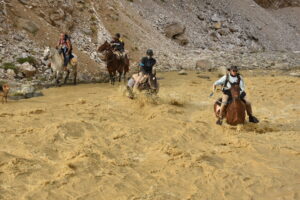
Horseback through rivers and high cliffs
I journeyed this past week to the crash site, high in the Andes, accessible only by hiking or horseback, to pay my profound respect to those who perished. They are buried in a mass grave on a ridge near the crash site. There is also a makeshift memorial, with an iron cross, upon which people leave personal mementos. This story has touched millions of lives throughout the last 50 years, and only a few get to come here, to the “Valley of Tears,” to see the place where so much agony, sorrow, terror, solitude, struggle and leadership took place.

Read more

A Transformational Leader Remembered

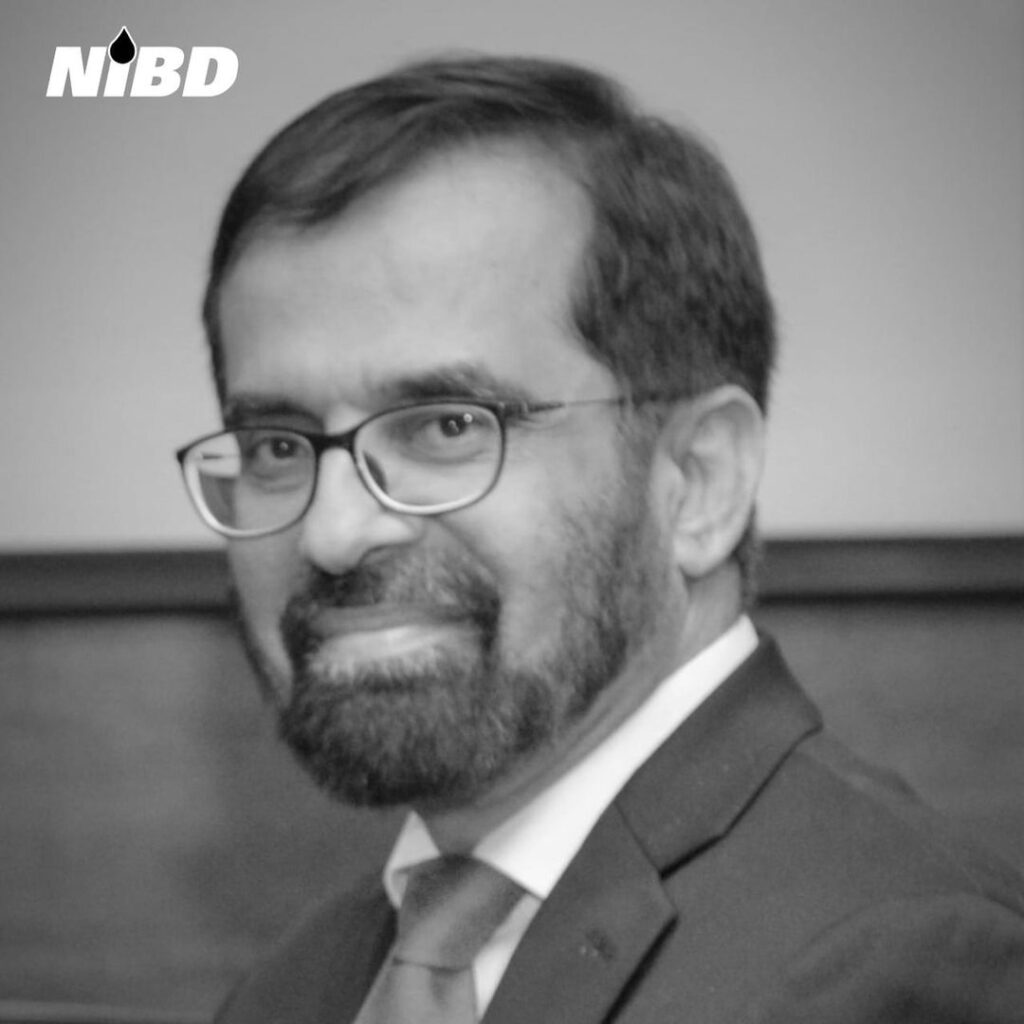
Dr. Tahir Shamsi of Pakistan

We lost a few of people in our bleeding disorder community over the holidays, including young people with hemophilia. But in two weeks we lost two outstanding leaders in their fields. One was Val D. Bias, who I wrote about last week. The other was Dr. Tahir Shamsi of Pakistan. Both were my friends.

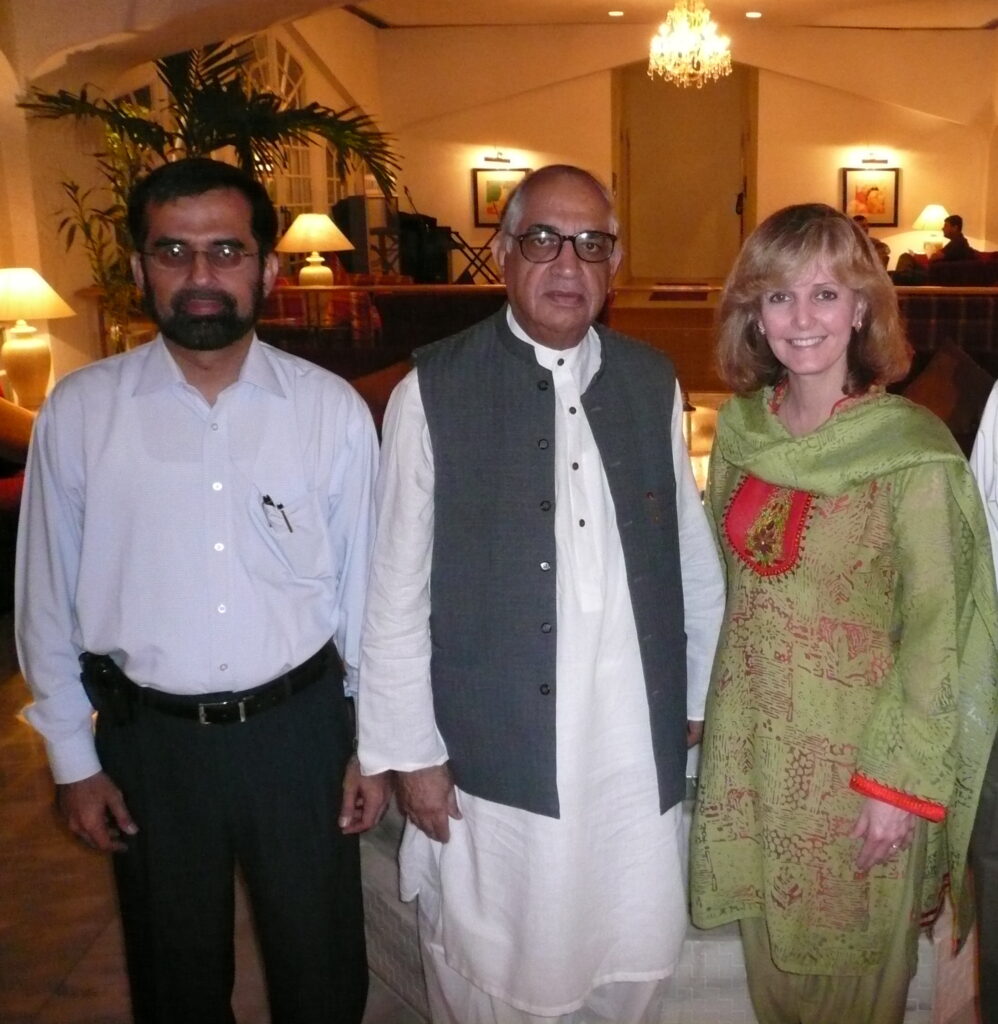
Tahir was a special sort of friend to me. We inhabited very different worlds: I am a woman, Christian, nonmedical, American. He is a man, Muslim, nationally-recognized physician and researcher, Pakistani. We were united not only by hemophilia, but by our burning desire to alleviate suffering.

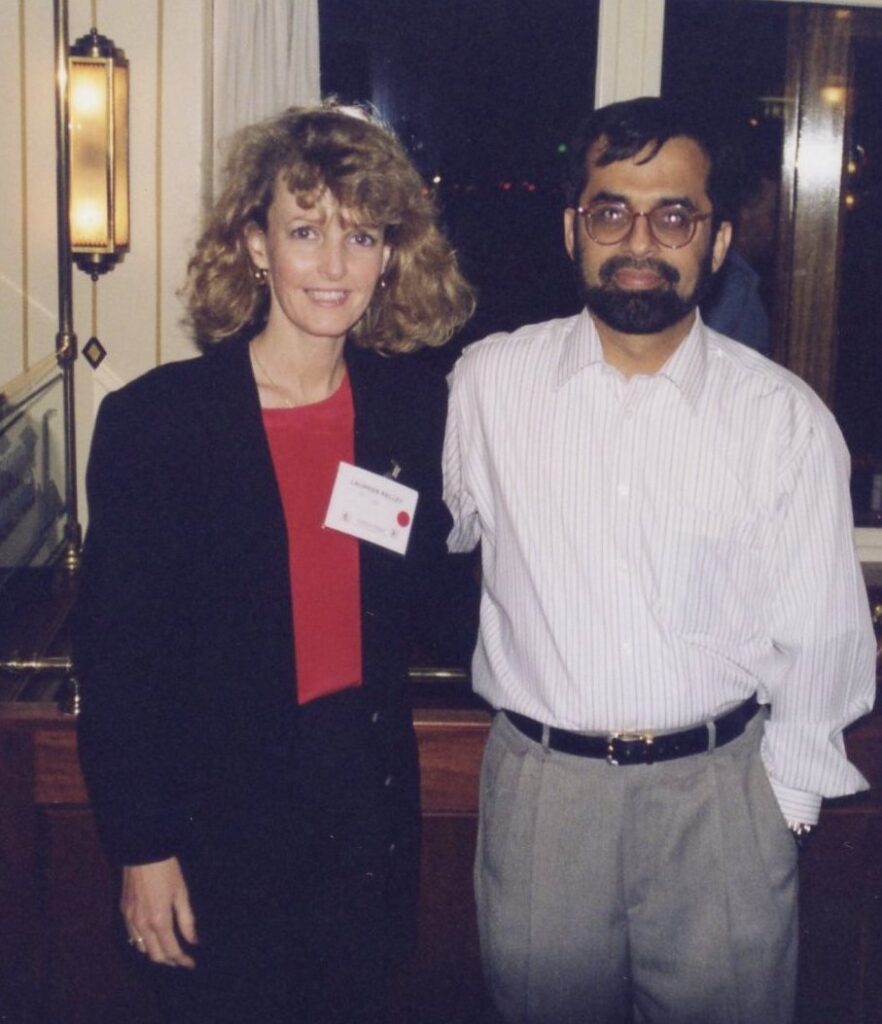
We met on a boat in Rotterdam, in 1998. I was just beginning my work overseas, funded at that time by Bayer Corporation. Bayer had sponsored this cruise around the harbor, on a Tuesday evening during the World Federation Congress. As I walked about the ship, I saw him and he saw me. He is friendly, but intense. Efficient, wastes no time. Who was I and what was I doing there?

Laurie and Tahir’s First Meeting – 1998

I explained about my program to identify patient leaders in developing countries, and teach them about leadership, not just management; about advocacy, not just meetings. About vision, mission, goal setting.

He invited me on the spot to come to Pakistan.

That startled me. Me? Mother of three young children, in Pakistan? Pakistan at the time was pretty isolated from the world. Almost no one went there unless they were diplomats. It seemed so… so foreign. And yet I was intrigued. I love challenges and love risks. How would the Pakistanis accept me? What could I possible do for them?

He assured me all would be well. I could stay with him and his wife, and family. He would arrange my visits while there.

A year later, I went. It’s a story for another time (maybe another book) but I fell in love with Pakistan. Never have I been so welcome in a country and made to feel at home. And that seems odd, given our “differences.” I learned the differences are mostly superficial. We have so much more in common than different. I returned three more times and would have gone in this past year, were it not for Covid.

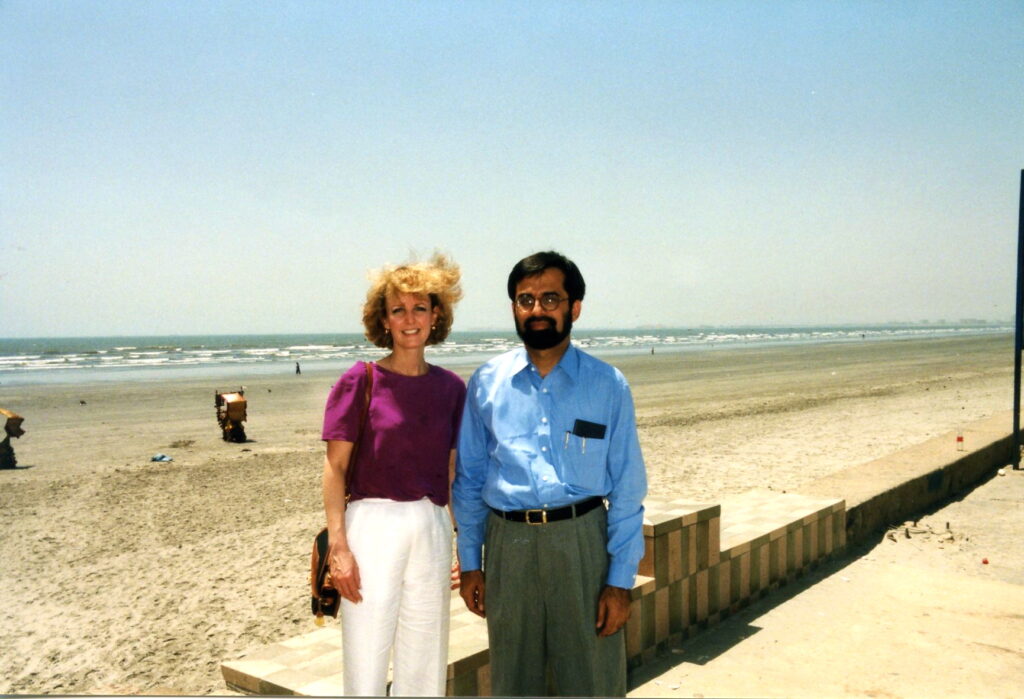
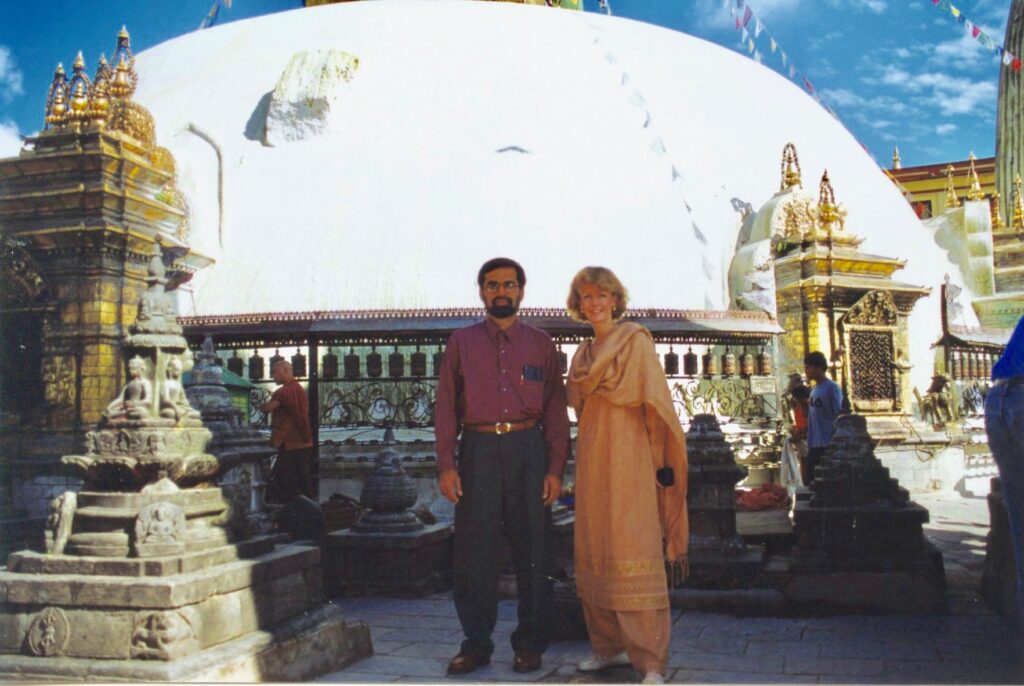
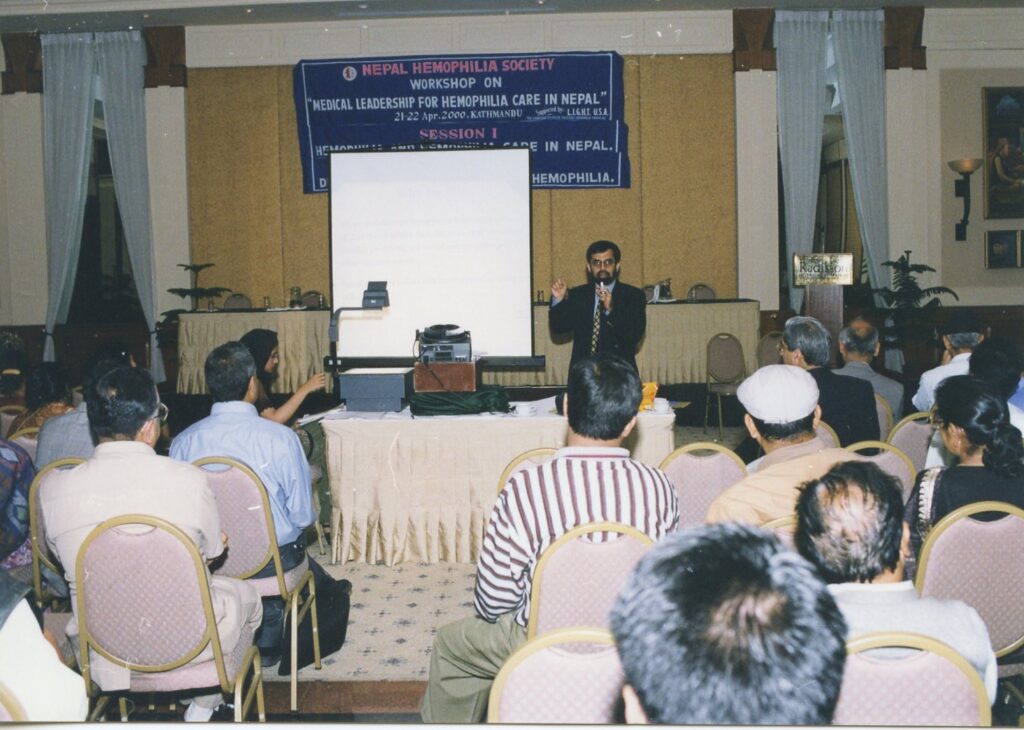
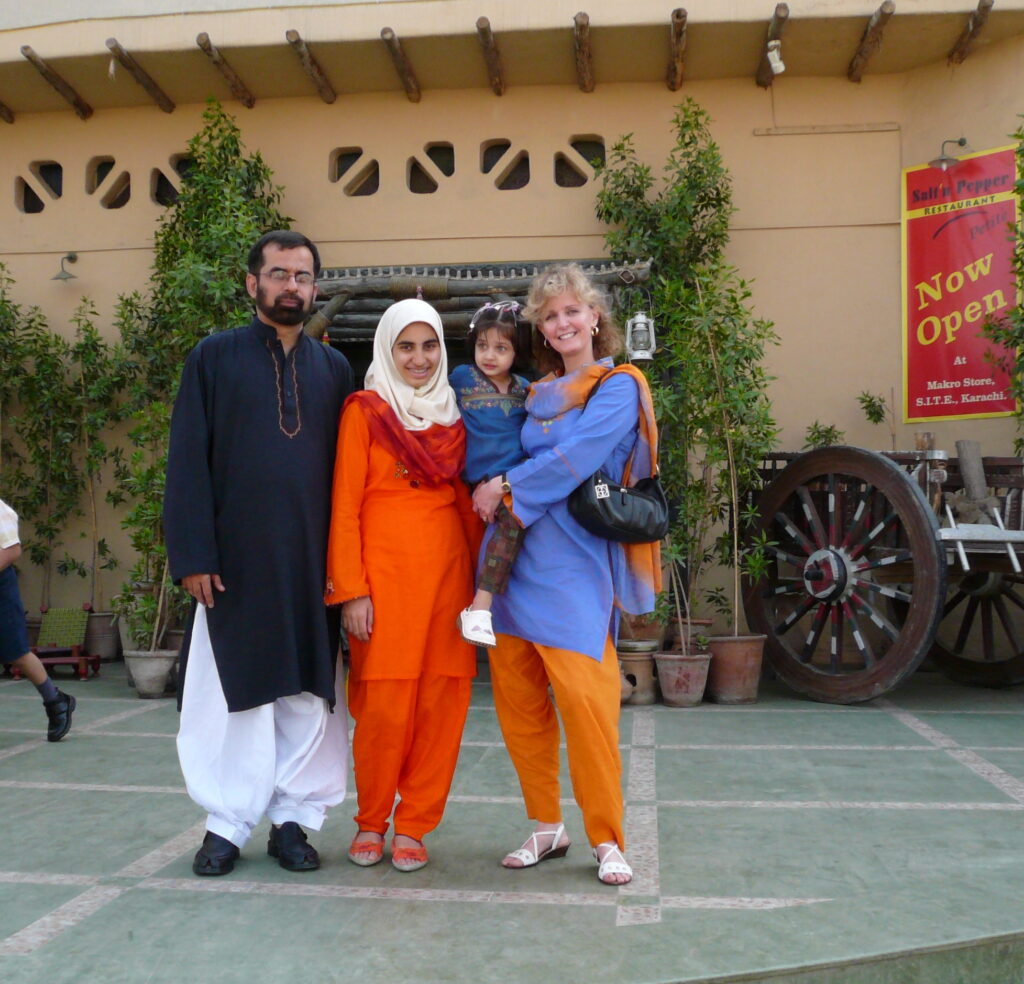
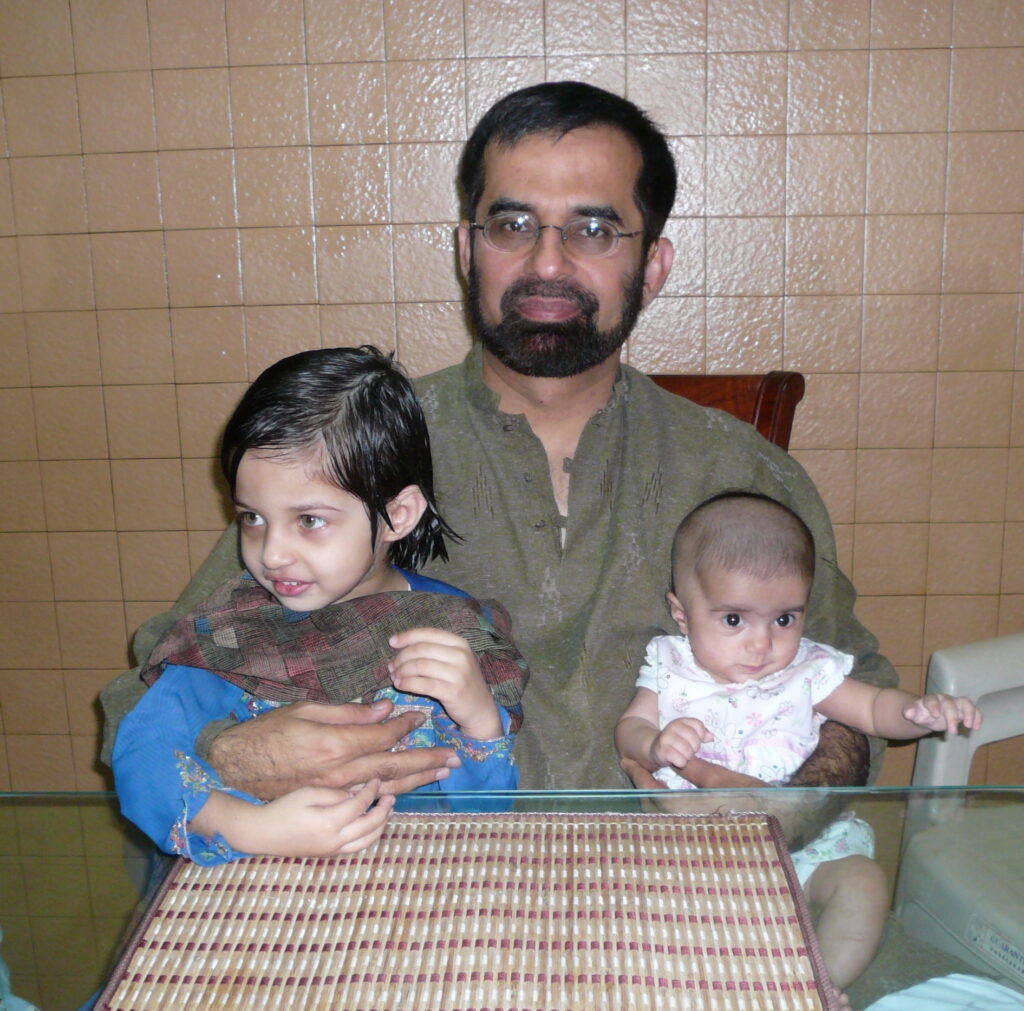
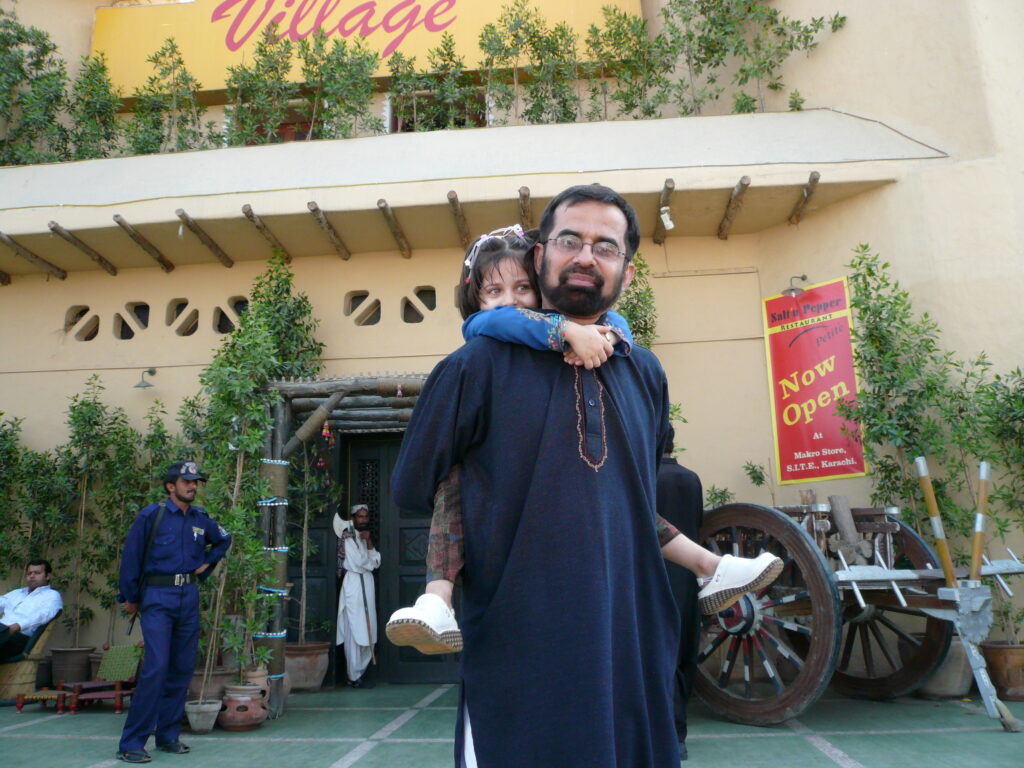
Tahir and I maintained contact throughout the years; I watched his family grow from two young children to five. I played with his children at their house, rode camels and ponies on the Arabian sea with them, took selfies, went to the mall, and had a ball. And Tahir and I met patients throughout Pakistan, worked with the new hemophilia society to help it grow, and we supported his surgeries with donated factor. We traveled to Nepal together, met up in Paris at a conference, and always had ideas brewing.

In fact, it was in Nepal, after our huge conference we gave for medical personnel, that Tahir shared his vision for a new institute in Pakistan. Somehow, we ended up sitting on the floor of a coffee shop, with him sketching out (on a napkin!) an idea for a new blood institute that would handle all sorts of cases, disorders, diseases of the blood, and be a research and training facility.

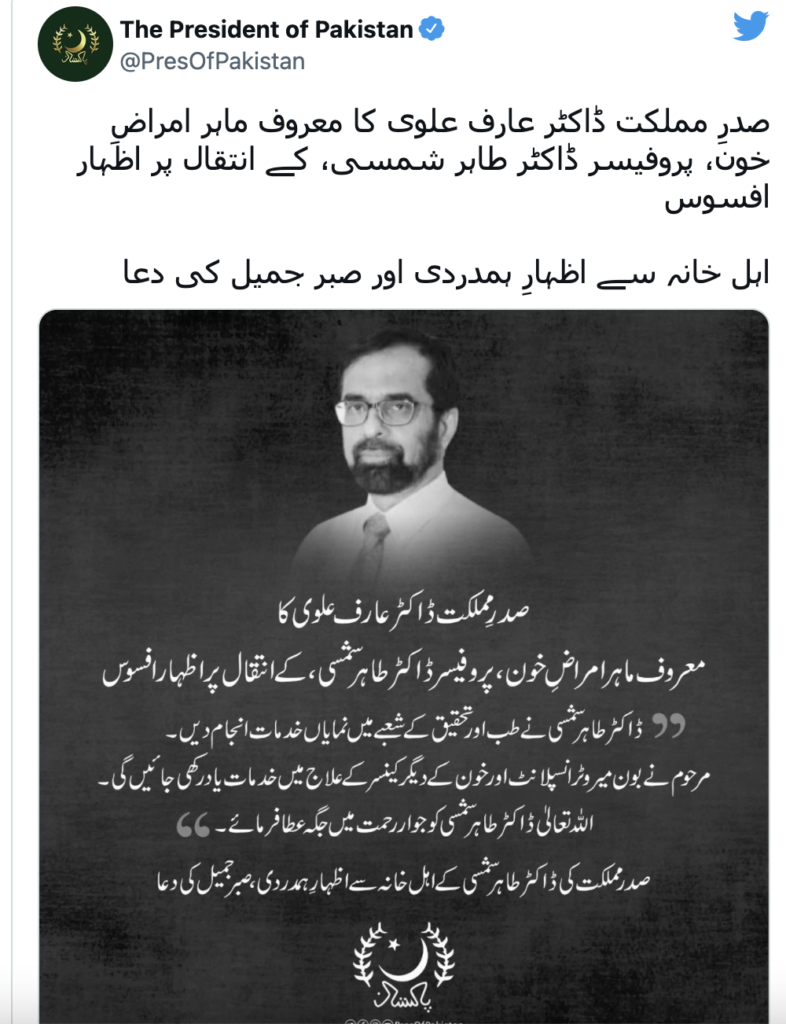
It all came to pass. The National Institute for Blood Diseases was created and Tahir founded Pakistan’s first bone marrow transplant program. The president of Pakistan recognized him for his incredible achievements. And the president offered his condolences in a tweet shortly after Tahir’s passing.

He got up to go to work in December, as usual. We had just messaged one another about how I would come over as soon as it was safe to travel, and stay at his new home, which accommodated all his growing family. He messaged, “You are always welcome.” Combination work and social visit. The kids are mostly grown, though the youngest is still just 15. I imagine he kissed them good-bye, as he adored his family, and had his driver take him to the office. We would have had interns to meet with, surgeries and patient visits planned. I do know he felt ill suddenly, and asked to be driven to the hospital. He suffered a massive brain hemorrhage, of all things. He never recovered and died, age 60, with so many depending on him, with so many achievements, but I know with so many more things he wanted to accomplish.

I don’t ever recall him saying he had a vacation in the 23 years that I knew him.

His death shocked me. You can never believe so wonderful a healer could be so ill. I could and would just pick up my phone whenever, and could message this famous and highly regarded physician, and chat with him like you would a regular person and friend.

But no more. Never again. He was gone, in a flash, a heartbeat, as if he sped away to attend to a medical emergency and never returned. He was always helping others.

The grief over his passing was palpable and deep. The NIBD team wrote on Facebook: “He was a national asset, a mentor to the juniors, a patron for many noble causes and a fatherly figure to all. Our loss cannot be described in words as the void he leaves behind is unfillable. He was director of the stem cell program, paragon of health research, an outstanding individual with excellent mentorship abilities, and an incredible human being. May Allah grant him the highest place in Jannah. Ameen.”

I will return to Pakistan, but it will never be the same without my friend, this incredible pioneer of medicine. He was a transformational leader, of the rarest type.

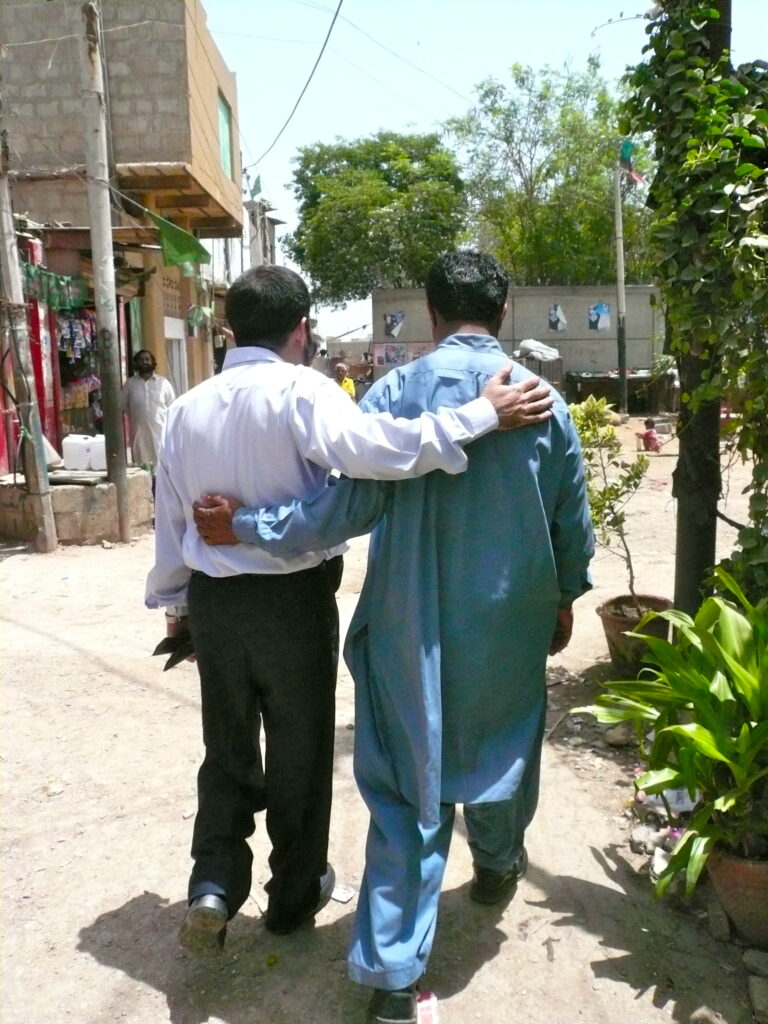
Tahir comforting a father

Remembering Legendary Leaders

It’s been a sad couple of years, made sadder today by blogging at the first of the new year about the loss of two incredible leaders in our global hemophilia community, one in the US and one in Pakistan, gone in as many weeks. I’ll write tonight about the loss of Val Bias, the first leader in the hemophilia community I ever met, who made a lasting impression on me.

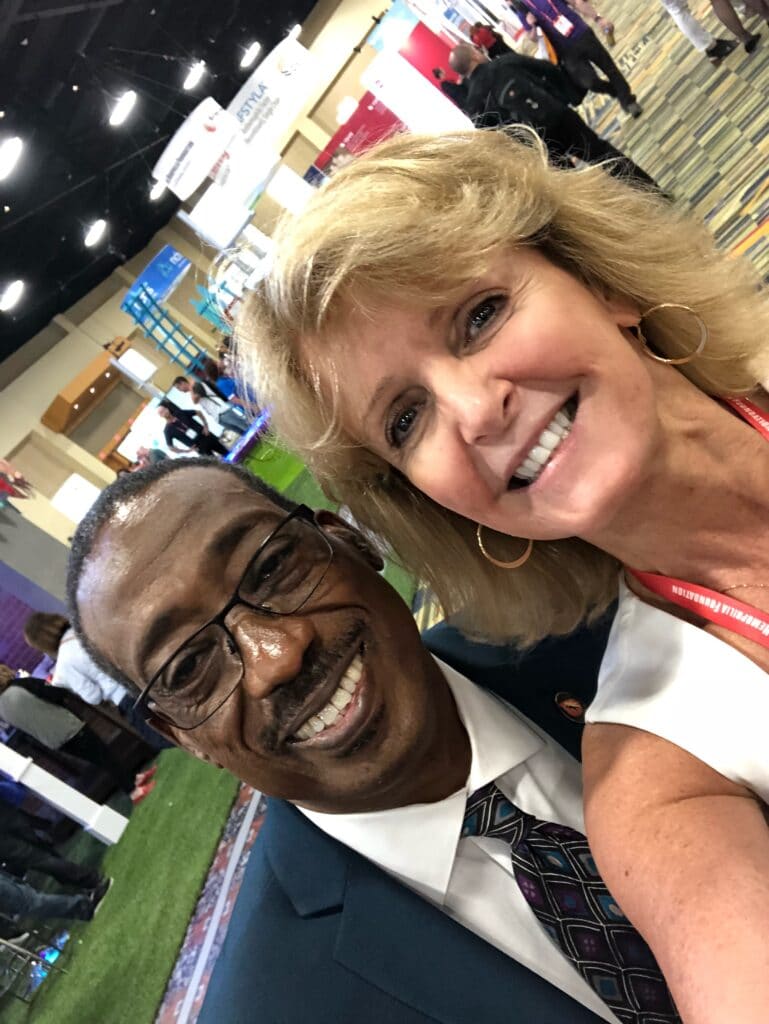
Val Bias and Laurie Kelley at an NHF Annual Meeting

Val Bias was an icon in the US hemophilia community, an unmistakable presence with his dazzling smile and hearty laugh, who possessed charm but purpose, intelligence but an everyman, relaxed posture, a polished speaker who could also sit back and listen deeply. His goal was ultimately to channel his own pain and suffering, of which there was much, into something for the greater good. He was relentless, and successful, in that goal.

I first met Val during my first National Hemophilia Meeting in 1992. I was the mother of a 5-year-old with hemophilia who had just written my first book, Raising a Child with Hemophilia. I knew about HIV and vaguely what was happening to our community, but … not really. Wrapped up in my own non-HIV world, trying to figure out my place in the community, I watched with horror as a room full of patients, parents and advocates began to rip one another apart over what was happening in the community. People were furious at NHF for their lack of leadership, for advising patients to keep taking their medicine. A patient-led group had formed and stood up, shouting and threatening. Suddenly, one clear, commanding voice boomed: “Everyone, sit down and calm down.” I looked around to see who had this voice, this presence, this leadership. It was a handsome man on the podium, who seemed to be the only one with a rational expression and the only one not afraid. Val Bias.

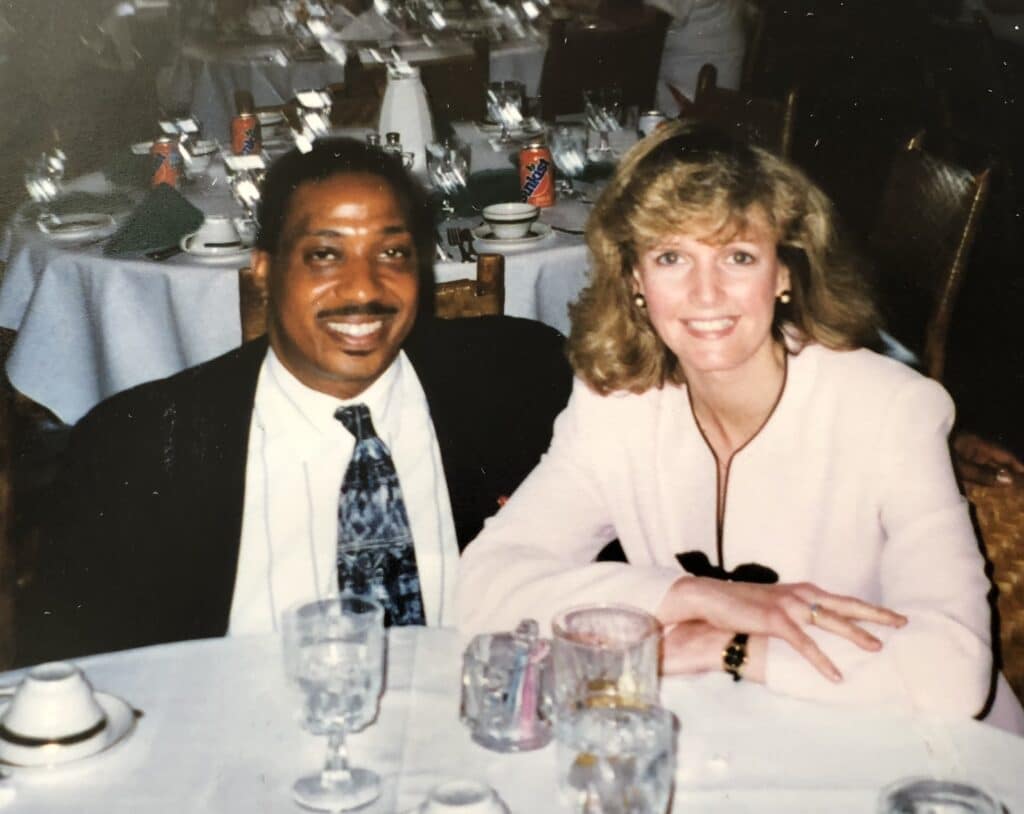
Val and Laurie in 1998

He was famous already in the community for being executive director of the Hemophilia Council of California, a lobbyist for NHF in Washington DC, and president of the board of the Hemophilia Foundation of Northern California. He was an active camp counselor, mentoring the boys with hemophilia. What amazed me most about him was his role in helping get the Ricky Ray Hemophilia Relief Fund Act of 1998 passed. This act allowed monetary compensation for those infected with HIV who have hemophilia.

Later, Val became the first African-American leader of NHF and one of the first patients to become a leader in NHF. His presence was galvanizing and he made impactful structural changes, which required great risks.

The tributes and condolences are pouring in on Facebook but this one, from our mutual friend and colleague, Dana Kuhn, a particularly close friend of Val’s, hit me the most:

“The pandemic of HIV called for a change in narrative of the national organization [NHF]. [A] group of 5 men realized it was their responsibility to teach men with HIV how to protect women from HIV infection and empower men to educate others to become leaders in their communities. These 5 men convinced NHF to create the Men’s Advocacy Network of the NHF (MANN) which brought altering changes to NHF. The change was strategically training and placing men with hemophilia in places of leadership. As a result, Val became chairman of the Board of Directors of the NHF, and Glenn Pierce became president of NHF. Many of us became directors on the NHF Board. Under new leadership the organization began to work through the decisions and responsibilities of the HIV pandemic in the hemophilia community. With the leadership of Val Bias, positive change was made. The community was unified to work on the Ricky Ray Hemophilia Relief Fund Act of 1995. New, improved and safer hemophilia products were coaxed into coming to market. The safety of the Nation’s blood supply became a priority especially through blood/plasma collection processes. Government agencies and Cabinet level committees accepted hemophilia consumer members to these positions turning a listening ear to their concerns and perspectives. NHF created initiatives under Val Bias and Donald Colburn challenging the raising of funds for research in gene therapy for a CURE. Under Val’s leadership ‘Chapter Development’ was made a priority and programs were implemented. Chapters became stronger and more universally developed. I could go on with much more.

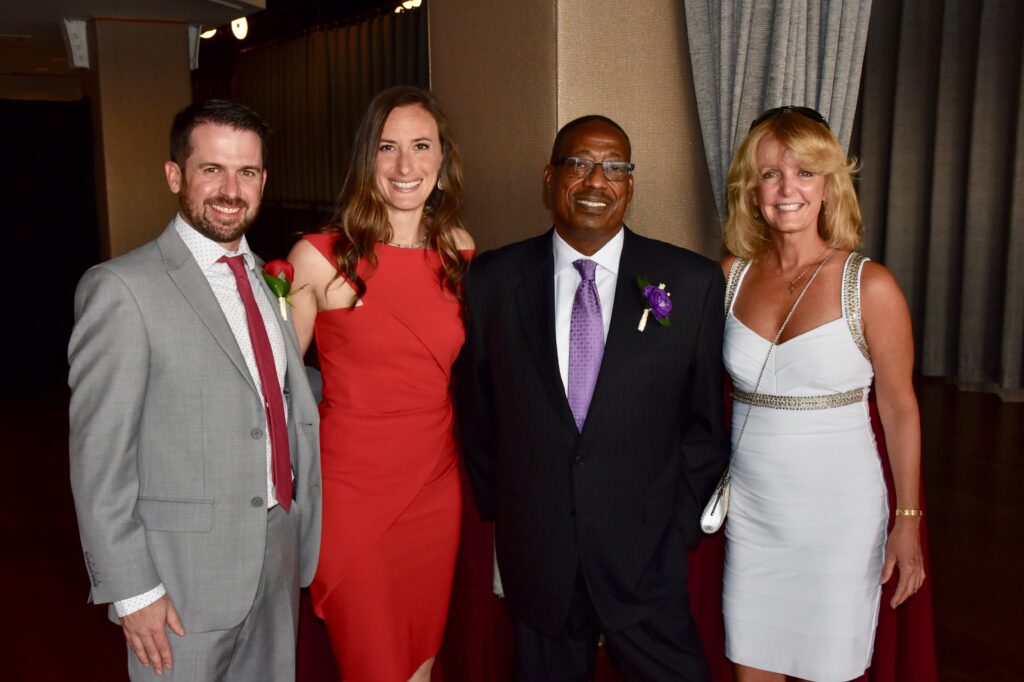
Val with Chris and Jess Bombardier, and Laurie Kelley, in 2019, recognizing Save One Life; the last time they would see Val.

“However, how can I impress upon the bleeding disorders community the passion and compassion this leader had for his community and the awesome change he facilitated coming out of NHF’s challenges with the HIV pandemic. We need to honor this leader and the work he accomplished to help make this community better. The NHF Board and leadership, the Chapters, Youth Leadership Programs, Cure for the Disease programs, educational programs, relationships with donors would not be where they are today without his leadership.”

One of the hallmarks of a true leader is not what position they held, or how many accolades they receive, but what legacy they leave behind. Val was a transformational leader who changed our world, for the better. RIP Val; your work is done. Let those you mentored carry it forward.

Learn more about Val Bias in the movie “Bad Blood,” available on most streaming platforms.

Learn more about Val’s contributions in this article in HemAware.

HemaBlog Archives
Categories