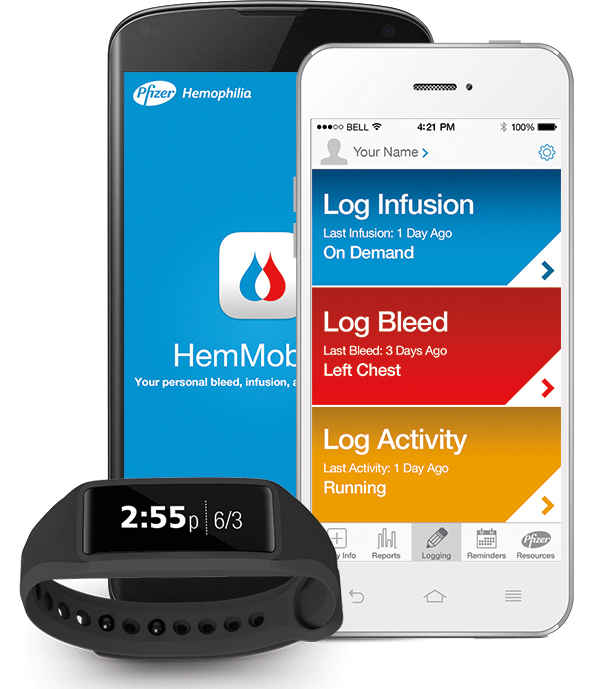
At LA Kelley Communications, we are devoted to providing helpful tools and resources to families with hemophilia. We have highlighted below two exciting Pfizer Hemophilia resources for you or your loved ones. The first is an innovative video game that gives children the opportunity to learn about their hemophilia by participating in a stimulating gaming experience. The second is the first wearable made for patients with hemophilia that offers an easy-to-use, comprehensive tool to track activity. The wearable integrates with Pfizer’s existing HemMobile® app, allowing users to log bleeds and infusions, monitor their factor supply, and set appointment reminders. Please read below to see if these exciting resources are right for you or your family members.
Enjoy!
Laurie
This is a paid public announcement for Pfizer and does not constitute an endorsement of products or services. When you click on the links in this blog entry, you will be directed to the Pfizer website. LA Kelley Communications always advises you to be a savvy consumer when contacting any company; do not reveal identifying information against your will.
HEMOCRAFT™, a virtual world designed for the hemophilia community
HEMOCRAFT is a video game developed to educate and inform younger patients with hemophilia about the importance of staying prepared and sticking to their treatment plan.
HEMOCRAFT modifies the popular Minecraft™ game to send players on adventures in a world where they have hemophilia
In the game, players interact with a treatment team to learn about the importance of staying prepared for activities
As part of their quest, players must find components to create infusion kits that help their factor levels stay elevated throughout their adventures
HEMOCRAFT was developed through a partnership between Pfizer Hemophilia, Drexel University, the National Hemophilia Foundation, and members of the hemophilia community
HEMOCRAFT is a trademark of Pfizer Inc. Minecraft is a trademark of Mojang Synergies AB.
HEMOCRAFT is provided for educational purposes only and is not intended to replace discussions with a health care provider, nor is it intended for curing, treating, seeking treatment for, managing, or diagnosing a specific disease, disorder, or any specific health condition.
Intended for US audiences only.
The HemMobile® Striiv® Wearable—the little app that could, with a wearable that can do even MORE
The custom Striiv® Wearable, when paired with HemMobile, offers activity tracking features to help patients with their hemophilia.
Wearable device monitors patient’s daily activity, heart rate, and number of steps to track intensity of activity
Allows patient and treatment team to have better discussions about intense activities, staying prepared, and managing hemophilia
HemMobile is not intended for curing, treating, seeking treatment for, managing, or diagnosing a specific disease, disorder, or any specific health condition. Pfizer will not have access to any personal information you enter into HemMobile.
After ten long years, I am returning to the second developing country I ever visited for hemophilia, and one I feel very close to–Pakistan. Just as I landed in Dubai, after a 12 hours flight, there were reports of protest throughout the country. It was serious: Facebook was even shut down for the first time in its history there. My Pakistani partners wondered if I should continue, as the airport road in Karachi had been closed, but after a flurry of emails, we all agreed I should continue.
I was pulled out of a long customs line by Asghar Ali, who works at the airport and has a son Rana, with hemophilia. As he put me on the fast track, I was through in no time. My friends hematologist Dr. Tahir Shamsi and Mr. Alam Zaidi, who has a son with hemophilia, were there to greet me in the cool early morning air—it was 6 am. I was staying with the Shamsi family, and it was so nice to be back in their home, after 10 long years.
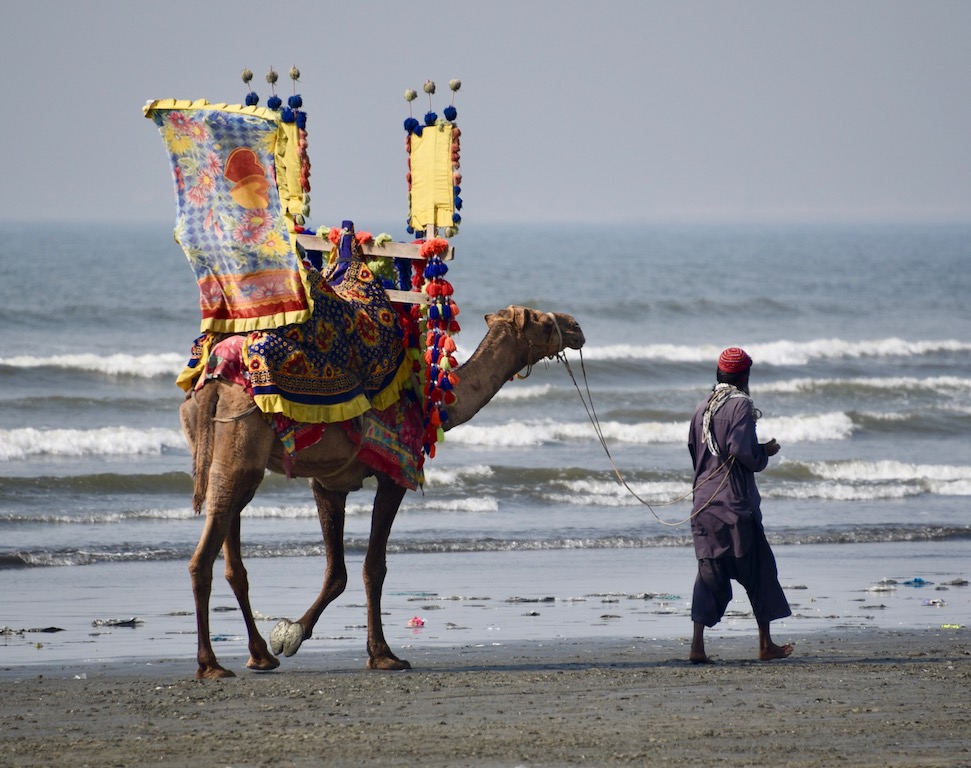
After a rest, we all headed to the beach with the whole family–kids, wives and one grandchild!. It was fun! I’ve been here twice before on previous trips, once including the Shamsi family in 2007. It was hot and sultry. Camels waited for riders, decorated with colorful reins and enormous saddles with frames; horses, which I never saw before, stamped impatiently in the sand.
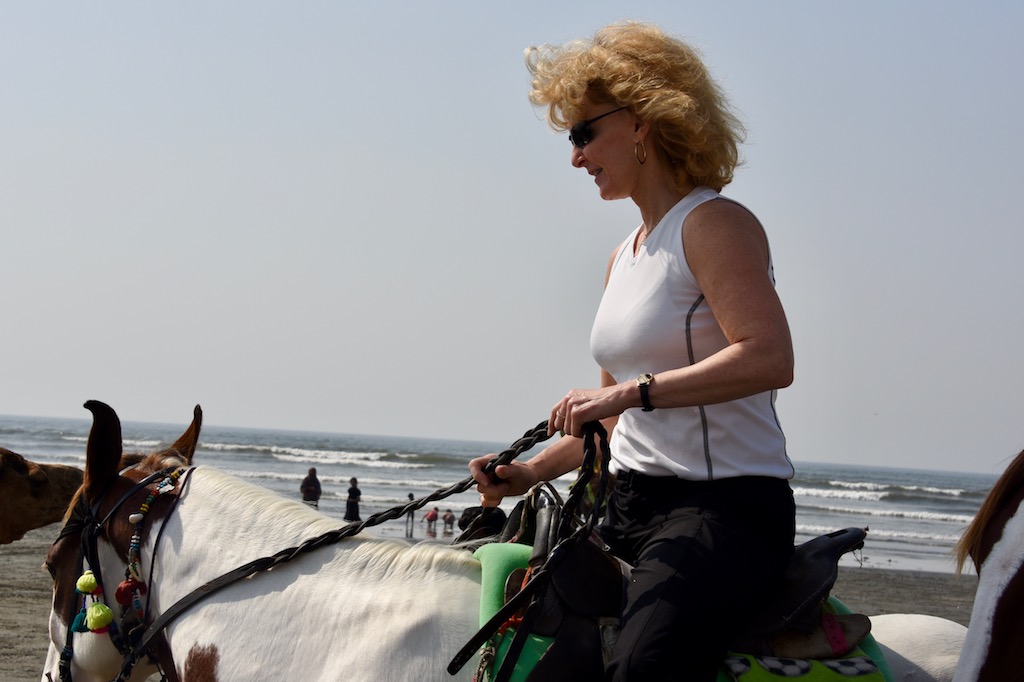
I mounted a white horse, which was compact and wiry. The owners walked them up the beach, then asked in sign language if I wanted to ride it by myself. I wasn’t really sure; was the saddle tight enough? The stirrups the right height? I finally said ok, and the man just said “Urdu,” motioning to the horse. What—the horse only understood their language Urdu? Then he slapped it on the flank and off we went! It was glorious! Galloping on this small horse on a beach at the Arabian Sea!
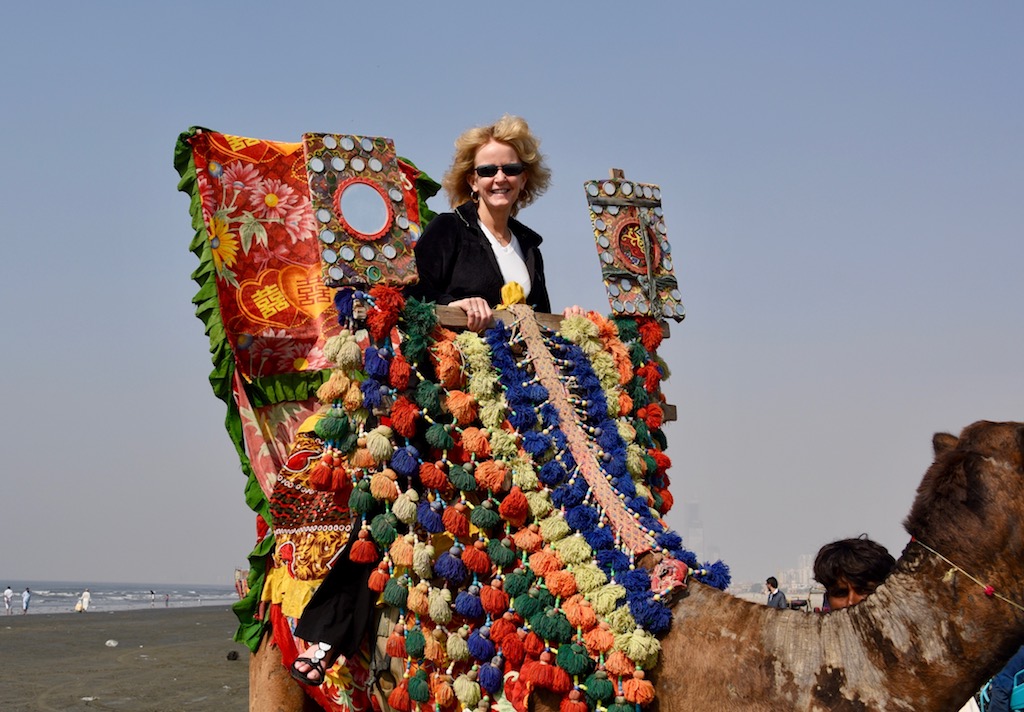
Next—camel ride! I loved how it stands knees first. That was a relaxing ride, though it lurches and then sometimes trots to catch up to the guide. I was a bit sunburned but what a great way to enter back in Pakistani culture and this nice family.
Monday November 27, 2017
Pakistan is the sixth most populous country in the world, but ranks 149th among 188 counties according to the UN, in sustainable healthcare-related goals. Keep that in mind as you read how a dedicated group of patients and their healthcare providers are trying to save their people with bleeding disorders and revolutionize care in this fascinating and ancient country.
Today I visited the Husaini Blood Bank, one of the very first stops when I first visited this country in 1999. Then, everything was so exotic and different, so strange. Pakistan was rather insulated from the world, prior to the US Iraq invasion of 2003. In 2007 I saw much US military presence. On this trip, none at all.
Alam Zaidi picked me up at Tahir’s house; as he got out of the car, the back two doors opened and out stepped two beautiful young people: daughter Fatmid, and son Abbas, both of whom I had met when they were children. Abbas, a teacher, is a handsome young man with hemophilia, dressed in a tailored suit, tall. Fatmid is lovely—a journalist.
The blood bank was not far, but what a far cry from my first visit! This was a new building, sparkling clean, modern and welcoming. Everything gleamed: chrome, glass and marble. The spry Dr. Jafry is ageless, and is still there as head of the Karachi branch. I met his team and we took a tour through the center. Blood banking is my weakest area, but I can appreciate the new equipment and that they now have hepatitis testing that reduces the waiting period from 70 days to 7 days! This means less chance of spreading the virus.The very first patients I met were two young men with hemophilia, receiving donated Eloctate from Bioverativ.
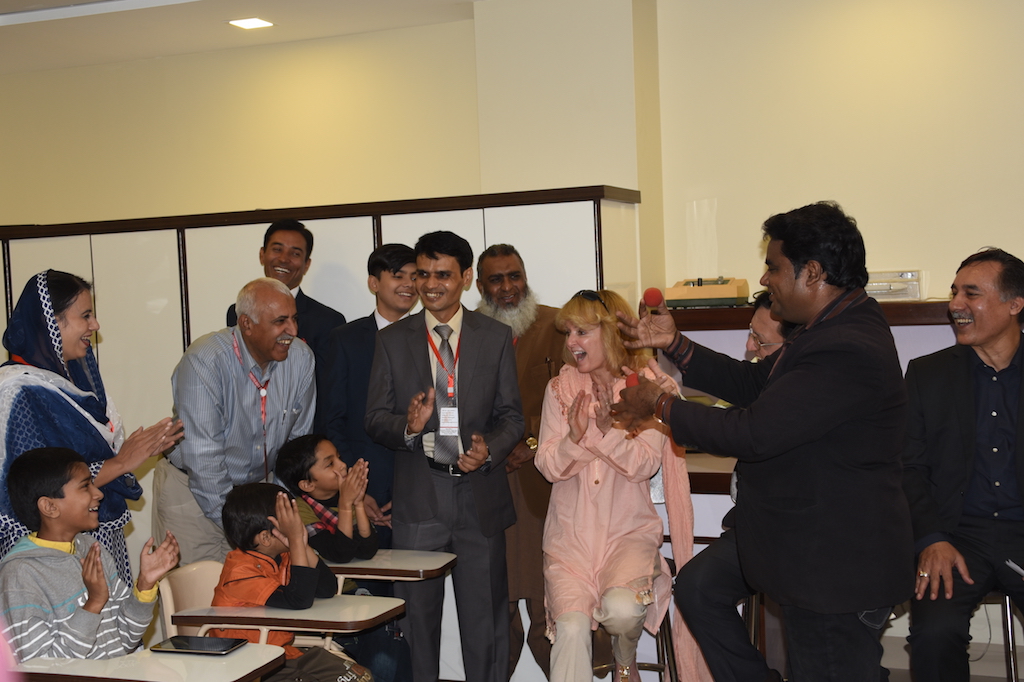
Magic! Laurie Kelley with kids
At last we met with the Save One Life children: 24 out of the 25 Save One Life beneficiaries we have registered there! A magician was performing so I sat on the sidelines and watched his slight-of-hand. He pulled a red ball out of thin air, made a wallet catch on fire, did rope tricks. The kids, big and small, loved it! Soon we started the ceremonies, as a small boy recited opening prayers from the Koran. The Karachi chapter did the introductions, and everyone made speeches. It was so kind that they showed photos from my 1999 and 2007 visit.
I met Mubashir, the factor 1 deficient boy I met in 2007, as two-year-old, and now 13! He speaks English and is so polite. I had factor FXIII medicine for them after the program.
The program was nice, covering the achievements of the Hemophilia Welfare Society Karachi, what Save One Life has done to help. Lots of photos ensued and then the kids were all given pizzas for lunch, while we met with the team and had our own lunch.
After this Alam and I drove to the Hemophilia Welfare Society Karachi,
Laurie Kelley, Dr. Jafry, Zahid Hussain and others
the NMO chapter. It’s small, but holds one fridge that contained some cryo, and the Biovertiv donation (see our article in PEN August 2017). Unfortunately, with the Biovertaiv donation, and the increase in infusions, have come inhibitors. Most are transient, thankfully. There are an estimate 4,000 with bleeding disorders in the Sindh province with only 460 identified and registered at this chapter.
Several of the staff were present. Raheel Khan is a phlebotomist with hemophilia, and works at Husaini. They actually have four paid staff, unusual for most hemophilia nonprofits in developing countries. Jawwad Shadid enters the data and gave me a demo; he has hemophilia. They have meticulous bookkeeping, and an excellent patient registry. I was most impressed! I saw this chapter back in 1999, and they have really progressed far, thanks from help from the WFH and Novo Nordisk Haemophilia Foundation. The donations from Bioverativ required all chapters here to up their game, get more organized and transparent and have standards of factor storage and distribution. Finally, we headed back to the Shamsi residence for the evening.
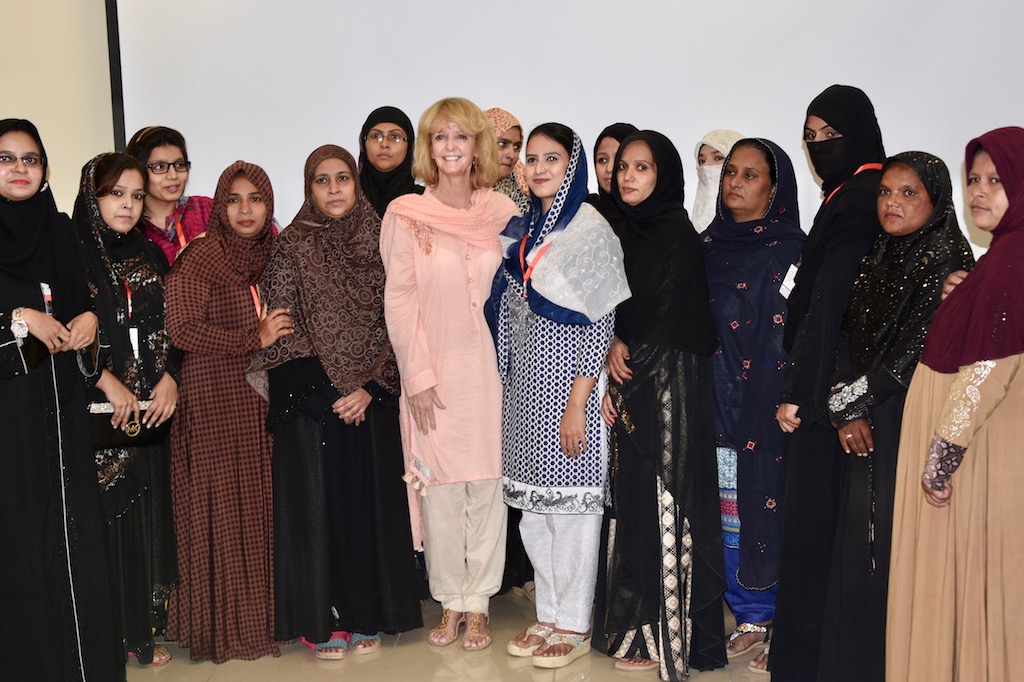
Laurie Kelley with Karachi Women’s Group
Tuesday November 28, 2017
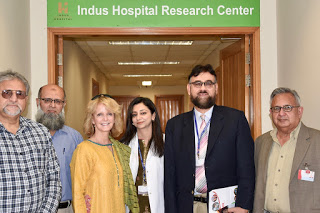
Today Alam picked me up at 9:30 am, and we went to the Indus Hospital, and later, the institute that Dr. Tahir Shamsi founded, the National Institute for Blood Diseases (NIBD).
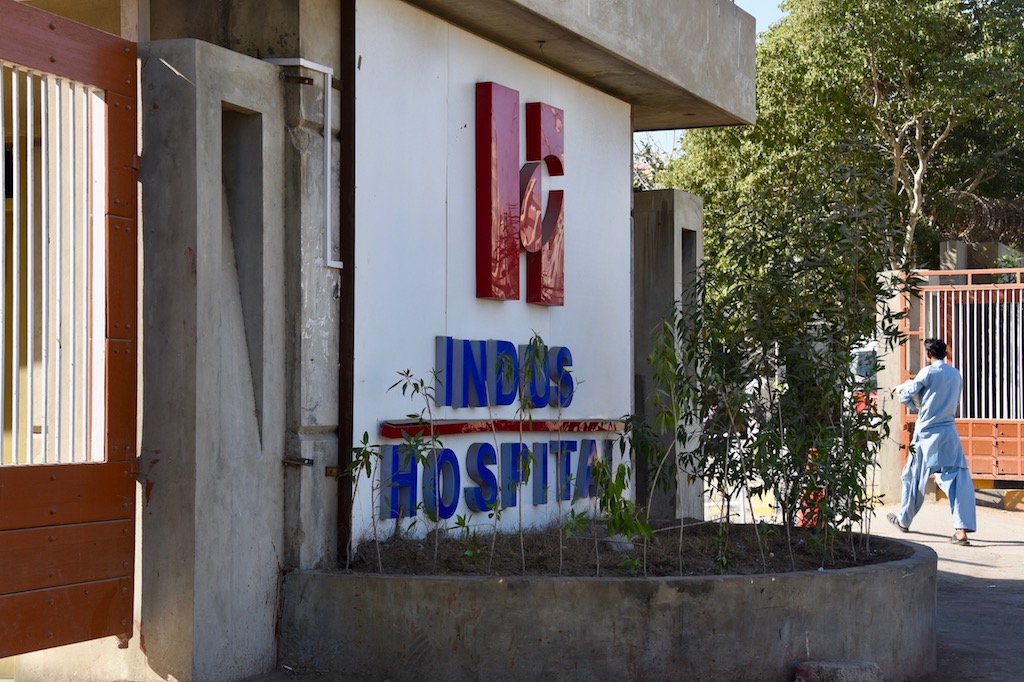
The Indus Hospital is breathtaking in size and scope. As we pulled into the grounds, a huge number of people waited in the chilly morning air. It was founded only 10 years ago, as a 150 bed hospital, dedicated to providing free care to anyone, regardless of class or gender. It’s growth has been explosive. It is now serving millions of patients for every type of medical problem. There are now eight hospitals in 5 cities. Care is absolutely free, so much so that this is a cashless hospital. True— no money ever exchanges
hands. Indus Hospital shows what is truly possible when one dreams big enough and has faith. This is also Pakistan’s first paperless hospital! Imagine! I was so stunned and impressed, I began thinking what I can do at my level to improve my services.
I met with the CEO Dr. Abdul Bari Khan, a gentle giant of a man, who despite his enormous achievements, is very humble and deflects praise. With us were some of his team, Dr. Izza and Dr. Chinoy (who was a classmate of my host, Dr. Shamsi). “You know Dr. Shamsi?” Dr. Chinoy asked me, amazed. “Yes! I’m wearing his wife’s clothes!” and we all had a good laugh. We instantly bonded and I learned more about how people with hemophilia can come here for free care.
Dr. Bari heard my story, and then shared that we both had a common inspiration point: me, with the birth of my son in 1987, and he in 1987 as well, when he first conceived the idea for such a hospital.
After our meeting I met a lovely elder man with VWD, who is in need of factor. He has had a bone that leaks pus constantly despite multiple operations. I’ll follow up with staff to learn more if Project SHARE can help. Despite all the help and dedicated physicians, Pakistan still faces so many restrictions and limitations medically.
After our tour here, we drove in the crazy, no-lane-awareness of Karachi traffic. It’s like being flushed through a convoluted traffic pipe as we dodge auto-rickshaws, donkey carts, hundreds of motorbikes, cars and trucks, horns blasting, all with some sort of preternatural grace. I never once saw a car get so much as scratched and yet car and motorbike come within mere inches of hitting constantly. I long since lost my reflex to slam my foot on the floor or grab the dash. You just go with it!
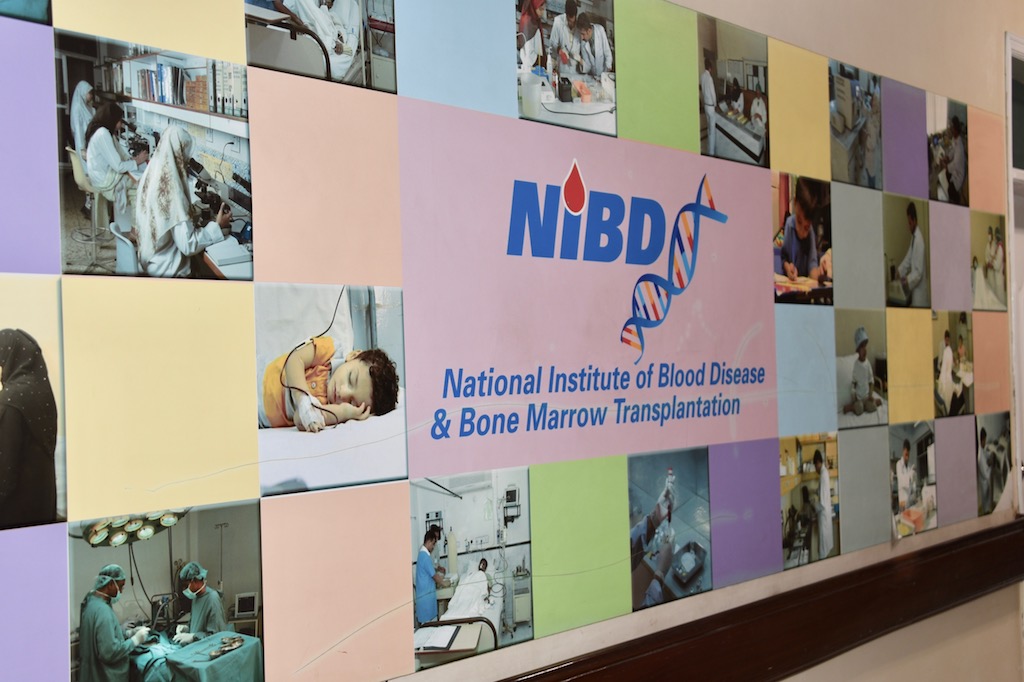
The NIBD (National Institute of Blood Disease & Bone Marrow Transplantation ) was founded by my friend Dr. Tahir Shamsi. It’s an 80 bed hospital in the heart of Karachi. It specialized in hematology, bone marrow transplantation and surgical specialties. It’s the only tertiary care and teaching institute in the country exclusively dedicated to provide comprehensive diagnosis and management of patients suffering from blood disorders. In fact, Tahir pioneered BMT in Pakistan and NIBD has performed more than 700 BMT. I can say I truly know some of the best people in medicine in the world!
Dr. Tahir Shamsi, founder NIBD
I can also say that I was present back in 2001 I think, when Tahir shared this dream with me: to create such a hospital. I had invited him to a medical symposium my company funded in Nepal, as a guest speaker. After the program, we sat in the lobby of the hotel, having tea, on the floor (why, I forget!) and he grabbed a napkin and sketched out a logo and an idea. I so wish I had that napkin today, because I saw vision in action. A dream became a vision which became a goal which gave birth to a strategy. The vision compelled others to help, and Tahir was on his way. Today I entered this institute, amazed at the number of patients, the 400 staff, the multiple floors, the progress, the research, the teaching.
I had the honor to meet three of Tahir’s interns, all hematologists, who want to one day go back to their home cities, and start hemophilia care there, particularly in Balochistan, where patients are largely unidentified. We chatted about steps to ensure this happens, and of course, how to make a dream come true! The men were a bit reserved but as we got talking, because more animated and spoke with more conviction. It was exciting to witness! I want to help them see this through, because their passion should be fed like a flame, and not allowed to die for lack of nurturing.
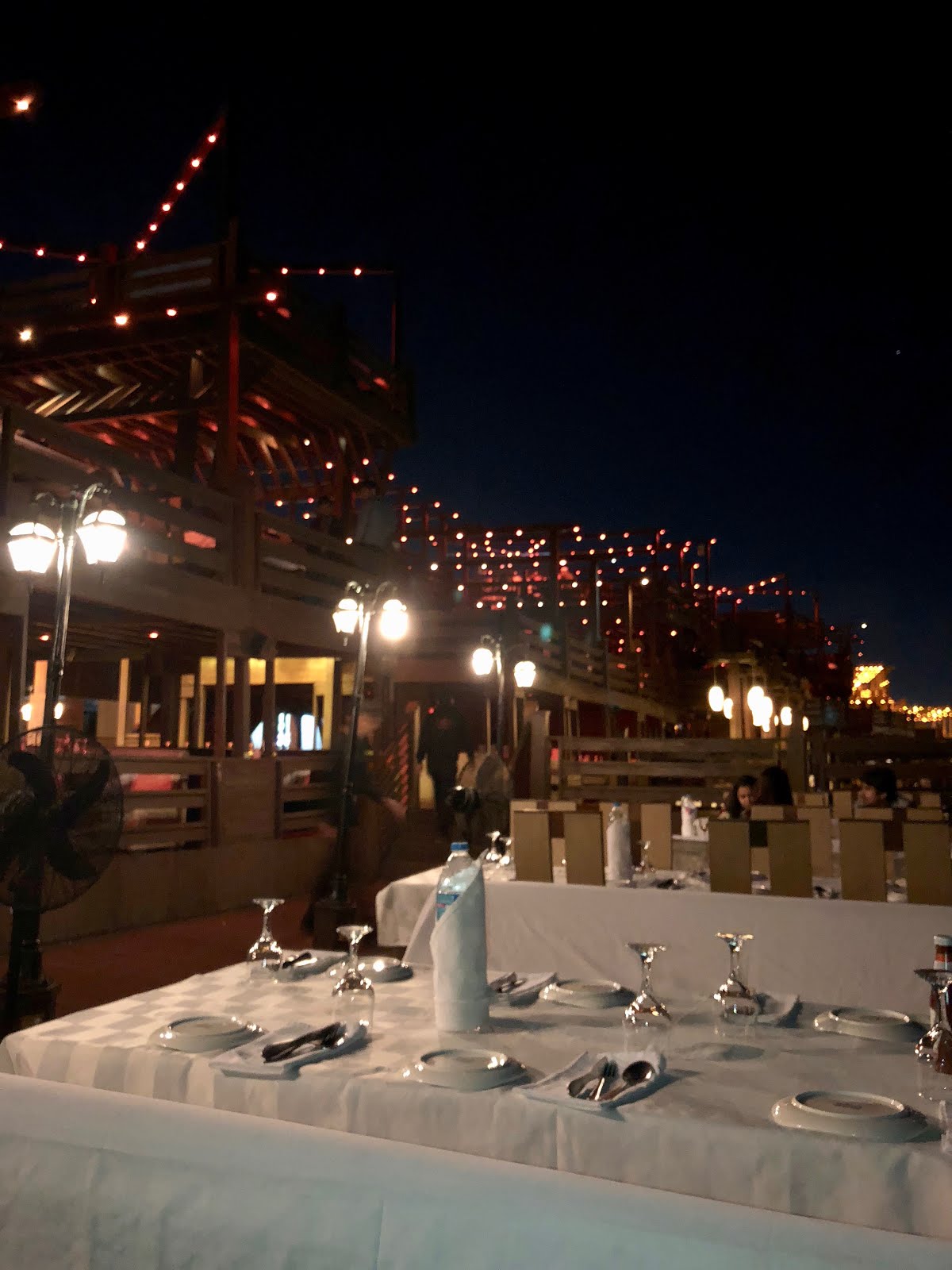
When the tour was over, around 5:30, I looked forward to going back and relaxing. But no such thing! After picking up Tahir’s sweet mother—I adore her—we headed with the entire family to Kolachi, a breathtaking wooden framed restaurant on the Arabian Sea. It was lit up with strings of white lights, draped like the scarves the women wear here, around the neck of the roof. Sea doves flitted across the top of the water, temporarily hitting the refection of the lights, making them glow for a moment. Roti, spinach and all sorts of things. I’m not a foodie, so I can’t report on anything I ate other than Pakistani food is excellent!
We’ve had only a few members of the hemophilia community visit Puerto Rico in the wake of
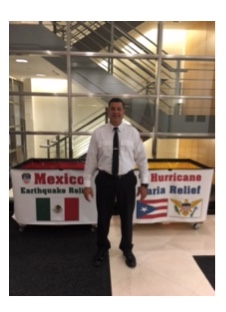
Hurricane Maria on September 20; this report is from Bill Patsakos, who was first from our community to visit from the mainland US. He is uniquely qualified to serve: he is an Army Veteran Medical Service Corp officer, a CVS Pharmacist and FDNY Lieutenant. He is also serving with FEMA, and is the father of three boys with hemophilia. Bill did not
hesitate to travel to devastated San Juan—he has family there too— and meet with Dr. Enid Rivera, pediatric hematologist and chair of hematology, at Hospital Universitario, an HTC
that serves hundreds of bleeding disorder patients. Bill is calm, efficient and deeply caring for his fellow Americans trapped in the aftermathBill shares his eyewitness report with us:“Hurricane Maria, a powerful Category 4 hurricane with wind in excess of 150 mph ripped through Puerto Rico, drenching the island with feet of rain and devastating wind and storm
surge. The entire island endured power outages, complete loss of communications and no running water. The Governor Ricardo Rossello said, “Make no mistake; this is a humanitarian disaster involving 3.4 million US citizens.” San Juan mayor Carmen Yulin Cruz pleaded, “Help us! Without a robust and consistent help we will die.” [She has since claimed that about 900 have died, far beyond the official death toll of 51 lives as of October 20]. Many more are at risk due to disease, lack of infrastructure and access to basic necessities and medical care and medicines.
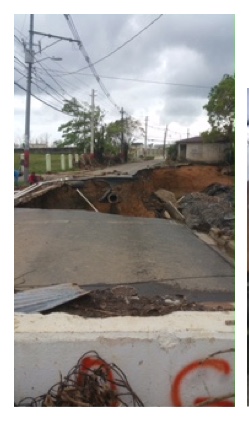
Destroyed road
“The focus has been initially to restore power and communication capabilities to critical
facilities, firehouses, police stations and hospitals. I’ve been able to assist and coordinate medical shipments to four strategic pods located around the island and link up with medical volunteers to triage and deliver care to rural areas that are heavily affected. We’ve been able to visit patients that doctors were concerned about and deliver medications. To date we were able to collect medical supplies, surgical supplies and over the counter meds and approximately $350,000 in factor product and along with injectable drugs, refrigeration and storage. We’ve been able to assist major distributors and pharmacies in gaining assistance from FEMA for fuel and delivery logistics. We’ve communicated needs to volunteer organizations in obtaining tarps for temporary roofing and in some cases place some on roofs of residents. We have visited many hospitals and in particular Centro Medico and the medical school SJU which is the major medical institution on the island.
“There are approximately 100 patients with hemophilia and another 150 with von Willebrand disease. Click here to make a donation to help families with bleeding disorders in Puerto Rico! [Bill met with several patients to assess their needs.] “There’s Osman, a beautiful ten-month-old baby boy with hemophilia A. Maria Rodriguez Diaz, his mom, only 21, also experiences bleeds but was not diagnosed. “Osman has a newborn baby sister, who also has a bleeding disorder. Maria had to stop working as a security guard since she is frequently taking
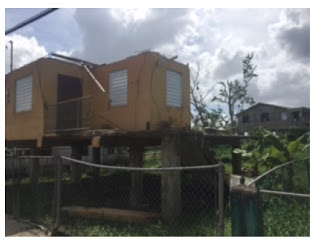
Home ruined by Hurricane Maria
her kids to doctor’s appointments. The children’s father is currently working daily 12-hour shifts
as a security guard. During the hurricane their house was completely soaked since some of their windows didn’t resist the strong winds. All their furniture, clothes, and babies’ articles were damaged. Three weeks after the hurricane they only have water a couple of hours a day, mostly at night, and no electric power. Maria has been struggling to find access to the medication Amicar, since the pharmacies contracted with Medicaid didn’t have it available. She was very thankful that she would receive it as part of donations to the Pediatric Hospital. It’s sad how Maria says she’s ok while everything is going so badly for them.
“We also met Joanne, a 20-year-old woman who was diagnosed with severe factor 5 deficiency (a prevalence of about one in a million). We listened to her story as she was being infused with factor. She lived with her stepmother, aunt, uncle and grandma in Ponce. They were all evacuated from their home the day before the hurricane, since the house is near the beach. They lived in a refuge center for five days until they were able to return to their home. When they arrived, what they knew as their home was no more. Their house was flooded, the floor on
top of theirs, where Joanne’s cousin lived with his family, was completely destroyed. So now there are eight members of the family staying in a space of a living room/bedroom with only two beds, no water and no electric power. Joanne sleeps in one bed with her grandmother
(an open heart surgery patient, insulin dependent diabetic with asthma). They have a very small generator to keep the insulin cool, but with the gas shortage, they have to wake at 4 am to get in line to buy gas. It has been very difficult for them to be able to purchase drinking water and in their area there is almost no food available in stores. She tried to smile but she seemed very sad and hopeless.
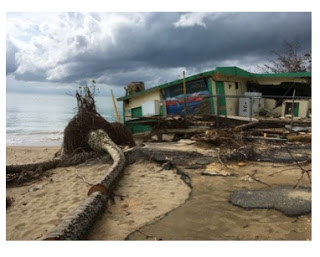
Destroyed patient home on beach
“We then traveled to see Victoria Pereira, a patient who left the Island and is currently receiving help from HFA through their Helping Hands program on the mainland. As we arrived to her address, we sadly saw that the house was completely destroyed. “The people
of Puerto Rico are strong and resilient with tremendous dignity—they are Americans forced to live in third world conditions. We must work to restore Puerto Rico’s infrastructure while
simultaneously assisting their economy and jobs or else the island will face a mass exodus to the continental U.S. To date, 40,000 people have moved to the mainland US since Maria has struck. Please donate your time and money!” Click here to make a donation to help families with hemophilia in Puerto Rico through HFA, a reputable organization that will make a direct donation to the families!
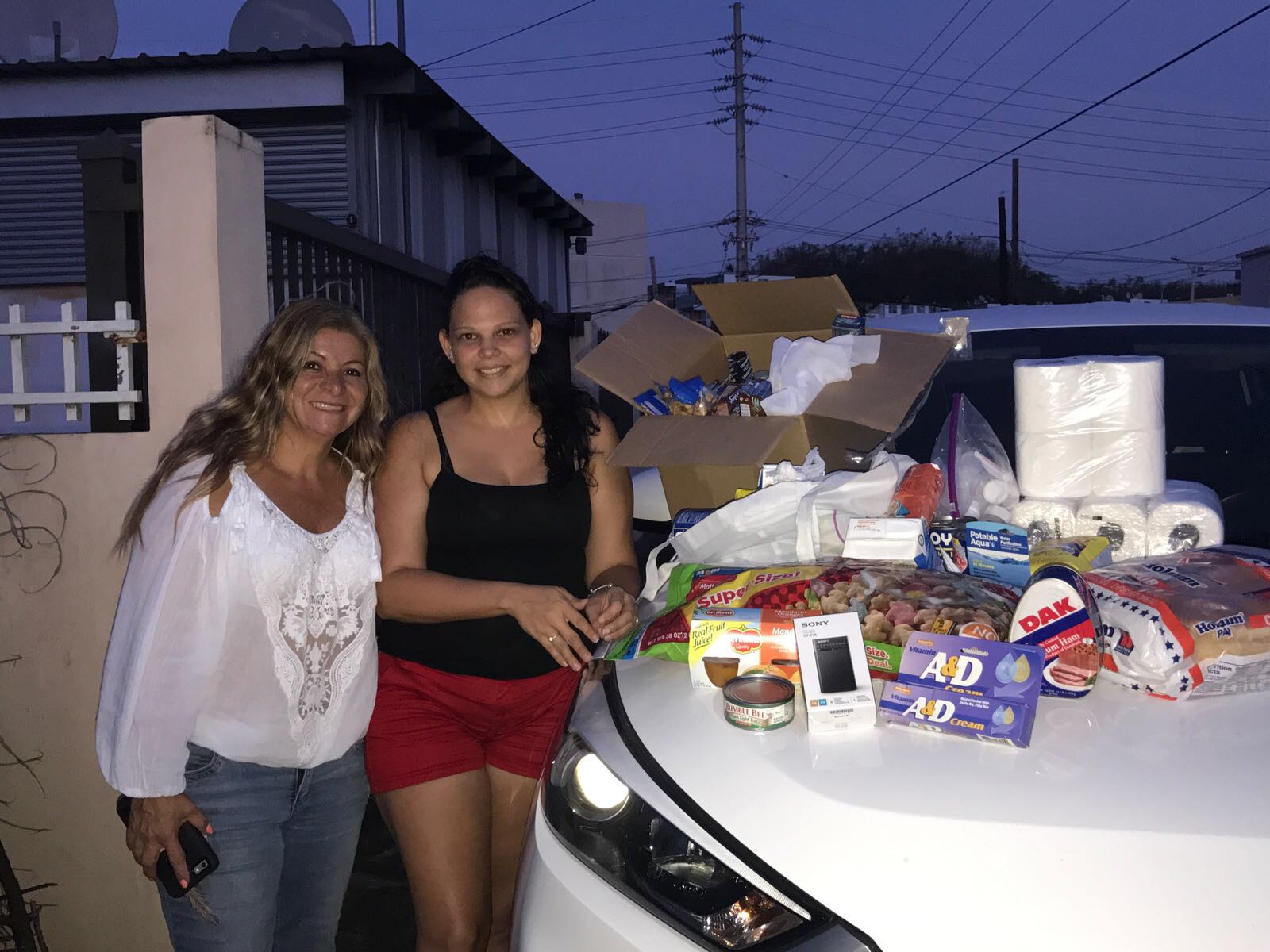
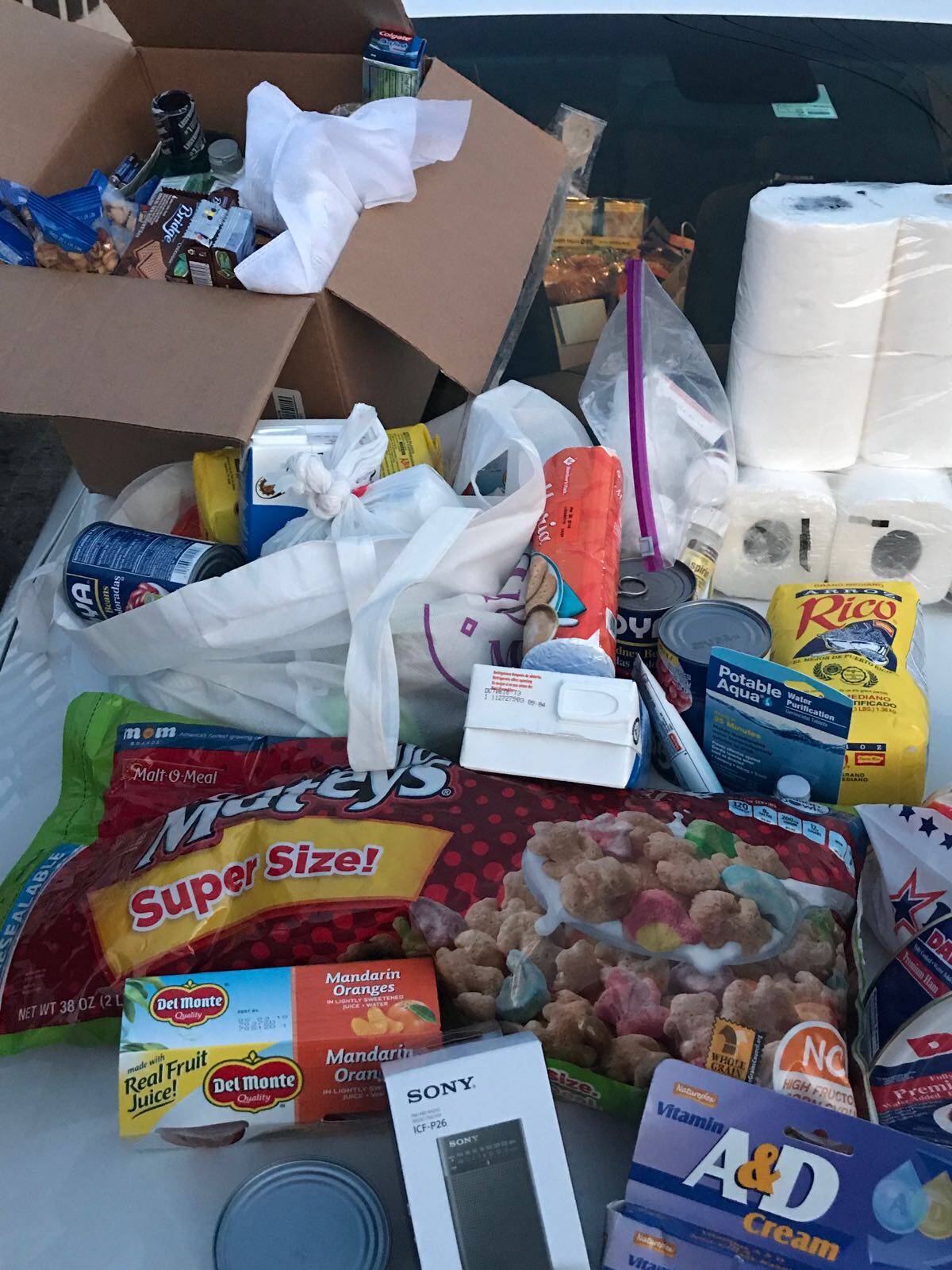
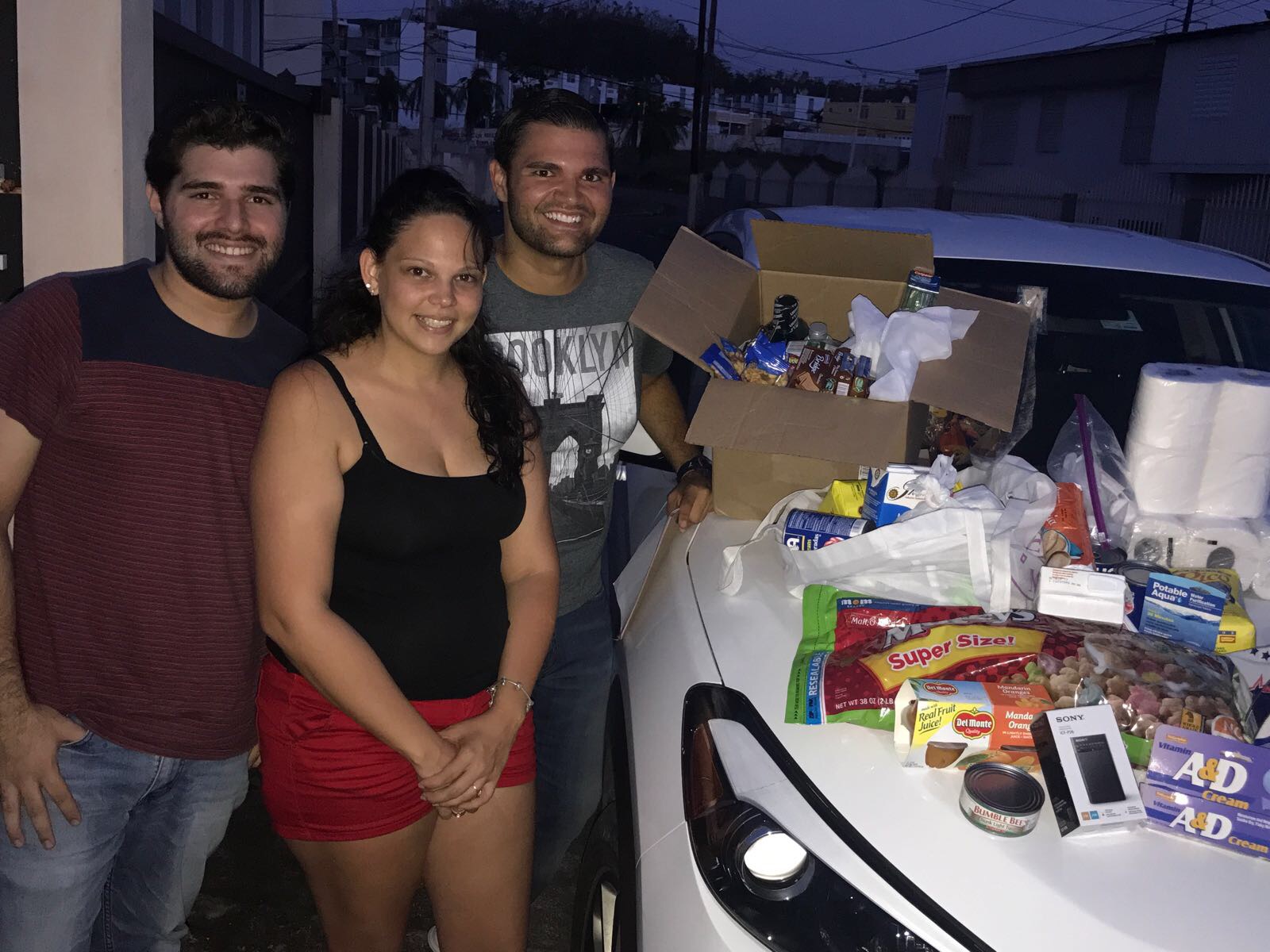
Puerto Rico continues to struggle from the ruins of Hurricane Maria, which struck the island on September 20. The hemophilia community is blessed to have incredible volunteers like Liliana Gomez of Florida, and Bill Patsakos of New York, both parents of children with hemophilia, who have been to Puerto Rico at least twice (Lily is there right now) to gather information on the families affected, and to bring supplies. They’ve also been instrumental in helping us to form a plan on how to get funding to these families, like Carlinette.
Carlinette Aquino Monserrate is the mother of Yensen Yahir Garcia-Aquino, age 7, and Kyanzel Derich Alicea-Aquino, age 22 months. Carlinette, a single mom, endured the hurricane alone with her two children.
“The hurricane winds were very strong and loud, and my children were all very scared,” she told Lily. “Water kept coming in through all the windows and through the roof for many long, eternal hours. I kept peeking through the window. It was horrifying to see as the wind would actually lift up the car! I was so scared that the wind would flip it or throw it against the house.”
Carlinette says she will never forget the loud crashing noises against the house from all the flying debris. “It was a nightmare, but we feel blessed to be alive.”Like most families, she lost most of her furniture and the leaking roof has ruined the few items she had left. “I worry day to day about getting milk for the kids,” she shared. “It’s very hard to find ice.” Carlinette is struggling without a job and just trying to manage this situation. “I know I’m not alone and want to thank you for remembering us and coming out here to help us. We continue to be blessed with your help, our treatment center and the help we now know is coming to us through the foundation and our own community.”
How can you help families like Carlinette’s? Hemophilia Federation of America, in conjunction with NHF, Coalition of Hemophilia B, Hemophilia Alliance and many others, have jointly developed an excellent plan to gather funds from our community, and then distribute funds directly to families through HFA’s disaster relief fund, in a campaign called Together We Care. This program ensures that funds will be used to rebuild homes and provide emergency assistance. All donations will be tracked, and the success stories will be documented and shared in the near future. Please consider donating and visit here for more information!
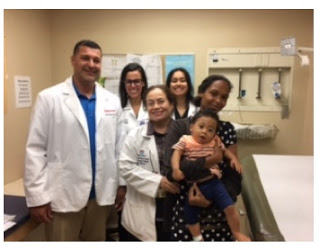
A very happy family
Hemophilia Federation of America, in conjunction with NHF, Coalition of Hemophilia B, Hemophilia Alliance and many others, have jointly developed an excellent plan to gather funds from our community, and then distribute funds directly to families through HFA’s disaster relief fund, in a campaign called Together We Care. This program ensures that funds will be used to rebuild homes and provide emergency assistance. All donations will be tracked, and the success stories will be documented and shared in the near future. Please consider donating and visit here for more information!
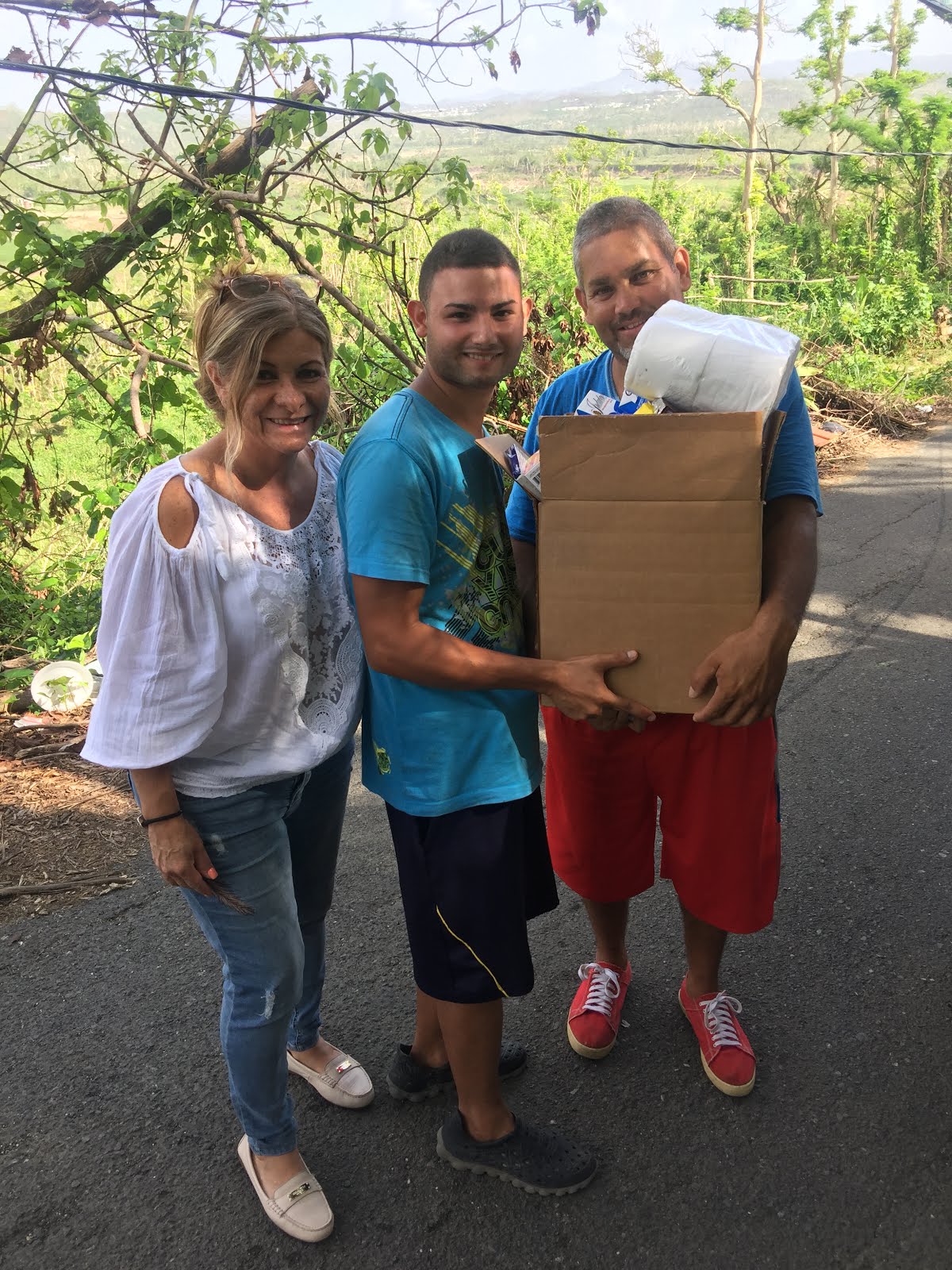
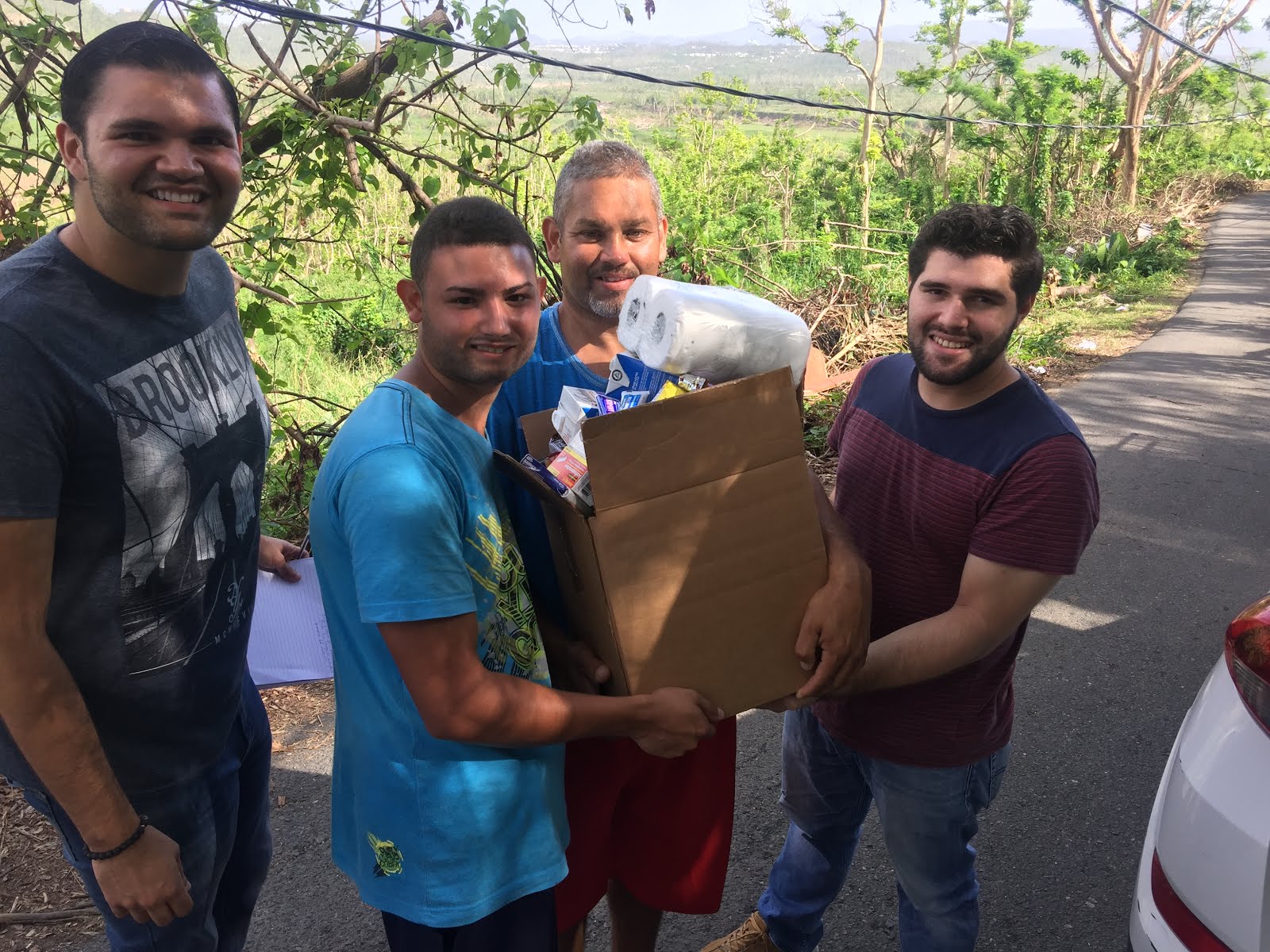
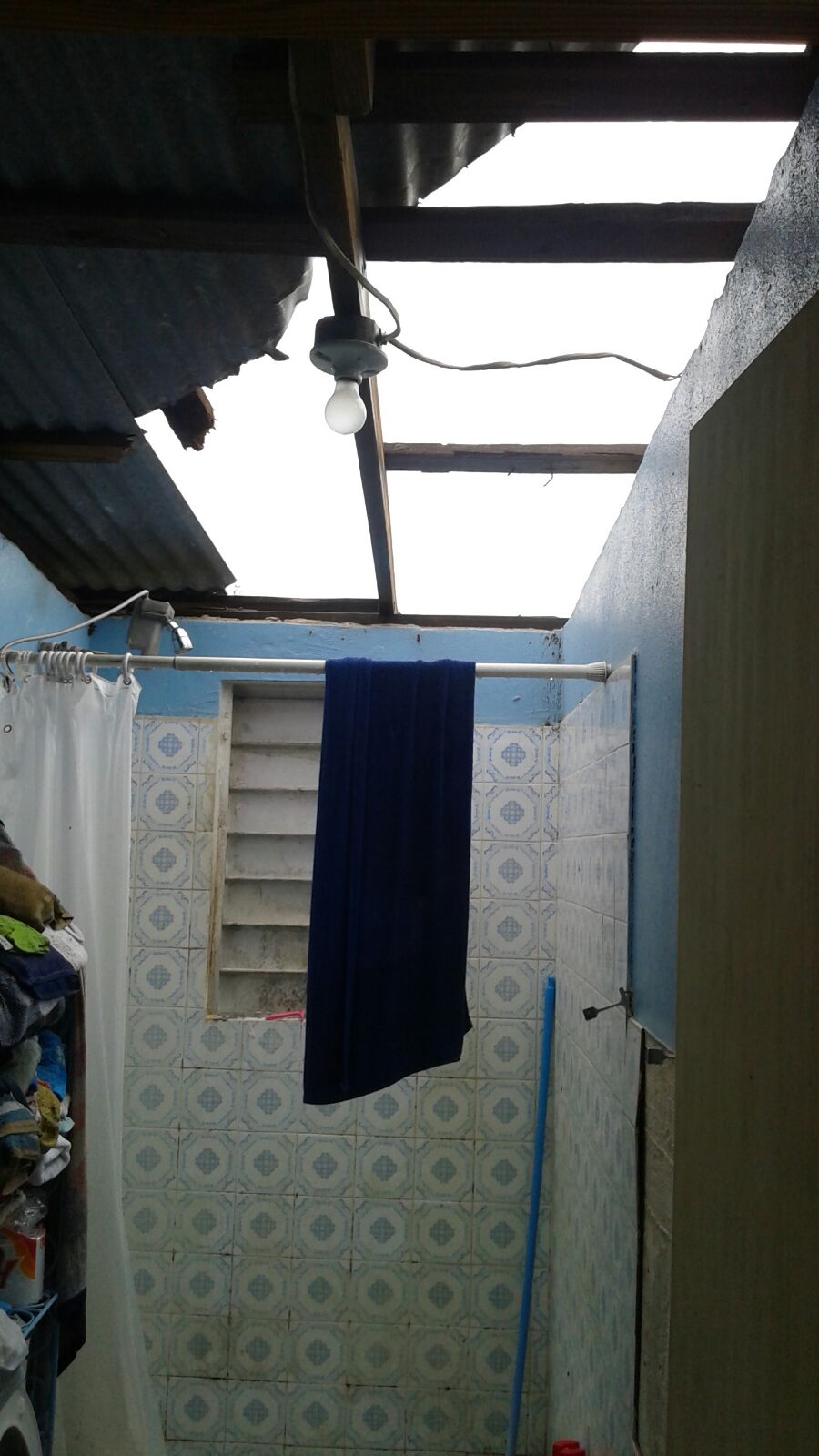
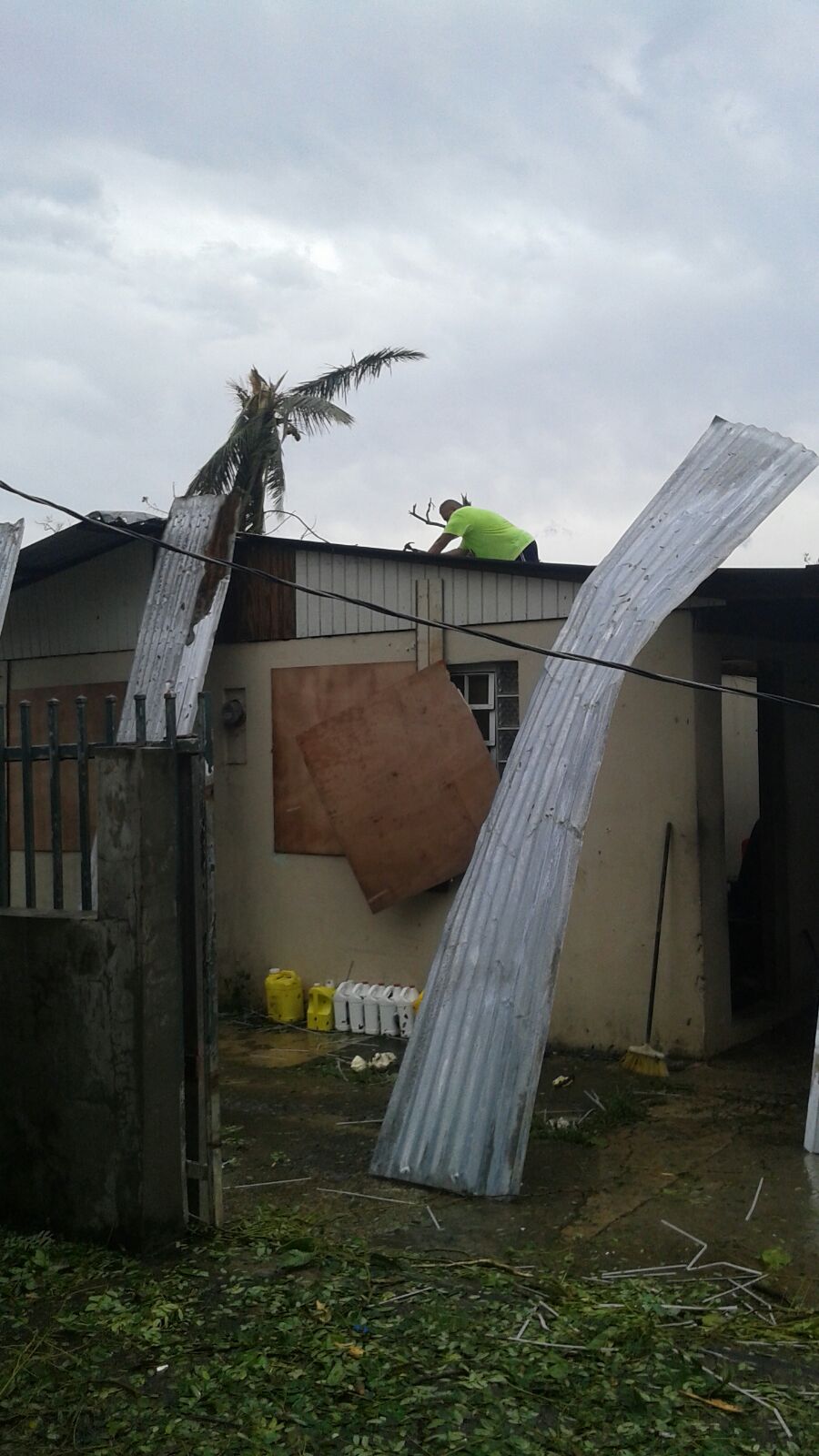
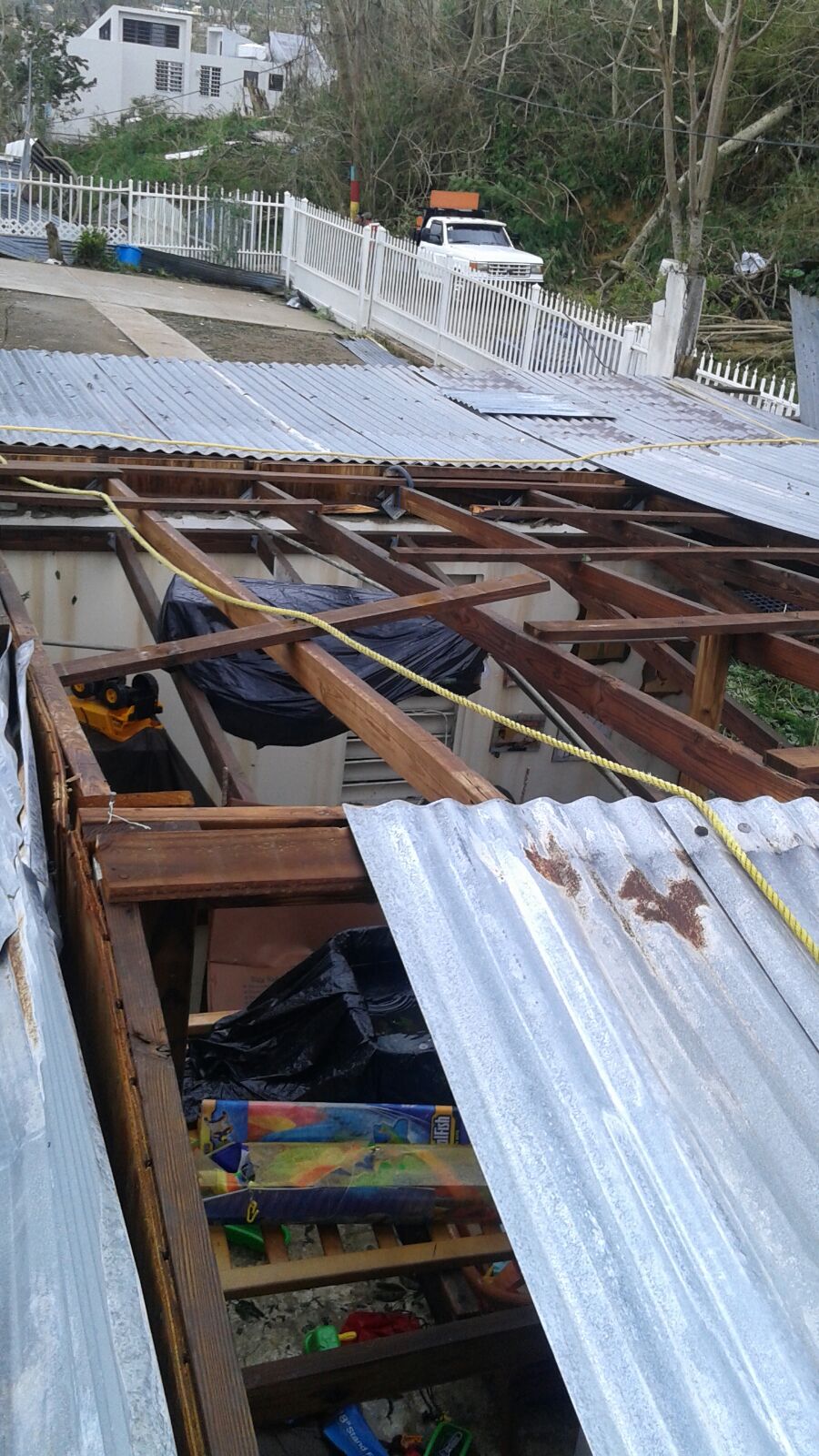
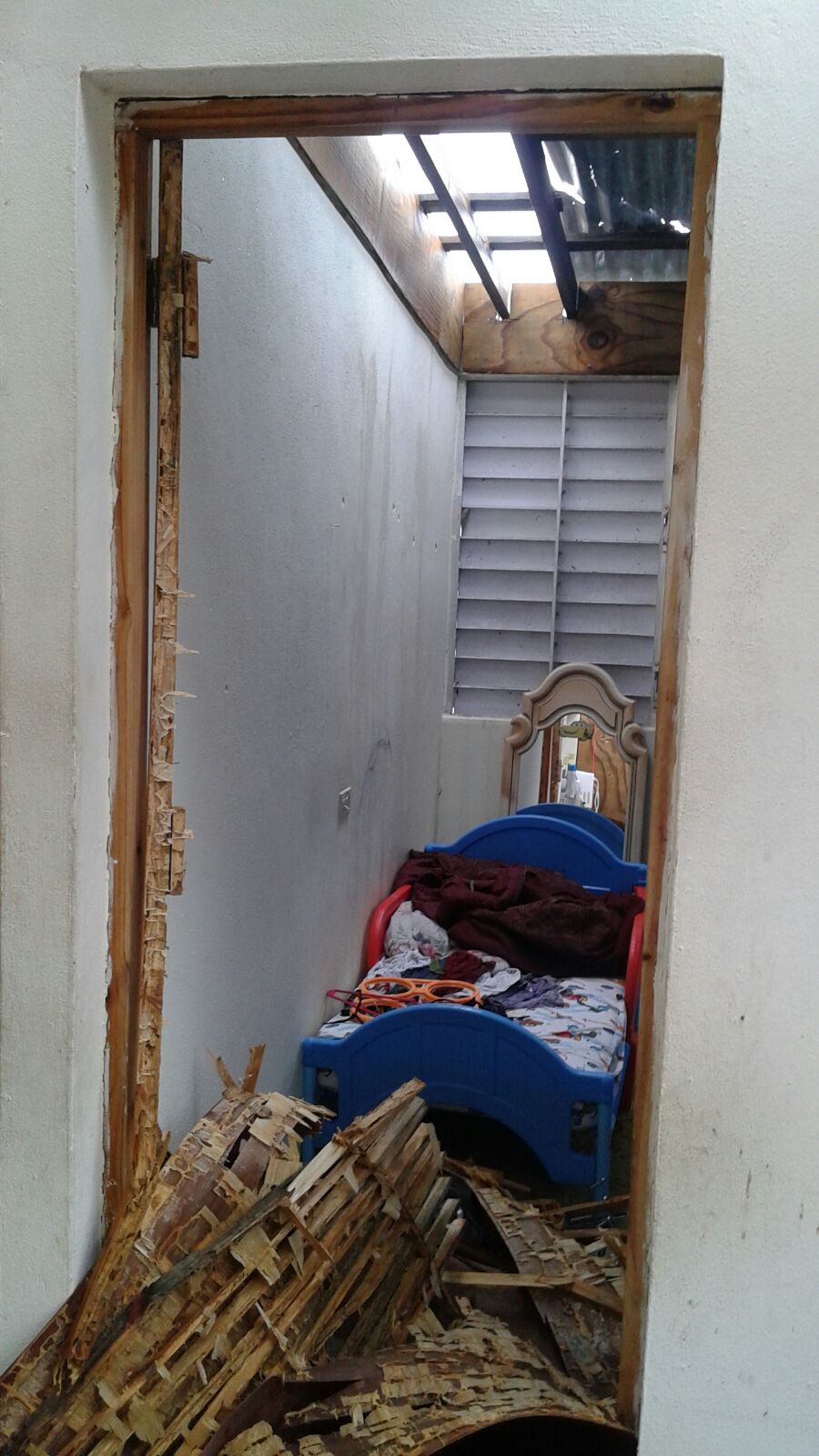
Meet Radames Castillo-Toa, and parents Auraliz Martinez and Francisco Castillo. Real Americans with hemophilia who suffered catastrophic loss when Hurricane Maria struck Puerto Rico on September 20. Lily Gomez, a mother of a child with hemophilia who lives in Miami, visited the island to assess damage, meet families and return with a report and recommendations for aid.
Lily shares that the oldest son Radames described the hurricane landfall as terrible. “Everything was flying around outside, and then inside our home we lost the roof. It was a long day.”
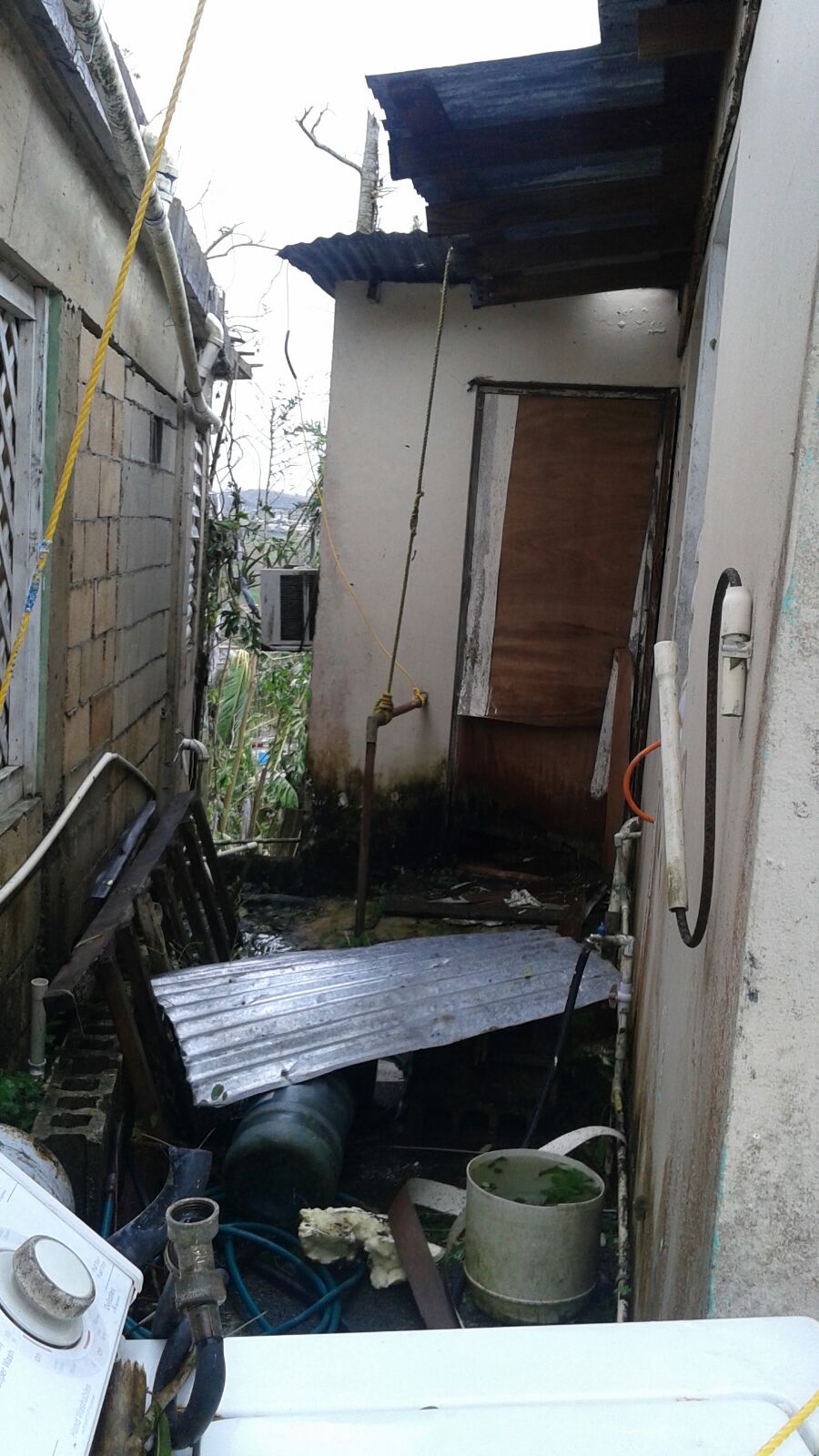
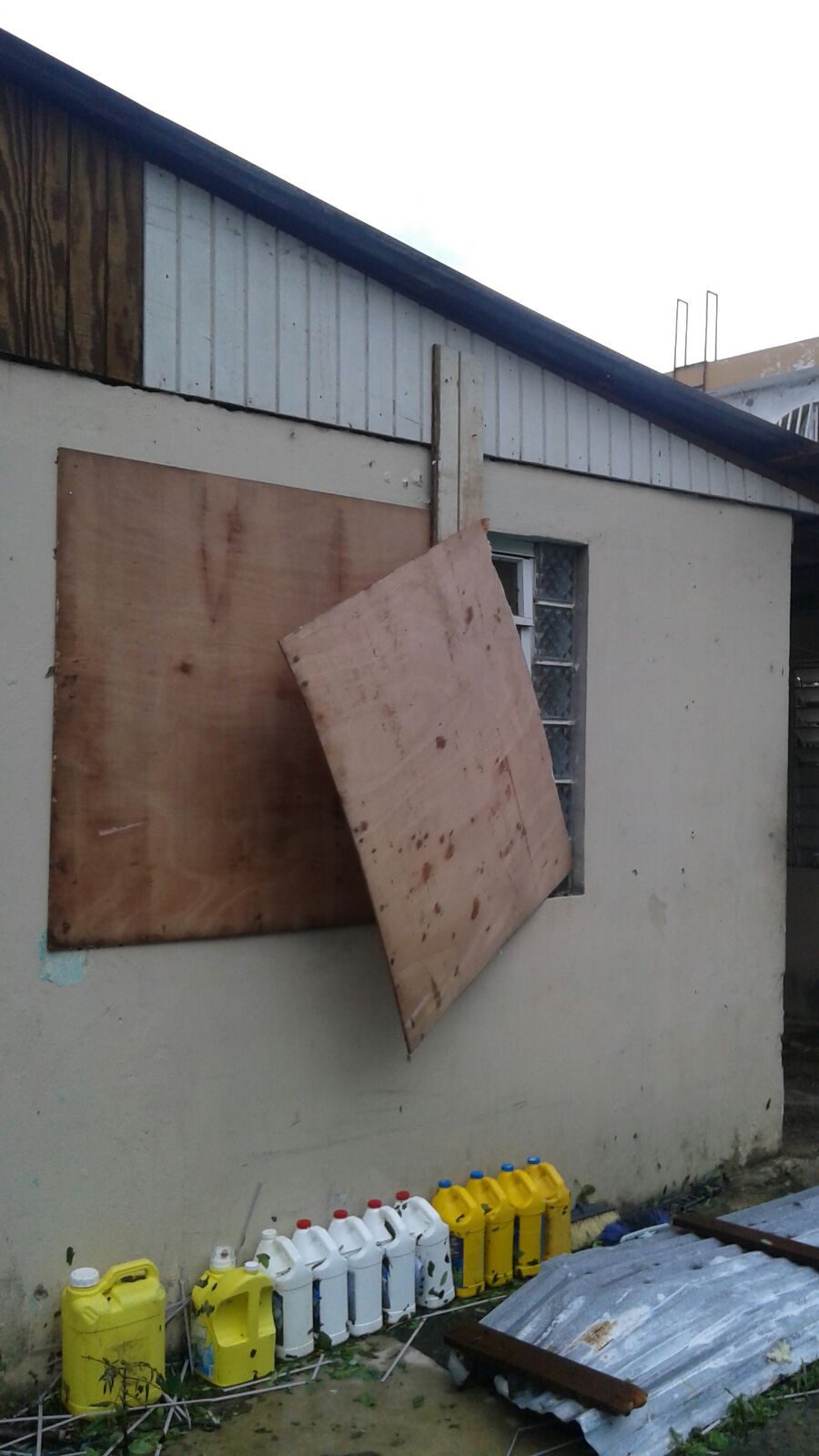
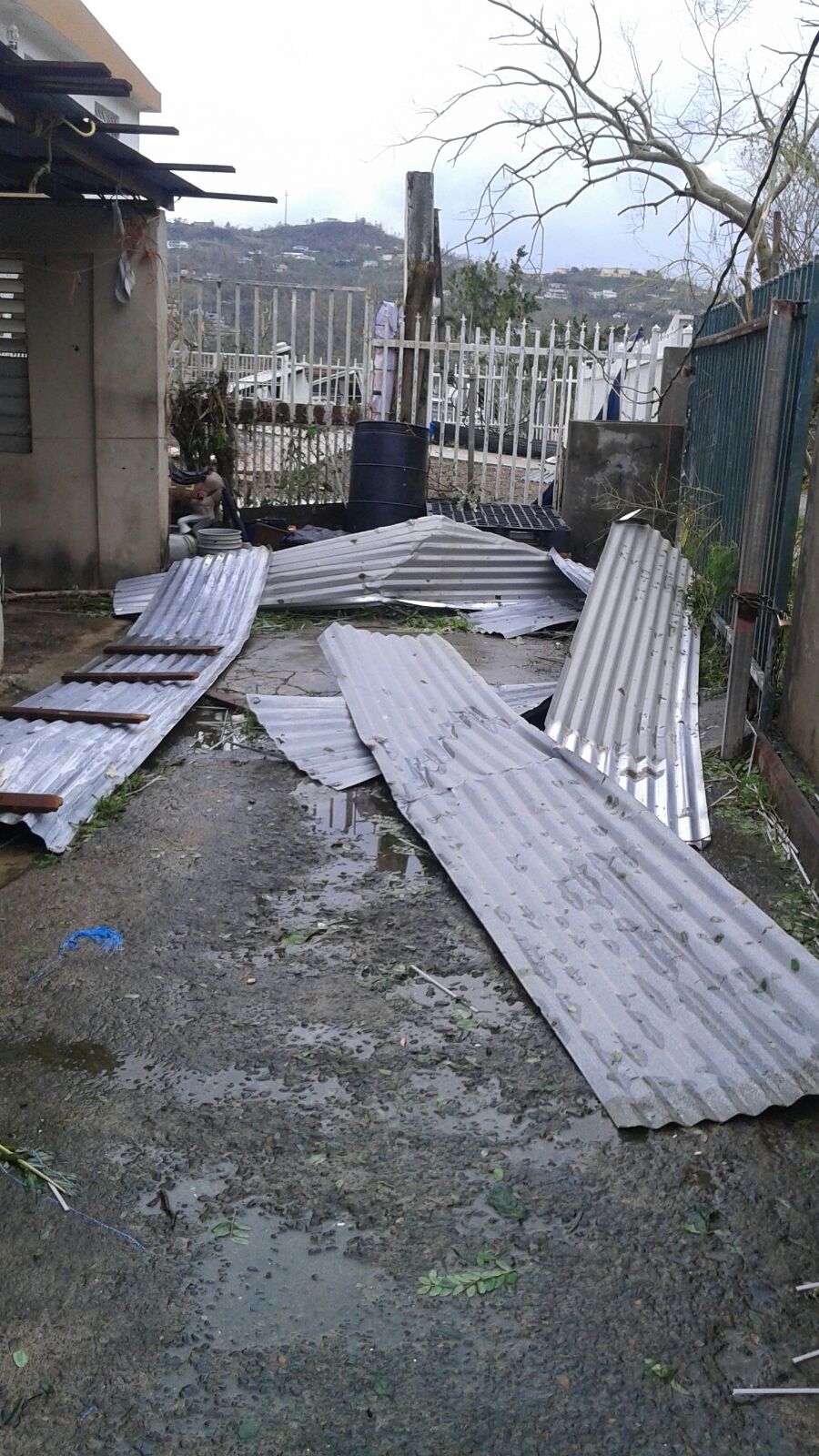
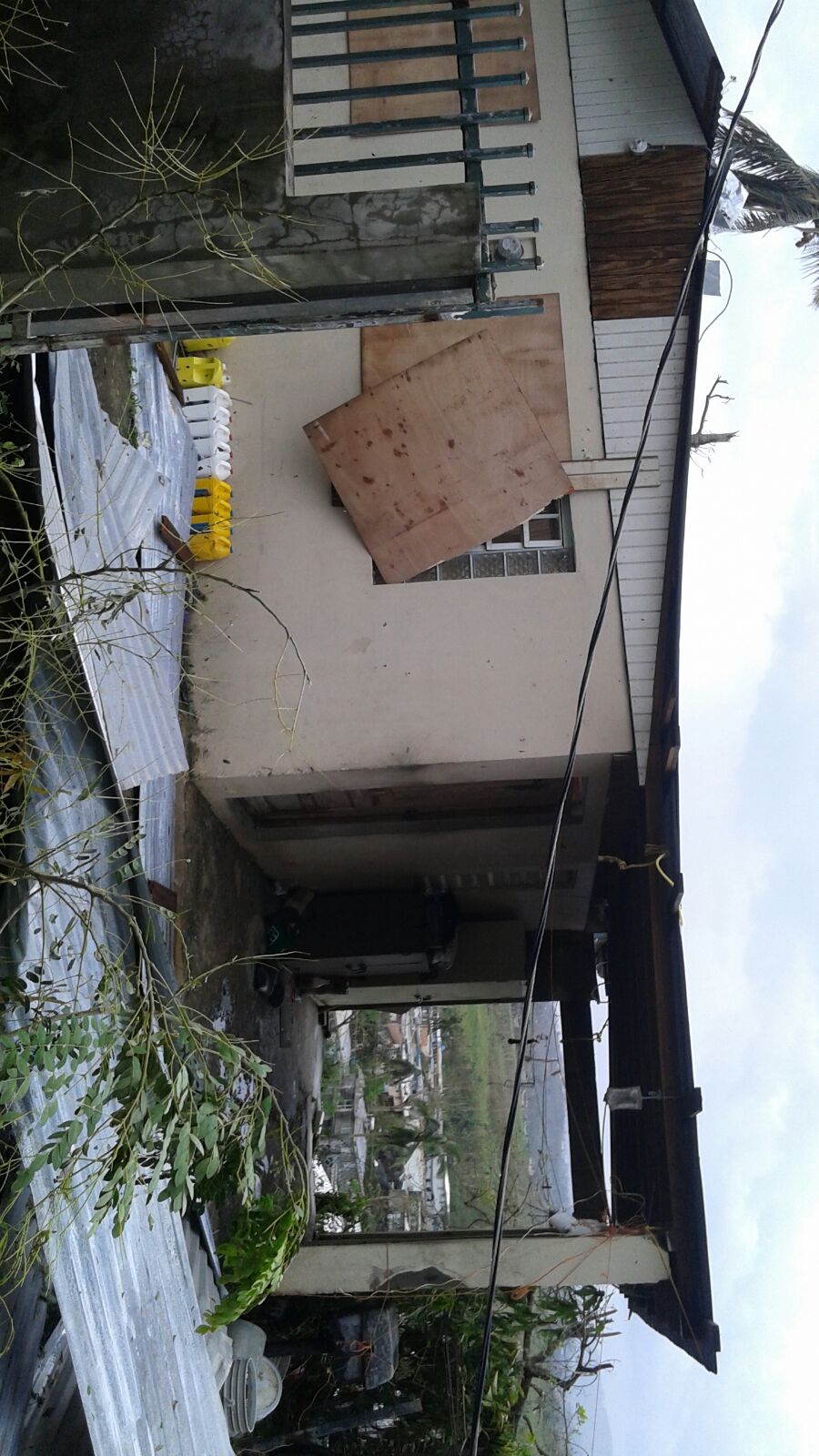
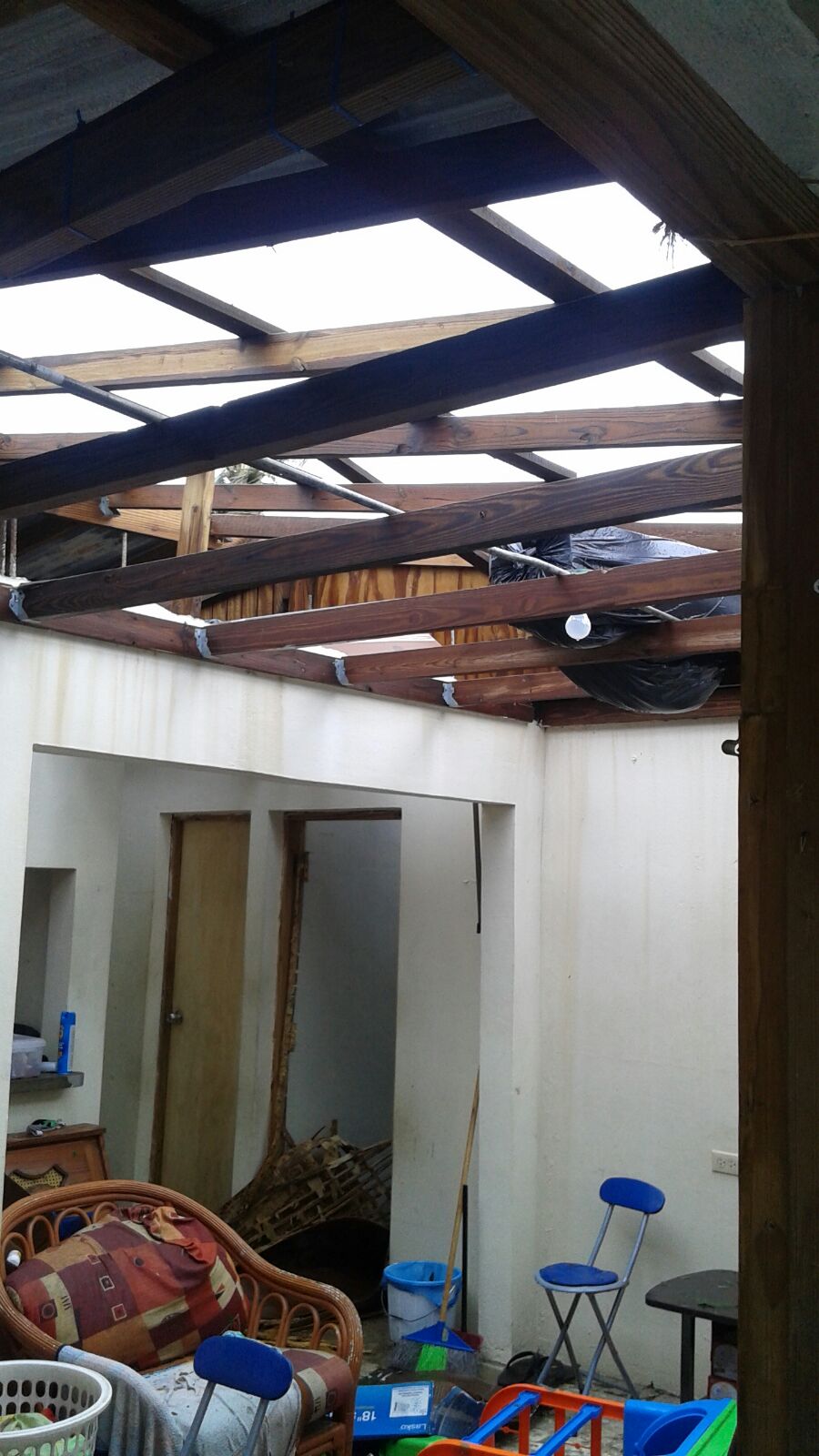
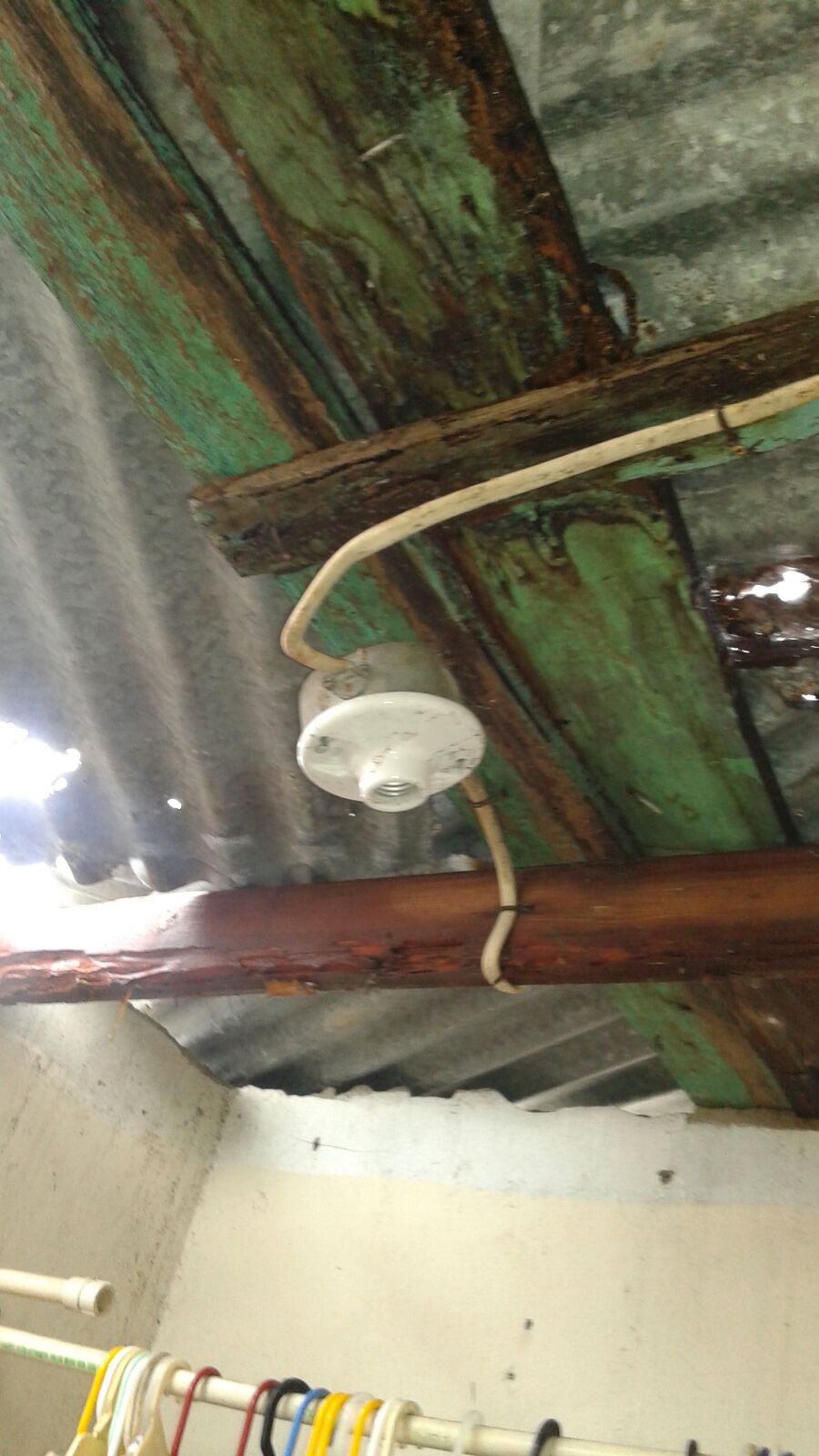
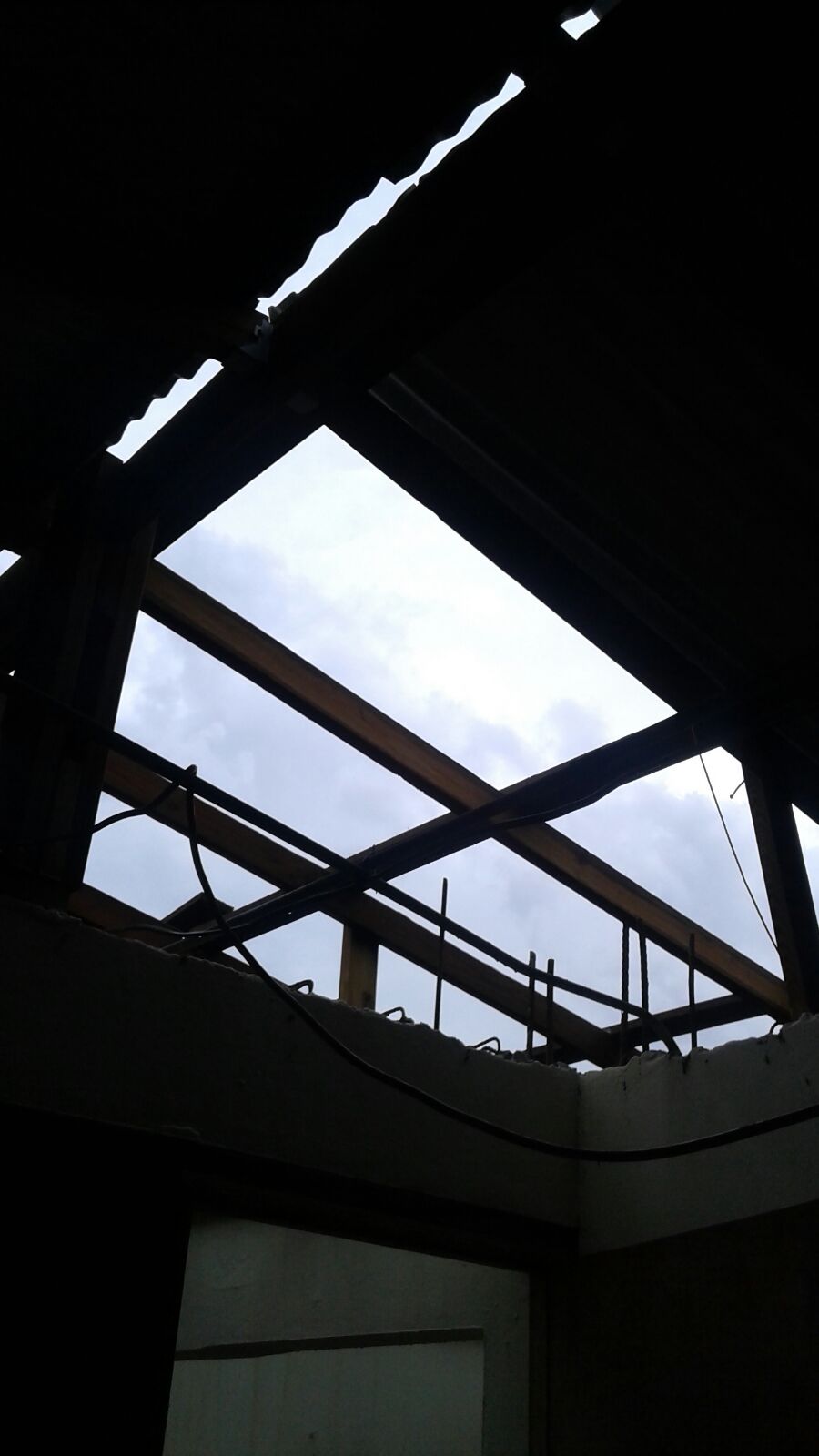
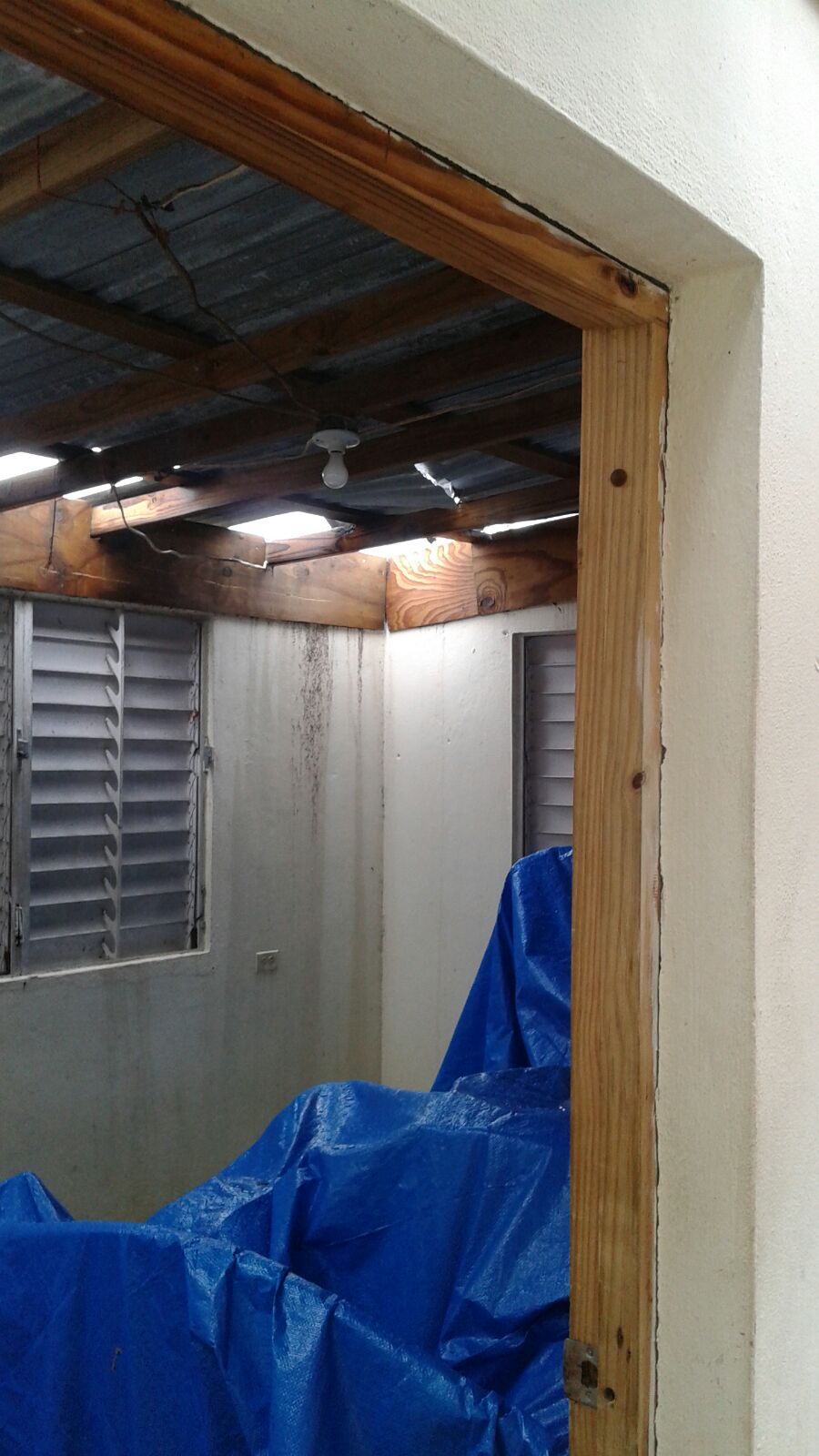
The father, Francisco, indicated that the family lost everything when part of the roof flew away, because everything got wet and the walls cracked. They had to evacuate and go to his mother-in law’s home and try to wait for FEMA there. In the aftermath, Francisco tried to cover the roof but the panels and the tarp he got are not enough.
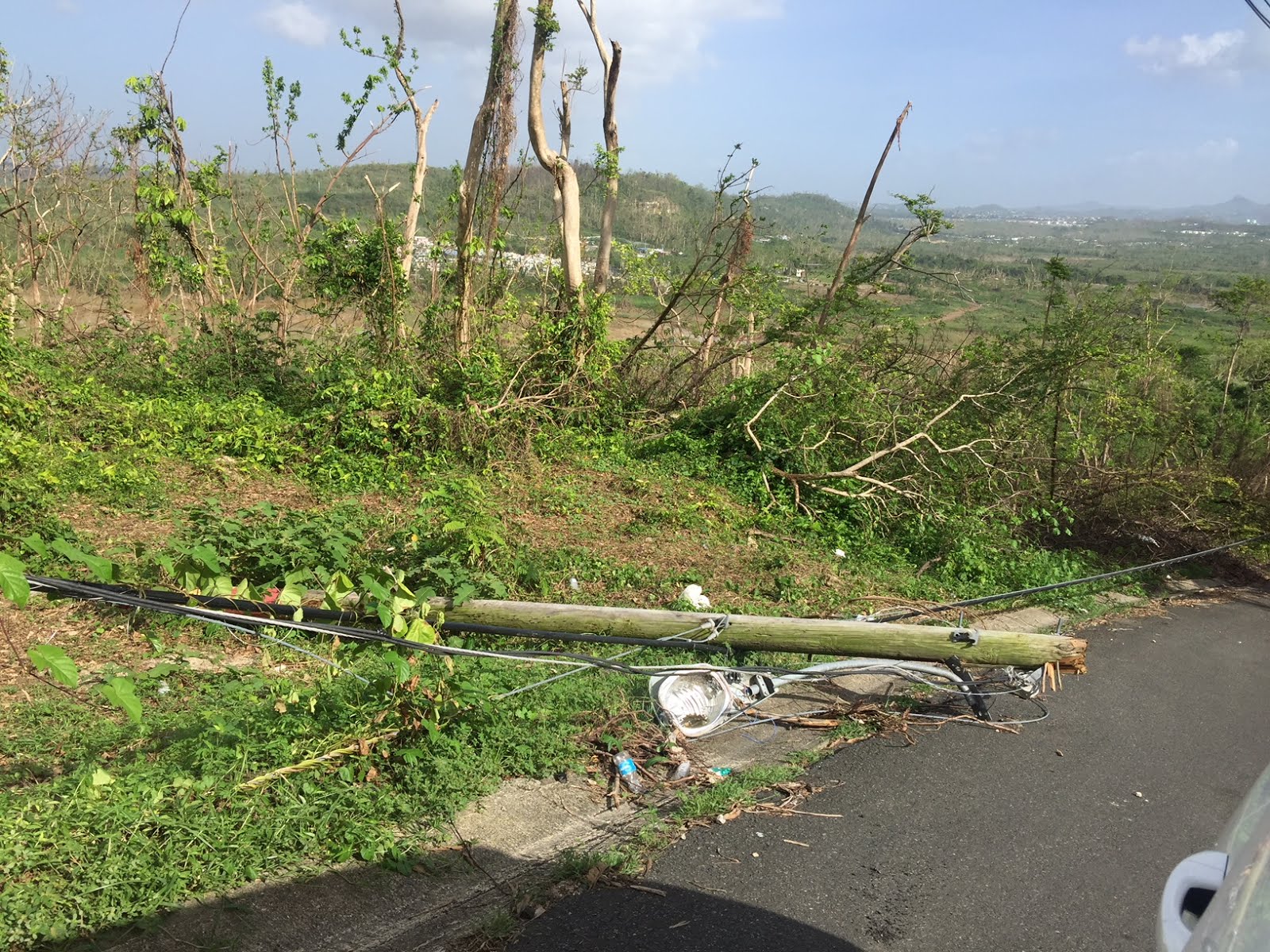
“When it rains outside, it rains inside,” he commented. He added that an electrical pole flew away with the wind, leaving the family in the dark. Fortunately, he was able to borrow a
generator to keep the factor refrigerated. They are back at the house now, but are in desperate need of a new roof. Each time it rains, everything gets wet again.
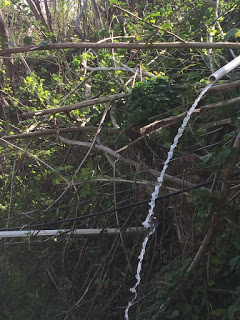
Lily said, “We found them retrieving water from a spring coming out through a PVC pipe on the side of the mountain. He said he doesn’t know where the water is coming from but that’s the only water they have available for bathing, washing and toilets. They boil the water when they need drinking water. He said he knows about the problems with contaminated water. He said his wife leaves early in the morning to find drinking water.”
Communication is almost impossible, as there is barely any signal. The family submitted a request to FEMA for a roof, but FEMA is overwhelmed too. The family is still waiting. The father told Lily, “Thank God we are alive and working together to meet our needs.”
What to do? I am on the phone weekly with Kimberly Haugstad, executive director of HFA, wonder woman and also mother of a child with hemophilia. Hemophilia Federation of America has a disaster relief program, the only one of its kind for Americans with hemophilia, and probably this week we will confirm a plan to get funds to Radames and his family for a new roof. Imagine if your home looked like the photos below. Americans need to help Americans now, and our hemophilia community needs to start giving. During this month of Thanksgiving, it’s the right thing to do. www.hemophiliafed.org