Laurie Kelley

America’s First Family with Hemophilia

Each Thanksgiving season, I think about the first settlers of Massachusetts, about the rich pioneering history of this state. It was even richer than I thought when I learned that the first Americans with hemophilia lived about 15 minutes from my home! America’s first family with hemophilia, the Appletons, lived in harsh conditions in the 1600s. It’s well worth knowing who they were and what legacy they left. This article is from a 2002 issue of PEN; read it and give Thanks! 

New England, 1639. Imagine that you are standing on the deck of the sailing ship Jonathan. You have just glimpsed the shore of your new home, the Massachusetts Bay Colony. Imagine the brilliant New England foliage, the bright chilly wind. Imagine your dream of farming your newly acquired land. Imagine the adventure. Now, imagine that you are the first European with hemophilia to step on the North American shore.

John Oliver (1613–1642) traveled from Bristol, England with his family to settle under the leadership of the Massachusetts Bay Colony. He lived for only three years after he reached North America, fathering one child, Mary, and dying young as a consequence of his hemophilia. Not until after 1800 did the medical community begin using the term hemophilia to describe his disorder. John’s daughter, Mary Oliver (1640–1698), was likely the first hemophilia carrier of European descent born in the colonies. With her husband, Major Samuel Appleton, Jr. (1625–1696), Mary had three daughters and five sons. One of these sons, Oliver Appleton (1677–1759), was the first American colonist born with hemophilia.

Early Ipswich Roots
Mary and Major Appleton lived in a settlement known to native Americans as Agawam, but re-christened by the English
in 1633 as the town of Ipswich. What would life in Ipswich have offered their son, Oliver Appleton? Thirty miles north of Boston on the Atlantic shore, Ipswich was owned by the Massachusetts Bay Colony; it was purchased earlier in the century from Native Americans for 20 British pounds. By the mid-1600s, Ipswich ranked second only to Boston in population and wealth. The Appletons were a wealthy colonial family. Major Samuel Appleton, Jr., Oliver’s father, was the son of Samuel Appleton Sr., one of the “landed gentry,” and a good friend of John Winthrop, the first governor of the Massachusetts Bay Colony. Appleton’s fertile 460 acres of farmland had been granted to him by the Colony in 1638, and left to his son, Major Appleton, around 1670.

Major Appleton, who served as a judge at the infamous Salem Witch Trials in 1692, died in 1696. He left his now nearly 600 acres, split into four parcels, to his four sons: Oliver, Isaac, Samuel and John. Oliver’s 100-plus acre inheritance included his father’s sawmill, ox pasture, and farmland bordering his brothers’ parcels.

In 1701, Oliver married Sarah Perkins. Well-to-do millers, farmers and traders, Oliver and Sarah possessed numerous household and farm goods. They were involved in local politics, church affairs and business. Together they raised fourteen children; several sons and their descendants would become fine cabinetmakers. At the turn of the eighteenth century, Oliver and his three brothers were working their adjoining farms in a loosely communal style. Each brother might grow a crop that the other brothers could use. Yet each brother farmed separately, produced his own goods for trade (like basket hoops), and kept his own business ledger. The brothers owned cattle, sheep, turkeys and hogs, and traded goods with family and friends in Ipswich.

A Dangerous Occupation?
On their “new” land (already cleared and cultivated by Native Americans), the Appletons cut and milled timber, raised livestock and worked the farm. Today, farming is still one of the most dangerous occupations. In the seventeenth and eighteenth centuries, its hazards were surely compounded by Oliver’s hemophilia, and the harsh New England winters. Yet Oliver lived to be 82—a considerable age in any century.

Late in life, Oliver was confined to his bed and developed bedsores on his hips. At age 82, his cause of death is recorded as bleeding from his bedsores and his urethra. Oliver appears to have been a generous and fair man, dividing his estate equitably among his children and his wife Sarah.

Making Medical History
Oliver and Sarah had six daughters and eight sons. Two of the daughters, Sarah and Hannah, had sons with hemophilia.
Interestingly, Hannah’s sons, Oliver and Thomas Swaim, were doctors. What would they have thought of their family’s disorder?

Without letters or other documents, we can only guess. Yet it was the Swaim branch of the Appleton family that attracted the attention of the medical community. Based on his personal connection with the Swaim family, Dr. John Hay, a Massachusetts physician, published an article on the Appletons in a New England medical journal in 1813. Following this publication, the Appleton family history appeared in numerous medical journals, at least as late as 1962. By then, the family had been traced through 350 years and 11 generations: 25 males with hemophilia, and 27 carrier females. In 1961 a blood sample, drawn from the last known living carrier in the family tree, revealed factor VIII deficiency, or hemophilia A.
Are the Appletons America’s “First Family” with hemophilia? Perhaps, in the sense that our knowledge of hemophilia has been enriched by the study of this large and long-lived colonial family. Thanks to our American Revolution, we have no “royal family” with hemophilia. Yet we can still honor and remember the Appleton family. This Thanksgiving, we can recall the challenges faced by earlier generations with hemophilia—people who contributed to our heritage as Americans, and as a hemophilia community. To understand ourselves, and create our vision for the future, we must always remember the past.

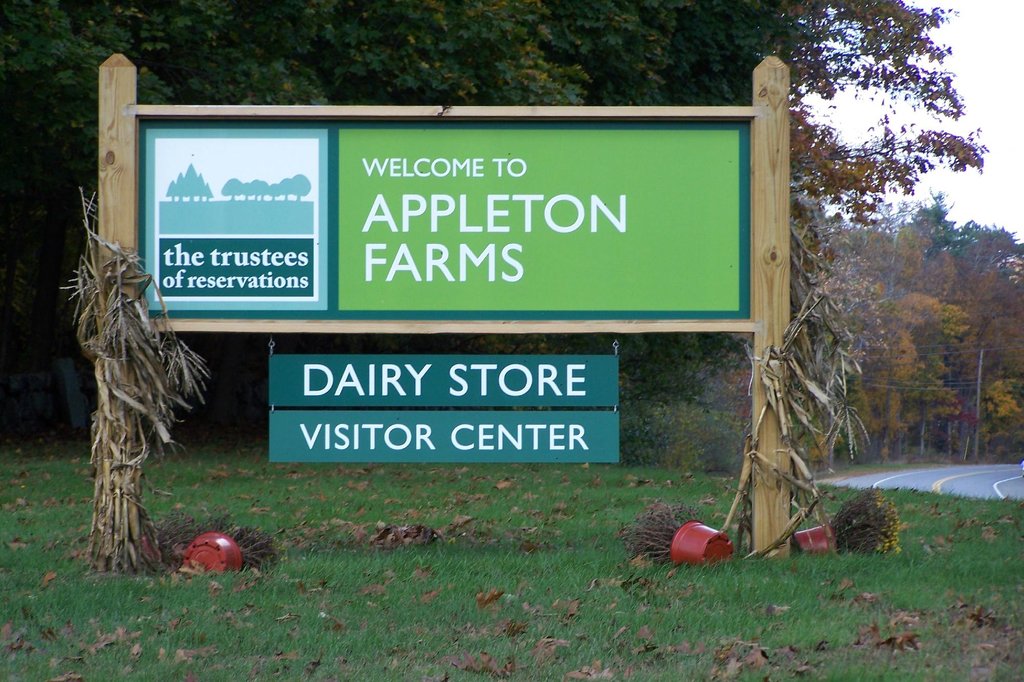
You can visit Appleton Farms in Ipswich, Massachusetts. 

From the November 2002 Issue Parent Empowerment Newsletter
“THE APPLETONS: America’s ‘First Family’ With Hemophilia”
by Richard J. Atwood and Sara P. Evangelos
© 2002 LA Kelley Communications, Inc.

Ice Ice Baby: Hockey and Hemophilia

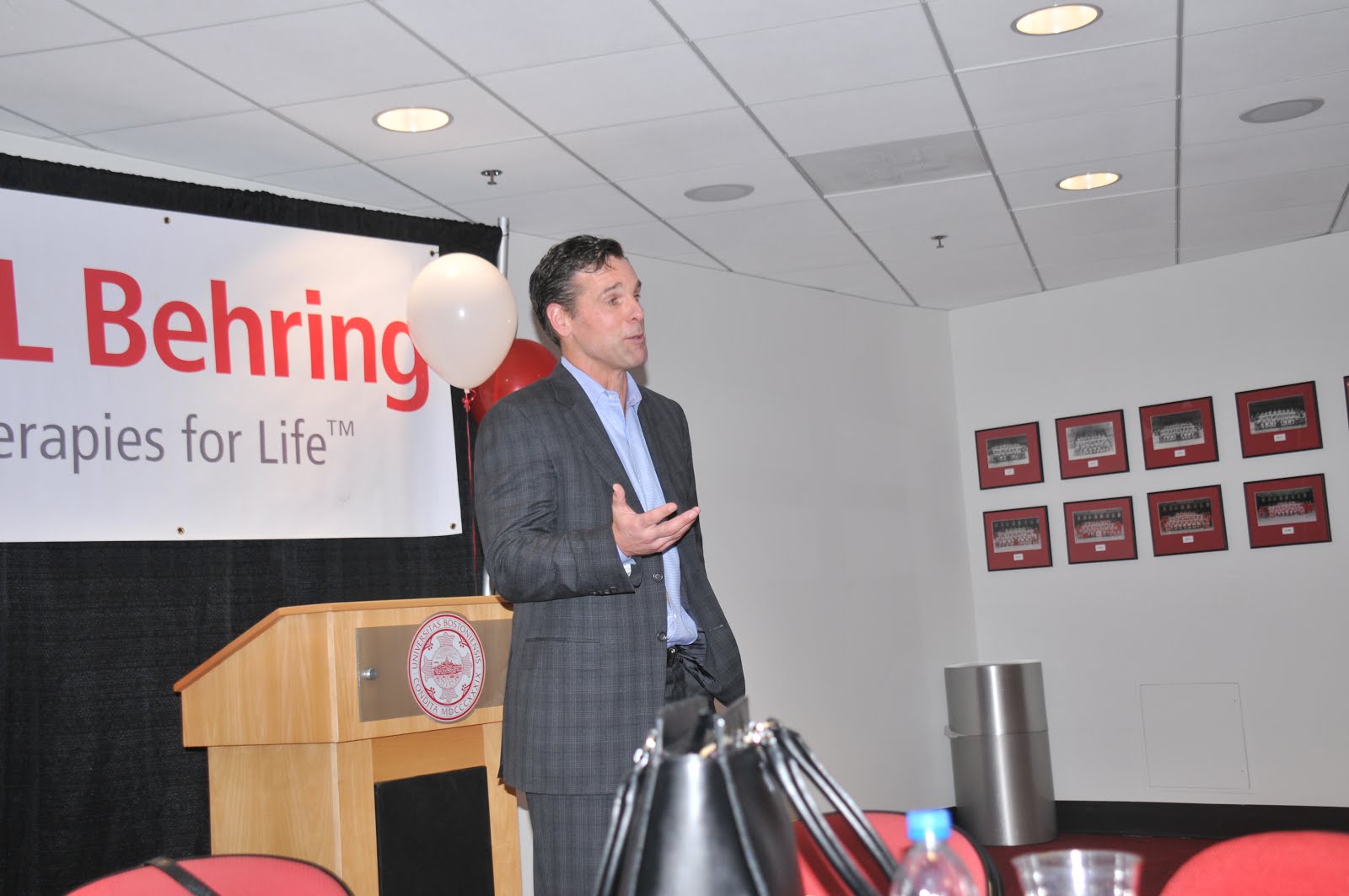
Janet Reimund (CSL), David Quinn, Laurie Kelley

We’ve all been told not to let our kids with hemophilia play hockey. One kid had no choice—he grew up in Rhode Island surrounded by sports lovers, and gravitated toward hockey. He excelled at it. So much so that he tried out for the US Olympics team in 1988.

Meet David Quinn, now head coach of one of the country’s best college hockey teams, the Boston University Terriers.
How can all this be? A guy with hemophilia, playing hockey?
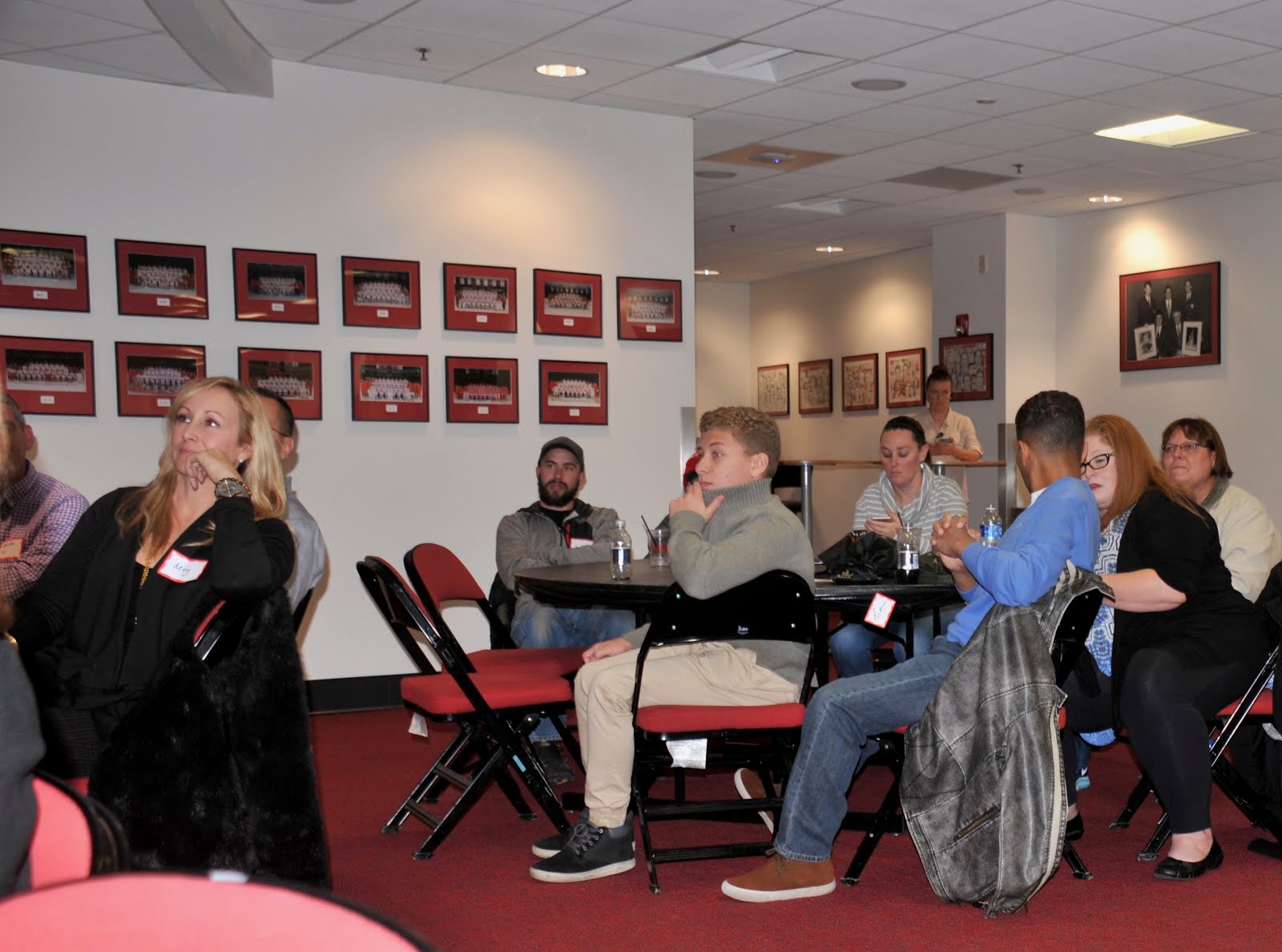
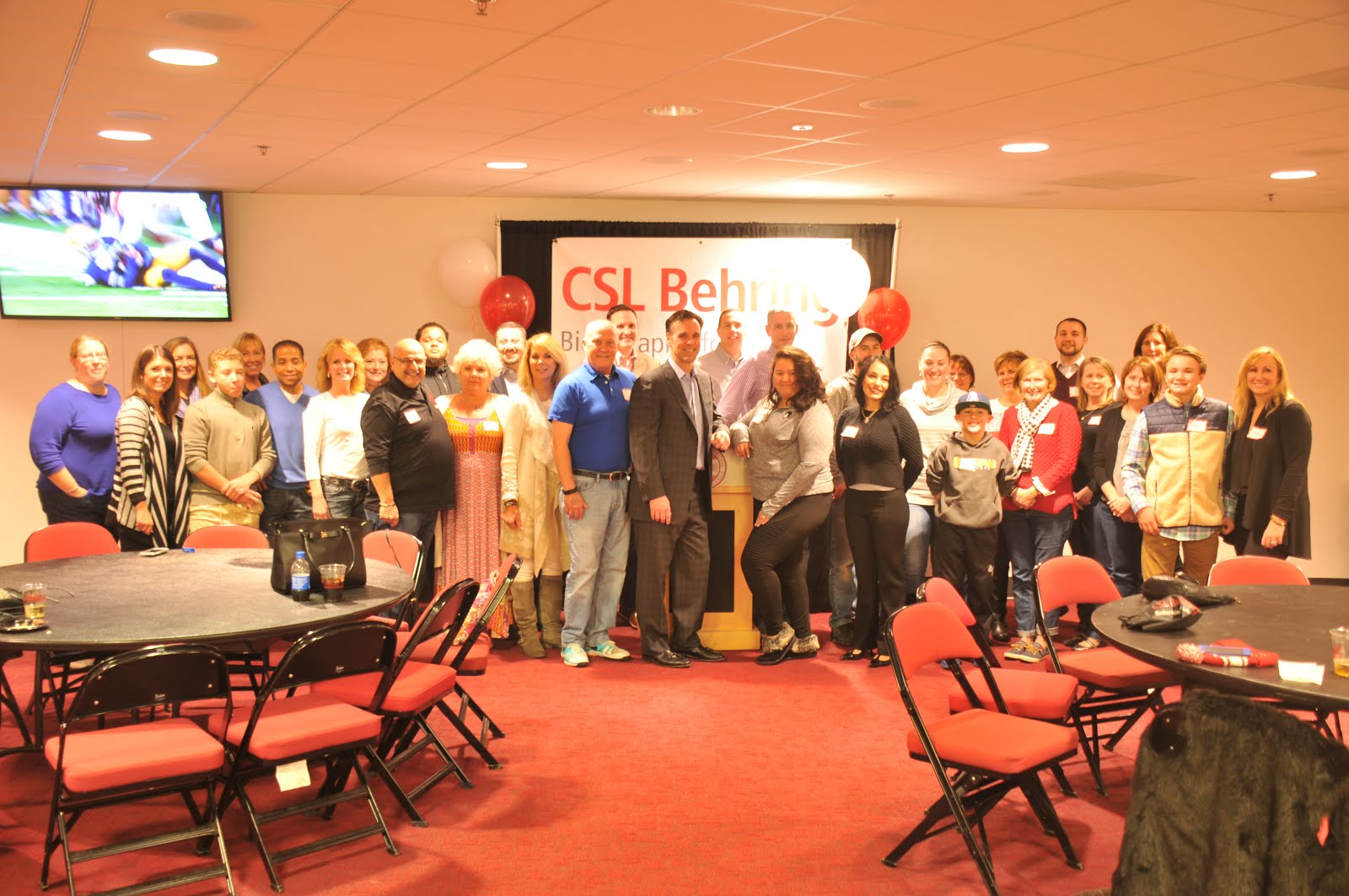
David shared his remarkable story Saturday evening at Boston University, at a “Common Factors” event hosted by CSL Behring. In the audience were families with hemophilia B, some of whom came from as far away as New York to see David, and to attend a hockey match after the presentation.
Key to note is that David went undiagnosed most of his life, until he tried out for the Olympics. He knew he got bruised bigger and harder than his teammates; his ankles and elbows would ache. But he somehow avoided any broken bones and major contusions. That in itself is miraculous, given the brutal nature of the sport.
During the tryouts for the 1988 Olympics, he developed compartment syndrome, which happens when blood seeps into the fascia surrounding muscle tissue and is essentially trapped. This can result in nerve damage and even amputation. But David had excellent care, and had to wait six weeks to recover from surgery. When he healed, he was back on the ice. His doctor made him get a blood test, where they discovered he had mild hemophilia B.
Even knowing all this, he eventually was drafted professionally, in 1992 by the New York Rangers, and in 1992-3 with the Cleveland Lumberjacks. He never made it to the nationals, as he admits he had missed too much practice and training. Instead, he turned to coaching and never looked back.
David easily engaged with the audience, was witty and warm, and his message was: find your passion, take your factor, live your life.
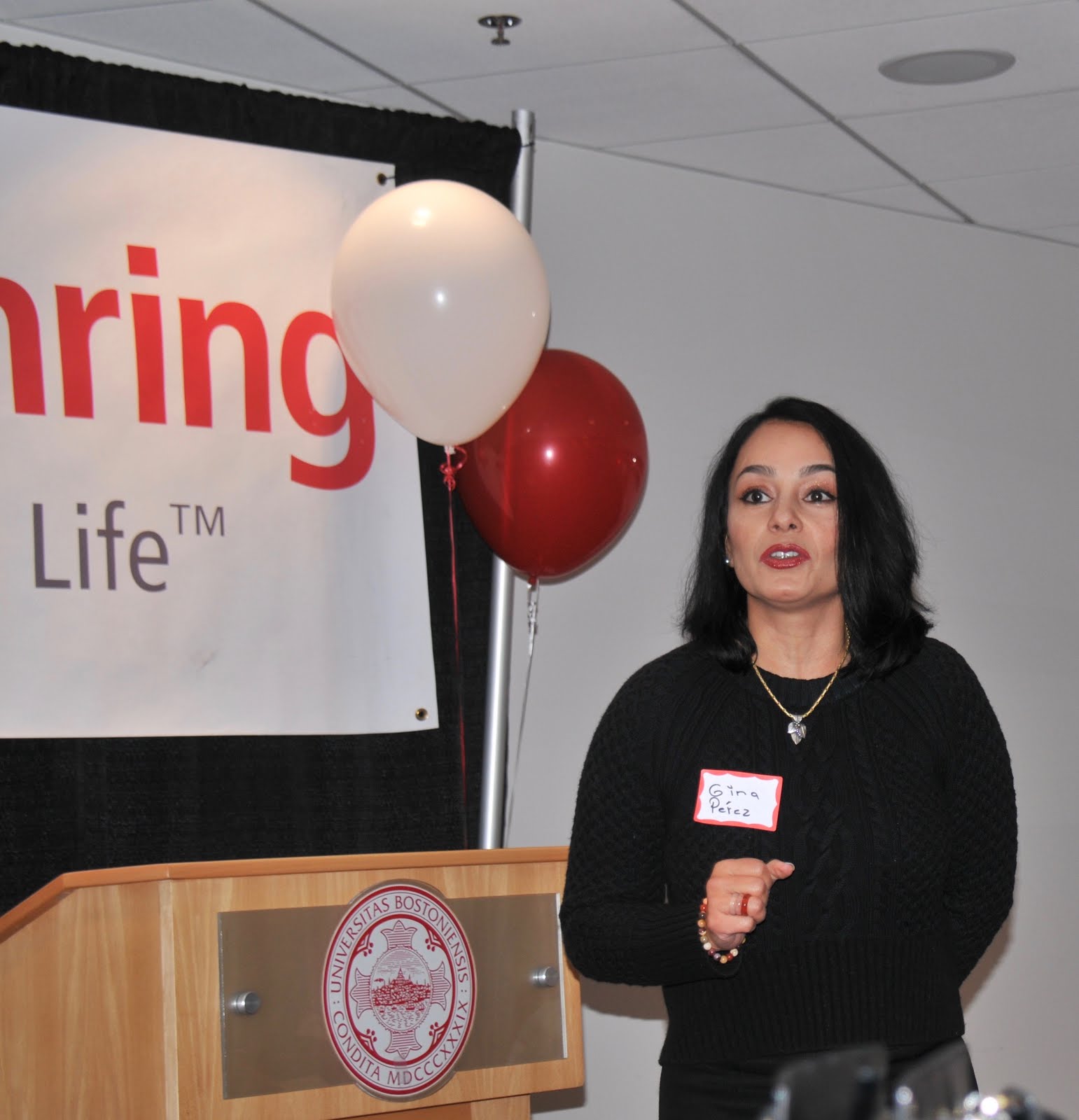
He has a major position now as head coach, and so with a smile and wave, he had to dash out to coach that night’s game. The families stayed a bit longer to hear Gina Perez, mother of two boys with hemophilia B, and final words from Janet Reimund of CSL Behring.
Gina Perez

It  was a great evening of learning and motivation, and socialization. I  got to see so many friends that I rarely get to see anymore as our hemophilia meetings become more numerous and frequent. In particular Jessica Graham and Wayne Cook—hey guys! And I had actually met David 20 years ago, when I wrote an article about him for one of my children’s magazines. I can actually say I knew him way back when.
Thanks to CSL Behring for hosting this, and having it in my backyard practically.  
My apologies to David but I’m not into hockey (I kind of like boxing, actually) so I skipped the game but kept the memories. Wonderful evening!

p.p1 {margin: 0.0px 0.0px 0.0px 0.0px; font: 14.0px Helvetica; color: #252525; -webkit-text-stroke: #252525; background-color: #ffffff}
span.s1 {font-kerning: none}
span.s2 {font-kerning: none; color: #0645ad; -webkit-text-stroke: 0px #0645ad}
span.s3 {font: 11.2px Helvetica; font-kerning: none; color: #0645ad; -webkit-text-stroke: 0px #0645ad}

Introducing Pfizer Hemophilia Patient Affairs Liaisons

I always like to highlight new tools and resources for our community. Sometimes it seems overwhelming when you consider all the programs available! In this week’s blog I share a way to take better advantage of resources, available from one group. Please read about the new Patient Affairs Liaison from Pfizer! 

Pfizer understands that living with hemophilia is a unique journey and a growing process. That’s why Pfizer has established a group dedicated to providing meaningful support to local community groups, patients, and caregivers. The Patient Affairs Liaison role was created to help connect you with helpful Pfizer tools and resources. 

What can a Patient Affairs Liaison do for you? 

  • Provide helpful information about Pfizer Hemophilia programs and services 
  • Serve as a resource to hemophilia treatment centers to help patients
    obtain access to Pfizer medicines 
  • Serve as a Pfizer hemophilia primary point-of-contact for local advocacy groups 
  • Participate in local and national events and programs 
  • Meet with you to answer questions related to Pfizer Hemophilia resources 

Contact your Patient Affairs Liaison today! A Pfizer Hemophilia Connect representative will be able to put you in touch with your local PAL. Call Pfizer Hemophilia Connect at 1.844.989.HEMO (4366) Monday through Friday from 8:00 AM to 8:00 PM ET.

The content of this post is provided and sponsored by Pfizer.                                                                                           PP-HEM-USA-0633-01

Putting the Fun in Insurance Education

Pulse on the Road Speakers

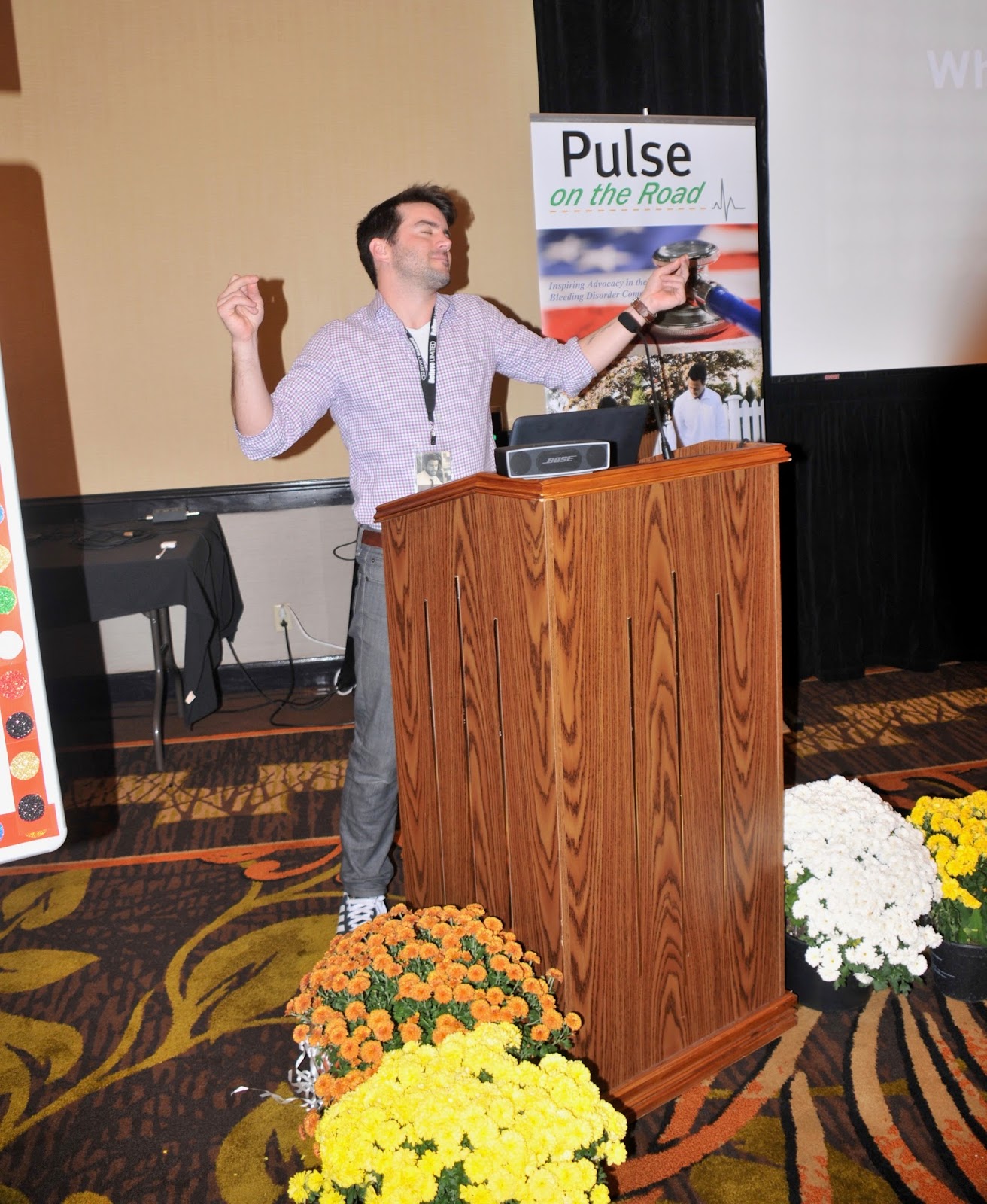
I enjoyed a lovely weekend in Cleveland, Ohio, a wonderful city that was enduring a collective sigh over the loss of the World Series. Still, with sunny skies we held another Pulse on the Road with the Northern Ohio Hemophilia Foundation. Program/Advocacy Manager Randi Clites invited us earlier this year and we were thrilled to finally make it.

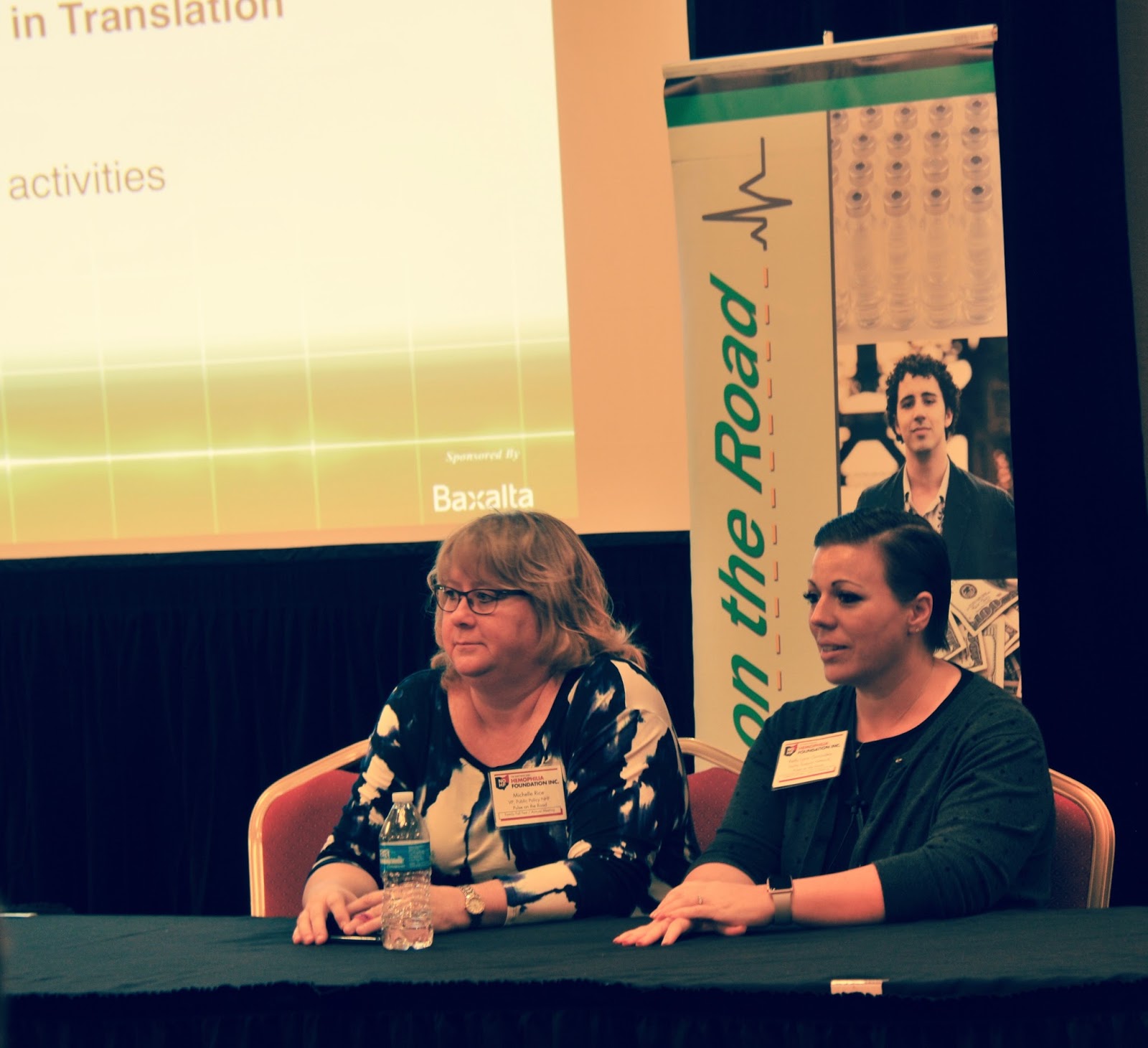
A solid turnout of families came to hear Kelly Lynn Gonzales share her riveting personal story of advocacy. You can read Kelly Lynn’s story in our latest edition of Pulse magazine, available on our website.

Michelle Rice and Kelly Lynn Gonzlaes

I followed next, with a presentation entitled “Sympathy for the Payer,” a play on the song “Sympathy for the Devil,” appropriate as Cleveland is home to the famous Rock and Roll Hall of Fame. I believe that if we can try to understand better how payers think, we can better advocate to them our need for access to product and providers for the best comprehensive care. I compared insurance to a chess game, and it’s our responsibility to know who the players are, what their moves might be and how to counter move.

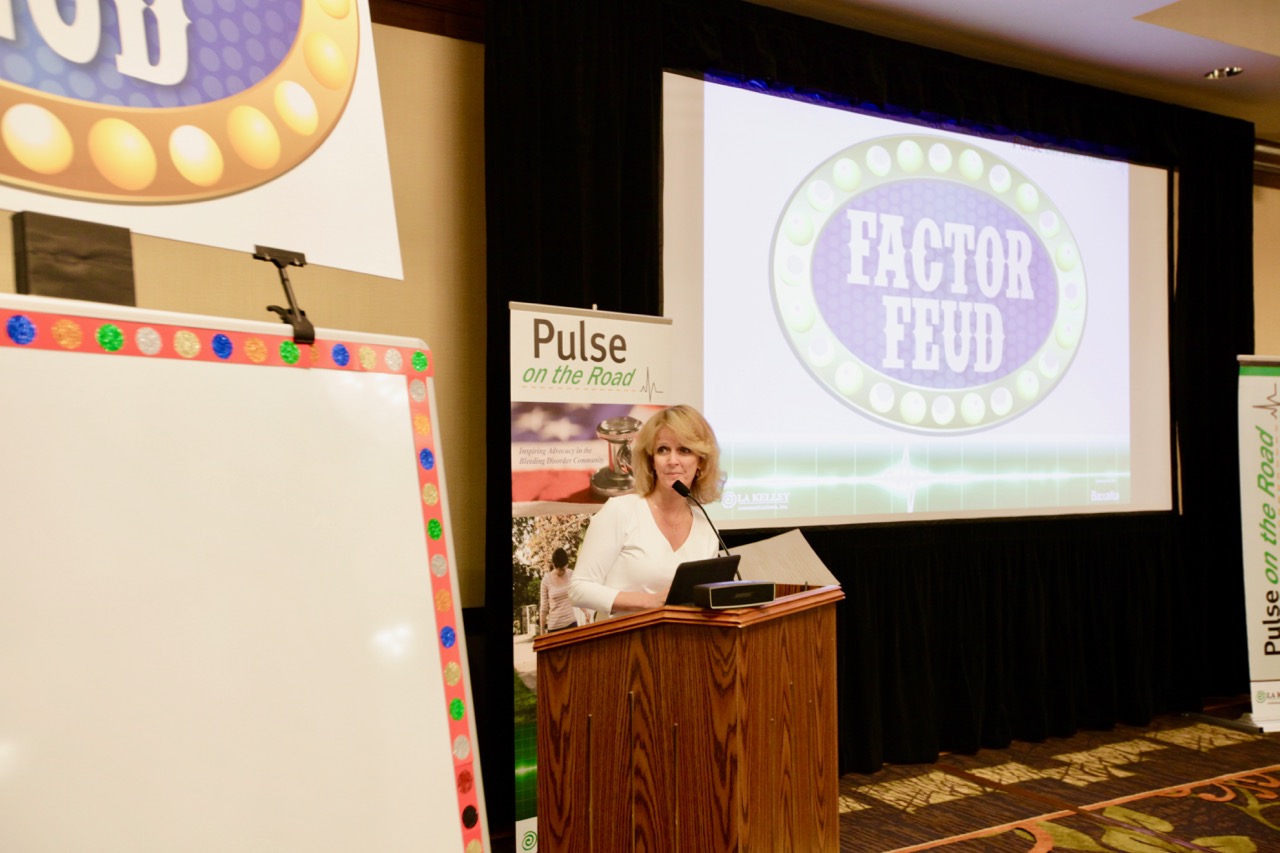
Laurie Kelley introducing Patrick James Lynch

Michelle Rice, senior vice president of public policy and stakeholder relationship, NHF, then gave a new presentation called “Don’t Get Lost in Translation,” and shared the various acronyms, definitions and concepts payers use. All this information would be useful for someone with a bleeding disorder to self-advocate to payers, as Kelly Lynn successfully did.

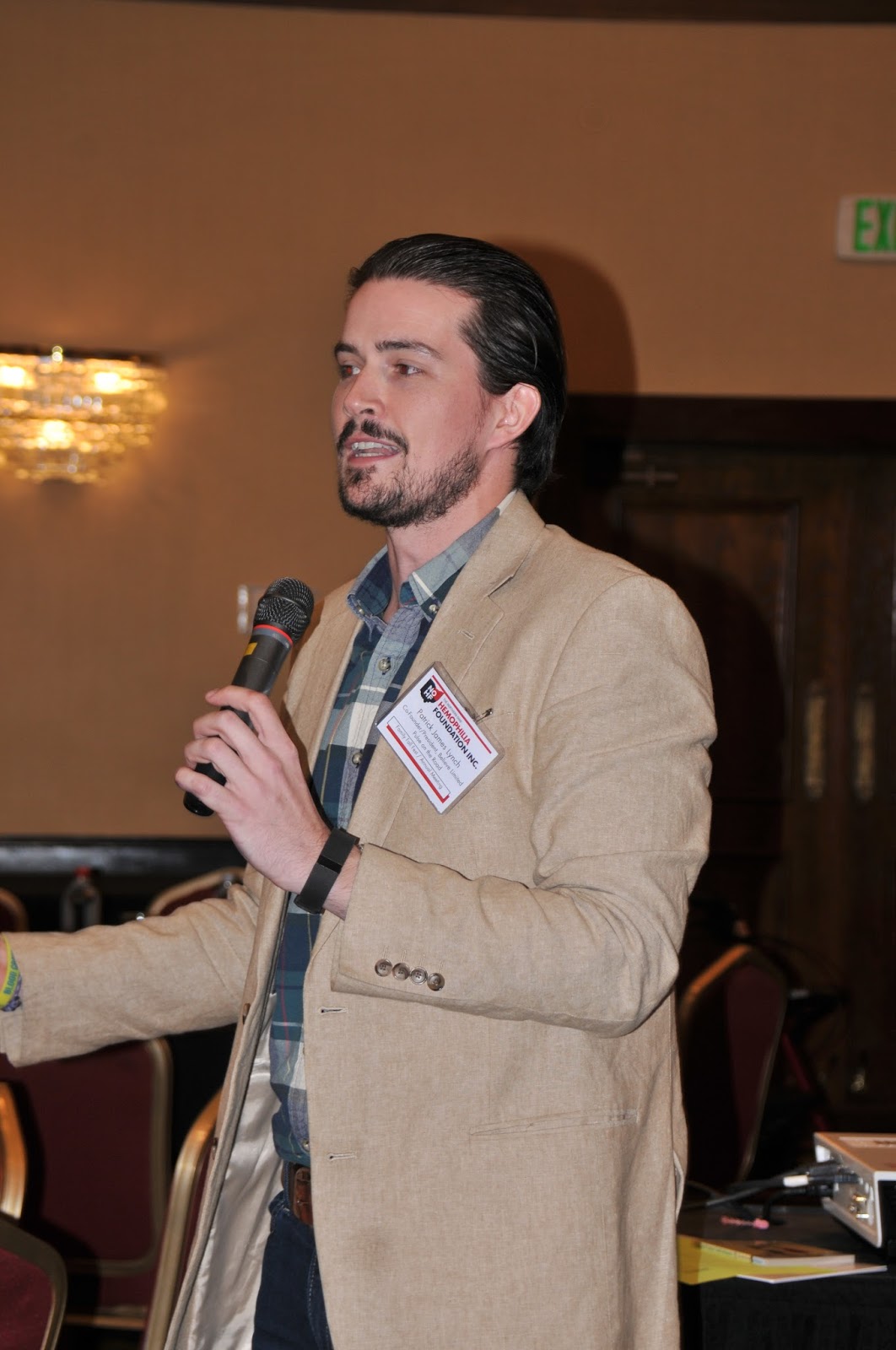
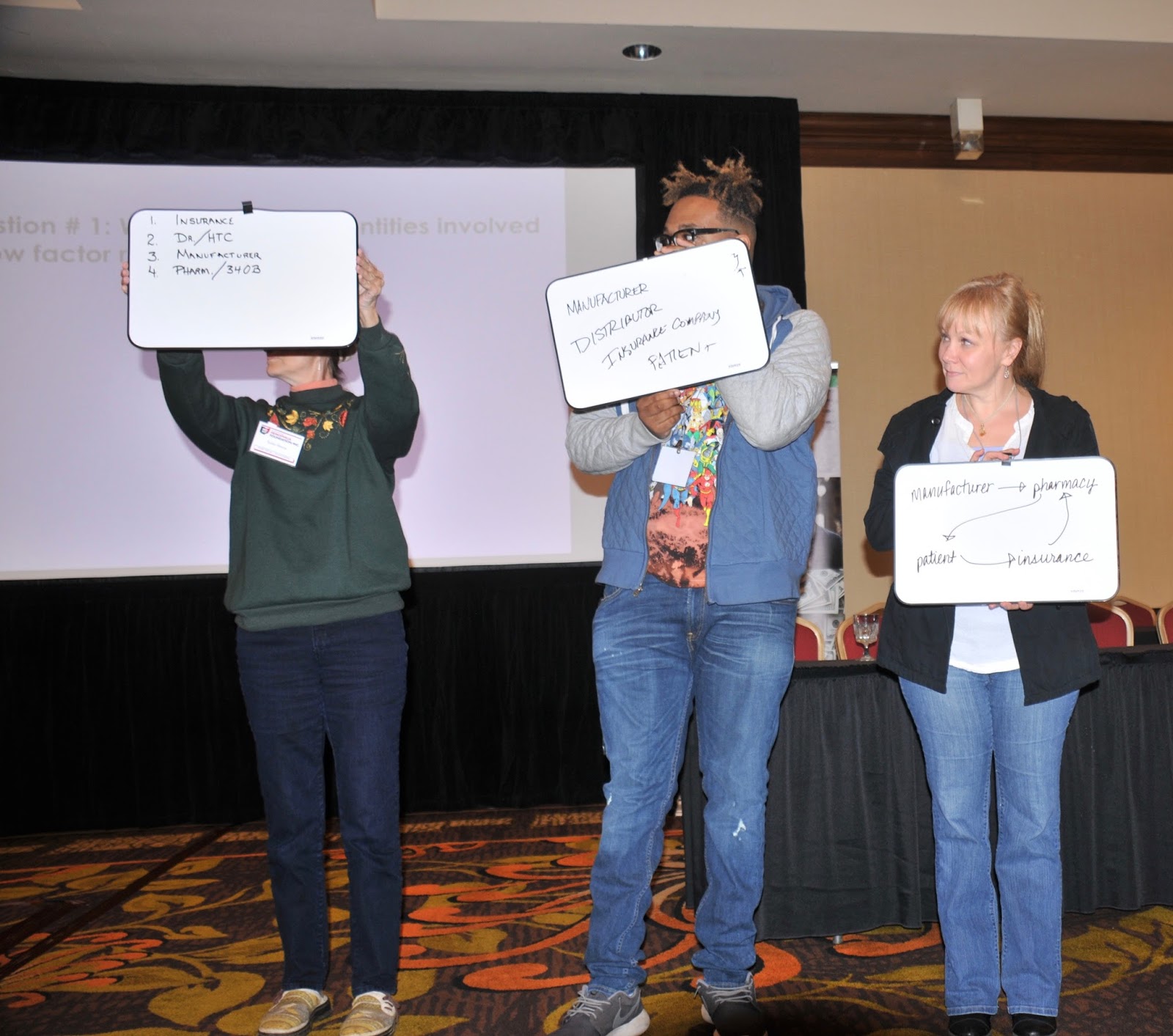
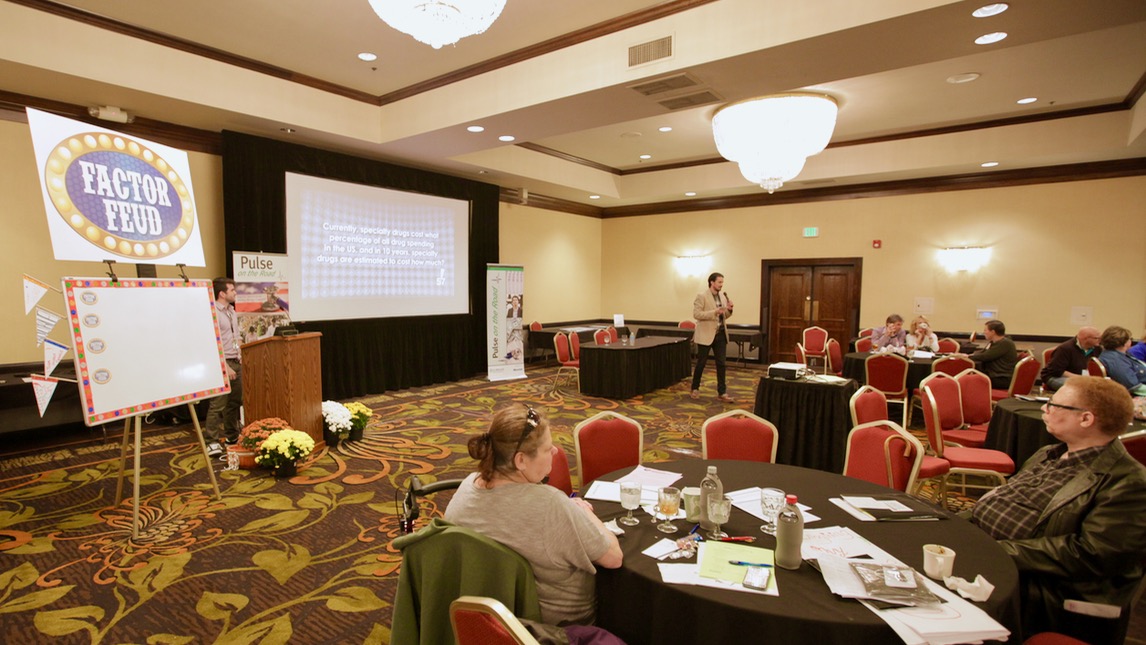
Finally, after lunch… who knew insurance could be fun? Patrick James Lynch, of Believe Limited, and his teammates Ryan Gielen and Rob Bradford, engaged the audience in “Factor Feud,” a new game that allowed teams to compete using the knowledge they just absorbed through our presentations. Modeled after the TV game show Family Feud, Patrick acted as game show host and asked the teams at their tables to recall answers to various questions gleaned from our presentations. We all had a laugh when he asked the toughest question: What were the nine counter moves Laurie listed that payers have made in the last few years? Even I had a hard time remembering what I had said!

Patrick James Lynch

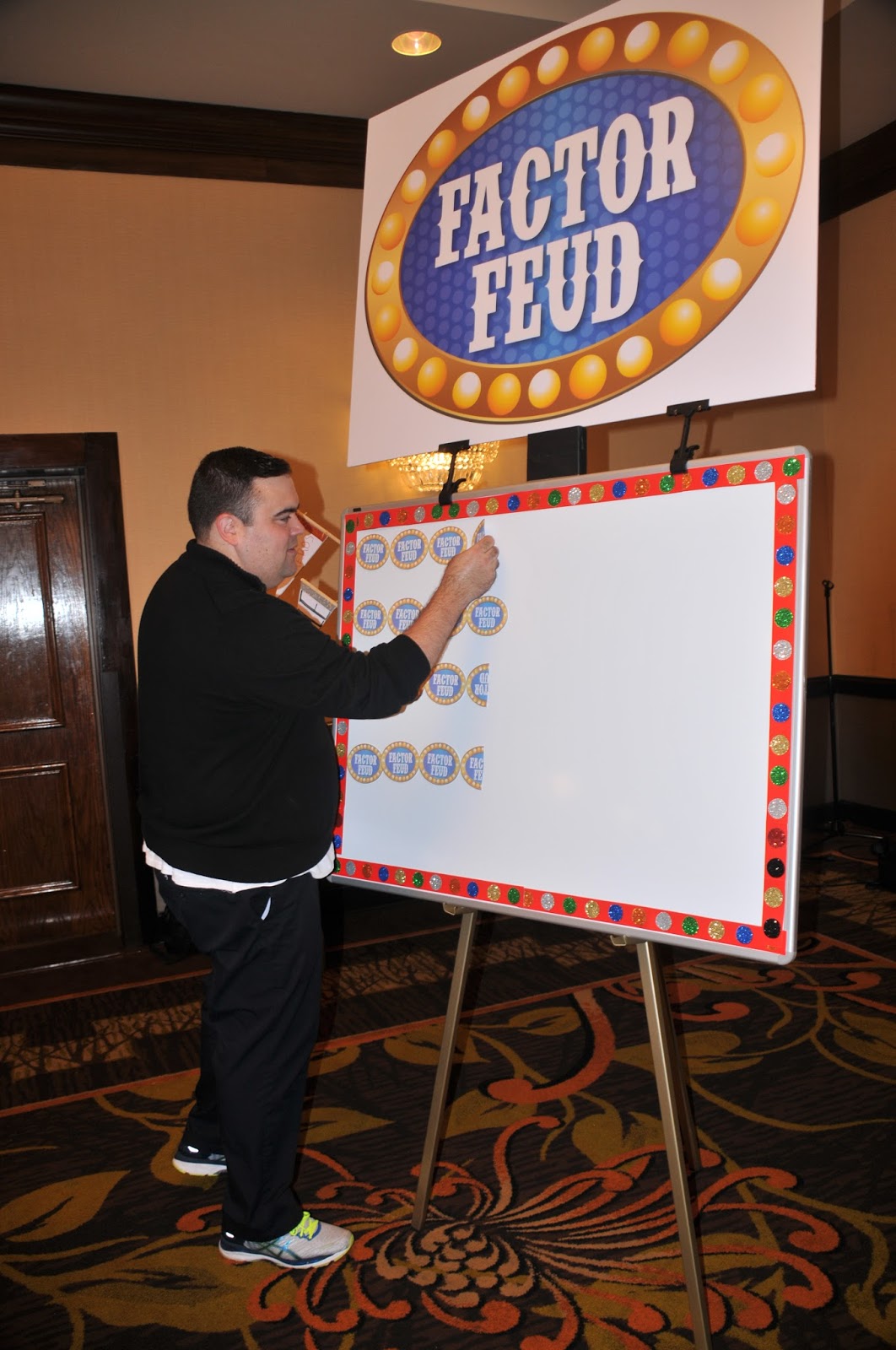
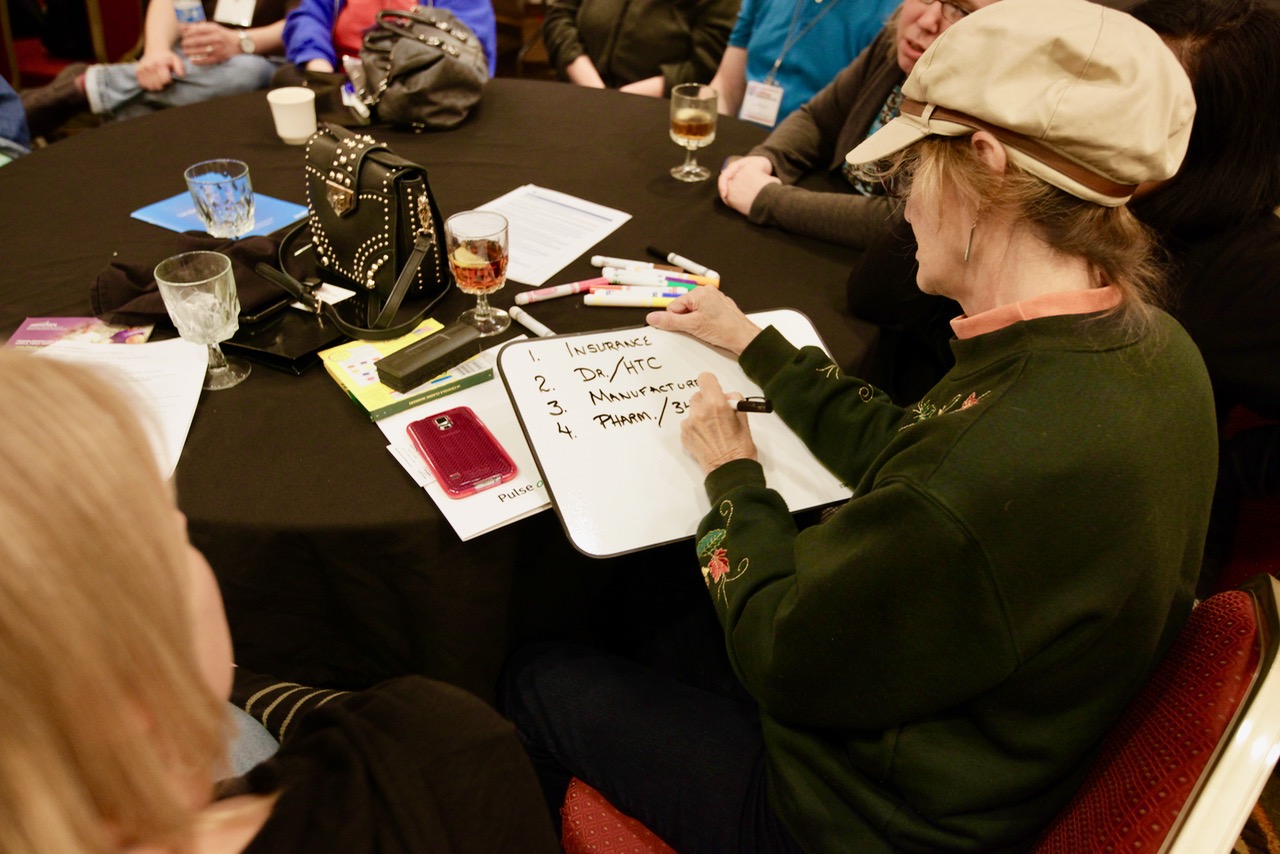
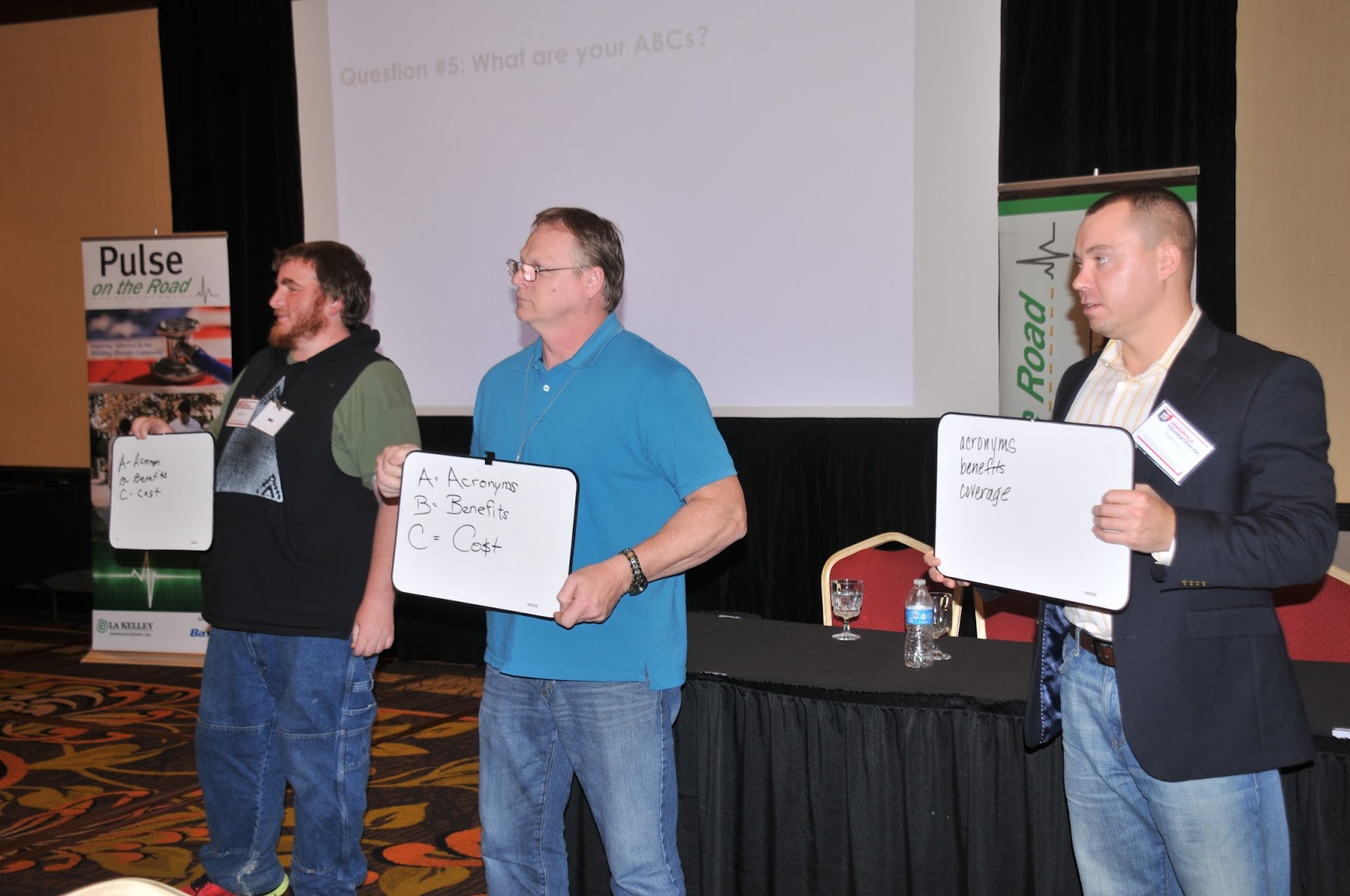
For each question Patrick charismatically posed, the teams consulted at their tables, racing against the clock. They wrote their answers on a white board, came to the front of the room—while game show music played and Rob swayed—and ta-da! Flipping their white boards over, Patrick read off the answers. The team with the right answers advanced an extra logo on the huge Factor Feud white board. Everyone got into the game immediately and loved it!

So not only did the audience of bleeding disorder families get tons of information about insurance, they got to revisit it, recall from memory, and compete to give correct answers. What an effective and fun way to learn!

Patrick is the perfect game show host, and the fact that he has hemophilia reminded me of how much talent and passion there is in our community. After the event, Sean, a father of a child with hemophilia, approached us and thanked us deeply for our efforts. He said this was one of the best information days he had been to.

Thanks to Sean for that, thanks to Randi Clites for hosting us, thanks to Shire for funding us, thanks to my fellow presenters—Kelly Lynn Gonzales and Michelle Rice—and thanks to Believe Limited for all the fun!

Answers please!

Patrick engages the audience

Ryan tracks the teams

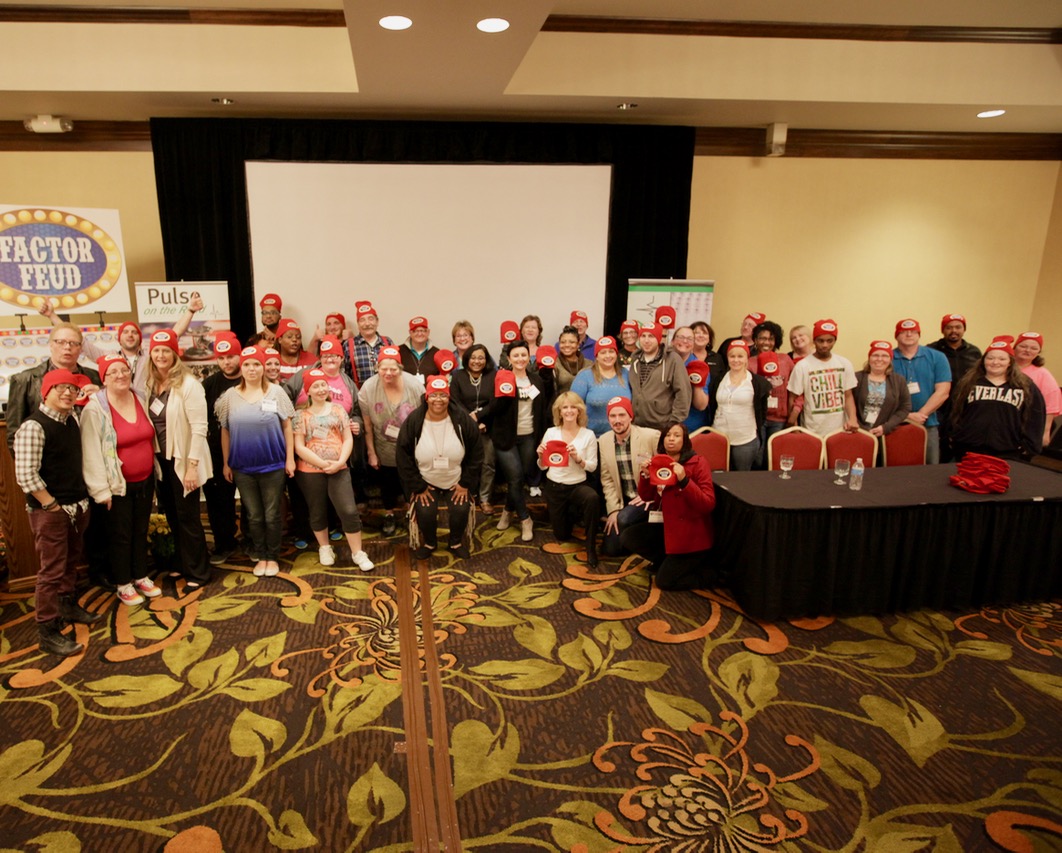
The Factor Feud participants
Rob loves the 70s style theme song!

Susan Moore jots her answers down

Who won?

Stick-To-It-iveness! Improving Hemophilia Care in the Caribbean

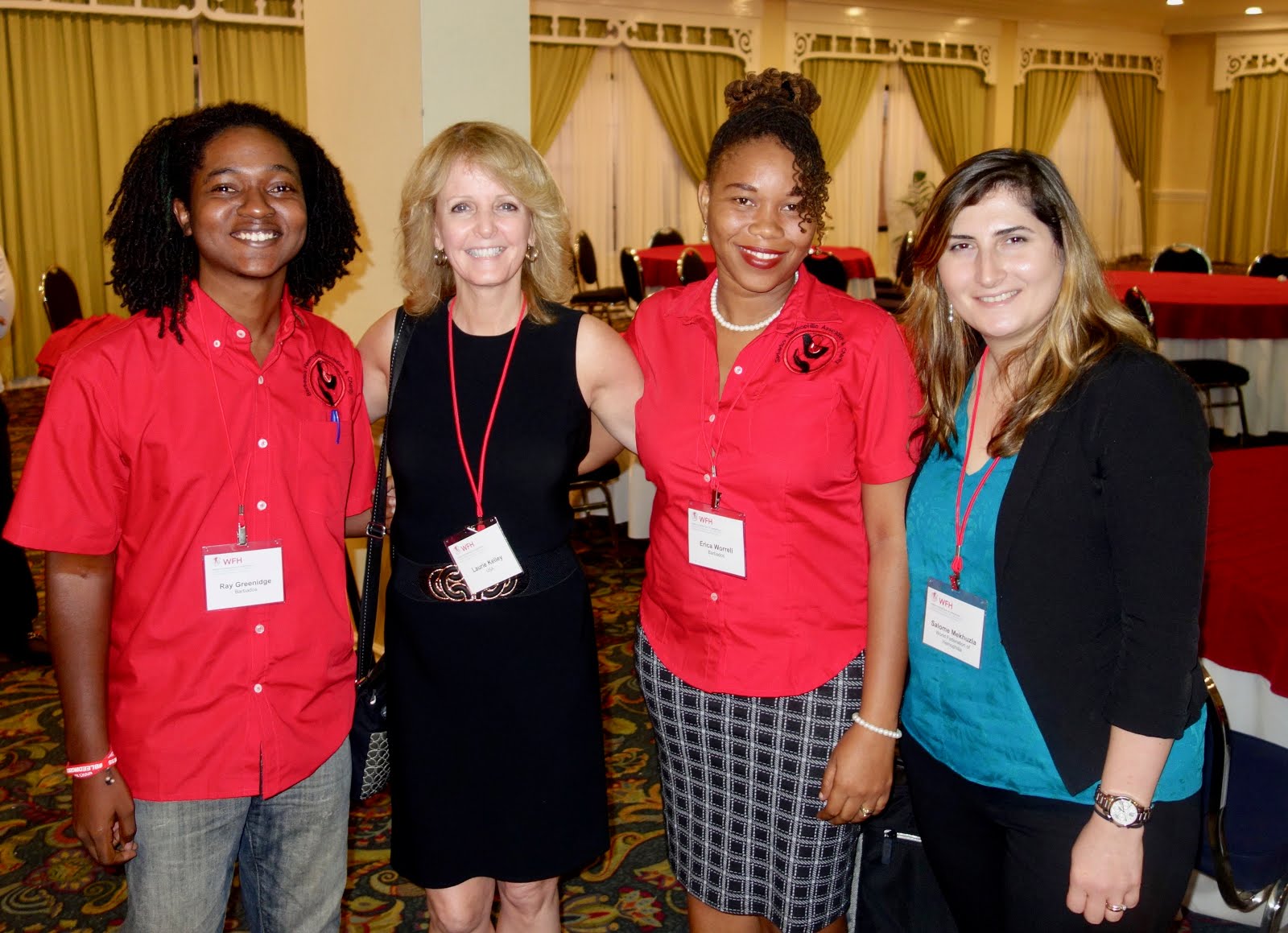
Ray Greenidge and Erica Worrell of the Barbados (in red) with Laurie Kelley and Salome Mekhuzla (WFH)
No man is an island,
Entire of itself,
Every man is a piece of the continent,
A part of the main.  —English poet John Donne
I stepped off the plane in Kingston, Jamaica on Thursday evening and the sultry, warm air enveloped me like a thick blanket. This tropical island has great music, savory food, friendly people, world-class resorts, a raging drug problem… and hemophilia. I was here this past weekend to speak at the first-ever conference for the English-speaking countries of the Caribbean. The Jamaica Haemophilia Committee hosted this landmark World Federation of Hemophilia conference.

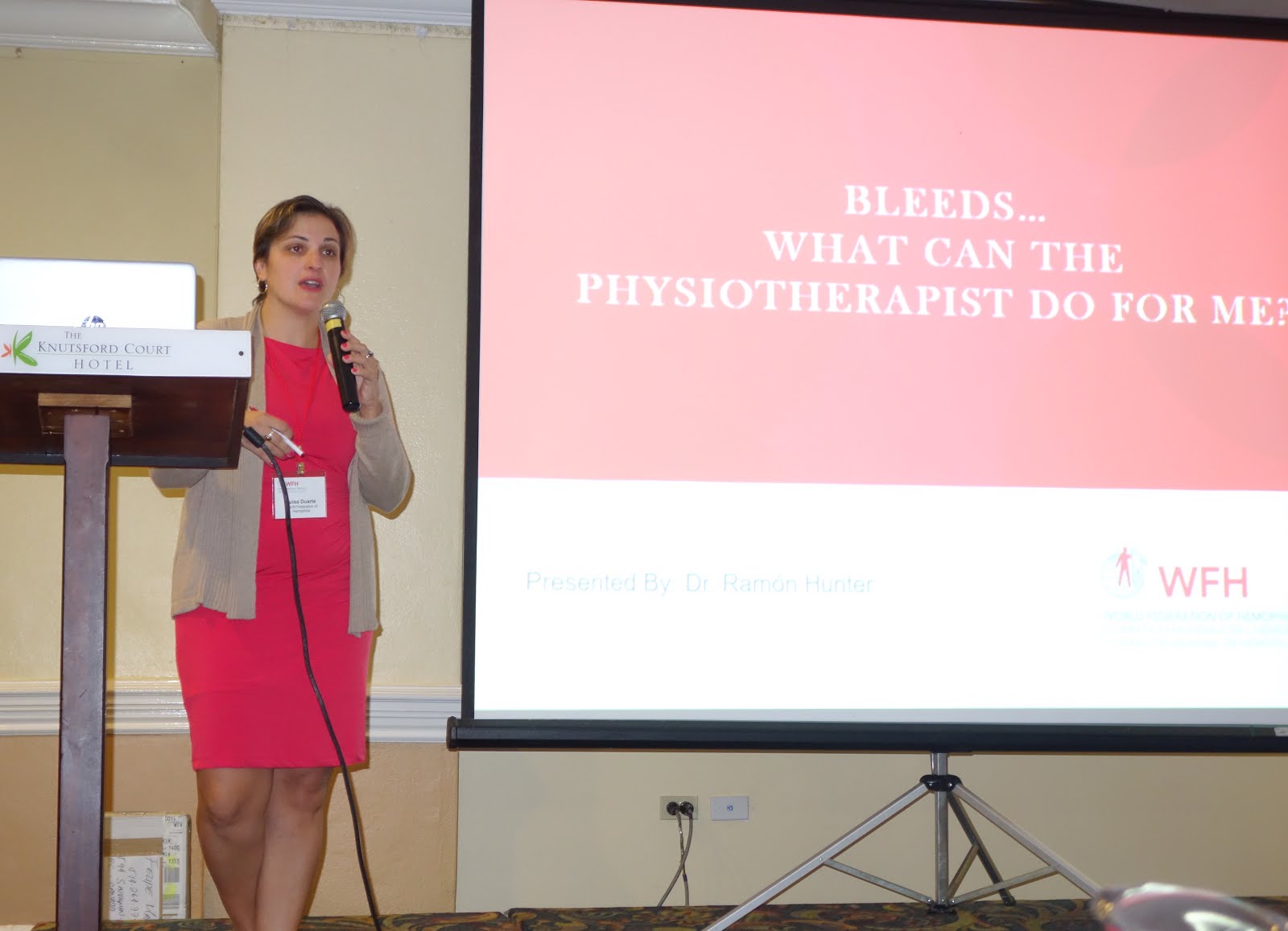
Luisa Durante, WFH
I’ve been to Jamaica twice before to help the patients organize, and numerous times over the past 20 years to a few other English-speaking countries here, including Barbados, Bahamas, and St. Vincent and the Grenadines. All were represented here, at long last.
The emerging theme of the conference became isolation, and how
to break it. The poetry of John Donne expresses this so beautifully: so many people with hemophilia feel isolated, as if they are on an island, cut off from the world. Indeed, these people really are on islands! Our challenge is to unite patients and families with one another in their own countries, and then link and connect country with other countries, to learn from one another and to support each other. To make a hemophilia continent, and to reduce isolation.
Topics of the two day conference included: clinical management of hemophilia, outreach to community members, genetics, hemophilia in the Caribbean, WFH programs, comprehensive care, the role of nursing, physiotherapy, and patient involvement.

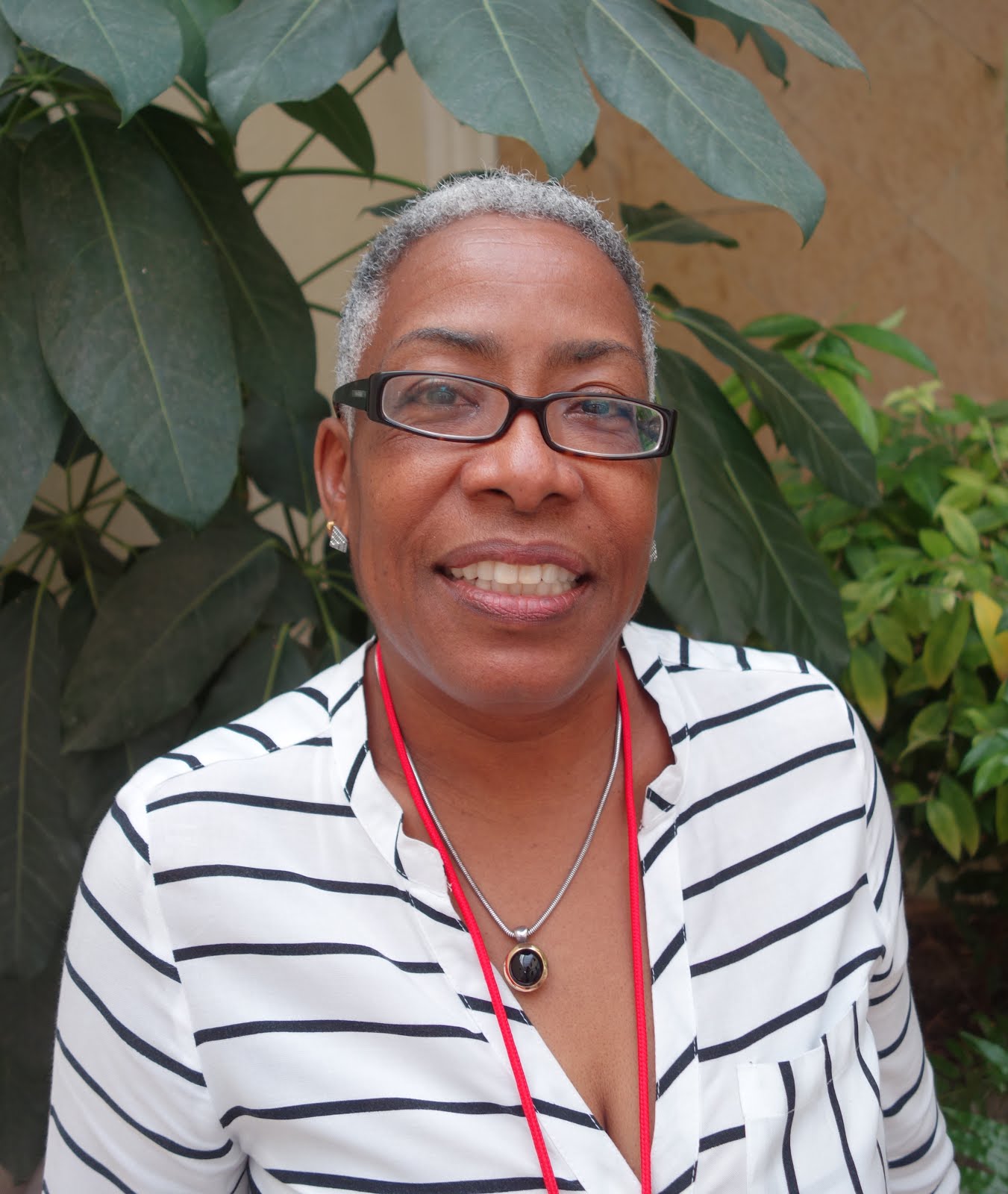
Dr. Jackie Bird, St. Lucia
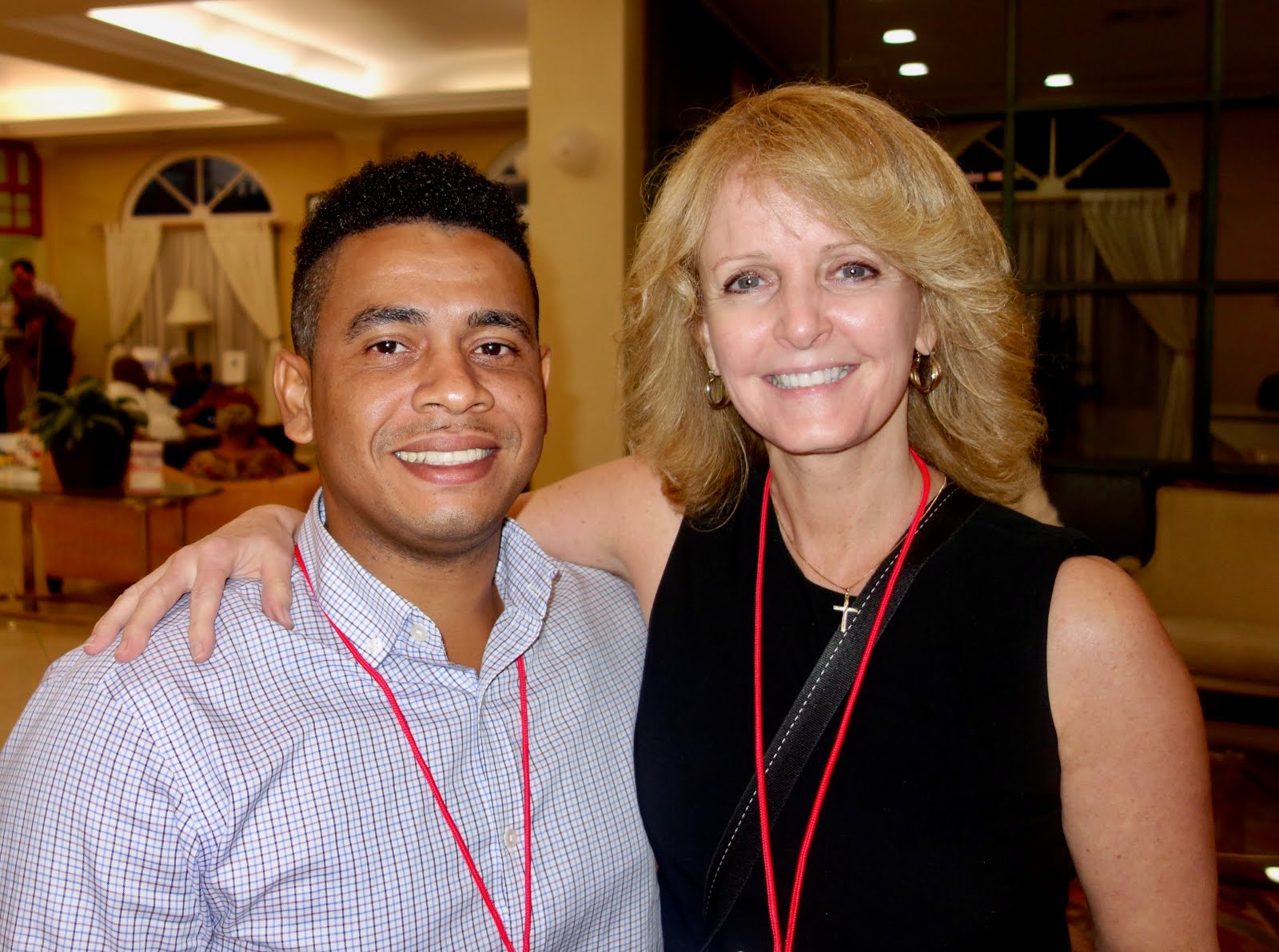
Who attended? Erica Worrell from Barbados, mother of a child with hemophilia, who just started a new society there in April and already held a successful walk to raise awareness; Brian and Ritchie Bardalez of Belize, young men who I have known since they were children, as I visited
Belize twice back in the early 2000s (they are now taking a leadership role);
Issa from Trinidad and Tobago, a patient and fiery orator, all my colleagues
and friends from Jamaica (Denton, Alex, Kirt, Berverly, Kerry-Ann, Milton,
Tamaicka, Sharon, Gricell, and the medical staff of UWI), Laurence Bakhsh, a brave young man from Guyana who we have helped for years with factor donations—first time meeting him!
The challenges are vast: Erica shared how there is no national registry of patients in Barbados, and how difficult it is to get factor. While the country buys some—a miracle in itself—you must get a prescription (wait time long), then go to the pharmacy (wait time even longer). You must pay for all ancillaries, right down to butterfly needles, which often are not even available! And tourniquets? Forget it. (We promised to ship her some ASAP.) Ritchie pointed out that Belize has closer ties with the Caribbean than with Central America, where he is located. There are only 16 known patients in Belize, and the terrain is the opposite of flat Barbados; it is mountainous with poor roads. A plane—“puddle jumper”—is the safest way to travel and distribute factor. 56% of the patients do home therapy, which spares them from expensive travel to clinics. There’s no hematologist—anywhere.
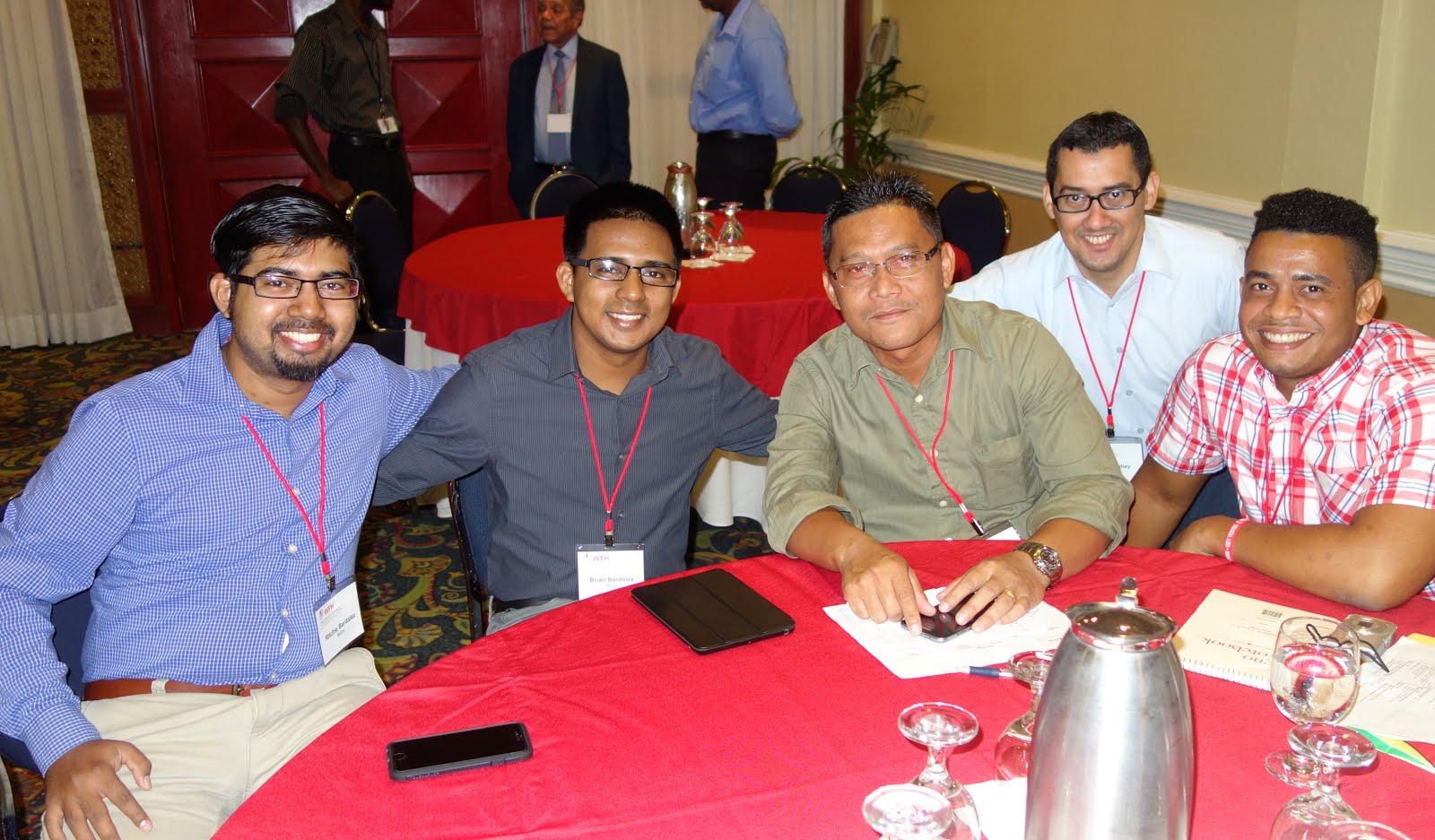
Bardalez brothers (Belize) with Valentino        (Suriname), Dr. Eric (Belize) and Laurence Bahkesh (Guyana)
There’s also no hematologist in St. Lucia, reported Dr. Jackie Bird, a 58-year-old dynamo who seems to have single-handedly taken on care for all people with hemophilia on this volcanic island. Poverty is 28%, and there are only 6 known patients—all with factor IX deficiency! Factor is not available and never has been.
That made me sit up.  Could we be the first to ship factor IX concentrate to St. Lucia? Jackie’s knees buckled, as she made a prayer sign with her hands, smiled and shouted, “Yes, thank you!” The room exploded in applause. This is the magic of these meetings: putting people together, those with and without, sharing honestly, and finding solutions. Yeah for us!
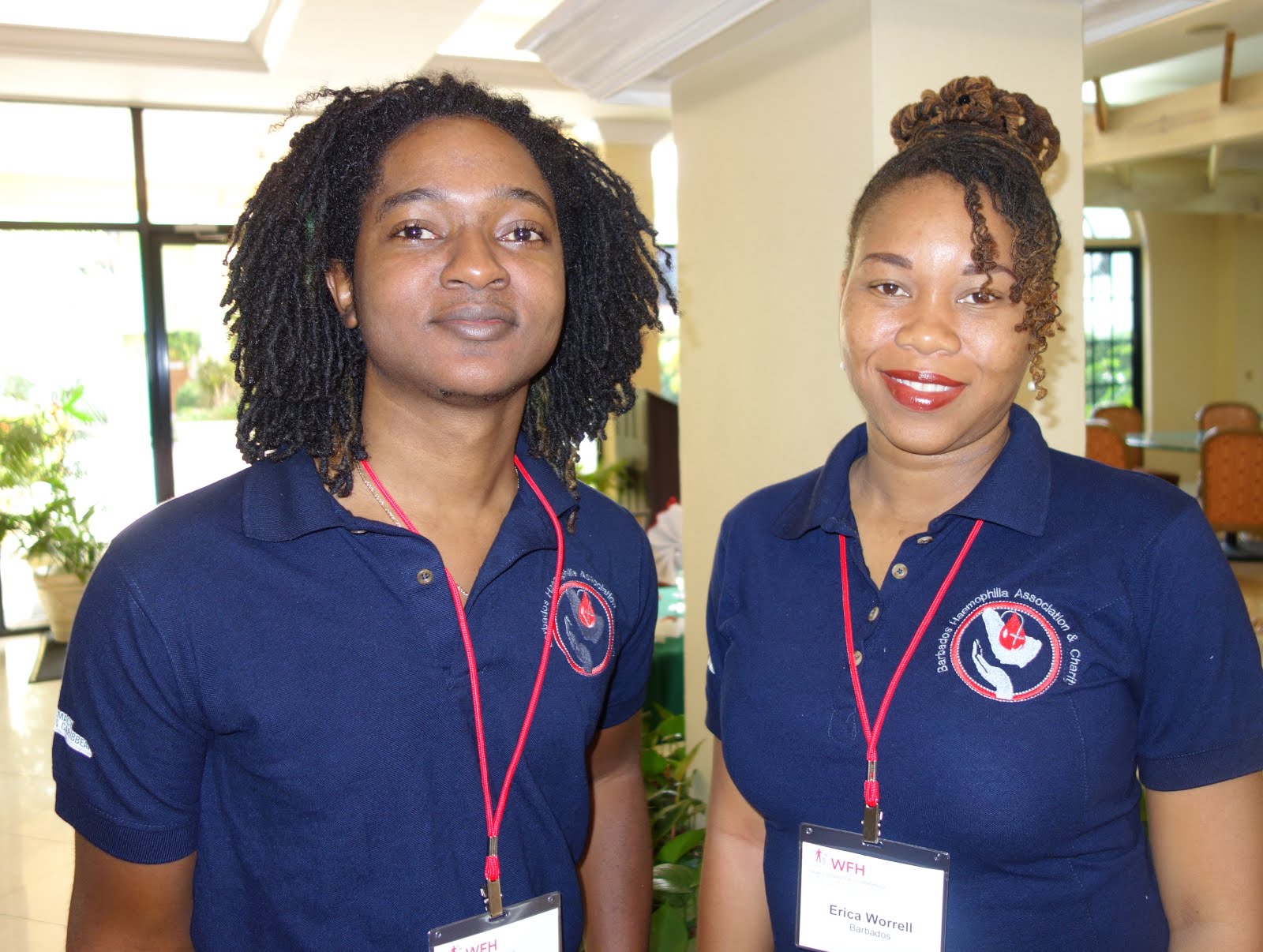
Patient Ray Greenidge, vp, and president Erica Worrell, Barbados Haemophilia Association and Charity
Laurence, a 33-year-old from Guyana, just founded a hemophilia society in 2015 and is struggling. After all, he has limited mobility, limited funding (he cannot work), and there are only 5 known people with hemophilia, including his brother and cousin. Guyana’s population of 755,000 means there are about 75 people with hemophilia. He has his work cut out for him. But with his natural charm and humility, he quickly became a favorite of all, and with his new network of colleagues, is bound to make improvements soon. “Strive to stay alive” is the organization’s tagline.
Laurie Kelley with Laurence Bakhsh (Guyana)
The Bahamas was represented by Florence Roker, mother of 21-year-old Chavez, who I met years ago. She has now stepped forward
to grab the reins of the floundering national organization. She broke into tears describing how Chavez has suffered: “You physically feel their pain,” she sobbed. Now, she said, regaining her composure, there are other children who suffer and who need our help. You have to find the silver lining behind the clouds. “This is a passion for me,” she concluded. “I’m motivated to get the organization to where it should be.”
Agent of change: Florence Roker of the Bahamas
An empowering and passionate speech was given by Issa, chair of the Society for Inherited and Severe Blood Disorders Trinidad and Tobago, an association for those with hemophilia, sickle cell and thalassemia. This is a brilliant strategy, to link up the three blood disorders to gain strength and have a stronger voice. And oh boy, does Issa have a strong voice! Motivating us and making us laugh, he stirred the audience emotionally with obvious leadership skills. T&T has been a WFH national member organization for 25 years, making it the oldest organization for hemophilia in the Caribbean. Issa declared that in the 1980s, West Indies cricket dominated the world. “Dominated!” he shouted. “Dominated! It happened when we united as one! We conquered the world!’ The audience laughed and applauded. Comparing this to diseases and disorders, T&T united as well. But unlike the West Indies cricket team, which had its glory days in the 1980s, “we are still a force to be reckoned with!” Issa declared.
But the most quoted person these two days was Jamaican hemophilia patient Tevon Brown, who stressed how isolated he felt growing up, as if he were the only person with hemophilia. He suffered terribly with pain, which felt like an “electric lead to my heart.” Strong role models and good teachers helped him. And he stressed now that we must unite and bring those who are isolated together, including nations. “We must have stick-to-it-iveness!”
he announced.

I must thank the World Federation of Hemophilia for organizing this conference, funding it, and inviting me, which allowed me to invite so many of the people I’ve met over the past 20 years. Kudos to Luisa Durante, regional manager of the WFH for Latin America, who is as hard working as she is fun as she is beloved by the people she serves. She and her team (Salome and Felipe) provided a magical two days. The WFH does great work, and we are
proud to support them and volunteer when possible. It takes stick-to-it-iveness to make long term changes in hemophilia care, and this is how it happens. Unity, hard work, passion.

HemaBlog Archives
Categories