Standing on the Shoulders of Giants
 |
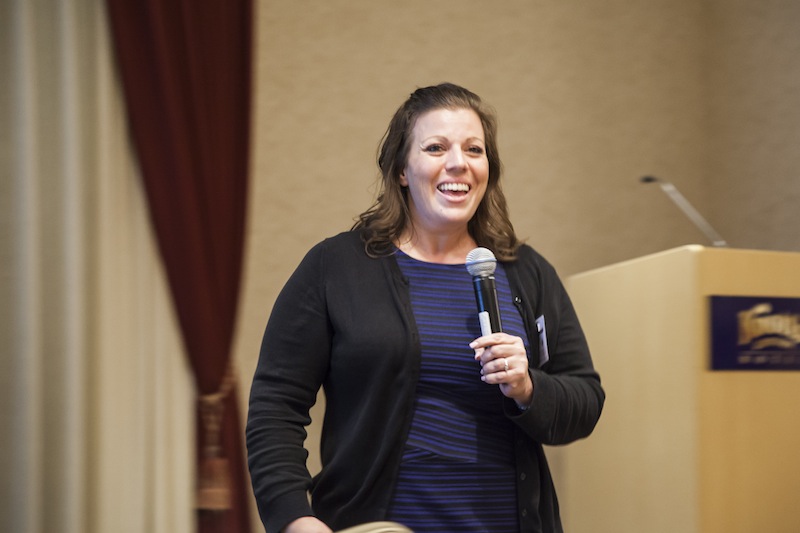
| Dr. Olaf Walter reviews Octapharma’s history |
I
was privileged this week to be invited to a special scientific symposium in
Heidelberg, Germany, sponsored by Octapharma. Octapharma is the largest
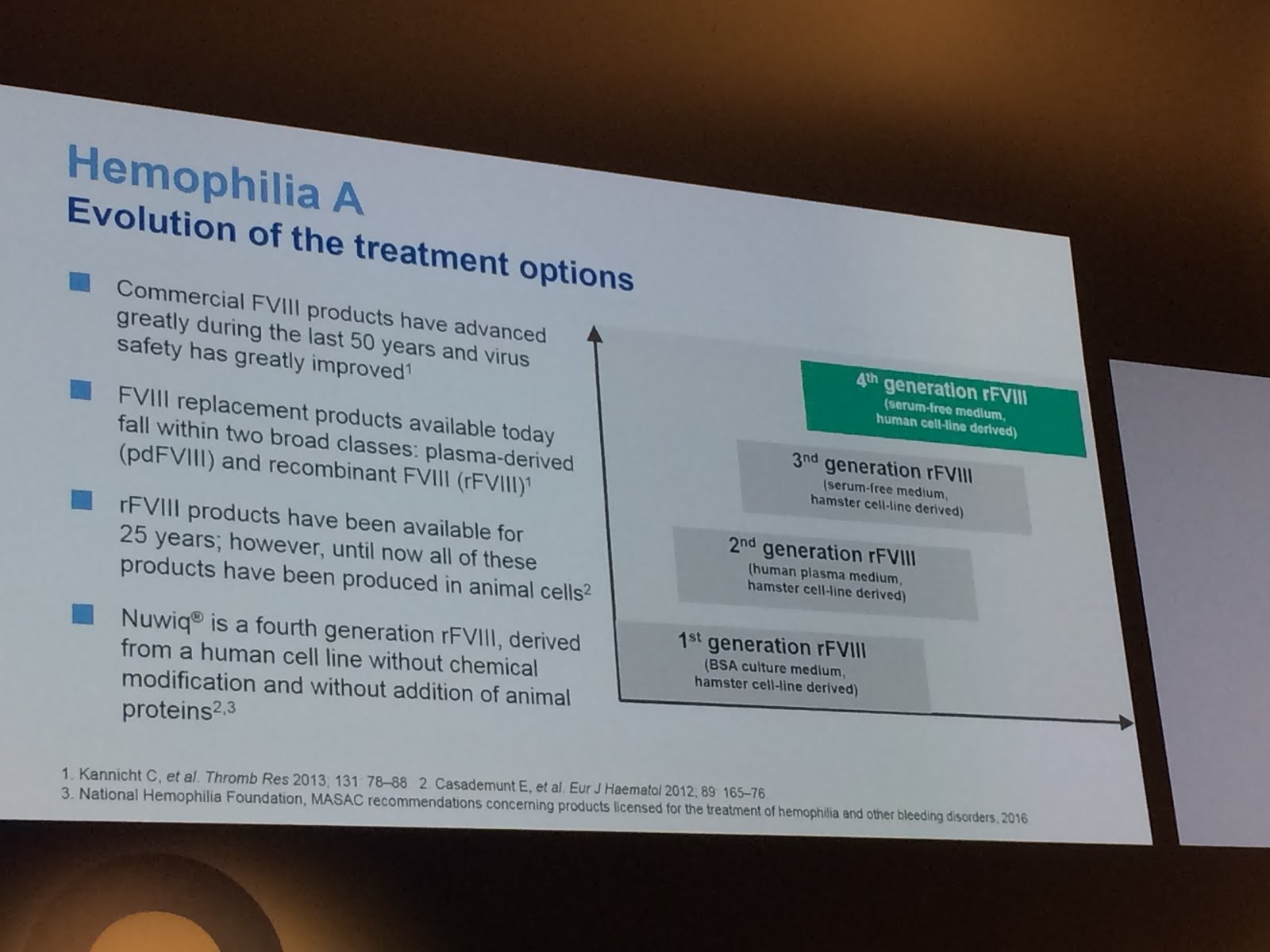
privately owned plasma manufacturer in the world. It recently launched the first and only fourth generation recombinant factor VIII (FVIII) produced in a human cell line without any chemical modification or protein fusion, NUWIQ®, now available in the
US. This unique product is important as it is hoped that a recombinant product
that originates from a human cell line might have low immunogenicity—in other
words, it might not trigger an inhibitor, which is the greatest complication of
hemophilia.
was privileged this week to be invited to a special scientific symposium in
Heidelberg, Germany, sponsored by Octapharma. Octapharma is the largest
privately owned plasma manufacturer in the world. It recently launched the first and only fourth generation recombinant factor VIII (FVIII) produced in a human cell line without any chemical modification or protein fusion, NUWIQ®, now available in the
US. This unique product is important as it is hoped that a recombinant product
that originates from a human cell line might have low immunogenicity—in other
words, it might not trigger an inhibitor, which is the greatest complication of
hemophilia.
Octapharma
was founded in 1983 by Wolfgang Marguerre; the name comes from the Greek
for the word “eight.” Octapharma manufactured the world’s first plasma-derived FVIII that employed a viral inactivation step using solvent-detergent. I cannot overestimate how important this process is. My own son used product
initially that had no SD or pasteurization and miraculously escaped HIV and
hepatitis C infection.
was founded in 1983 by Wolfgang Marguerre; the name comes from the Greek
for the word “eight.” Octapharma manufactured the world’s first plasma-derived FVIII that employed a viral inactivation step using solvent-detergent. I cannot overestimate how important this process is. My own son used product
initially that had no SD or pasteurization and miraculously escaped HIV and
hepatitis C infection.
Octapharma
now serves patients in 105 countries with 6,200 employees in 32
countries, of which half are in the US, the largest market for hemophilia
products.
now serves patients in 105 countries with 6,200 employees in 32
countries, of which half are in the US, the largest market for hemophilia
products.
 |
| Laurie Kelley with Marcia Boyle, executive director of the IDF |
The
Saturday symposium featured speakers from the US, Denmark, Canada, and Germany,
including our own Dr. Craig Kessler from Georgetown University. While all the speakers
were excellent, I learned a tremendous amount from Dr. Roger Kobayashi, of UCLA
School of Medicine, who is an immunologist. Patients with immune deficiency
share so many of the same concerns as those with hemophilia. Our need for
constant products, safe products, easy to administer and affordable. Dr.
Kobayashi reminded us that physicians like him, and companies like Octapharma, “stand on the shoulders of giants”–those researchers who have come before us. He told us that the very first Nobel Prize was awarded to a doctor who
discovered gamma globulins, proteins that can be used commercially to treat
infections in those with malfunctioning immune systems. He described the pain patients
felt years ago when intramuscular injection were given; the poor children! They
could not walk for days. Finally, intravenous infusions were manufactured and
successfully treated patients with immune deficiency. While he spoke, I had the honor
to be sitting next to Marcia Boyle, the executive director of the Immune Deficiency
Foundation, an exceptional leader who for 32 years has provided education,
advocacy and help to those with immune deficiency in the US. Indeed, Dr.
Kobayashi mentioned her three times in his speech!
Saturday symposium featured speakers from the US, Denmark, Canada, and Germany,
including our own Dr. Craig Kessler from Georgetown University. While all the speakers
were excellent, I learned a tremendous amount from Dr. Roger Kobayashi, of UCLA
School of Medicine, who is an immunologist. Patients with immune deficiency
share so many of the same concerns as those with hemophilia. Our need for
constant products, safe products, easy to administer and affordable. Dr.
Kobayashi reminded us that physicians like him, and companies like Octapharma, “stand on the shoulders of giants”–those researchers who have come before us. He told us that the very first Nobel Prize was awarded to a doctor who
discovered gamma globulins, proteins that can be used commercially to treat
infections in those with malfunctioning immune systems. He described the pain patients
felt years ago when intramuscular injection were given; the poor children! They
could not walk for days. Finally, intravenous infusions were manufactured and
successfully treated patients with immune deficiency. While he spoke, I had the honor
to be sitting next to Marcia Boyle, the executive director of the Immune Deficiency
Foundation, an exceptional leader who for 32 years has provided education,
advocacy and help to those with immune deficiency in the US. Indeed, Dr.
Kobayashi mentioned her three times in his speech!
We
learned about Alzheimer’s (discovered here in Germany), and Octapharma’s research into treating this
insidious disease, the fifth leading cause of the death in the US. There is
currently no treatment and after hearing Dr. Shawn Kile’s excellent presentation,
I pray that this company discovers a treatment soon. I recently witnessed the devastating
effects of this disease in a dear elderly friend. It strips a person of their
very identify and almost of their humanity. How long will we wait for a
treatment to slow it or stop its progression? Companies like Octapharma work
daily to answer this.
learned about Alzheimer’s (discovered here in Germany), and Octapharma’s research into treating this
insidious disease, the fifth leading cause of the death in the US. There is
currently no treatment and after hearing Dr. Shawn Kile’s excellent presentation,
I pray that this company discovers a treatment soon. I recently witnessed the devastating
effects of this disease in a dear elderly friend. It strips a person of their
very identify and almost of their humanity. How long will we wait for a
treatment to slow it or stop its progression? Companies like Octapharma work
daily to answer this.
But
I was most interested in Dr. Craig Kessler’s speech on personalized
prophylaxis. Dr. Kessler described how half-lives differ dramatically among
patients and only a pharmacokinetic (PK) test can determine each person’s half-life. That’s the number one place to start with a proper treatment regimen. In
the “old” days, like when we were raising a child with hemophilia, we dosed
by weight and bleed severity only. Now we realize this is not enough. Each person
will have a different half-life. He displayed one slide that showed 66 patients
with half-lives varying up almost 5 hours. Once you know your half-life, you
can find the proper prophylaxis treatment. This might include looking through the vast
array of factor products. Dr. Kessler reminded us that patients want 1) reduced
number of infusions, 2) reduced inhibitor development and 3) to adopt prophy to
their own lifestyle.
I was most interested in Dr. Craig Kessler’s speech on personalized
prophylaxis. Dr. Kessler described how half-lives differ dramatically among
patients and only a pharmacokinetic (PK) test can determine each person’s half-life. That’s the number one place to start with a proper treatment regimen. In
the “old” days, like when we were raising a child with hemophilia, we dosed
by weight and bleed severity only. Now we realize this is not enough. Each person
will have a different half-life. He displayed one slide that showed 66 patients
with half-lives varying up almost 5 hours. Once you know your half-life, you
can find the proper prophylaxis treatment. This might include looking through the vast
array of factor products. Dr. Kessler reminded us that patients want 1) reduced
number of infusions, 2) reduced inhibitor development and 3) to adopt prophy to
their own lifestyle.
Dr.
Kessler reported that NUWIQ® is Octapharma’s new fourth generation recombinant FVIII from a human cell line—the
first such product. Because it is entirely from humans, and not animal cell
lines, this could potentially reduce the rate of inhibitor development and avoid possible
allergic reactions, and allow personalized prophylaxis with fewer
infusions. He described several
clinical studies with NUWIQ®, including one with 135 previously treated patients,
none of whom developed an inhibitor. We also know that inhibitors can develop
in about 30% of previously untreated patients with factor VIII deficiency, usually
within 20 exposure days. Octapharma designed NUWIQ® to be less immunogenic by using a human cell line. I will want to follow clinical studies closely on the
product to see what else they uncover regarding this.
Kessler reported that NUWIQ® is Octapharma’s new fourth generation recombinant FVIII from a human cell line—the
first such product. Because it is entirely from humans, and not animal cell
lines, this could potentially reduce the rate of inhibitor development and avoid possible
allergic reactions, and allow personalized prophylaxis with fewer
infusions. He described several
clinical studies with NUWIQ®, including one with 135 previously treated patients,
none of whom developed an inhibitor. We also know that inhibitors can develop
in about 30% of previously untreated patients with factor VIII deficiency, usually
within 20 exposure days. Octapharma designed NUWIQ® to be less immunogenic by using a human cell line. I will want to follow clinical studies closely on the
product to see what else they uncover regarding this.
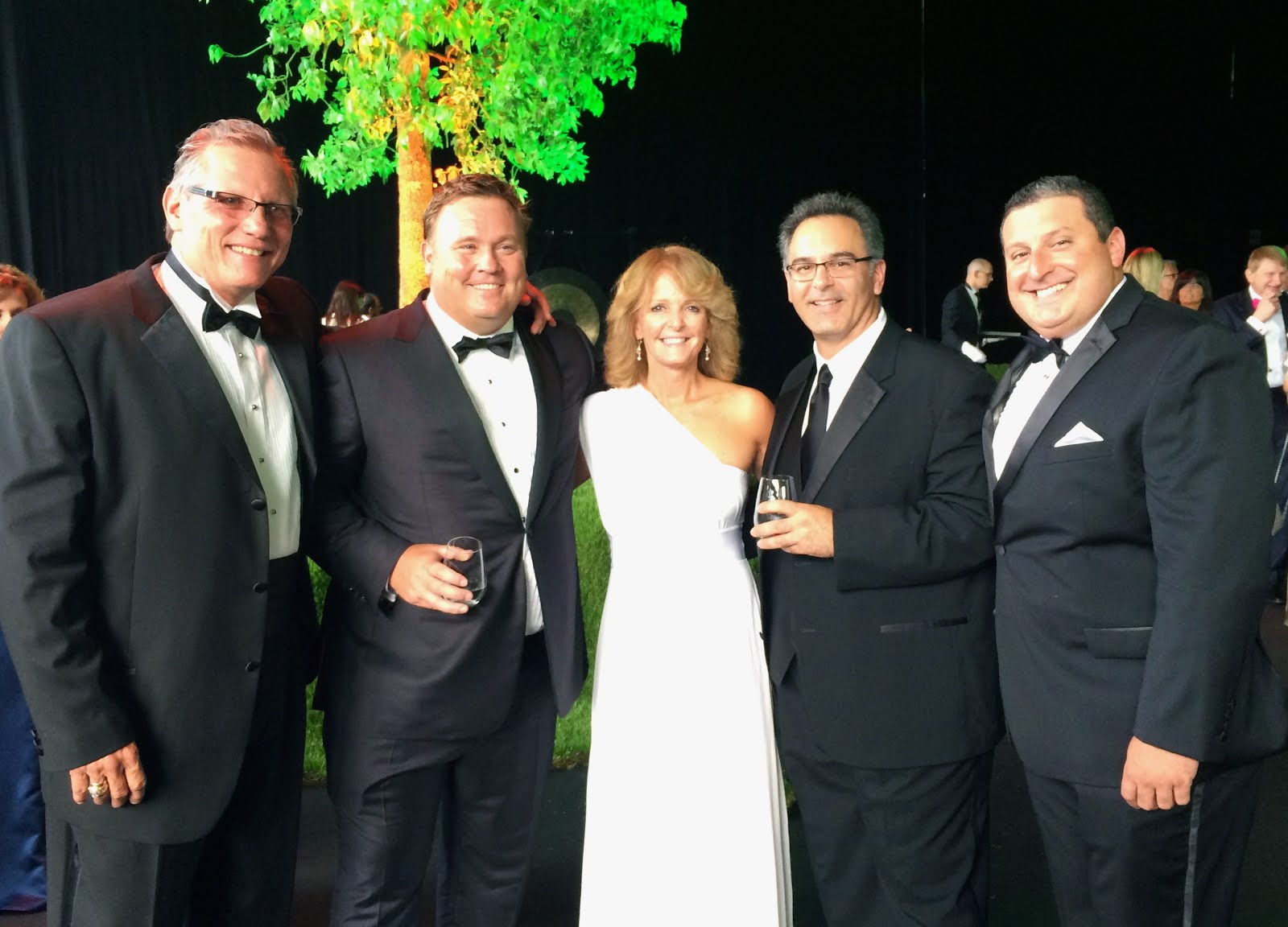 |
| Laurie Kelley with Octapharma friends |
I
was also interested to hear from Dr. Olaf Walter, senior vice president, and MC for the day, that Octapharma is conducting research for a subcutaneous (under the skin) delivery of factor. I know of two other companies
that are also working on this, and it will again be interesting to watch
developments. As we write in our May issue of PEN, this is the most exciting
time in hemophilia!
The symposium
closed with a delicious lunch and then a black tie gala that evening at the
Heidelberg Castle. It was not only the 33rd anniversary of
Octapharma, but also the 75th birthday of founder and chairman Wolfgang
Marguerre. I have a special indebtedness to Wolfgang, as he is Save One Life’s
largest supporter and also sponsor the largest number of children, 120.
closed with a delicious lunch and then a black tie gala that evening at the
Heidelberg Castle. It was not only the 33rd anniversary of
Octapharma, but also the 75th birthday of founder and chairman Wolfgang
Marguerre. I have a special indebtedness to Wolfgang, as he is Save One Life’s
largest supporter and also sponsor the largest number of children, 120.
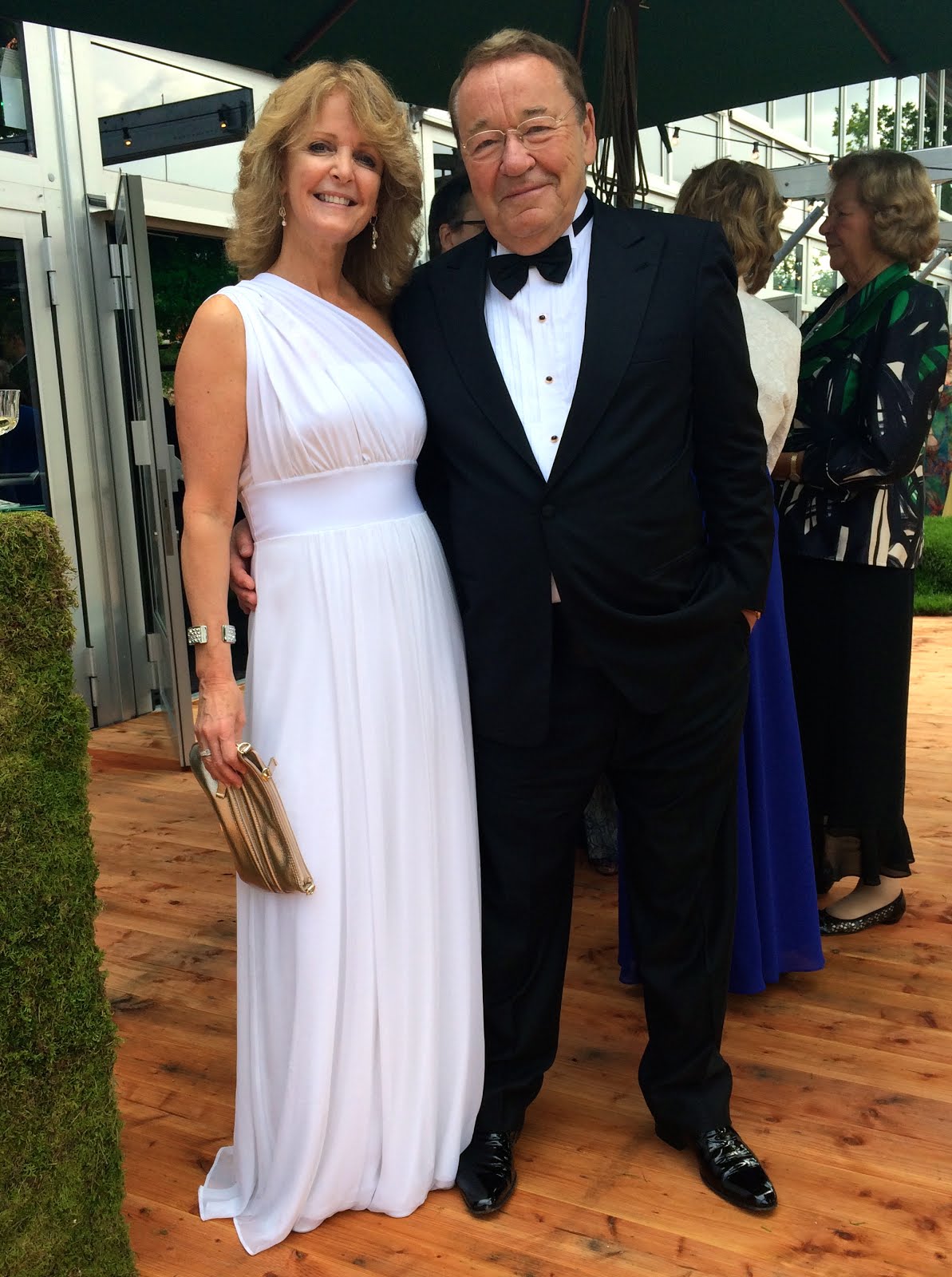 |
| Laurie Kelley with Octapharma Founder and Chairman and Save One Life’s leading donor Wolfgang Marguerre |

 The evening was
dazzling, with over 40,000 flowers, 500 guests including Octapharma employees from around the world, 150 wait staff, at least two high quality bands, delicious food and drink. This was a wonderful way to celebrate
the accomplishments of this company and its indefatigable and brilliant
founder. I met up with my hemophilia colleagues, including three of our
top sponsors for Save One Life: Wolfgang, and also Patrick Schmidt, CEO of FFF
Enterprises, Neil Herson, president of ASD Healthcare, and Paolo Marcucci of Kedrion S.p.A.
Together, all three sponsor
about 280 children with hemophilia in poverty annually. Many of the other
attendees also sponsor children, including hemo-mom and Octapharma employee
Sherri Rojhani, who just sponsored a child in honor of Wolfgang Marguerre’s
birthday.
The evening
ended with spectacular fireworks, accompanied by songs representing many
countries, but the final song was a favorite of mine, the Irish pub-song The
Wild Rover.

When I thanked
Wolfgang for such a lovely evening, I told him he needed to manufacture a new
product—his energy! I want an infusion of whatever he has to keep me going strong
at 75 to do the humanitarian work I love to do. If only!
Thanks to Octapharma for a fascinating
symposium, such amazing festivities, and for all its support for Save One Life.
symposium, such amazing festivities, and for all its support for Save One Life.