
Laurie Kelley

Thank you, Barry!

On Friday I went for a 32-mile bike ride, on my usual route that winds through back roads of the north shore of Massachusetts, out to Plum Island to the ocean. It’s a ride I did with Barry Haarde twice, and I thought of how he pushed me into cycling longer than my usual 12 miles, and faster than my usual 13 mph. I actually clocked myself at 15.7 mph. Not bad for age 60.

Last Sunday, August 12, we gathered on a different beach, Odiorne Point in New Hampshire, to remember Barry and his amazing contributions to our community and in particular to the nonprofit I founded, Save One Life. About 50 people from all over the country: California, Connecticut, Denver, Texas, Washington DC and Barry’s family from Florida, trooped in with bicycles to recreate the last 10 miles of his first cross-country journey.

Martha Hopewell, executive director of Save One Life, gave a deeply stirring speech that highlighted Barry’s achievements and impact:

“It was just seven years ago, on this very same day, we celebrated Barry’s first ride across the US at Laurie’s house. We toasted his 3,667 miles and had no clue, at that time, that he would ride 16,728 more or, for that matter, raise over $250,000 for Save One Life!

“Barry’s accomplishment comes after much physical hardship. Barry contracted HIV in the 1980s from contaminated blood products used to treat his severe hemophilia. He also contracted hepatitis C, which required four years of grueling interferon treatments, during which he almost lost his life.” Barry didn’t publicly reveal his HIV status until 2008. “Once Barry made that courageous choice, however, he has been an increasingly vocal advocate for the hemophilia and HIV communities ever since.”
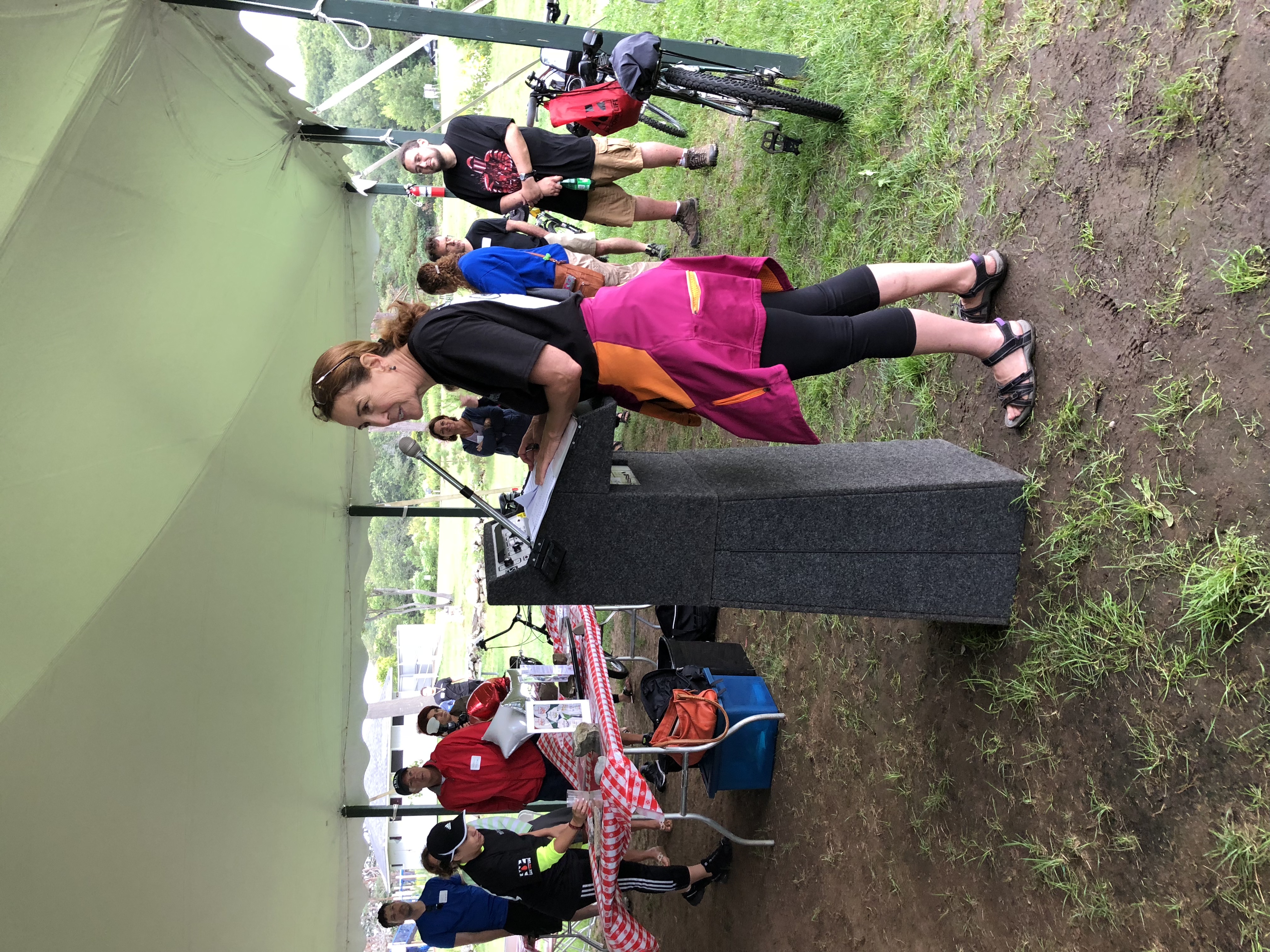
Martha Hopewell, Director of Save One Life

“When Barry undertook his first tour in 2012, he rode for 50 days through ten states and Canada. In addition to raising funds to help needy children, you all know that each day he rode in memory of family and friends lost to AIDS. When Barry finally dipped his wheel in the Atlantic after his first comment was, “Let’s do it again next year!” “And so he did, with the team at Save One Life, his employers at Hewlett Packard and many supporters encouraging him as he overcame physical and psychological barriers to make history. Barry’s goal was to ride through every state. He didn’t quite make it, but his Wheels for the World rides got him to 37 of them…not bad at all!” “We celebrate Barry today. We will forever cherish his enthusiasm for riding and his passion for his blood brothers and sisters around the world. He is here with us at this very special memorial. God bless Barry, and all those in whose hearts you will always live.”

We lost Barry in February. Not everyone knows this, but he took his own life. Despite his beloved status in our community, his fame, with years still ahead of him, he could not outride the darkness that dogged him. Teddy Roosevelt, one of our most accomplished of presidents, and an athlete in his own right, suffered from depression, and wrote, “Black care rarely sits behind a rider whose pace is fast enough.” Barry once told me, “Endurance athletes like me aren’t always heading towards a goal; we’re often running away from something.”

As I rode back from Plum Island on Friday, I could vividly see in my mind Barry ahead of me, his lanky figure balanced on his carbon-framed steed, his left hand shooting our and pointing downward each time we neared a pothole or a crack in the asphalt. His way of warning me of danger ahead. I thought, maybe his legacy is not so much how much money he raised, but of the need to be aware of our community’s potholes and cracks—the mental health issues, particularly depression, that lurk insidiously in our community. I hope addressing these becomes Barry’s true legacy.
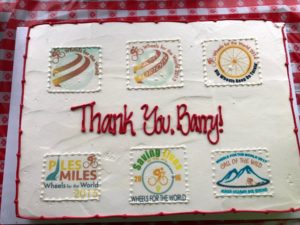
Read the press release about the even August 12. Link here https://www.prweb.com/releases/cyclist_barry_haarde_honored_for_his_legacy/prweb15699984.htm

Thanks to our co-host, New England Hemophilia Association, to board members Ujjwal Bhattarai and family, Myrish Antonio and husband Jojo, Chris Bombardier and wife Jessica for attending, to our staff at Save One Life (Martha, Jodi Kristy), to all of Barry’s dear friends who attended, and to Shire and Aptevo Therapeutics, The Alliance Pharmacy and George King Bio-Medical for making this event possible. 

Martha also added thanks to the corporations that sponsored Barry’s rides over the years. The biggest sponsor was Baxter/Baxalta, which contributed almost 40% of Barry’s total with $100,000.  The Alliance Pharmacy distinguished itself as being the only company to support all six of Barry’s rides for a total of $30k.  Biogen/Bioverativ, Bayer Healthcare, George King Bio-Medical, Amerisource Bergen, Matrix Health Group, Aptevo Therapeutics, American Homecare Federation, Emergent Biosolutions and Optum Rx also contributed to this success.


Wheels for the World was championed by the Lone Star Chapter of Barry’s home state of Texas, Hemophilia of Indiana, NEHA and Sangre de Oro. The Colburn Keenan Foundation also gave in 2014.

 Most special to Barry were the nearly 250 individuals who gave to his effort. Priscilla Oren was the first donor of every ride! She is joined by Kevin Anderson and Lisa Schober who devotedly donated to all six rides.


Embracing the Unique

Previously printed in PEN, May 2018

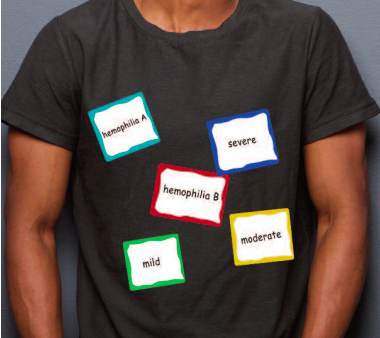
When children are diagnosed with hemophilia, they are each given an essential diagnostic label: for example, hemophilia A or hemophilia B, severe, moderate, or mild. These labels originate from a lab analysis of the child’s blood. The diagnosis determines what type of factor replacement therapy each child will get. Labels like these can help draw a picture of who your child is and what he or she needs. But when it comes to dosing and prophylaxis regimen, sport choices and bleeding patterns, and even pain management, your child with hemophilia is unique. Diagnostic labels don’t adequately explain a person’s individuality and needs.

We asked parents from Facebook about their children with hemophilia: Has anyone ever used the labels of hemophilia to categorize your child, which resulted in limiting treatment options, or limiting what people think your child can do? What is it about your child that is not “typical” for someone with hemophilia? The responses poured in. While a child’s uniqueness may be revealed in a preference for certain sports or a physiological reaction to a particular product, most of the parental responses we received were about each child’s unique half-life, and about subsequent bleeding patterns.

Half-life was barely mentioned when my son was born. In the late 1980s and early 1990s, we dosed his factor using a chart based on his weight; it was very mathematical. We took one-half of his weight in kilograms times the factor level we desired, and this equaled the number of units of factor VIII we needed to infuse. Over time, as parents, we developed intuition about how much or how little factor our son needed based on his response to factor and his bleeding patterns, and we could adjust his dosage ourselves.

Up until about the last 10 years, hemophilia treatment centers (HTCs) often prescribed factor dosages based on weight, and determined a prophylaxis regimen based on a strict protocol from clinical studies. We now know that every child needs to have a pharmacokinetic (PK) or recovery study done to determine his or her individual, unique half-life response to a specific factor VIII product. Determining the unique half-life can help hone the amount of factor a child should receive, or indicate the best prophy regimen. A short half-life may mean more frequent infusions, higher doses, or the use of extended half-life products.

If anyone knows about the uniqueness of factor half-lives in children with hemophilia, it’s June Reese, who has four sons with hemophilia. She says, “One son has always had a short half-life and has really struggled with bleeds. His teachers often compare him to his brothers, one of whom never bleeds.” And this was a problem for the Reese family: in categorizing two brothers with textbook half-lives as “normal” for hemophilia, teachers dismissed the third brother’s frequent bleeds—they thought he was being careless, or worse, that he was imagining the bleeds.

Crystal Eskine has two sons with severe hemophilia A, ages 9 and 10. “I expected two similar stories,” she laughs. Despite having the same diagnosis as his brother, Crystal’s 10-year-old bleeds spontaneously, “if you look at him too hard.” Her younger son “never needs factor,” and “he isn’t even on prophy he bleeds so little!” When Crystal’s doctor wanted her to adhere to a traditional dosage and infusion schedule with her older son, her gut instinct told her it wasn’t good enough. She knew her children’s unique responses to factor. “I started giving my older son double doses. I took notes, showed our doctor, but he still he thinks I’m worrying too much, while I still don’t think the dosing regimen is good enough.” Crystal continues, “I’ve asked for a PK test, with blood samples taken over a much longer time period, but he has said no.”

And then there is Jen Miller’s five-year-old with severe hemophilia A. Jen calls him a “typical boy” who enjoys video games, swimming, T-ball, and playing with his friends. His

factor half-life is very short, which is not typical, but this doesn’t seem to impact his bleeding patterns.

When a shorter half-life does impact bleeding patterns, and parents instinctively know something isn’t right, they need to alert their HTC staff, sometimes to prove that their child does not fit a category or label. In these cases, parents should request a PK study. Crystal laments, “My boys’ hematologist makes me feel like I’m doing something wrong, but refuses to do a PK study.” June adds, “For years, our medical staff acted as though we were to blame when he’d have bleeds—even though he was infusing regularly.”

Kate Stotz, who has a 22-month-old with severe hemophilia A, felt she had to fight against the standard prophy infusion schedule of three times a week. “This was not working for our son,” she explains. “He was having frequent bleeds on Sunday, the day he was unprotected. Trough levels indicated that in order to maintain a minimal 1% trough, we could not exceed 48 hours between infusions.” Though Kate wanted to infuse every other day to keep him protected, her son’s hematologist didn’t want to break from the traditional schedule the HTC normally prescribed. “It took a lot of advocating on our part and ultimately finding a new doctor at a different HTC.”

Sarah Hueston successfully advocated for a new prophy regimen for her 16-year-old son with severe hemophilia A, who plays two varsity sports. When they determined he had a short half-life, the HTC team, Sarah, and her son developed his treatment plan together. He now infuses standard factor daily. “It’s what works for us,” says Sarah, “and his doctors are so proud of him, as are we, his family! Never did we think he’d be doing the things he’s doing even 10 years ago!”

By logging her son’s bleeds, Stacey Mollinet was able to convince her HTC team to change the treatment schedule. When her son with severe hemophilia A was a young teenager, he didn’t bleed like a typical severe and was not very active by nature. “I had to push the HTC,” she recalls, “so he could treat only twice a week, instead of a standard prophy schedule.” Around age 14, he started to bleed more like a typical severe. So Stacey worked with the HTC to adjust her son’s dosing schedule, and ended up dosing every other day until he switched to extended half-life factor two years ago.

“There’s not a one-size solution for everyone,” Stacey has learned. “Keeping good infusion and bleed logs so you know what schedule works best to prevent bleeding is important.”

Crystal laughs, “I could probably write a book about all the ways my boys ‘differ’ from the typical definition of hemophilia.”

And in a community where boys “typically” have hemophilia while women are carriers, women are now advocating to redefine what it means to have hemophilia. Labels have their place, but when we define hemophilia and determine treatment plans, we sometimes need to look outside the box at hemophilia—and trust the parents and patients when they describe their own uniqueness and needs.

Did you miss our May issue of PEN? Download it on our website today!

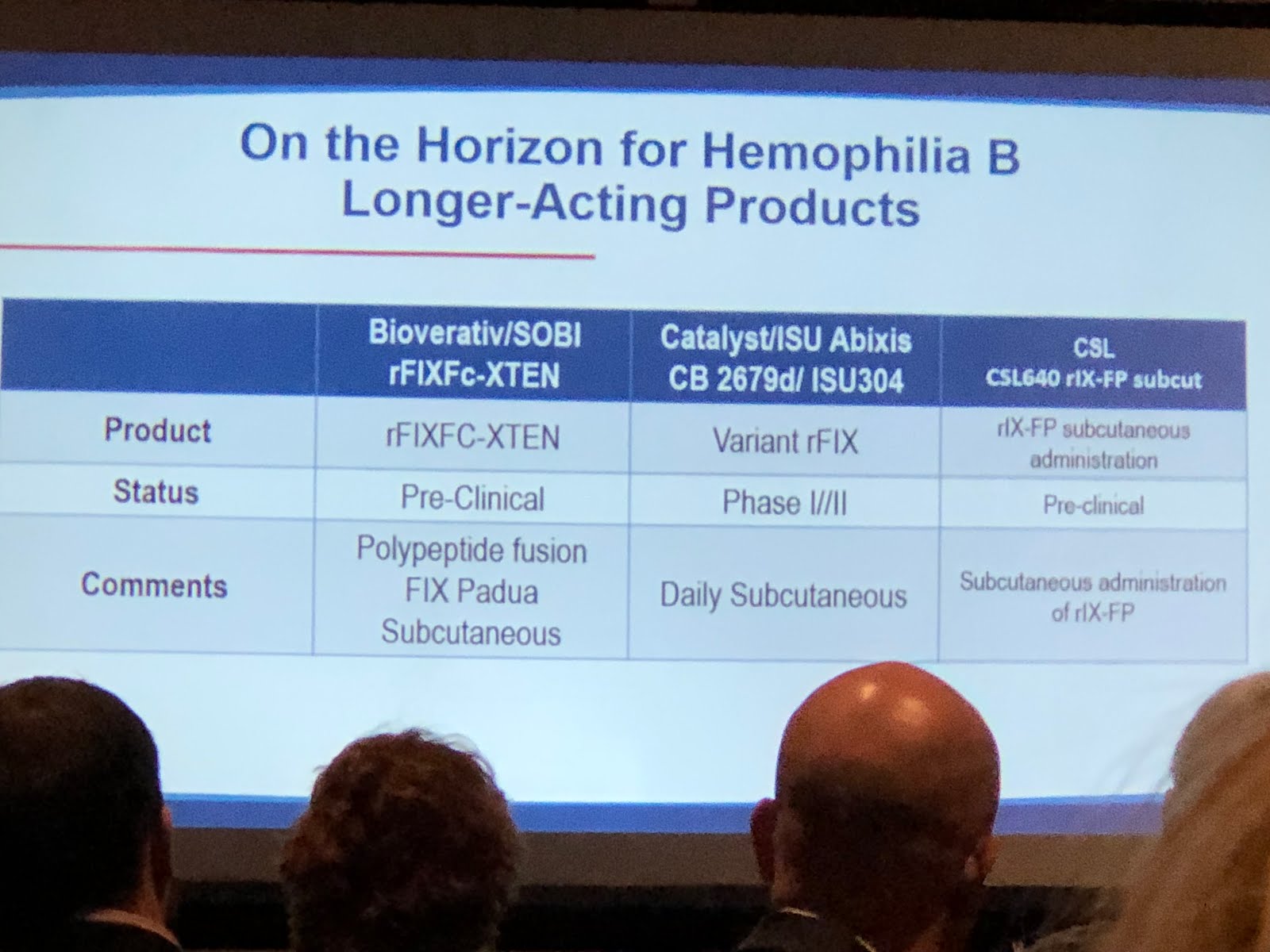
On the Horizon: HFA Part 1

Last week the bleeding disorders community met in Cleveland, Ohio at Hemophilia Federation of America‘s annual meeting. It was a fabulous time to meet with friends and colleagues, and to learn about new treatments in inhibitors, new drugs in the pipeline and about psychosocial issues. One of the best attended sessions was the one on gene therapy. Entitled “On the Horizon,” the session was a 90-minute review of new products coming our way, and an overview of gene therapy, how it works and who is working on it.
Dr. Sanjay Ahuja, medical director of Rainbow Children’s Hospital, first spoke about “New and Emerging Therapies.” Expression Therapeutics is working on “ET3i,” a recombinant
factor VIII (rFVIII), that should give a higher yield, with the focus on lower cost per unit.
 

Another interesting therapy is called “transgenic.” Pharming Group has found a way to derive transgenic rFVIII from the milk of rabbits. Ahuja explained that scientists have learned how to take a human gene that makes factor VIII, put in rabbits, and have factor expressed through their milk. This is called “lacto-recombinant factor.”

This generated laughs from the audience, and one man gestured like he was milking a cow. And while Ahuja joked that we could get our kids to drink more milk finally, the actual drug would not be in milk to drink, but commercially available as an infusion. It would be cheaper to produce, with a high yield, making factor much more affordable.

 
“New things and better things coming,” Ahuja said.
 
Many people in the audience already knew about the innovative therapy called emicizumab (commercial name: Hemlibra), a bispecific monoclonal antibody that mimics factor VIII by bringing together activated FIX and FX together, replacing the function of FVIIIa. It’s not a factor product! There was a brief discussion about the deaths associated with its use [see our upcoming article in PEN for a detailed discussion on these]. Bioverativ and Shire are also working on bispecific monoclonal antibody and Shire’s is actually a bi/trispecific. These drugs are called “FVIII-Mimetic.”
 
Another innovation for FIX is from Salk Institute/Arcturus Therapeutics, currently in pre-clinical studies. It’s not gene therapy, though it involves taking RNA to the liver to
make factor.
 
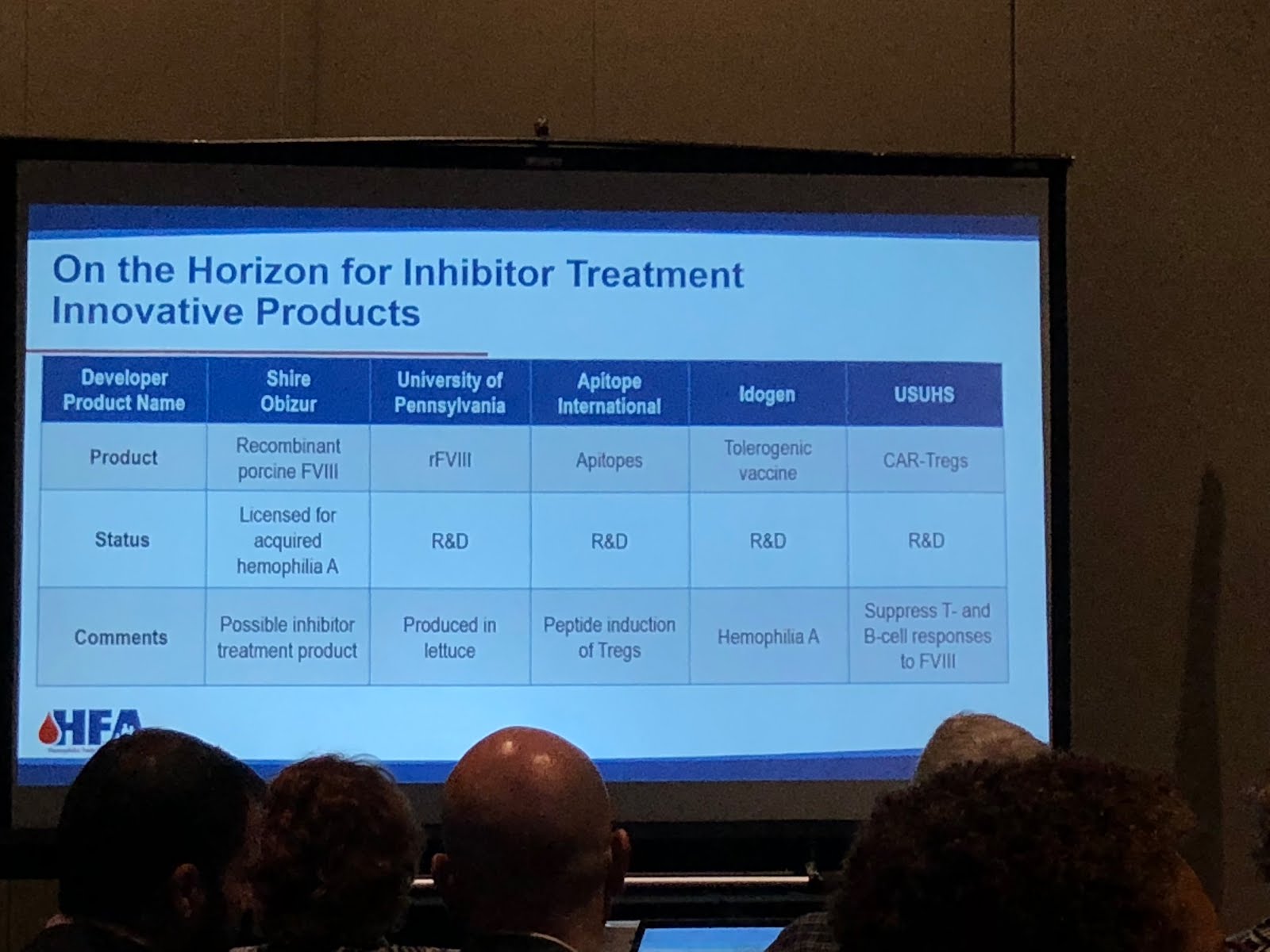
On the horizon for inhibitors are products in the FVII market. HEMA Biologics/LFB, are working on an activated FVII.  rEVO Biologics/LFB are working on FVIIa in transgenic rabbits.
 
Even a long acting, subcutaneous FVIIa is being made by Catalyst Biosciences and OPKP Health.
 
Perhaps the biggest surprise of all is rFVIII being made in lettuce at the University of Pennsylvania, and this you do eat!
 
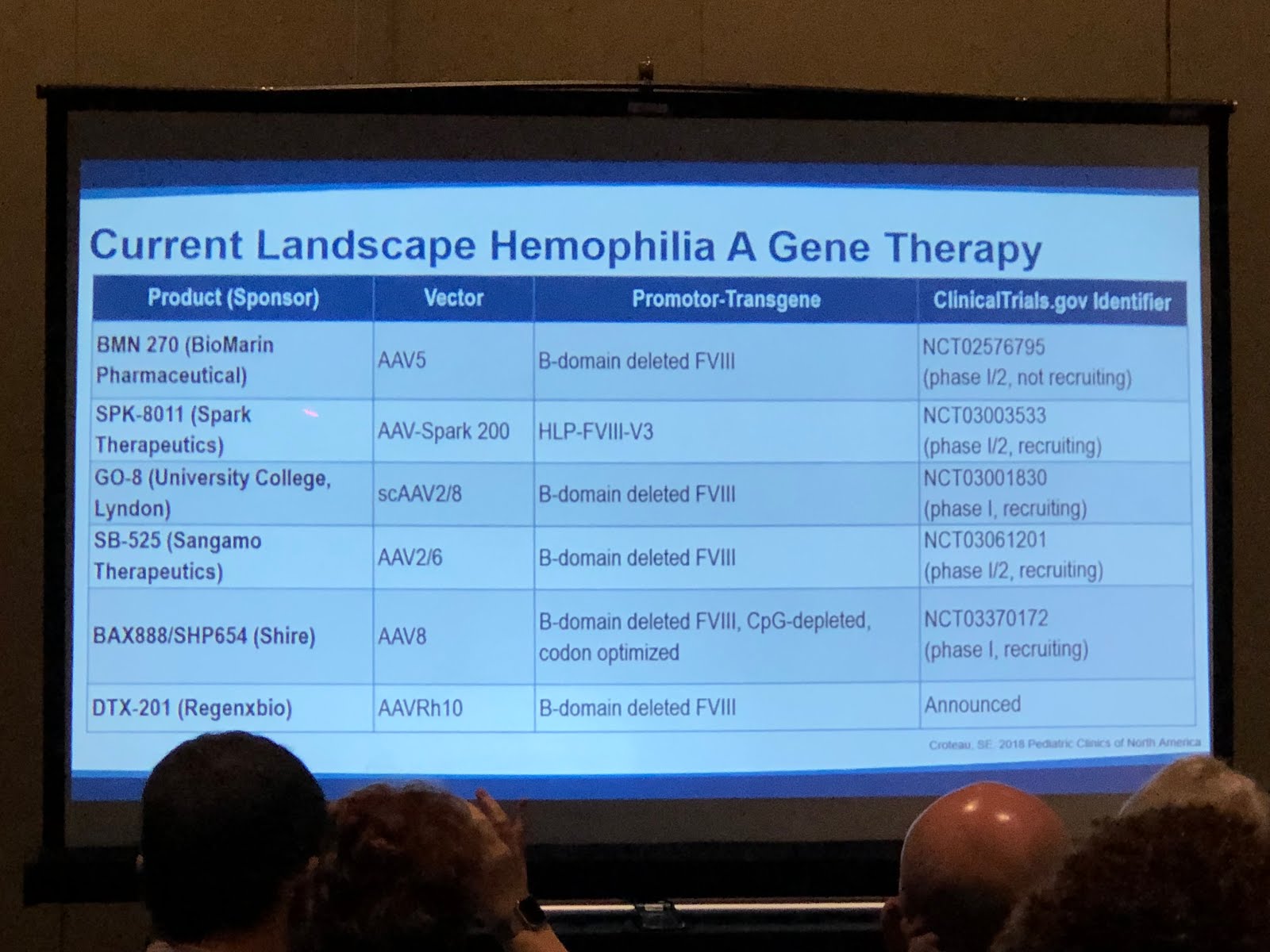
Dr. Stacey Croteau, medical director Boston Children’s Hospital, and Associate Director of the Boston Hemophilia Center next spoke about gene therapy. She gave a brilliant overview, too detailed for here, but if you look at the slides, you’ll get a sense of just how much activity is underway. And all through the four-day conference, I kept hearing chapter leaders talking about not “if” gene therapy occurs, but “when.” More and more, it is becoming a reality.
 
Dr. Croteau first explained that there are three basic types of gene therapy:
1)   Direct therapy (injection into the patient)
2) Cell based (in which you take cells out, alter the genes, then reintroduce the altered cells to the individual, called ex vivo)
3)   gene editing (going directly into a defective gene to make it work)
 
Branded Content
There was a good discussion of how adeno-associated viruses (AAV) are mostly used as the vehicles (vectors) to introduce the altered genes into the patient. Why a virus? They are good at replicating—viruses need to quickly replicate to infect the host and survive. But Dr. Croteau stressed that the AAV8 is stripped down and rendered harmless, so just the FIX gene is left. It’s then introduced back into the patient and goes to the liver (AAV vectors love the liver!), embeds into hepatocytes (liver cells), degrades and becomes part of that cell and starts to express normal coagulation factors into the bloodstream.
 
Dr. Croteau explained how difficult gene therapy is. You must get the gene delivered to the right cell type in sufficient quantities; then it must switch the gene on, all the time avoiding body’s natural immune response.
 
In 2011 there was the first successful AAV gene therapy for hemophilia B. With high doses, the patients in the clinical study had their factor levels go from severe to moderate and even to the mild range.
 
Not all gene therapy research is using AAV; there are all types of AAV vector subtypes. Looking at the slides, why so many? Not everyone will be eligible to use a particular vector. Just like with factor, one gene therapy won’t fit all. Dr. Croteau concluded that it’s good we have several options for gene therapy, and many look very promising!
 
To learn more about gene therapy trials, you can look at Clinicaltrials.gov
 
And very honorably, the speakers reminded us that those patients who have volunteered and are volunteering for new therapies and gene therapy make it possible for the rest of us to enjoy a higher quality of life. Indeed, they are our heroes.
 
This was a great session to attend; thanks to Drs. Ahuja and Croteau for their presentations! Please read HemaBlog next Sunday when I’ll give an overview of the entire HFA meeting… which was fantastic!
 

Living as a Refugee


World Hemophilia Day was celebrated last week around the world. While everyone was wearing red, to symbolize the blood and treatment we have in common, I wore white, to symbolize those without treatment. After all, the logo of the World Federation of Hemophilia is a red figure with their arms around a white figure. The haves and the have-nots.

We ship donated factor to the tune of over $7 million per year to developing countries. Once in a while we get an unusual request, such as this one, from a refugee.

“I am a Syrian refugee whose son is in dire need of a particular medicine which is not consistently available here in Jordan and is extremely expensive. I am a Syrian national, born in 1974, married with four children. I was forced to leave my country after the war broke out in my hometown Darayya in Western Gouta of Damascus, when the regime forces broke into the town. Then, the local people were forced to leave due to the bad shelling by the regime.

“My house was damaged after being hit by many shells and was not able to live elsewhere for a long time because I was subject to detention by the regime’s checkpoints. Therefore, I was forced to leave my job as a teacher and became jobless. Then, I had no other choice but move to Jordan.

“The problem is that I have a 13-year-old son who suffers from hemophilia B, which is a blood clotting disorder, so that when my son gets injured or hit, he bleeds to death unless he is given factor IX medicine. The bleeding specific to his condition is generally internal, inside the joints. For this reason, I was forced to leave Syria because the internal bleeding could likely be fatal, especially due to the difficulty in reaching hospitals in Syrian wartime conditions.

“I have been a refugee in Jordan since March 31, 2013. Although therapy expenses are incurred by the UNHCR, the medicine sometimes is missing all over Jordan and not sold in pharmacies there. This medicine is very expensive so that individuals cannot afford it. The alternative medicine is plasma. Yet, it is very dangerous if patients take large doses of it.

“When my son gets sick, he must go to the children’s ward because it is not possible for Syrians to be treated in the hemophilia B ward in the Jordanian hospitals. This means that my son must stay with his mother in hospital for one day at least each time he is sick.

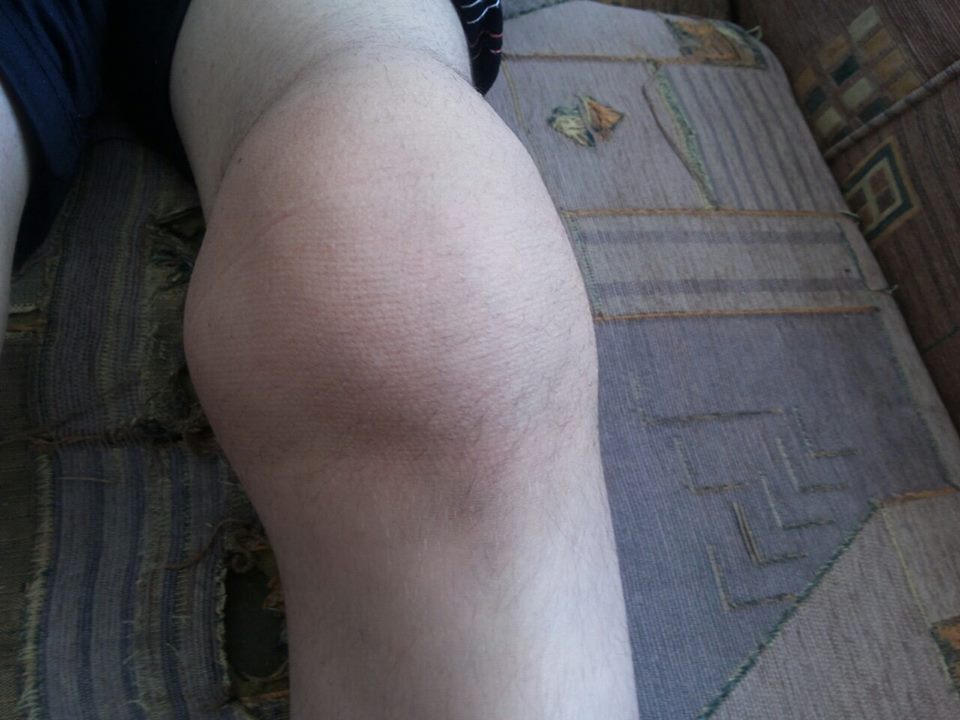
“The only hospital that has the medicine is way far from our residence, which disunites my family. I do not know where to leave my other kids when their mother is absent; the youngest kid is only 3 years old. This prevents me sometimes from taking my son to hospital when his bleeding is not heavy. This leads to harming his joints when bleeding continues and makes them stiffen and therefore, he will lose his ability to move especially that his left knee’s joint is greatly damaged due to continuous bleeding. It is known that it is unnecessary for the patients who suffer from hemophilia B to stay in hospital because they only take the medicine and return back home.

“Sometimes my son might bleed outside regular operating hours. This means that we might not get the medicine on time. This causes a handicap to my son’s joints and paralyzes his movement as doctors has warned from such results many times.

“I extend my sincere thanks to you for your selfless humanitarian effort to help the refugees of our country. I would like to thank all those, governments, individuals and non-governmental organizations, cooperating to support the vulnerable Syrian people.”

This is a gripping account of pain, love and survival. Fortunately, we were able to send a donation of factor, and will continue to help this family, and hundreds more, through Project SHARE. We are grateful to our supporters, and to those who donate factor to us each day.

Learn about Project SHARE here. Call us at 978-821-6197 or email us at share@kelleycom.com if you have factor to donate. Thank you for caring and sharing!

Angels Among Us: Steven Riedle and His Gift to China

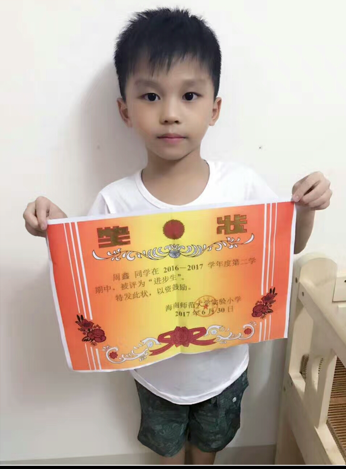
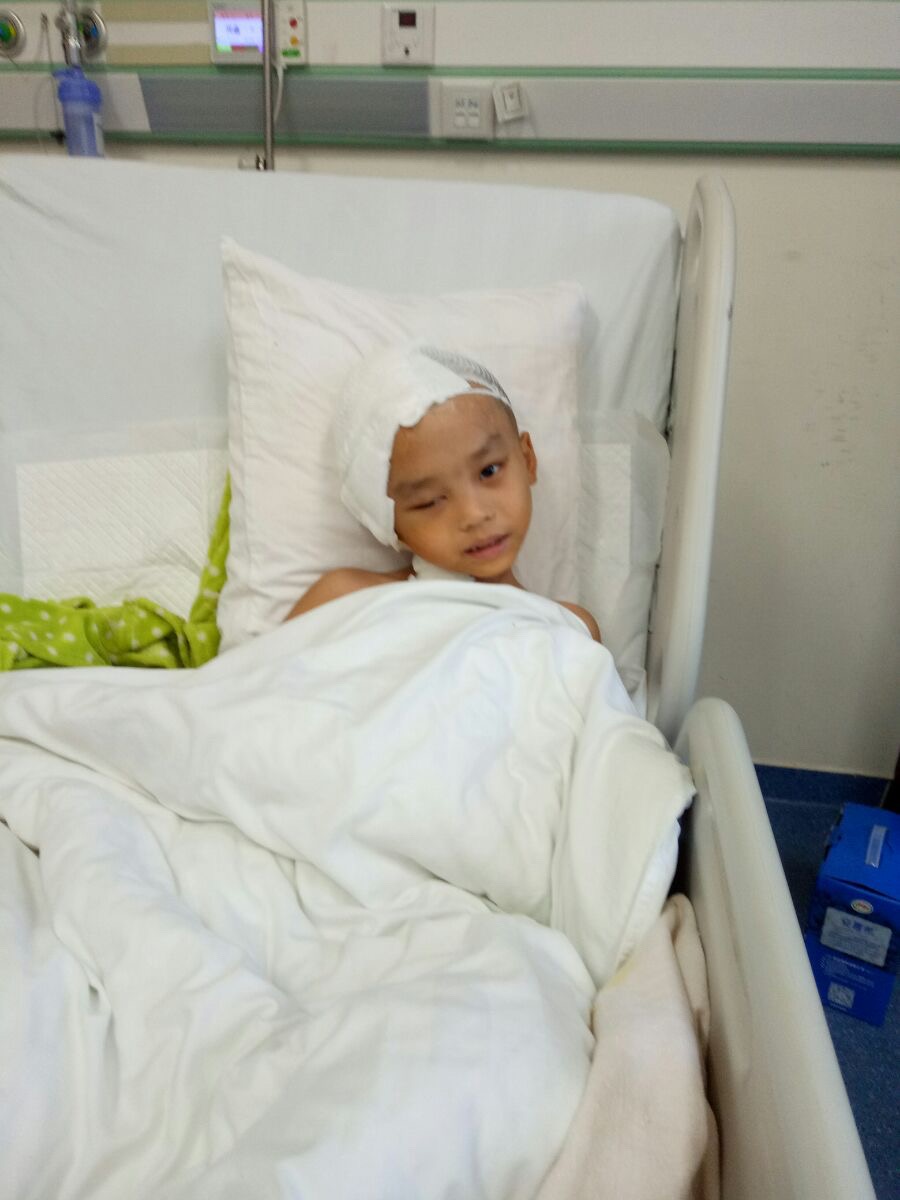
Chinese boy with hemophilia before his accident


Tuesday is World Hemophilia Day, and we celebrate by sharing stories from patients in developing countries, and the angels among us who help them. Here is another story by Steven Riedle, who has been helping children with hemophilia in China quietly for years. Thank you, Steve!
 
———————————————————————————
 
My brother Jack got the call for his liver transplant in October 2016. [This
would cure his hemophilia eventually] On that same day, he received his last regular
ship of factor VIII. I was hoping for that, so I could donate his factor to the
island of Hainan, in China. I waited a few months because I really didn’t believe
the transplant would cure his hemophilia. It did! The product was shipped.
 
The next year while playing with my neighbors in the backyard on
the day of the eclipse, in August 2017, I got a message asking if the medical team in China
should use the factor we donated to try to save a young boy’s life. He was only
four years old, and had fallen and hit his head. Of course, I said yes, try it!
I knew a mom there, Xiaohua Liu, who has a son with hemophilia and she handles
shots and factor needs on the island. A few years ago, I even bought her a new
moped so she could get around better to help the other hemophilia families. This
is China: she risked jail, while gathering the hemophilia community at the
island, and then petitioning the government for more factor for the patients.
Instead of going to jail, she won the petition and got nine boxes of 200 IU of
factor a month! This was a success but hardly enough. My brother’s factor came
in much larger assay sizes: 4,000 IU every other day. The little boy needed
bigger shots for physicians to even attempt the surgery. They had to take a piece
of his skull off to relieve pressure on his brain. I know he would have surely
died without this gift of factor VIII. Mostly, I thought I would just be
keeping children from having to be wheelchair-bound. Saving a life wasn’t
really in my mind when I sent the box. 
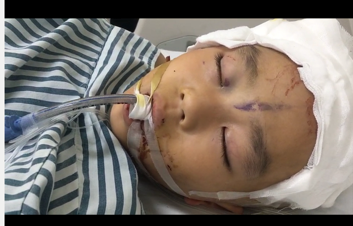
After head injury: 70% die soon after getting in this condition
 
Here’s the thing: my brother Frank died when he was 19. I was 17
years old then. Back in 1982, they didn’t even try to give him a proper dose of
factor, as I remember. Maybe they didn’t have the surgery option ether. I
really don’t know. All I know is about 15 hours later he was dead. Saving this
boy’s life— and I don’t even know his name— in a way helped heal me. That event
back in 1982 broke me. It would be years later before I cared about my future
or school again. Helping to save this boy’s life was a great thing for me, and for
the boy and his family. Those few times I found some factor in my luggage or
stuffed in the back of the cabinet where I keep all the hemophilia stuff
certainly can save a life. Even just helping to relieve the pain of an
untreated bleed for a person living in a country where factor is rare.
 
 
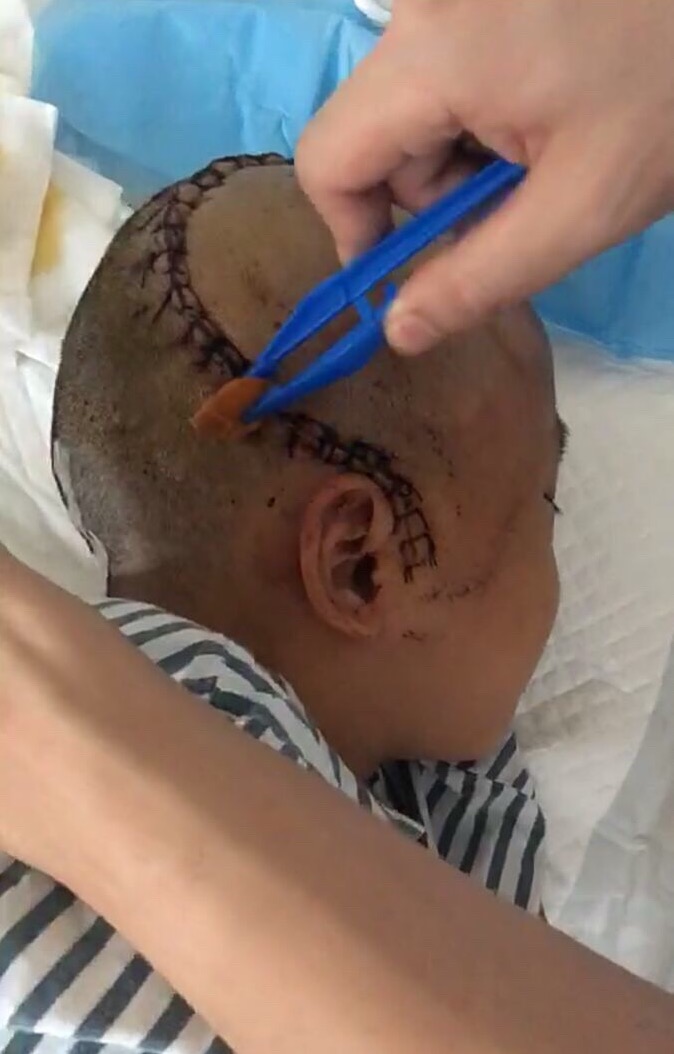
Tweezers holding piece of his skull,
taken out to relieve the pressure 
The boy lived, and here he is in this video. There are children in
need of factor all over the world. Donate factor here. Save a life there.
 
Steve Riedle has
hemophilia, and is the inventor of Noseebudd, a therapeutic device to help stop
nosebleed. You can purchase a Nosebudd at nosebudd.com
 
Recovery
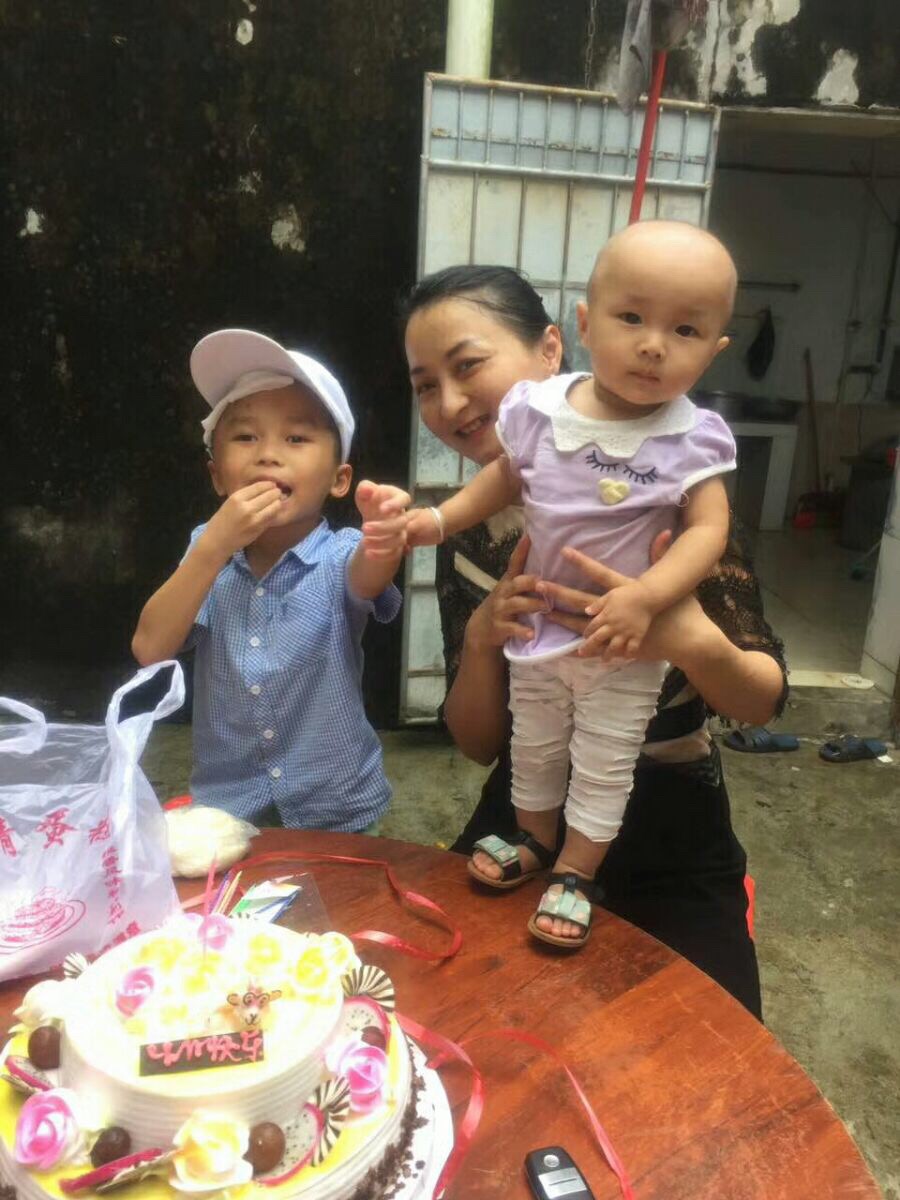
Boy with his baby sister at
birthday party


HemaBlog Archives
Categories